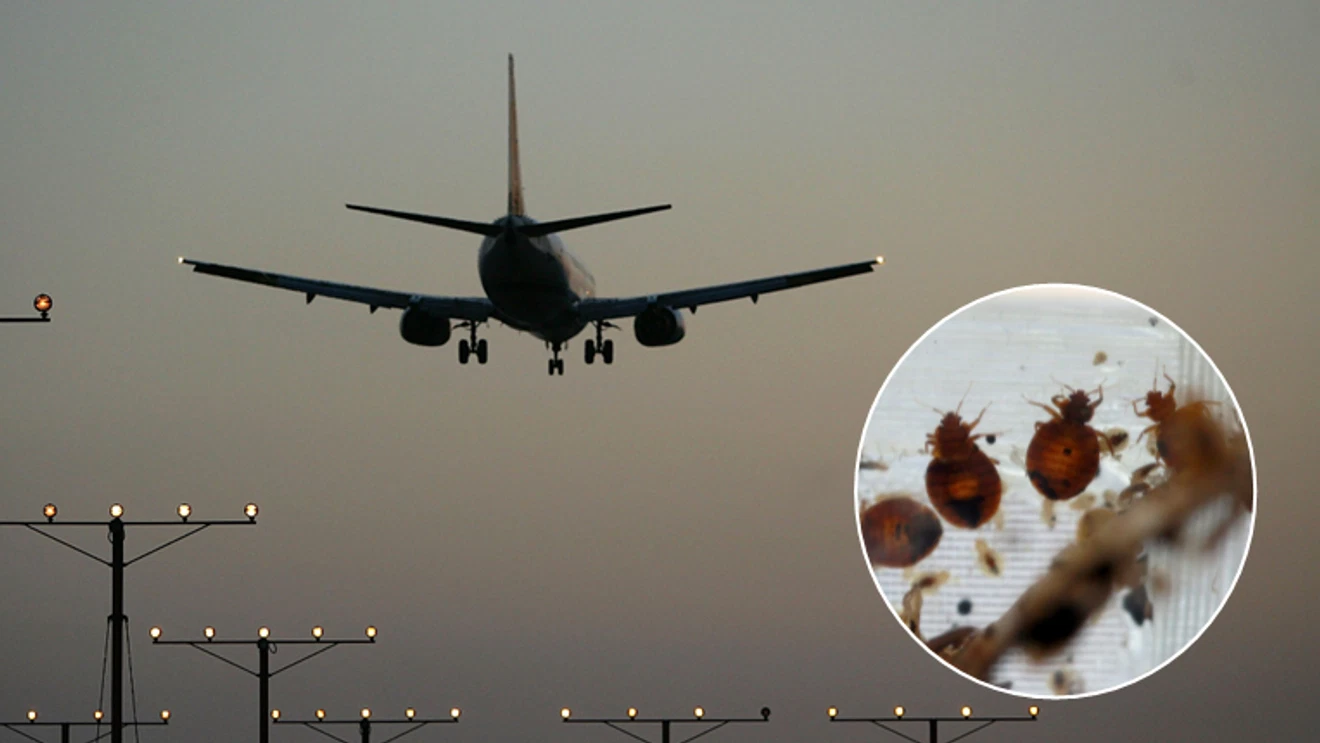
A Virginia family has filed a lawsuit against Delta and KLM airlines, claiming they were bitten by bedbugs during a transatlantic flight, which caused health issues and ruined their vacation. The family alleges the infestation was hidden by flight staff, and they are seeking $200,000 in damages.
A Roanoke family has sued Delta and KLM airlines after claiming they were bitten by bedbugs during a flight, resulting in injuries and emotional distress, and seeking at least $200,000 in damages.
A Virginia family has sued Delta and KLM airlines, claiming they were bitten and injured by bedbugs during a flight, which ruined their vacation and caused medical issues, seeking at least $200,000 in damages.
A Massachusetts woman claims her Bahamas cruise on the Norwegian Breakaway was ruined by bedbug bites, which she reported to staff without response. After returning home, she confirmed the bites with a healthcare provider and took measures to treat her belongings. Norwegian Cruise Line denied her reports of illness and stated no bedbugs were found in her room. The incident has caused her emotional distress, and she is seeking psychological support.
As more employees return to the office, bedbug sightings have increased, prompting Google to treat its NYC Chelsea campus for pests. Bedbugs are hitchhiking from home environments via personal items, and companies are advised to have protocols for detection and treatment to avoid legal liabilities and ensure workplace safety.
A person recounts their stressful experience with a bedbug infestation that depleted their savings, and now faces a repeat situation. They feel guilty and overwhelmed but are advised to seek rent abatement, understand tenant rights, and plan long-term financial stability with family support. The article emphasizes separating emotional guilt from financial reality and taking proactive steps to manage the situation.
A bedbug infestation at two Las Vegas hotels, Treasure Island and Luxor, led to multiple guest injuries and three lawsuits, with victims suffering bites, emotional distress, and health issues, prompting calls for improved pest control measures.
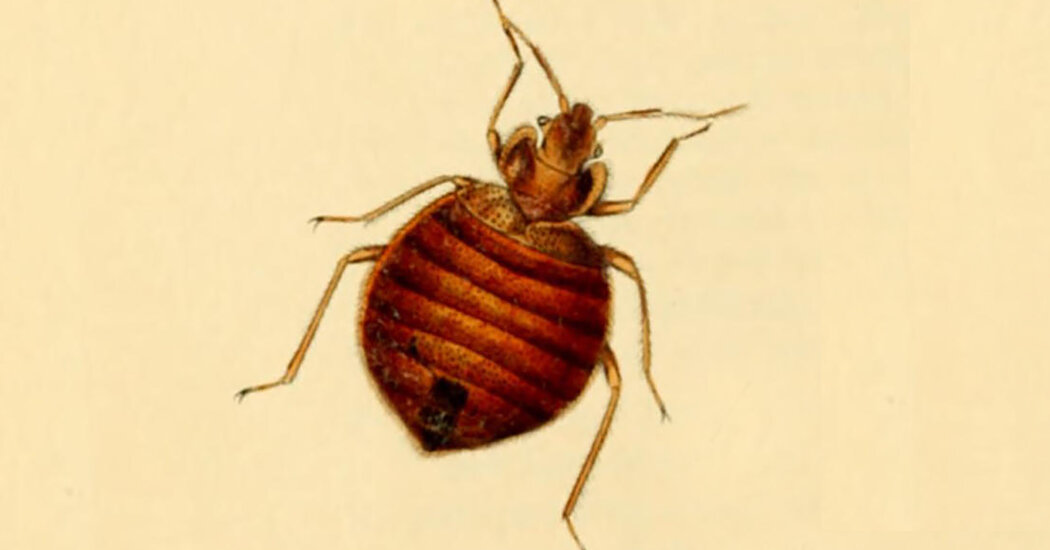
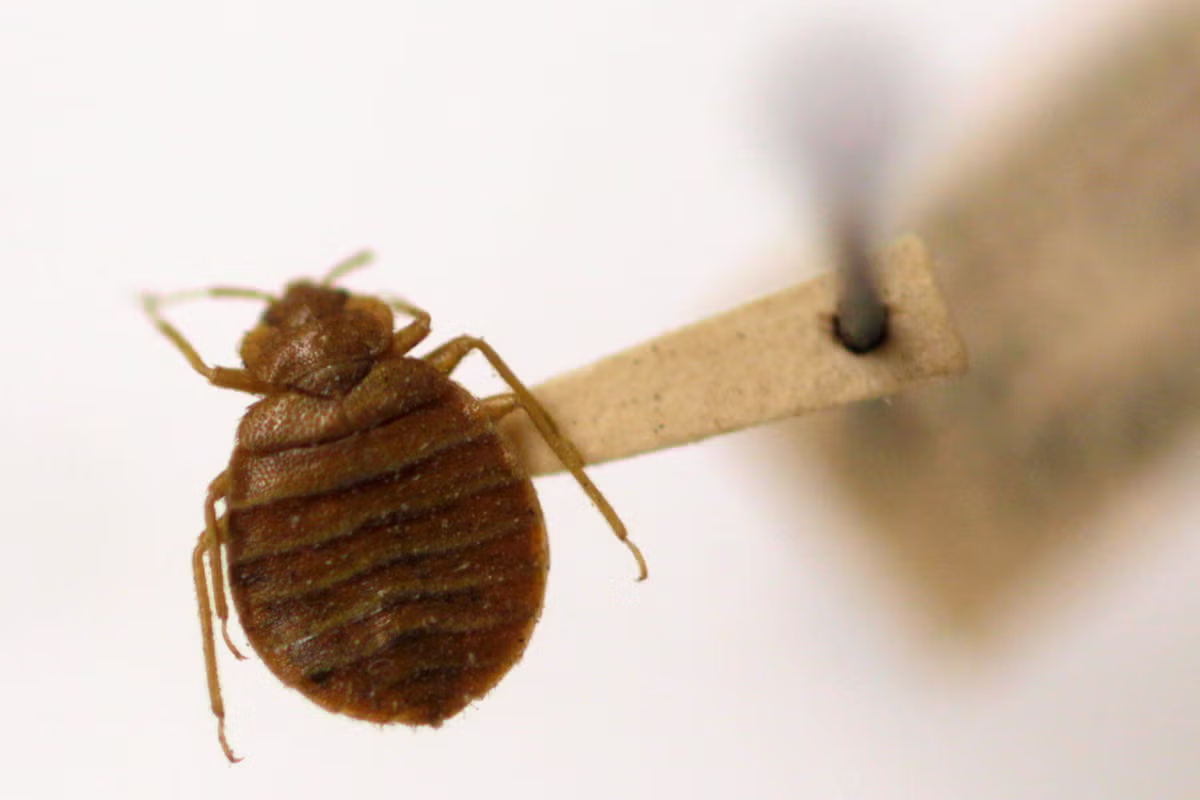
A new study reveals that bedbugs were the first urban pests, thriving in human cities for over 13,000 years, establishing a long-standing, exclusive relationship with humans as bloodsuckers that do not transmit diseases but cause mild irritation.
A new study reveals that bedbugs diverged into two lineages thousands of years ago, with one adapting to humans as they moved into cities, leading to a significant rise in infestations, especially after pesticide resistance developed in recent decades.
Scientists suggest that the rise of ancient cities and human settlement patterns led to a dramatic increase in bedbug populations, making them one of the earliest urban pests, with their history closely intertwined with human civilization over thousands of years.
Pest control company Orkin has released its annual list of the 50 worst American cities for bedbugs, with Chicago, New York, and Philadelphia topping the rankings. The list is based on treatment data from major metro areas, and some cities have seen significant changes in their rankings compared to the previous year. Bedbugs are resilient pests that can easily travel and are commonly found in mattresses, box springs, and bedding. To prevent infestations, the EPA recommends checking for signs of bedbugs in secondhand furniture, using protective covers on mattresses, and being cautious when traveling. If infested, treatment options include washing and drying linens at high temperatures, using steam cleaners, vacuuming, and seeking professional extermination services.
South Korea has declared war on bedbugs after a surge in reported cases, with bathhouses, university dorms, and train stations on high alert. The sudden resurgence of the pests, following similar outbreaks in other countries, has caused alarm among the public. Pest control firms are inundated with requests for help, and social media is filled with pictures and accounts of encounters with the insects. Concerns over being stigmatized for hygiene reasons may lead to underreporting of cases. The government is collaborating with private pest control companies and expediting the import of new pesticides. The capital city of Seoul is launching a bedbug reporting and management system and will provide pest control support for small housing units. Resistance to insecticides and increased travel post-Covid are believed to be contributing factors to the outbreaks. Preventive measures and early responses are emphasized.
Infestations of more resilient bedbugs have been reported in Japan, with the Japan Pest Control Association receiving a significant increase in inquiries about bedbugs. The rise in bedbug population is attributed to an increase in travelers to Japan, although the number of inquiries remained consistent during the COVID-19 pandemic when borders were closed. Bedbugs are difficult to locate as they live in cracks and gaps of various objects and feed on human and pet blood. The insects are well-adapted to human habitats and can survive for several months without feeding. Despite the decline in inbound tourists, the rate of bedbug inquiries did not decrease significantly, indicating that bedbugs may be spreading within the country.
France has closed seven schools due to bedbug infestations, with concerns growing over the rising number of reported cases. The government has held meetings to address the issue, as bedbugs have been found in various institutions across the country. The education minister stated that an immediate response is needed, and a list of approved companies for pest control has been prepared. Bedbug problems have also been reported in other public spaces, such as a municipal library in Amiens.
France has been gripped by a national hysteria over a rise in bedbug infestations, with media coverage and discussions dominating the public discourse. While there has been a real increase in cases, the panic seems disproportionate to the actual threat posed by bedbugs. Although highly unpleasant, bedbugs do not spread diseases and their bites are not long-lasting. The panic may be fueled by concerns about France's reputation among visitors, as the country is currently hosting the rugby union World Cup and will host the Olympic Games next year. The government has held a crisis meeting and taken measures to address the issue, including increased inspections and cleaning regimes.