
Ancient Footprints Rewrite Early Human History in America
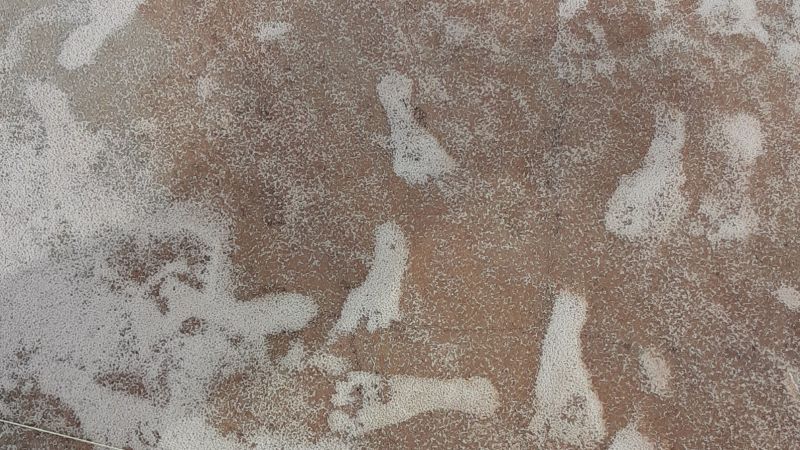
The discovery of 61 fossilized human footprints in New Mexico's White Sands National Park has provided new insights into the timeline of early humans living in the Americas, suggesting they arrived well before climate conditions would have made it impossible to reach North America. The footprints, estimated to be between 21,000 and 23,000 years old, represent a crucial missing chapter in human history. In other scientific news, Nobel Prizes were awarded to researchers in chemistry, physics, and physiology or medicine for advancements in quantum dots, short pulses of light, and mRNA vaccines. Astronomers using the James Webb Space Telescope have discovered pairs of planetlike objects inside the Orion Nebula, challenging current understanding of planet and star formation. NASA is preparing to launch its first mission to explore the metal world of Psyche, while China plans to return the first samples from the far side of the moon to Earth. Additionally, the restoration of Redonda Island in the Caribbean has revived its wildlife population, and there is good news about the birth of a Sumatran rhino, the successful collection of material from an asteroid sample, and the upcoming annular solar eclipse.
- How ancient footprints rewrote a chapter of early human history CNN
- Across America: Ancient footprints found FOX 32 Chicago
- Footprints found at ancient lake in New Mexico challenge old belief of first humans in Americas Fox News
- White Sands fossil footprints suggest longer human history in Americas NPR
- Further evidence points to footprints in New Mexico being the oldest sign of humans in Americas KSL.com
Reading Insights
0
1
3 min
vs 5 min read
79%
884 → 190 words
Want the full story? Read the original article
Read on CNN