

Danish historians have discovered evidence of the first mouth-to-mouth kiss on a clay tablet from ancient Mesopotamia, challenging previous beliefs that South Asia was the birthplace of kissing. The tablet reveals that lip-locking was practiced after lovemaking, rather than as foreplay, and suggests that the urge to kiss a lover is innate and has been observed in our primate relatives. This discovery sheds light on the cultural and historical significance of kissing in human history.
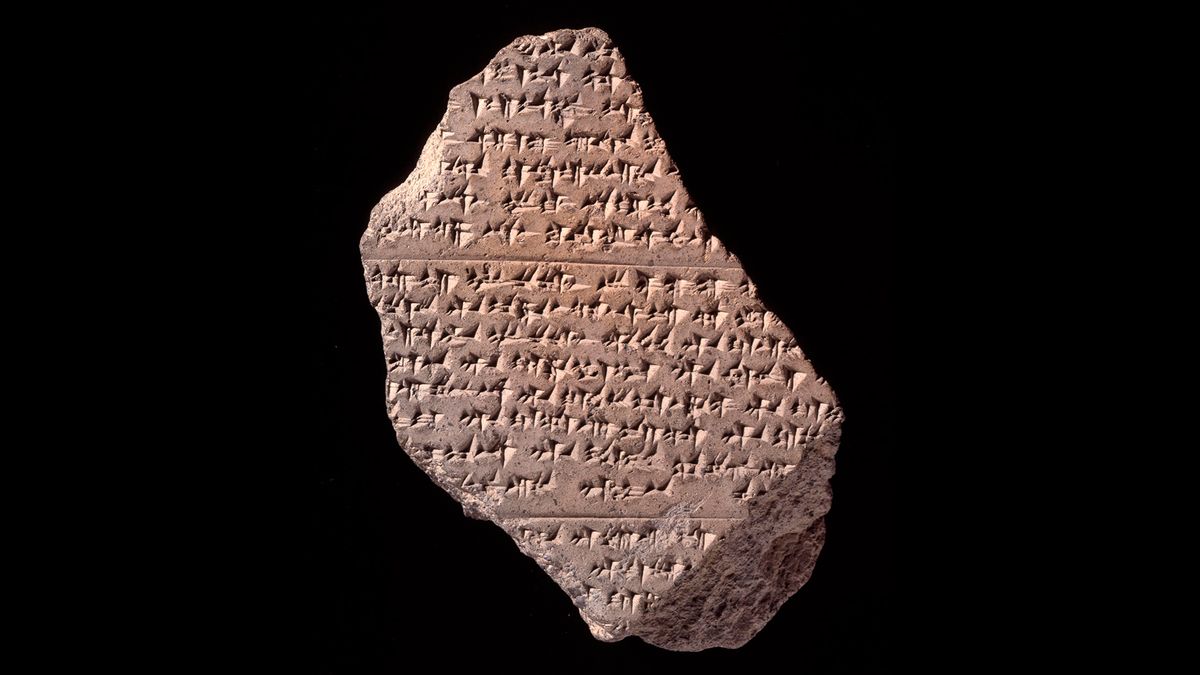
Archaeologists have discovered words from a "lost" language spoken over 3,000 years ago on an ancient clay tablet found in Turkey. The tablet, unearthed at Boğazköy-Hattuşa, the site of the Hittite capital, contains a ritual text written in a previously unknown language. The tablet belongs to the Anatolian group of the Indo-European family of languages, similar to the Hittite language. The Hittites were known for their interest in recording rituals in foreign languages, and other tablets from the site have included extracts from various languages. The discovery provides insights into the linguistic landscapes of Late Bronze Age Anatolia.