Tag

Archaeologyanthropology

All articles tagged with #archaeologyanthropology

archaeologyanthropology1 year ago

"7000-Year Human Shelter: Uncovering Ancient Life in a Saudi Arabian Lava Tube"

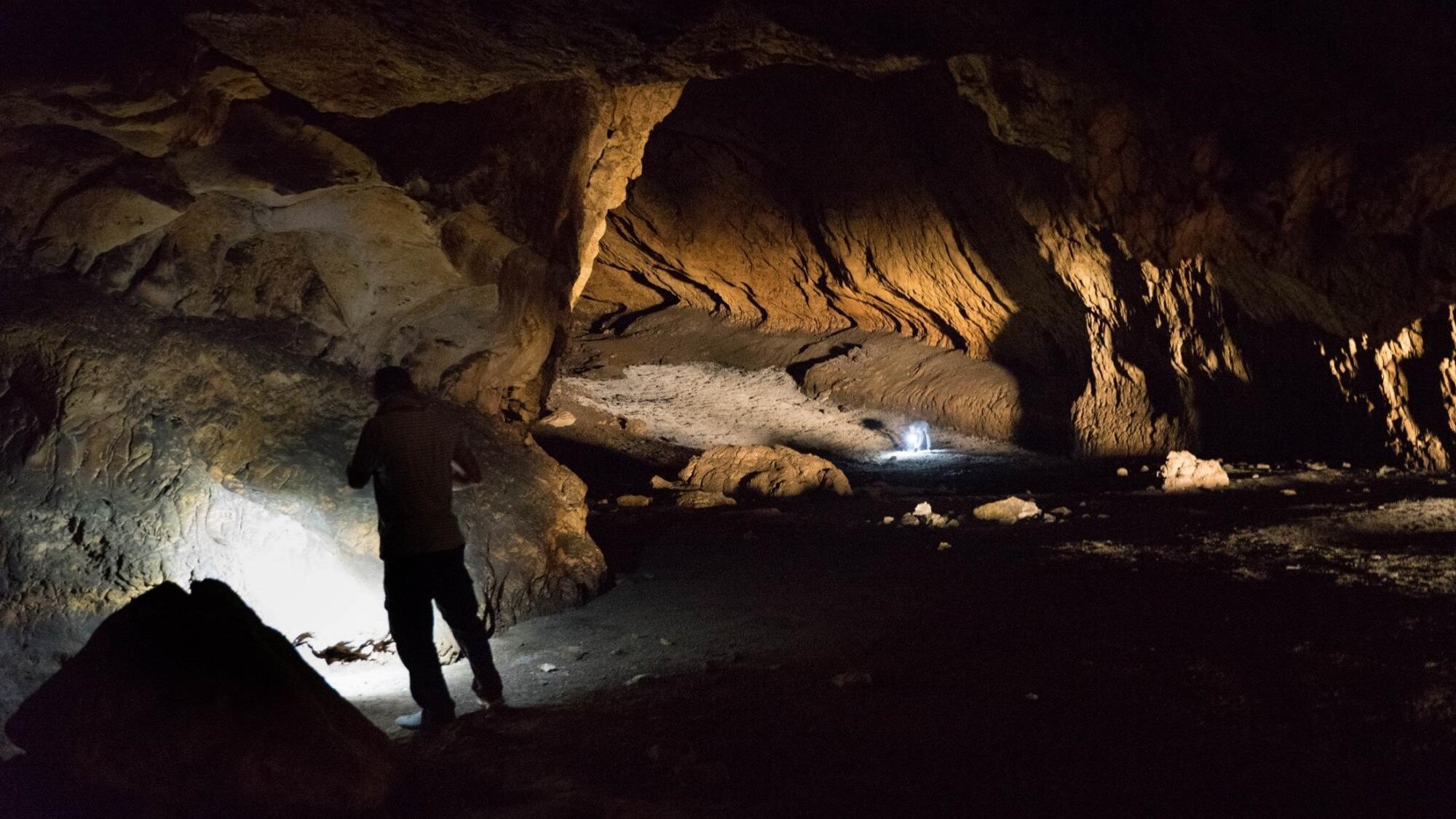
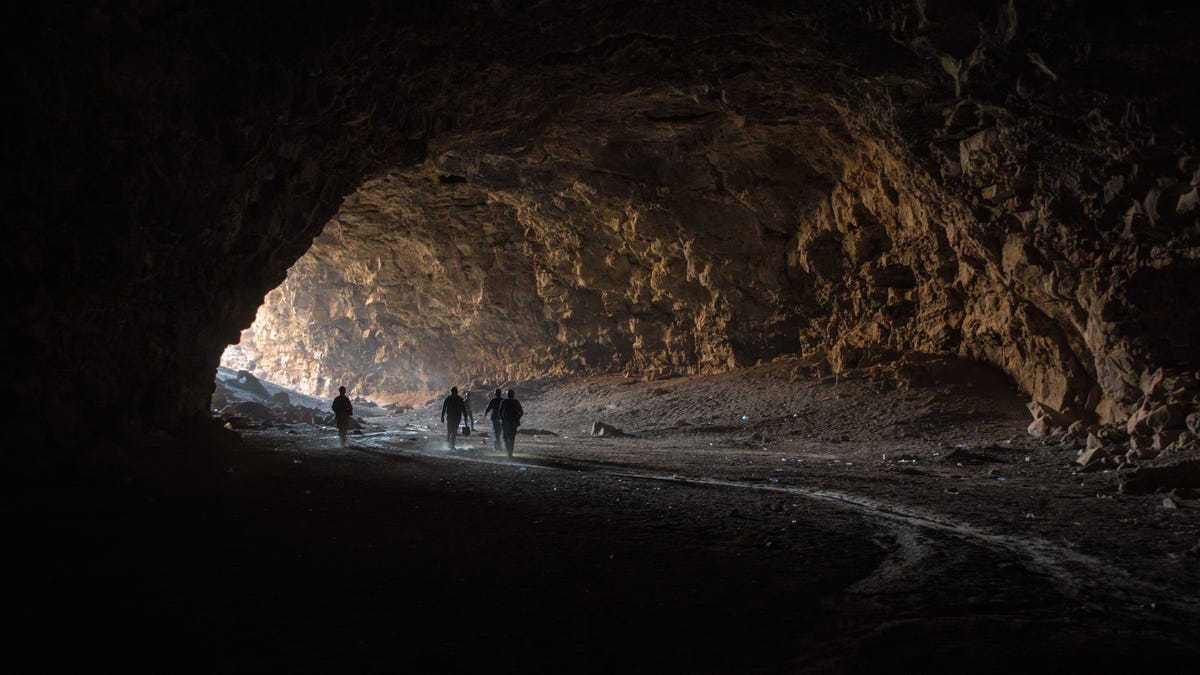
A nearly mile-long lava tube in Saudi Arabia, known as Umm Jirsan, provided shelter for ancient humans and their domesticated animals for at least 7,000 years. The cave, now inhabited by wolves, foxes, and snakes, contains hundreds of thousands of bones from at least 40 species, dating back to the Neolithic era. While not a permanent residence, the cave served as a crucial pit stop for herders along a pastoral route, offering shade and water for their flocks in the harsh desert environment.

archaeologyanthropology1 year ago

"Aboriginal Hotspot: 4000 Stone Artifacts Uncover Ice Age Secrets of Drowned Australian Land"

An analysis of over 4,000 stone artifacts on Barrow Island off northwestern Australia provides insights into Aboriginal life during the last ice age, revealing connections between the island and the mainland. The artifacts, dating back to 29,000-19,000 years ago, suggest a diverse range of tools and materials, indicating trade and exchange between different groups. The study sheds light on the ancient connections and landscape use by Aboriginal peoples during a time period that is virtually unknown elsewhere on the continent.

archaeologyanthropology1 year ago

"Neanderthals' Living Spaces Resemble Those of Modern Humans, Study Finds"

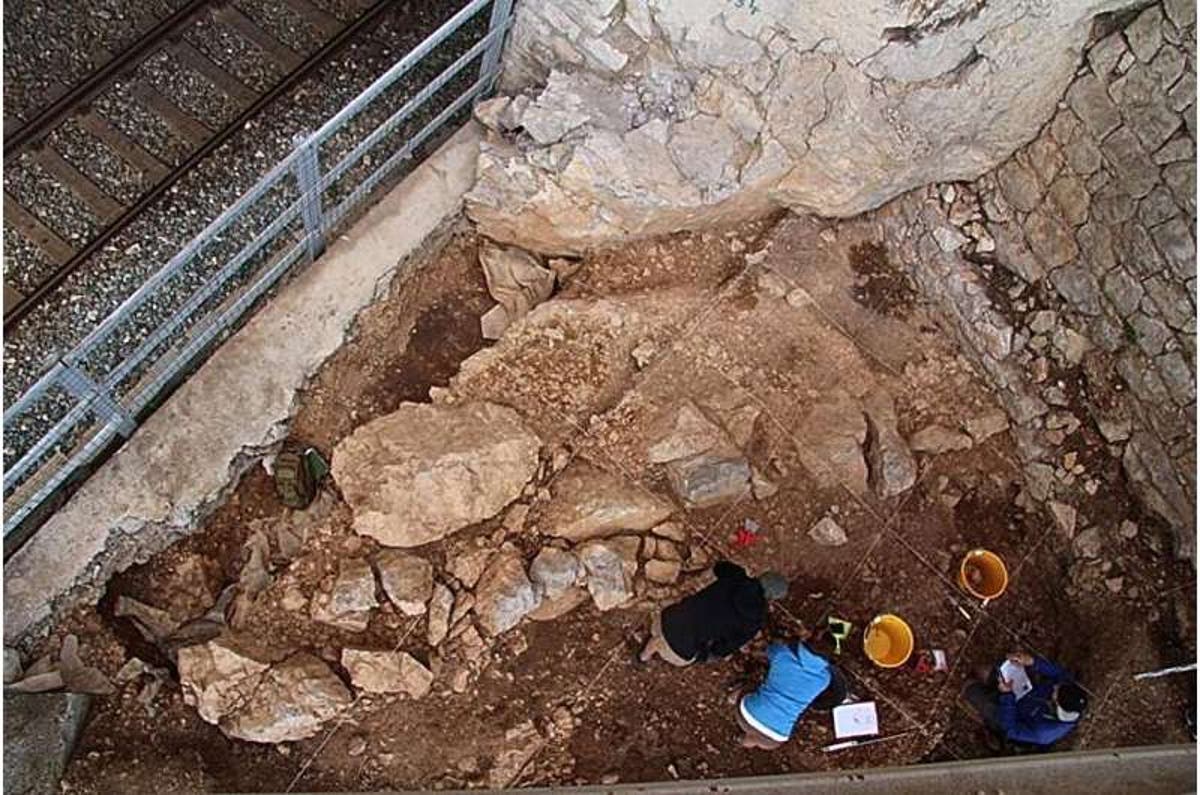
A new study analyzing the Riparo Bombrini site in Italy reveals that Neanderthals organized their living spaces in a structured manner similar to modern humans, indicating comparable cognitive capacities. Both populations exhibited distinct high and low-intensity activity zones, suggesting planned occupation of spaces. While similarities in spatial organization were found, differences included fewer artefact clusters in Neanderthal layers and sporadic use of the site. The findings challenge assumptions about Neanderthals and highlight their advanced behavior.

archaeologyanthropology1 year ago

"Unveiling the Crucial Role of the Persian Plateau in Early Human Migration Out of Africa"

A new study has identified the Persian Plateau as a crucial hub for early human migration out of Africa, challenging previous understandings of human expansion into Eurasia. The research, published in Nature Communications, reveals the plateau as a region where population waves originated, supporting a larger population compared to other areas in West Asia. Genetic evidence indicates a long-lasting differentiation in the area, emphasizing its significance for early human settlement and subsequent migrations. The findings shed light on a critical period in human history and highlight the need for further archaeological exploration in the region.

archaeologyanthropology1 year ago

"Surviving the Toba Supervolcano: Evidence of Remarkably Adaptive Human Population 74000 Years Ago"

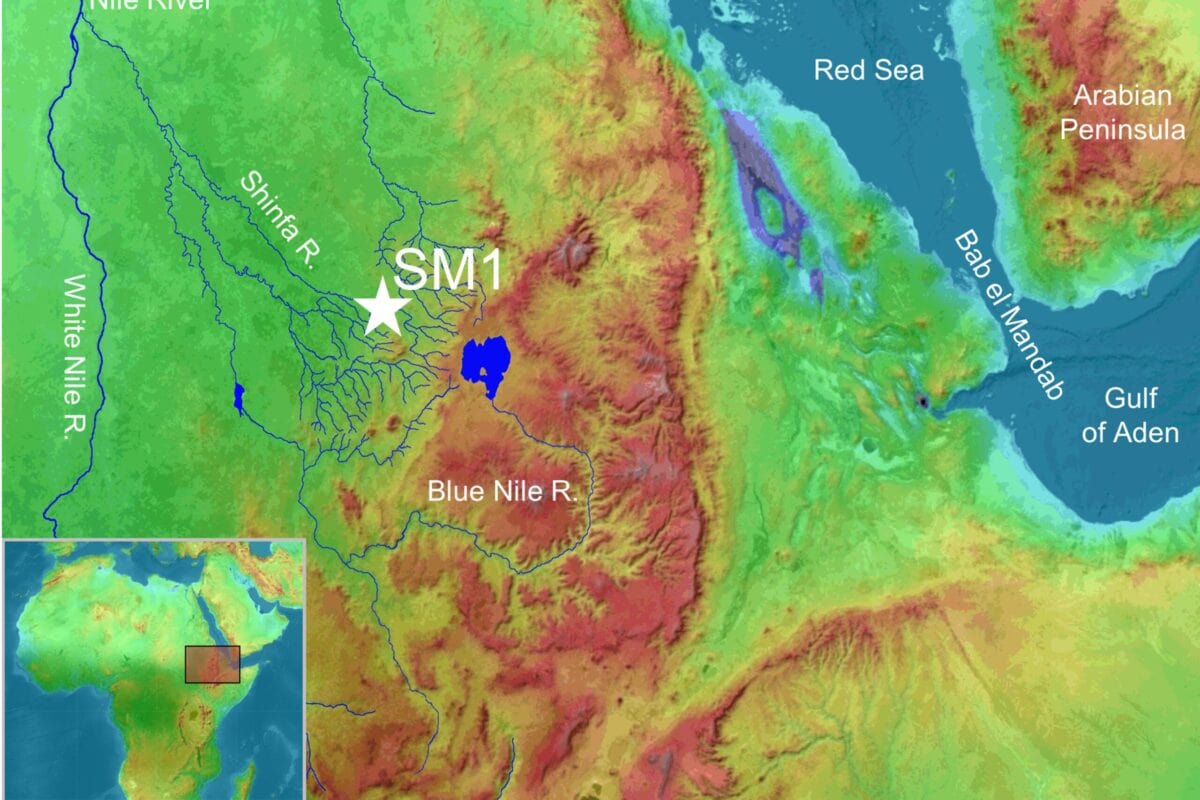
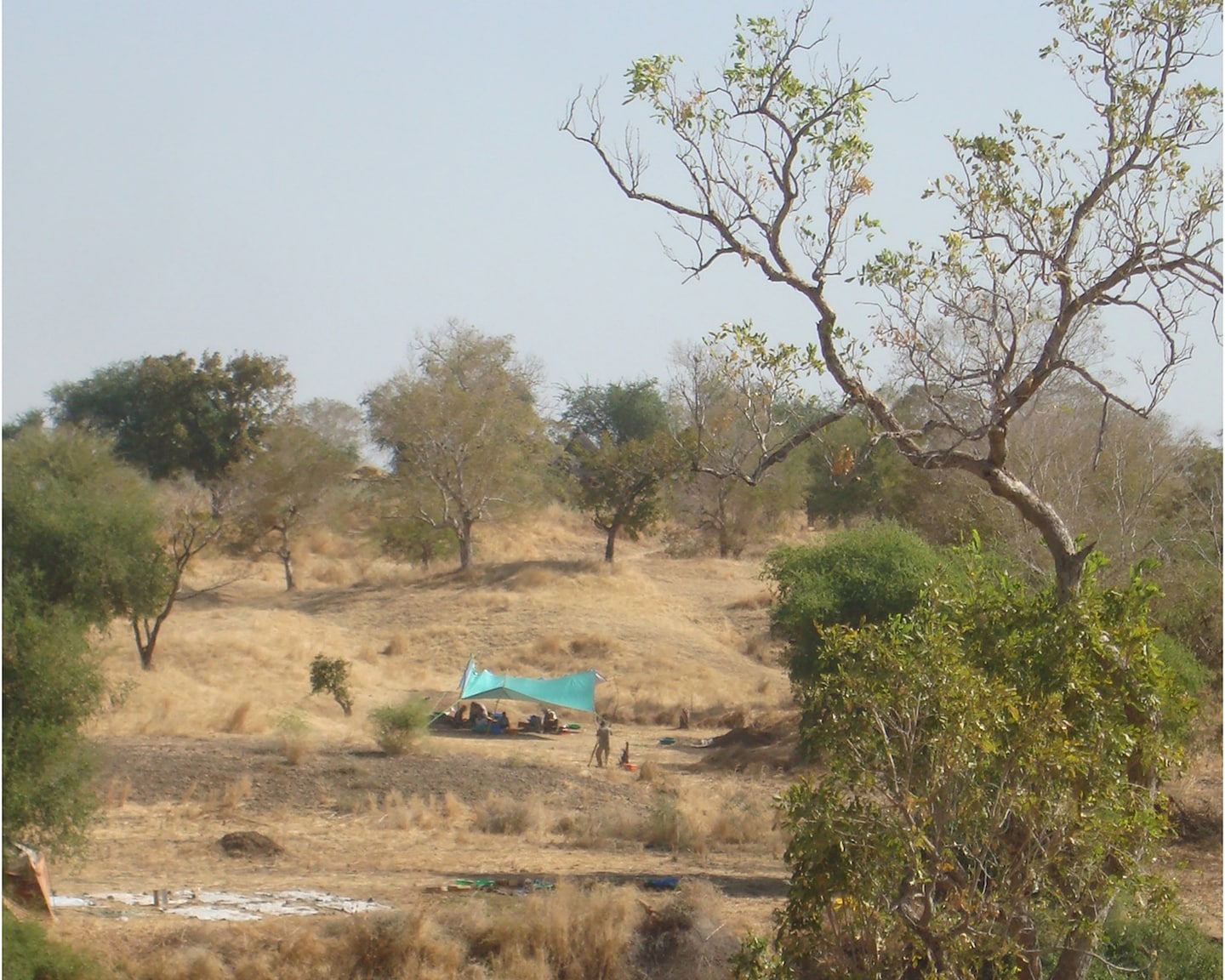
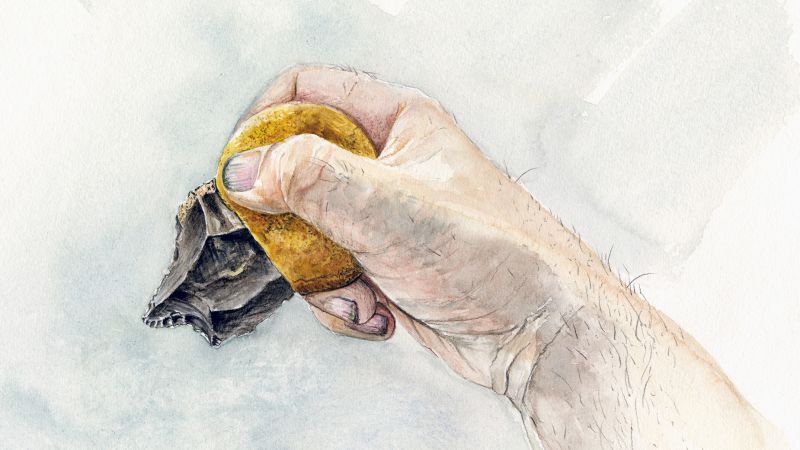
Researchers in Ethiopia have discovered evidence at the Shinfa-Metema 1 site showing that a human population survived the Toba supervolcano eruption 74,000 years ago. The findings suggest that humans may have dispersed during arid intervals along "blue highways" created by seasonal rivers, challenging previous hypotheses about human migration. The discovery of stone tools also indicates the oldest evidence of archery. The study's implications include the ability to correlate archaeological sites across Africa with a time resolution of weeks, shedding new light on the impact of the Toba eruption on early human populations.

archaeologyanthropology1 year ago

"Unraveling the 1.6 Million-Year-Old Mystery of Human Speech Evolution"

An upcoming analysis suggests that humans may have been communicating for over 1.6 million years, challenging the belief that language development occurred only around 200,000 years ago. Based on various evidence, British archaeologist Steven Mithen proposes that early humans began communicating in eastern or southern Africa. He argues that the development of language was crucial for human evolution and survival, allowing for the transmission of knowledge across generations. This theory could potentially reveal ancient linguistic developments still in use today.

archaeologyanthropology1 year ago

"Surviving the 74,000-Year-Old Supervolcano Eruption"

Microscopic glass shards from the Toba supervolcano eruption in Ethiopia suggest that early modern humans survived the event by adapting to extreme arid conditions, shifting their diet to include more fish. This challenges the idea that humans couldn't survive in such climates and offers an alternate theory for human dispersal out of Africa. The study also provides evidence that humans were flexible in their adaptations and could overcome environmental challenges, contradicting the popular belief that the Toba eruption nearly drove humans to extinction.

archaeologyanthropology1 year ago

"Neanderthal Engineering: Uncovering Advanced Tool-Making Skills"

Researchers have discovered that Neanderthals likely engineered a type of glue from ocher and bitumen to create handles for stone tools, shedding light on their complex thinking patterns. The artifacts, found in a French archaeological site, were recently rediscovered in a Berlin museum and date back between 40,000 and 60,000 years. The study, published in Science Advances, suggests that Neanderthals were capable of creating materials according to their needs and challenges the popular stereotype of them as primitive beings.

archaeologyanthropology1 year ago

"Uncovering a Life Story Through Human Sacrifice Victim's Teeth"

Researchers have reconstructed the life history of Vittrup Man, a forager-turned-farmer who lived over 5,000 years ago in what is now Denmark, by analyzing isotopes in his teeth. They found that he was from coastal Scandinavia, moved to Denmark later in life, and was likely killed in an act of ritual violence. His diet and genetic ancestry were also revealed, shedding light on his life story. The findings provide unprecedented detail about a person from such a distant past and may help understand similar preserved remains.

archaeologyanthropology1 year ago

"DNA Analysis Suggests Scandinavia's First Farmers Slaughtered Hunter-Gatherers"

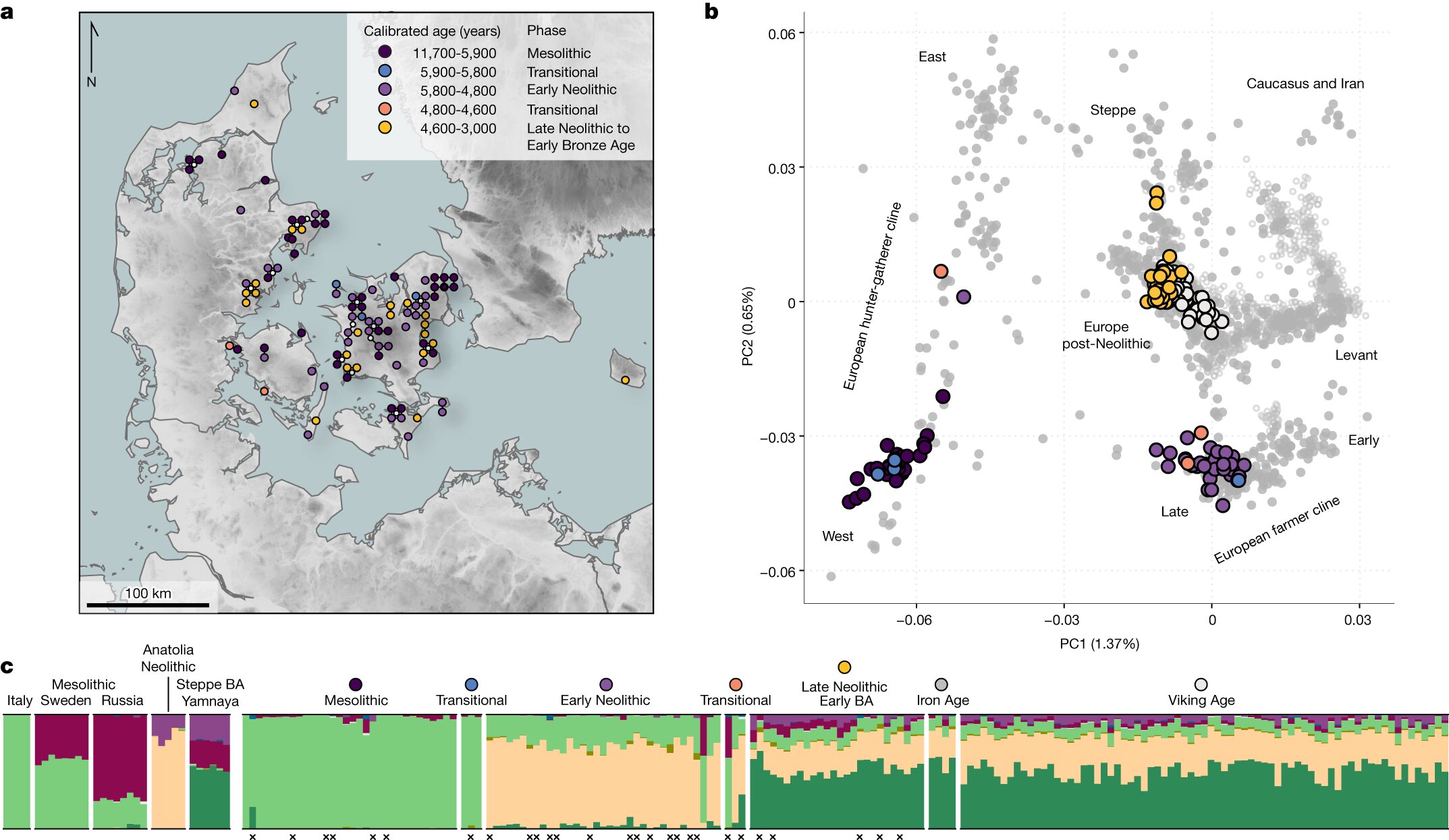
A new study from Lund University in Sweden, published in Nature, suggests that the arrival of the first farmers in Scandinavia 5,900 years ago led to the rapid extinction of the hunter-gatherer population within a few generations, contrary to previous beliefs. DNA analysis of skeletal remains indicates two major population turnovers in Denmark over the past 7,300 years, with the first occurring when a farmer population displaced the hunter-gatherers, possibly through violence and the introduction of new pathogens from livestock. A second turnover occurred about 4,850 years ago when people with genetic roots in Yamnaya, originating from southern Russia, replaced the previous farmer population. The study sheds new light on historical migration flows and provides insights into the development of certain diseases.

archaeologyanthropology1 year ago

"Reevaluating Human Evolution: Stone Tool Discovery Redefines Modern Human Dispersals"

Recent stone tool discoveries challenge the prevailing view of a swift cultural and technological revolution that enabled modern humans to surpass Neanderthals and other archaic human species during their spread across Eurasia around 50,000 to 40,000 years ago. The study suggests a more gradual and complex process of cultural evolution, challenging previous assumptions and enriching our comprehension of human evolution. The research reveals a multi-staged evolution characterized by later innovations in tool-making, providing a deeper understanding of the intricate process that has shaped the course of human history.

archaeologyanthropology1 year ago

"Modern Human Dispersals: The Evolution of Stone Tool Technology"

A study led by researchers at the Nagoya University Museum challenges traditional beliefs about the cultural evolution of Homo sapiens during their dispersal across Eurasia 50,000 to 40,000 years ago. The study suggests that the increase in stone tool productivity did not occur before or at the beginning of Homo sapiens' dispersals, but rather after, coinciding with the development of bladelet technology in the Early Upper Paleolithic. This challenges the view of a sudden cultural revolution and suggests a more nuanced and complex process of cultural evolution involving multiple stages.

archaeologyanthropology1 year ago

Early Homo sapiens Reached Icy Northern Europe 45,000 Years Ago

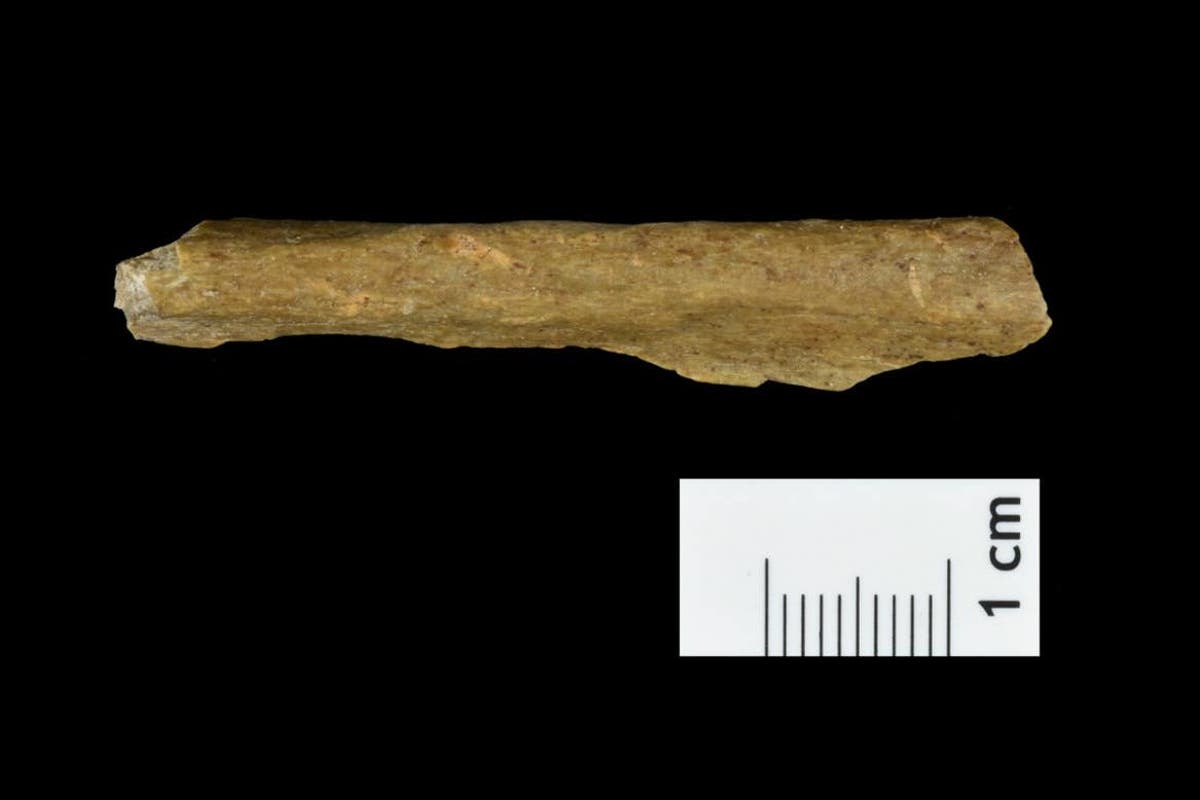
Researchers discovered human bones and tools in a German cave, indicating that humans settled in northern Europe over 45,000 years ago, potentially coexisting with Neanderthals. The findings challenge previous assumptions about human migration and the replacement of Neanderthals by Homo sapiens. The discovery suggests that humans repeatedly populated Europe in smaller excursions, living in extreme cold conditions and adapting to hostile environments, ultimately outlasting the Neanderthals.

archaeologyanthropology1 year ago

"Groundbreaking Discoveries Rewrite Early Human History in Europe"

New evidence suggests that modern humans ventured into northern Europe more than 45,000 years ago, living alongside Neanderthals in extremely cold conditions similar to modern-day Siberia or northern Scandinavia. The discovery challenges previous beliefs about the resilience of early European settlers and their ability to adapt to harsh environments. Excavations in a cave in Germany revealed human fossils and stone tools, indicating that Homo sapiens were present in the region earlier than previously thought. The findings also challenge the idea that Neanderthals disappeared from northern Europe before the arrival of modern humans, suggesting that the two groups lived alongside each other and occasionally interbred.

archaeologyanthropology1 year ago

"Unearthing Europe's Human History: Surprising Discoveries and Rewritten Narratives"

Bones found in an 8-meter-deep pit in a cave near Ranis, Germany, have revealed evidence that Neanderthals and modern humans likely lived alongside each other in northern Europe as far back as 45,000 years ago. Genetic analysis of the fossils suggests that modern humans, not Neanderthals, were the makers of distinctive stone tools, fundamentally changing previous knowledge about the period. The discovery indicates that Homo sapiens reached northwestern Europe earlier than previously thought, overlapping with Neanderthals for several thousand years. The findings were detailed in three studies published in Nature and Nature Ecology & Evolution, shedding light on the early human presence in Europe and their ability to adapt to harsh climatic conditions.