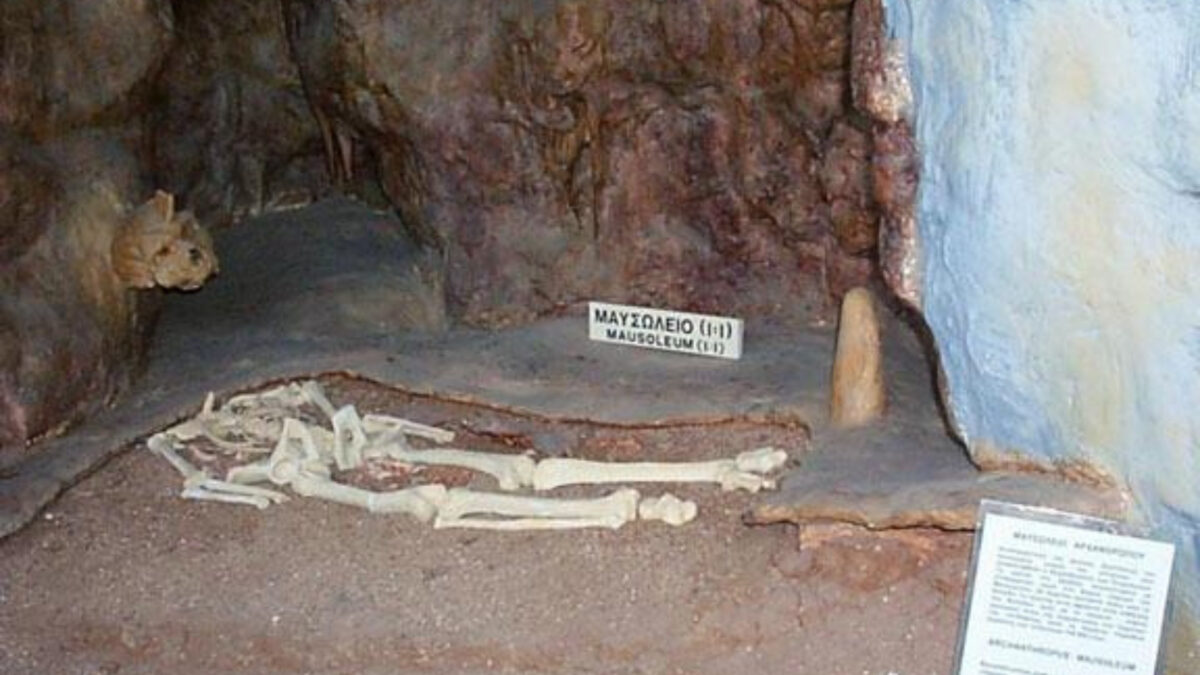
A prehistoric skull found fused to a cave wall in Greece, dating back at least 290,000 years, may belong to a mysterious ancient hominid species, possibly Homo heidelbergensis, indicating a diverse human lineage in Europe during the Middle Pleistocene.
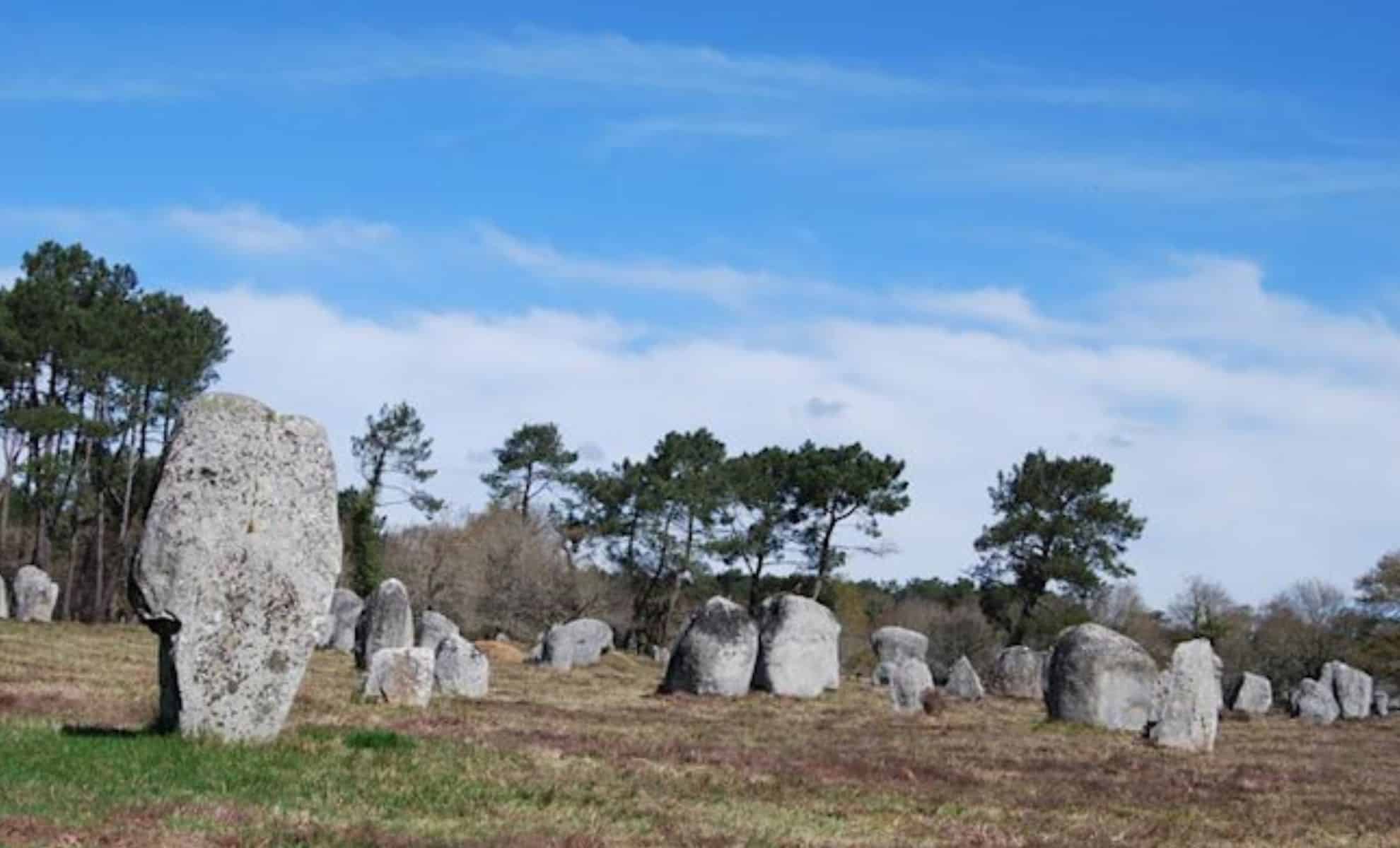
Recent archaeological research using advanced radiocarbon dating has confirmed that the Carnac megaliths in France are among Europe's oldest, dating back to 4600-4300 BCE, shedding new light on early human culture and the development of megalithic structures in Europe.
Scientists are proposing a two-pronged solution to better understand human evolution: find more fossils and improve the dating techniques of existing ones. By exploring underexplored regions and using improved dating methods, researchers hope to fill in gaps in the evolutionary puzzle and resolve longstanding dilemmas. Techniques such as radiocarbon dating and amino acid dating have been used, but challenges remain, such as the open system of bone dating. The use of uranium series dating has provided more precise timings for human fossils, revealing surprising findings and raising new questions. As dating techniques continue to improve, researchers aim to refine ages and gain a better understanding of human evolution.
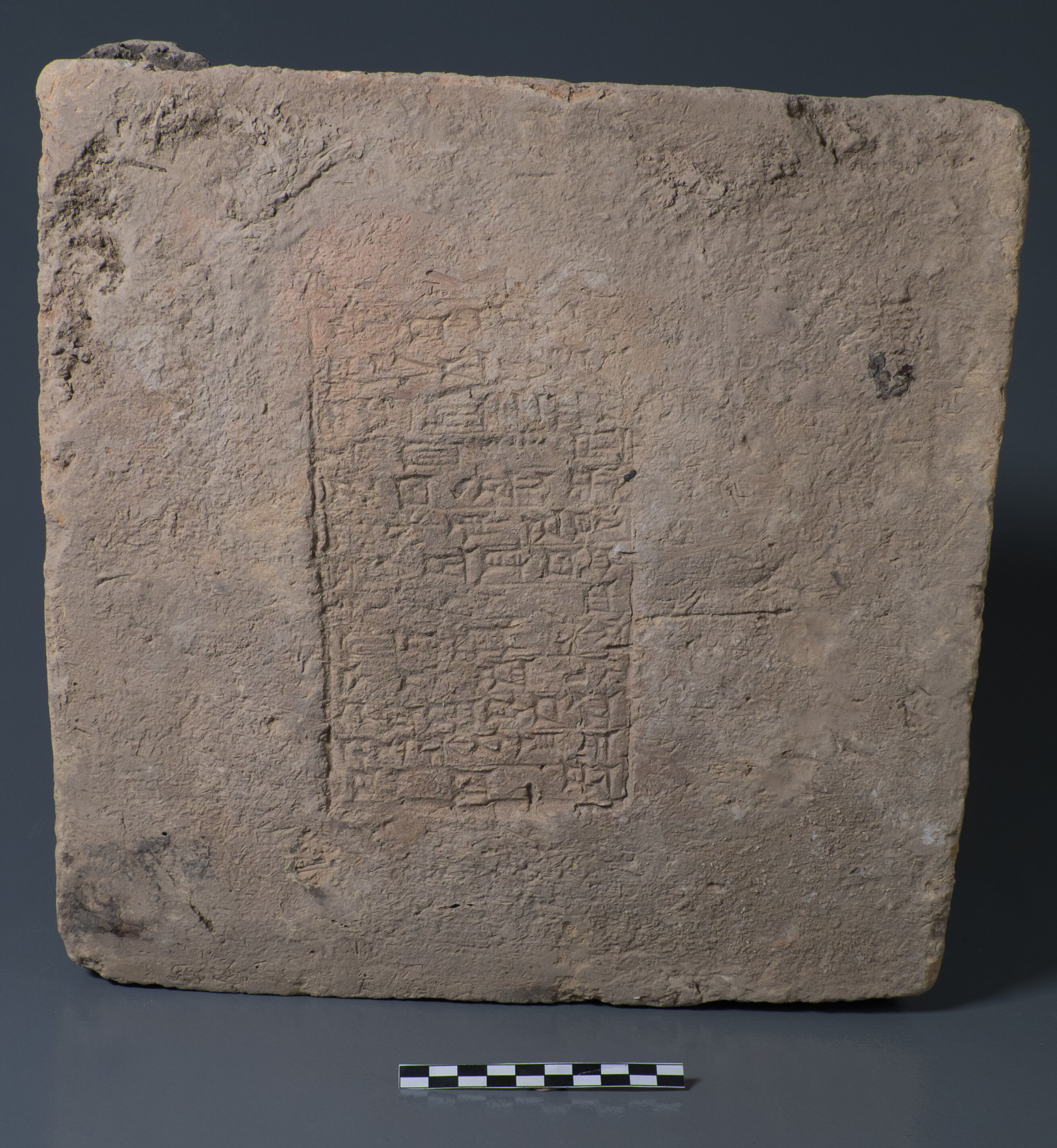
Ancient Mesopotamian bricks inscribed with the names of kings have provided valuable insights into changes in Earth's magnetic field 3,000 years ago. By analyzing the magnetic signatures imprinted on iron oxide grains within the bricks, researchers were able to reconstruct the historical map of the Earth's magnetic field. This technique, known as archaeomagnetism, offers a new tool for dating artifacts that previously couldn't be dated accurately. The study also confirmed the existence of the "Levantine Iron Age geomagnetic Anomaly" and helped pinpoint the reigns of ancient kings. Additionally, the research suggests that rapid spikes in the Earth's magnetic field intensity are possible.
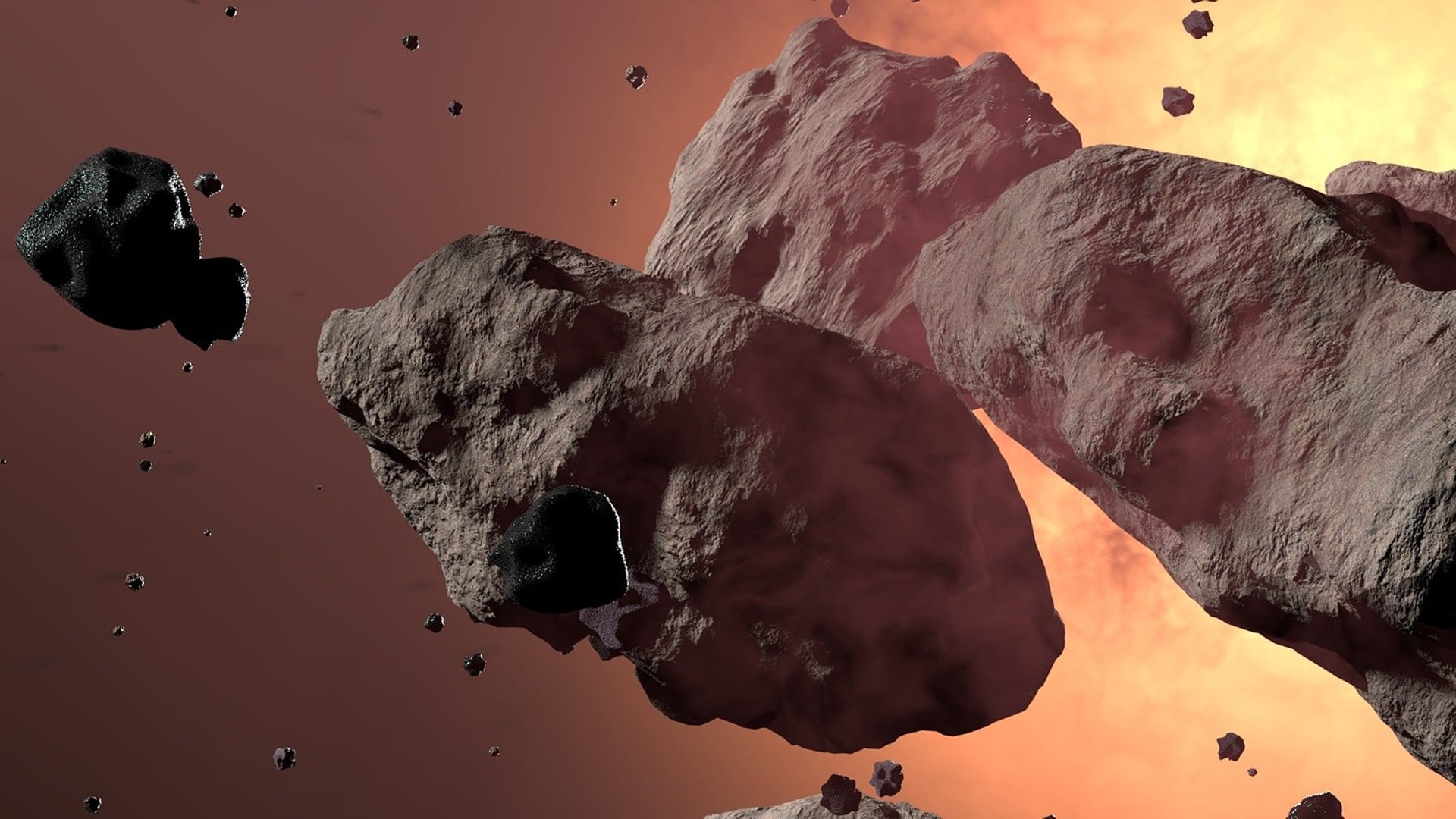
Chunks of Mars rocks have been reaching Earth, but their age has been a mystery due to conflicting dating results. However, scientists have developed a method to correct for argon contamination and refine the age estimates of the rocks. The results suggest that the Mars rocks are younger than previously believed, possibly due to frequent impacts on Mars breaking up the older surface and exposing younger rocks replenished by volcanic activity. This implies that Martian volcanic activity may still be ongoing. Studying these rocks can help scientists understand the formation of Earth and unravel the mysteries of Mars.
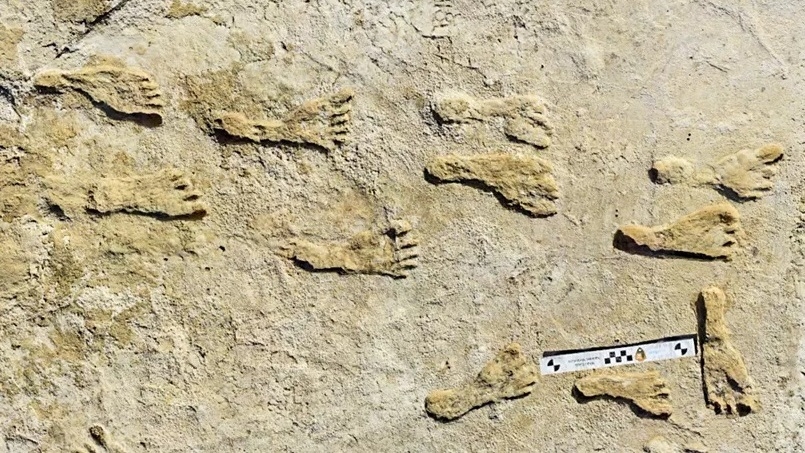
Fossilized human footprints found in New Mexico's White Sands National Park suggest that humans arrived in North America earlier than previously thought. The footprints, estimated to be between 21,000 and 23,000 years old, challenge the prevailing belief that humans crossed from Siberia to Alaska towards the end of the last Ice Age. The study also raises questions about the coexistence of humans and megafauna and their role in extinction. Critics have challenged the dating technique used, but new evidence from carbon-dating tree pollen supports the original findings. The debate continues, but the research highlights the need for inclusivity and the involvement of Indigenous voices in studying early Americans.