Tag

Cave Art

All articles tagged with #cave art

archaeology2 months ago

Neanderthals Used Ocher Crayons for Symbolic Art

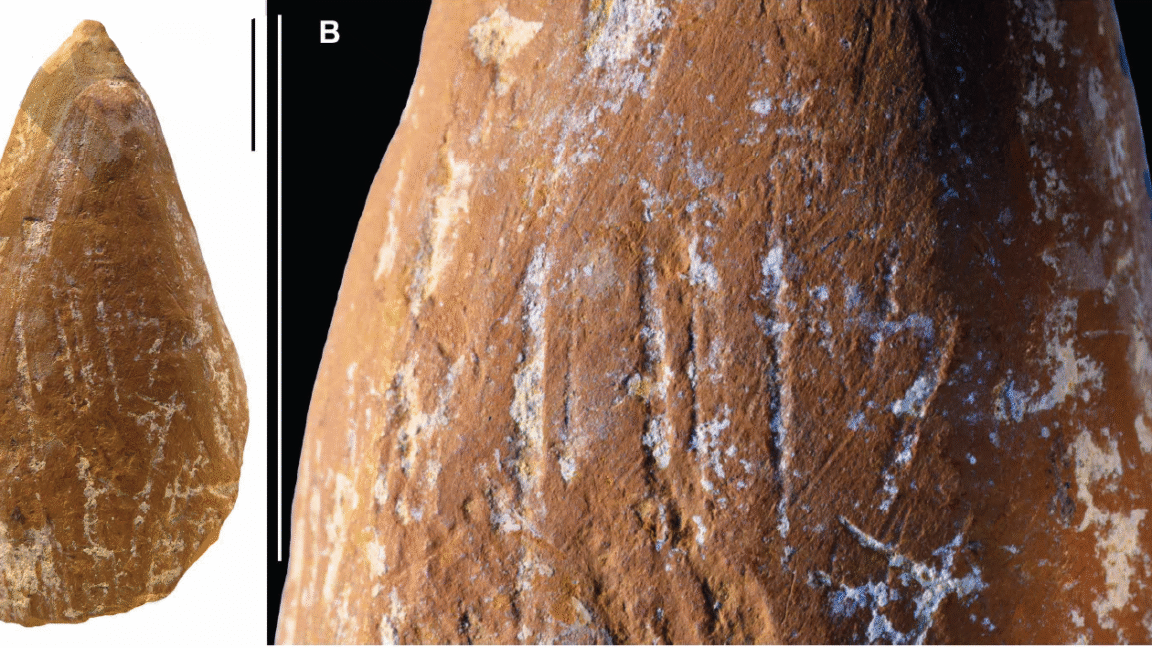
Evidence suggests Neanderthals made and used ocher crayons for drawing or marking, with wear marks indicating they were used on soft surfaces. A 73,000-year-old drawing from South Africa and carved ocher pieces from Crimea demonstrate that Neanderthals engaged in complex cultural and artistic activities, challenging the view that they lacked symbolic or aesthetic behavior.

archaeology2 years ago

"Pareidolia Unveiled: Ancient Cave Paintings Reveal Mind-Bending Illusions"

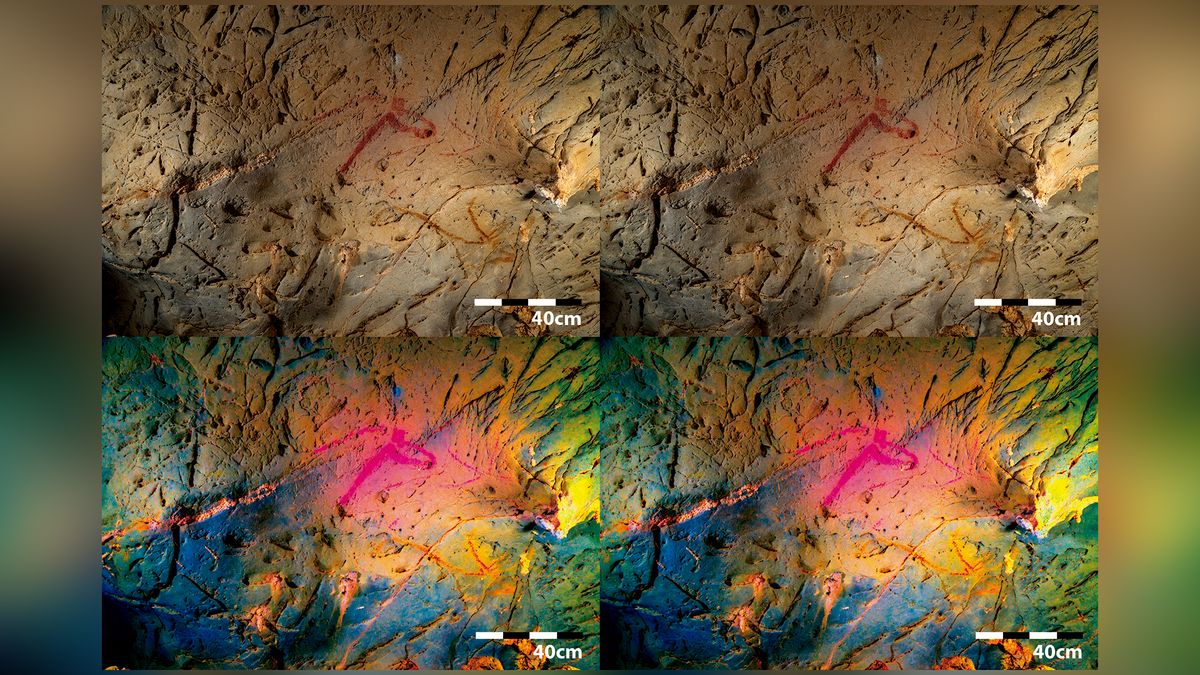
A new study suggests that Ice Age cave art, dating back 40,000 years, was influenced by pareidolia, a phenomenon where humans see meaningful shapes in random patterns. Researchers found that many cave paintings in Northern Spain incorporated natural features of the cave walls, indicating that artists were influenced by both pareidolia and their own creativity. The study also explored the role of lighting conditions and advances our understanding of the experiences and influences of Upper Palaeolithic artists.

archaeology2 years ago

"Remarkable Discovery: Ancient Human Nest Unearthed in French Cave System"

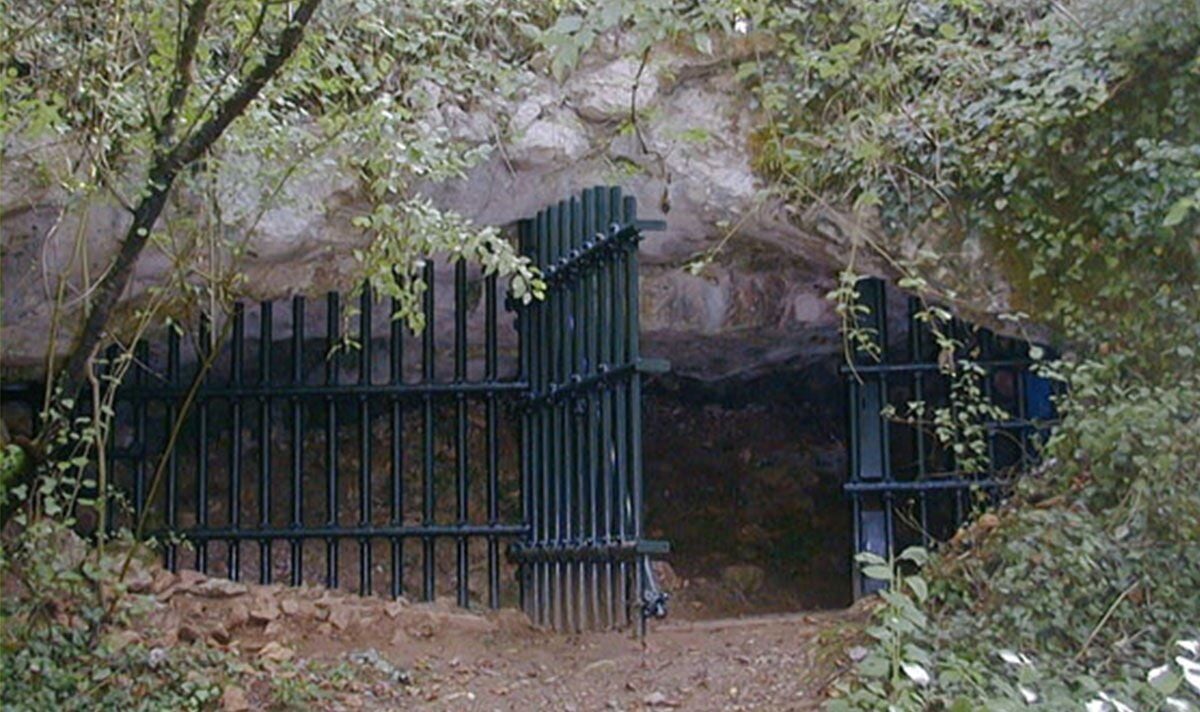
Archaeologists have made a stunning discovery in the Grotte de Cussac cave in France, where the remains of prehistoric hunter-gatherers were found in man-made "nests" deep inside the cave system. The skeletons, belonging to the Gravettian culture of the European Upper Paleolithic, shed light on burial rituals and provide insights into the social complexity of Paleolithic humans. The cave is also adorned with cave art, making it a unique site where mortuary rites and art likely coexisted. The findings offer valuable clues about our ancestors' way of life and death.

archaeology2 years ago

"Pareidolia's Influence on Ancient Cave Art Revealed"

Research conducted by Durham University suggests that pareidolia, a psychological phenomenon where people see meaningful forms in random patterns, may have influenced early human cave art. The study examined paintings of animals in caves in Northern Spain and found that over 50% of the depictions showed a strong relationship to the natural features of the cave wall and were simple in nature, indicating that pareidolia guided the artists' creations. However, the researchers also believe that the art may have been a result of a "creative conversation" between the artists and the cave walls, with both pareidolia and individual creativity playing a role. This study offers the first systematic testing of the theory that pareidolia influenced cave art and utilizes simulated lighting conditions in virtual reality.

archaeology2 years ago

Unveiling the Evolution of Ancient Art: From Hidden 3D Animals to Changing Pigments

Researchers have used stereoscopic photography, a centuries-old technique, to identify hidden animal figures on the walls of a cave in Spain. The method involves taking pairs of high-resolution photographs that can be viewed together to create a 3D image. Through this technique, archaeologists discovered previously unseen depictions of horses and an extinct cattle species. The photographs provide a more accurate representation of how the art would have been perceived by the cave's creators, offering new insights into the creative process of Paleolithic cave artists.

archaeology2 years ago

Ancient Neanderthal Engravings Found in French Cave

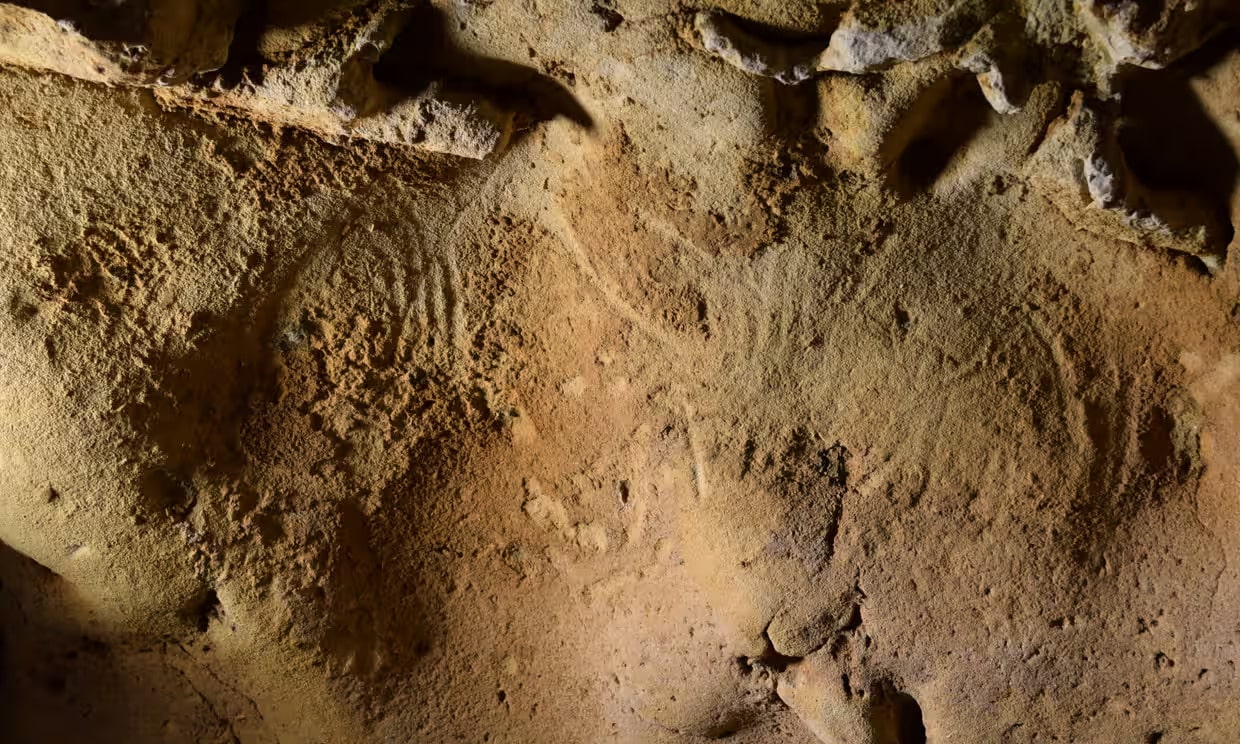
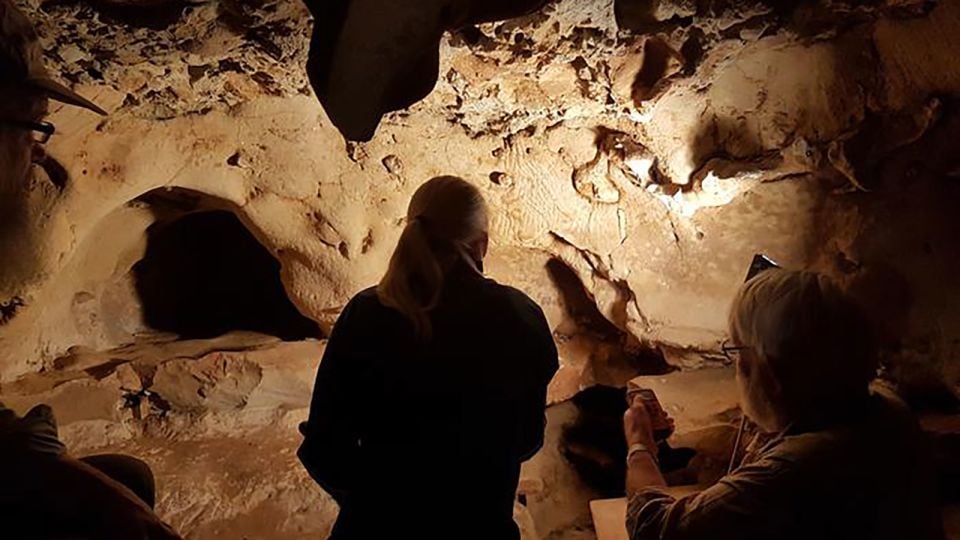
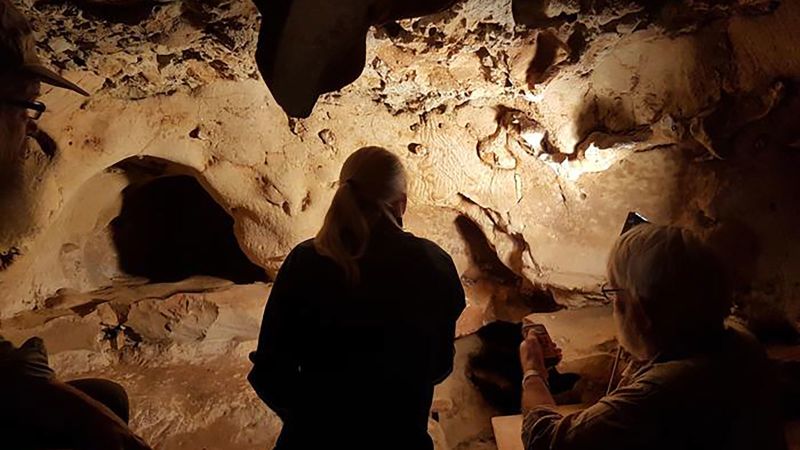
The oldest known engravings made by Neanderthals have been discovered on a cave wall in France, dating back over 57,000 years. The markings, consisting of faint stripes, dots, and wavy lines, were analyzed and confirmed to be the intentional creations of Neanderthals. The cave, located in the Loire Valley, was sealed up with the engravings inside at least 57,000 years ago, predating the arrival of Homo sapiens in the region. This discovery adds to the growing evidence of the cultural sophistication and artistic expression of Neanderthals, challenging previous assumptions about their capabilities.

science2 years ago

Neanderthals' engravings found in French cave.

Lines, swirls, and dots on the walls of a cave in France are the oldest known engravings by Neanderthals, according to a new analysis of the ancient marks. Researchers believe the markings "demonstrate a deliberate creative process." The finding adds to a growing body of evidence that Neanderthals were creative beings and more complex than the stereotype suggests. The engravings were made at least 57,000 years ago when the cave became sealed off, and all stone tools within the cave are Mousterian, a style associated with Neanderthals.

science2 years ago

Oldest Neanderthal engravings discovered in French cave.

Lines, swirls, and dots on the walls of a cave in France are the oldest known engravings by Neanderthals, according to a new analysis of the ancient marks. Researchers believe the markings "demonstrate a deliberate creative process." The finding adds to a growing body of evidence that Neanderthals were creative beings and more complex than the stereotype suggests. The researchers made detailed 3D models of the engravings from photographs of the Loire Valley's La Roche-Cotard cave using a process known as photogrammetry.

archaeology2 years ago

Neanderthal Finger Paintings: Oldest Engravings Found in European Cave.

Archaeologists have discovered a series of engravings on a cave wall in France, believed to have been made by Neanderthals using their fingers around 57,000 years ago. These could be the oldest such marks yet found, providing further evidence that Neanderthals' behavior and activities were far more complex and diverse than previously believed. The ability to use symbols and create art did not originate with modern humans, as evidence of Neanderthal symbolic thinking and planning has been piling up for several years.

archaeology2 years ago

Neanderthals Identified as Creators of World's Oldest Cave Engravings.

Researchers have discovered the world's oldest known engravings made by humans in a cave in France, dating back 57,000 years. The engravings, consisting of "finger-flutings," were made by Neanderthals, not Homo sapiens, and are deliberate and intentional shapes created by hands. The cave also contains stone tools fashioned in a style associated with Neanderthals, suggesting it was a well-used site for a community of prehistoric humans. The discovery adds to the growing evidence that Neanderthals were intelligent and creative creatures.

archaeology2 years ago

Neanderthals' 75000-year-old intentional engravings found in cave

Researchers have confirmed that the finger-flutings on the walls of La Roche-Cotard cave in France are the oldest known Neanderthal cave decorations in France, estimated to be about 75,000 years old. The engravings make La Roche-Cotard the oldest decorated site in France and possibly Europe. The team used optically stimulated luminescence to date the cave and found that it was sealed about 57,000 years ago, but the markings could be as old as 75,000 years. The fact that the cave had been sealed until 1846 means that these are unequivocally Neanderthal marks.