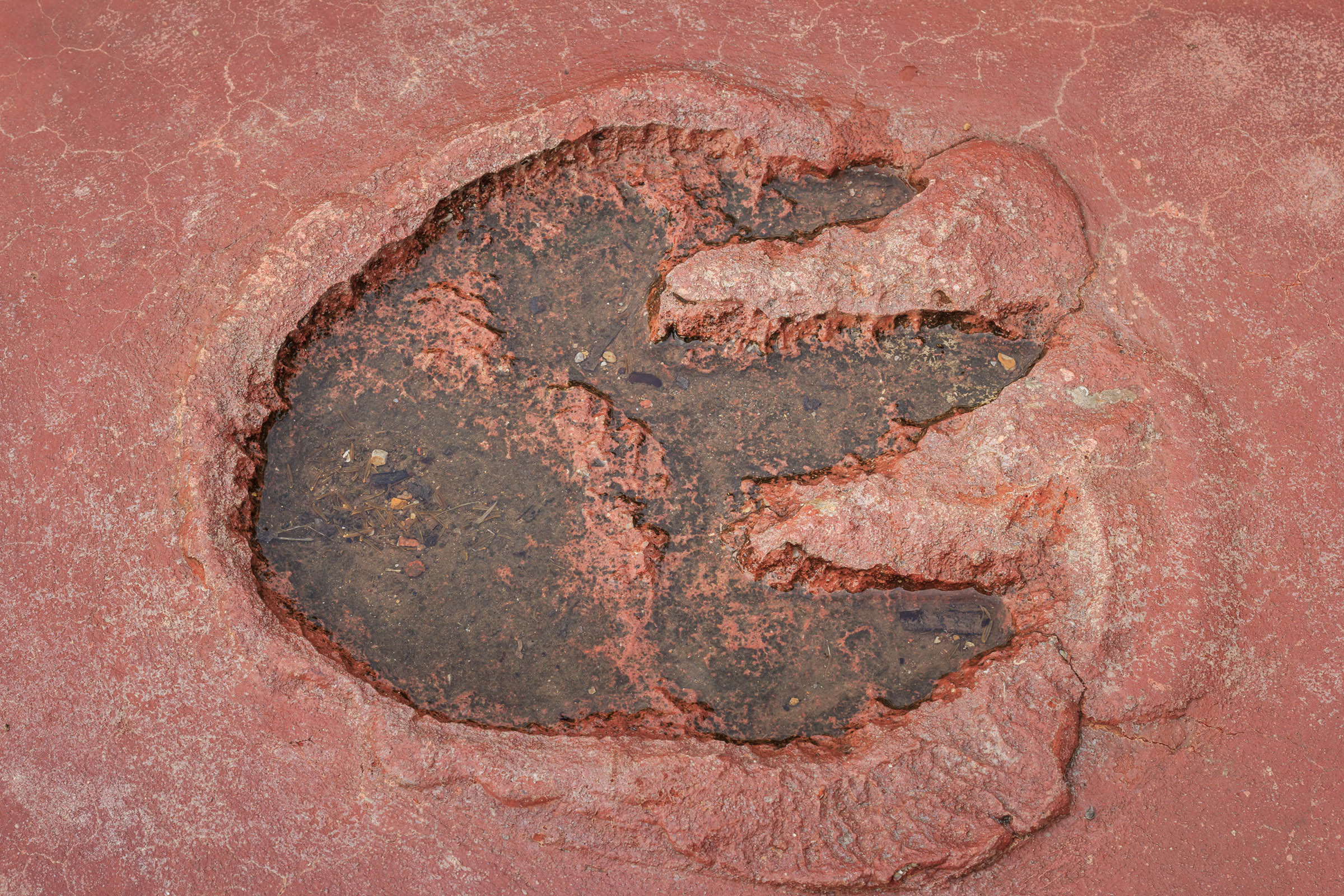
Fossilized footprints discovered in Africa reveal that two extinct hominin species coexisted approximately 1.5 million years ago, providing new insights into human evolution and the diversity of early human ancestors.
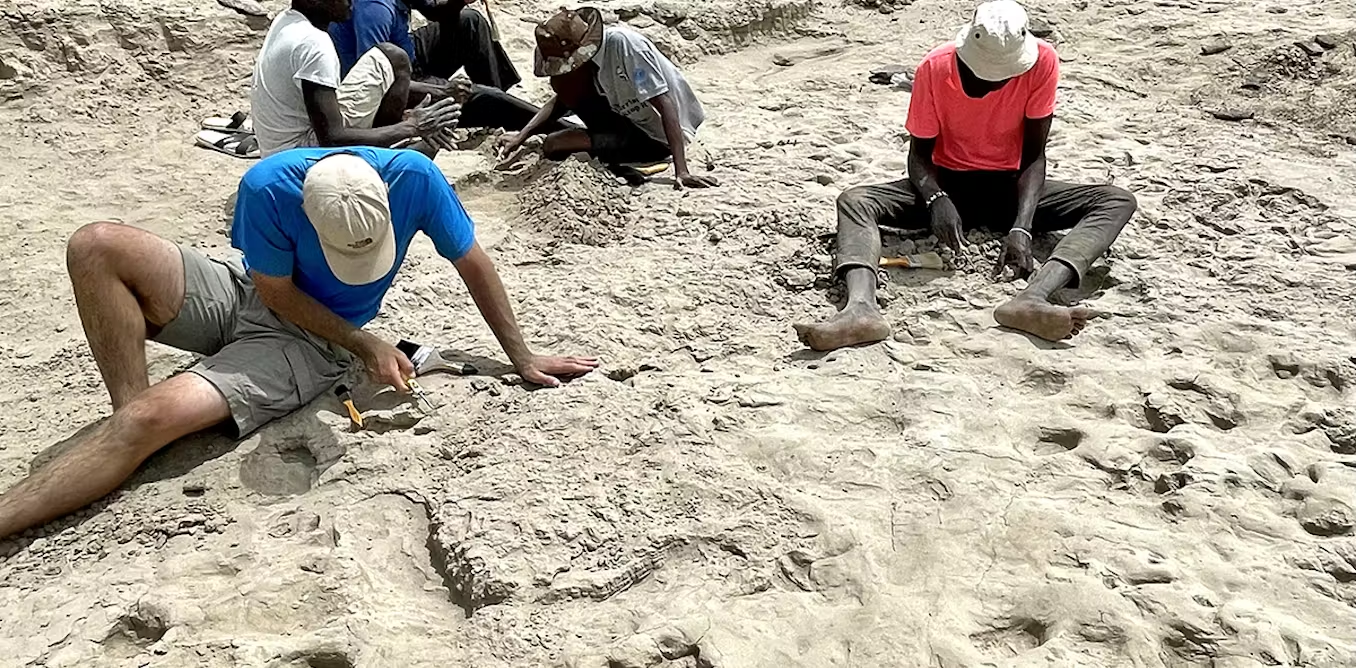
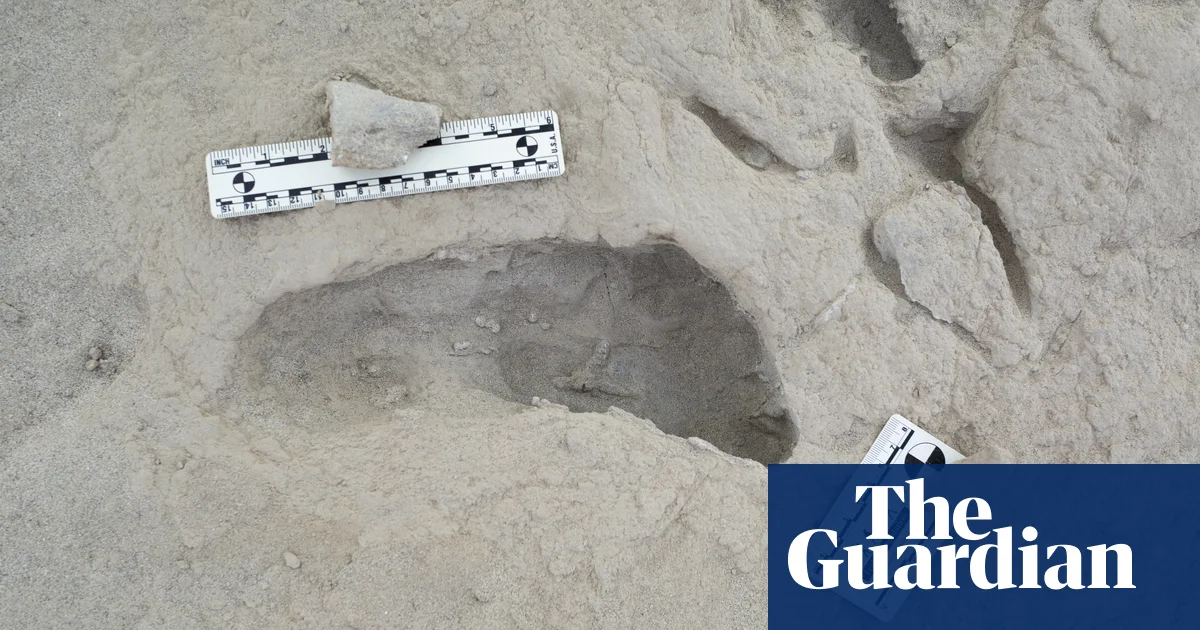
Researchers have discovered fossilized footprints in Kenya's Turkana Basin, indicating that two different hominin species, Homo erectus and Paranthropus boisei, coexisted in the same area about 1.5 million years ago. This finding provides the first direct evidence of these species sharing the same landscape, raising questions about their interactions. The footprints suggest that while Homo erectus is an ancestor of modern humans, Paranthropus boisei, known for its large teeth, is a side branch of the human family tree.
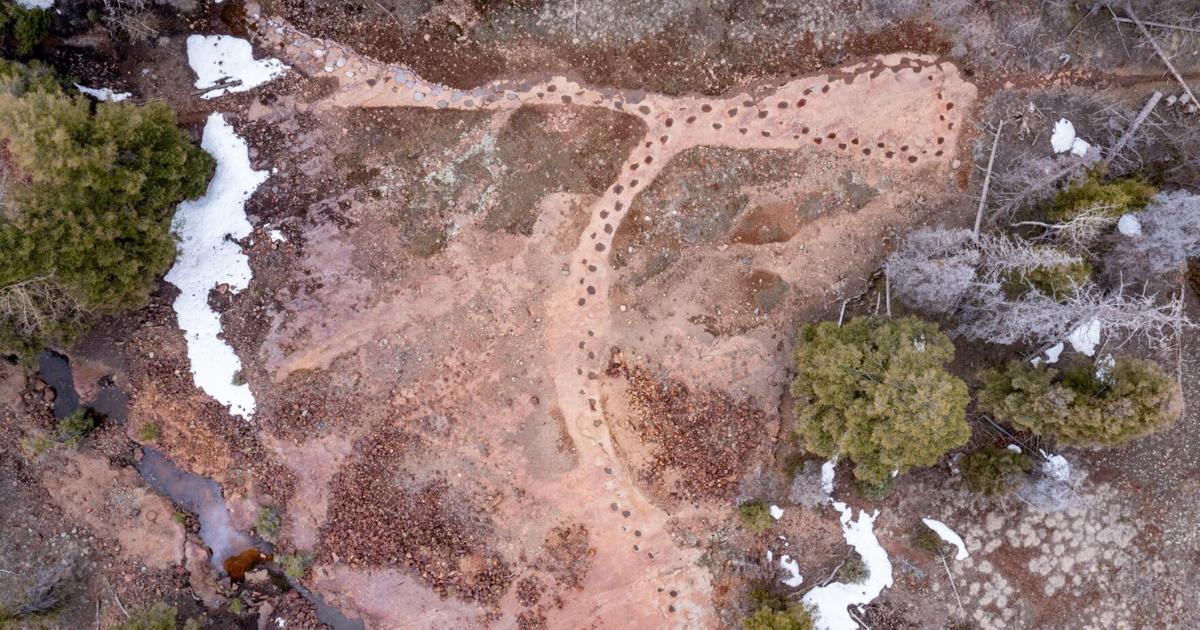
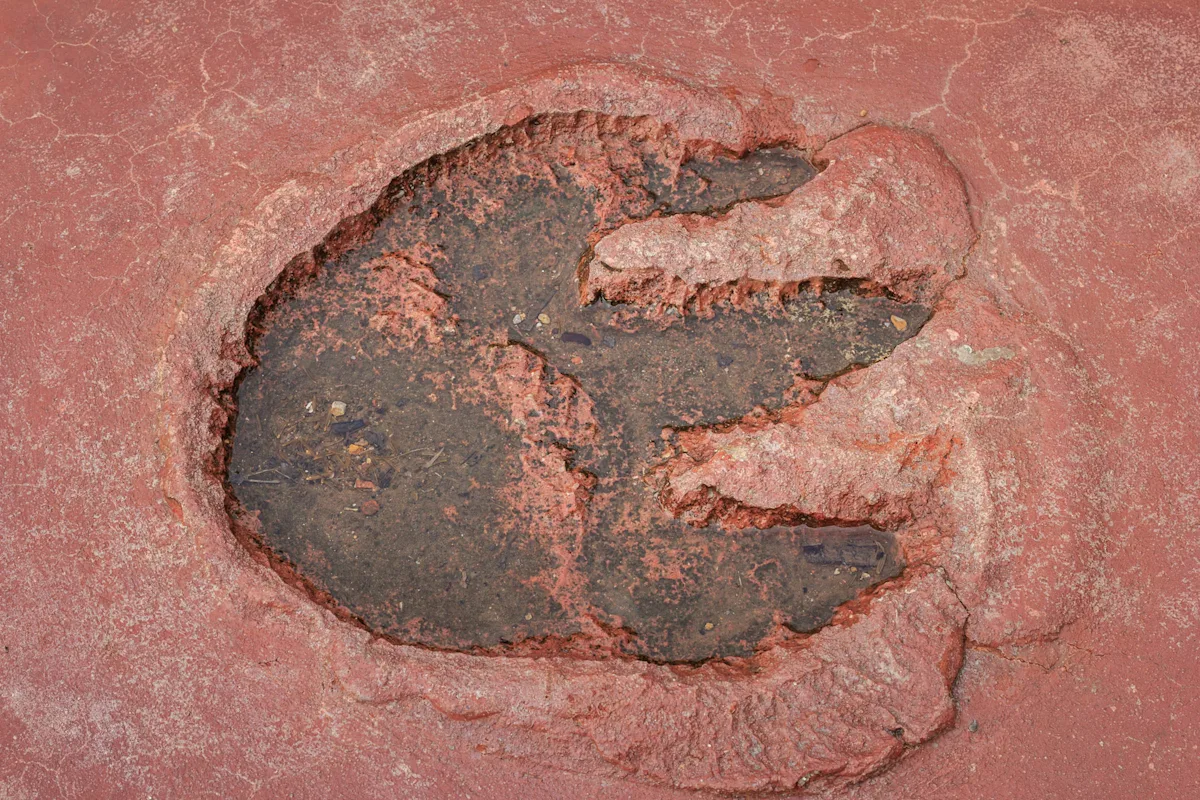
The Grand Mesa, Uncompahge, and Gunnison National Forests have acquired 27 acres of land in Ouray County, Colorado, including a trackway featuring 134 fossilized dinosaur footprints left by a long-neck sauropod dinosaur over 150 million years ago. The acquisition aims to protect this valuable scientific resource and provide an opportunity for the public to connect with the distant past. The site, known as the West Gold Hill Dinosaur Tracksite, will be open to the public, accessible via the steep and rugged Silvershield trail, with plans to add signage and improve access. This adds to Colorado's collection of prehistoric sites, including the Picket Wire Canyonlands tracksite in southeast Colorado.
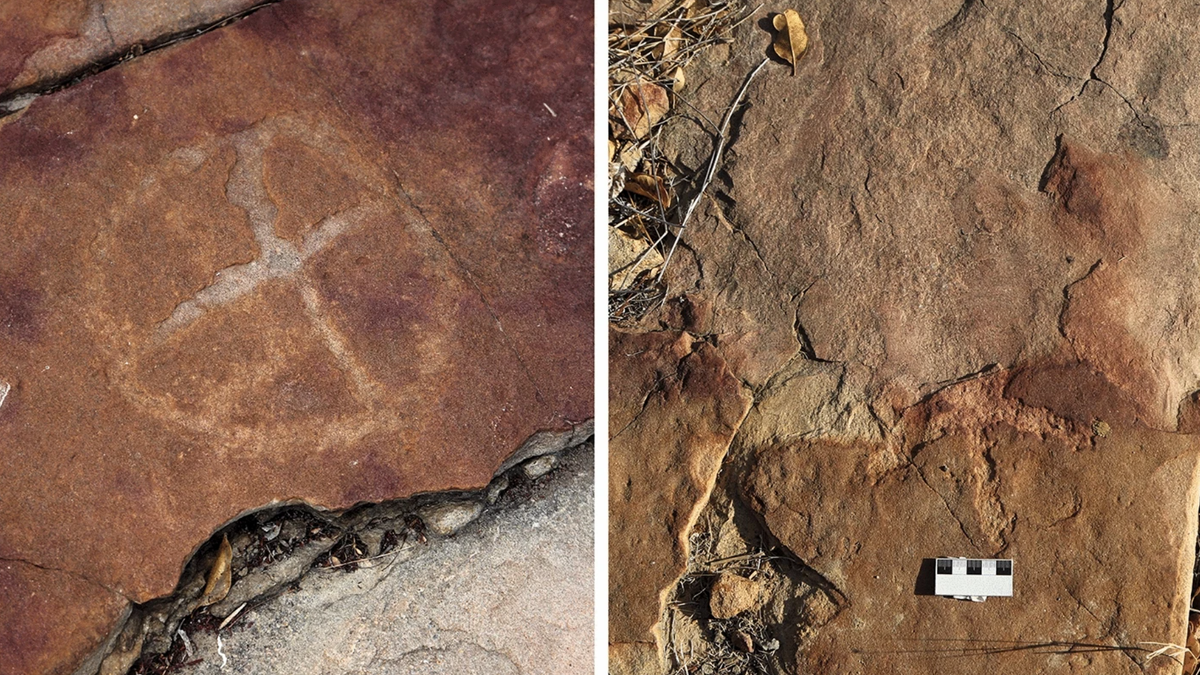
Ancient South Americans in eastern Brazil created petroglyphs next to fossilized dinosaur tracks, possibly inspired by the movements of theropods, sauropods, and iguanodontians tens of millions of years earlier. The petroglyphs, primarily circular patterns, were found near human burials dating back to 10,000 years ago, indicating a wide timeframe for their creation. The proximity of the petroglyphs to the footprints suggests active engagement with the fossil material, and the petroglyphs were made by multiple individuals. The ancient communities may have mistaken the dinosaur trackways for rhea footprints, but the significance of the prints is evident in the artwork placed alongside them.
Dr. Martin Gaudin Lockley, a Denver-based paleontologist, revolutionized the field of paleoichnology by studying fossilized dinosaur footprints. His research on tracksites around the world significantly advanced our understanding of dinosaur behavior, including courtship, parenting, migration, and herding. Lockley's work attracted professional attention and public excitement, making him the gold standard for identifying dinosaur tracks. He co-founded nonprofits, research institutes, and a Dinosaur Track Museum, and received numerous awards for his contributions. Lockley's legacy will be honored with the renaming of the Discovery Center at Dinosaur Ridge and an exhibit featuring his personal collection.
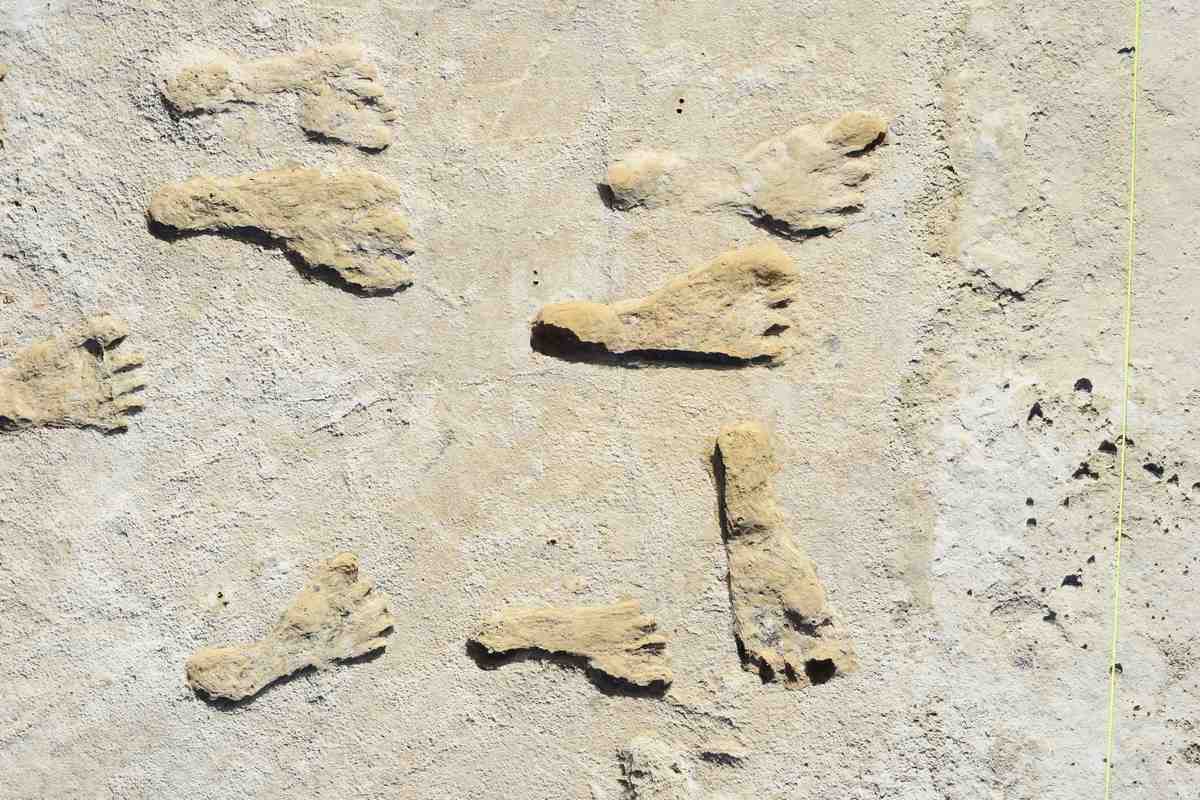
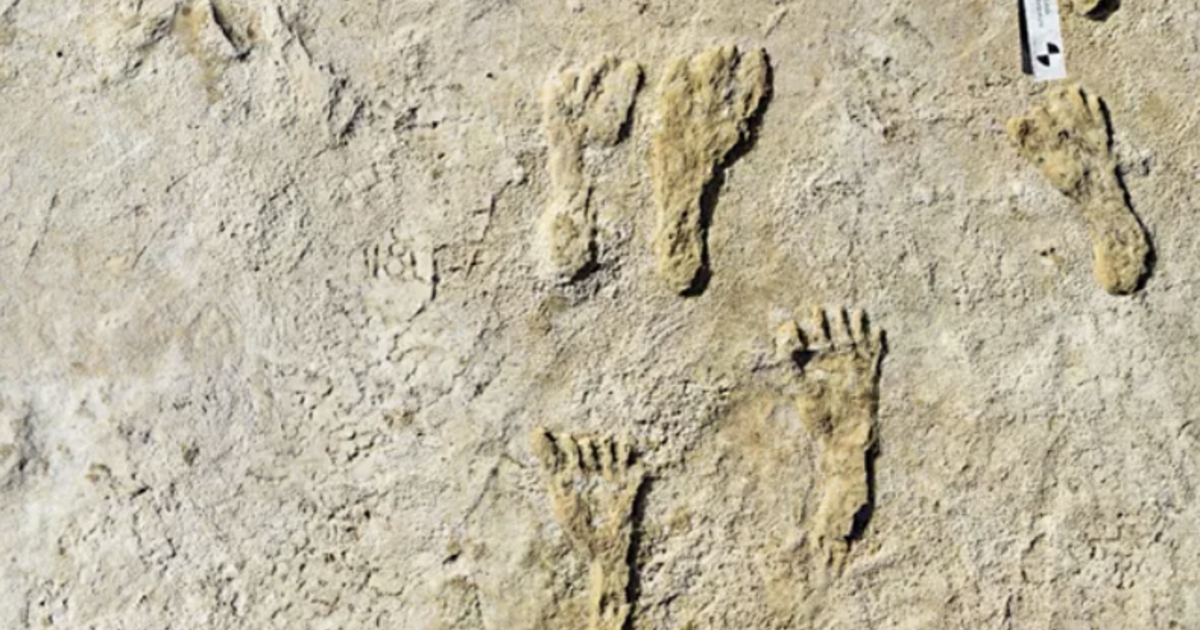
A new study using a different dating method has confirmed that fossilized human footprints found in White Sands, New Mexico are at least 21,000 years old, pushing back the timeline of human presence in North America during the Last Glacial Maximum. The study used radiocarbon dating of conifer pollen, which provided statistically identical ages to the original seed dating. Additionally, optically stimulated luminescence dating of quartz grains further supported the radiocarbon results. The footprints, which include those of a female and a toddler, suggest a division of labor among early humans, with teenagers and children responsible for "fetching and carrying" tasks.
Scientists have confirmed that fossilized footprints found in New Mexico's White Sands National Park are between 21,000 and 23,000 years old, indicating that humans existed in North America much earlier than previously believed. The researchers used multiple lines of evidence, including radiocarbon dating of seeds and conifer pollen, as well as optically stimulated luminescence dating of quartz grains, to establish the age range. This discovery challenges the previous belief that humans arrived in North America around 13,500 to 16,000 years ago.
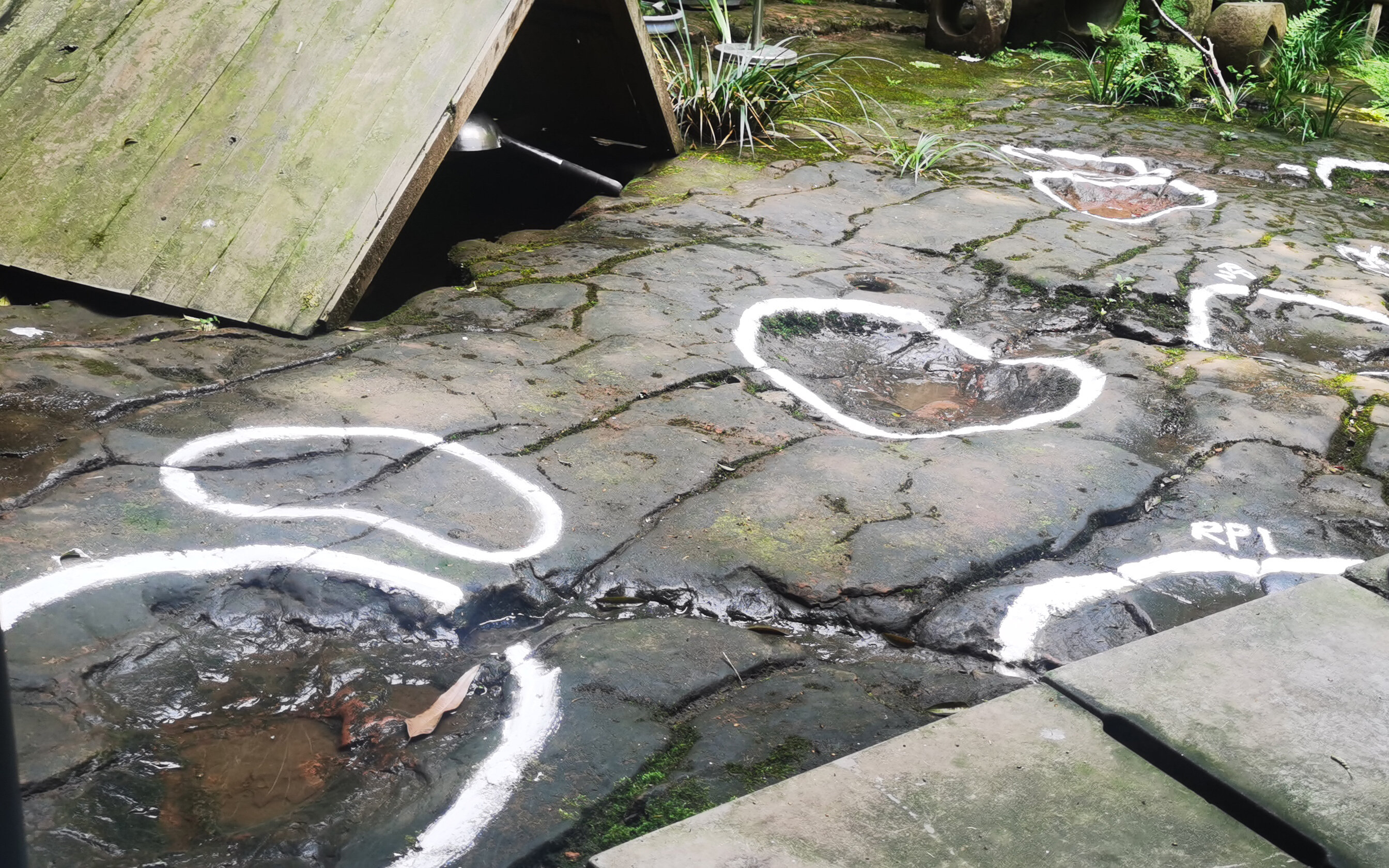
Fossilized footprints of long-necked sauropod dinosaurs, estimated to be around 10 meters long, have been discovered in the outdoor courtyard of a restaurant in Sichuan Province, China. The footprints were observed in the 1950s but were covered over and went unnoticed until a curious diner pointed them out last year. The footprints provide invaluable information about the types of dinosaurs that lived in the area, as the region has no skeletal record of dinosaurs. The discovery highlights the importance of everyday people making valuable scientific discoveries.
Fossilized footprints of an ancient giant amphibian that existed over 250 million years ago have been discovered in South Africa. The rhinesuchid temnospondyls existed during the late Permian Period and had bodies similar to crocodiles or massive salamanders. The footprints show that the creature swam like a crocodile and tucked its feet while swimming. This discovery provides insight into Earth's earlier days and helps fill in gaps about this period.
Fossilized footprints of an ancient giant amphibian that existed over 250 million years ago have been discovered in South Africa. The rhinesuchid temnospondyls existed during the late Permian Period and had bodies similar to crocodiles or massive salamanders. The footprints show that the creature swam like a crocodile and tucked its feet while swimming. This discovery provides insight into Earth's earlier days and helps fill in gaps about this period.
Fossilized footprints of an ancient giant amphibian that existed over 250 million years ago have been discovered in South Africa. The rhinesuchid temnospondyls existed during the late Permian Period and had bodies similar to crocodiles or massive salamanders. The footprints show that the creature swam like a crocodile and tucked its feet while swimming. This discovery provides insight into Earth's earlier days and helps fill in gaps about this period.
Fossilized footprints of an ancient giant amphibian that existed over 250 million years ago have been discovered in South Africa. The rhinesuchid temnospondyls existed during the late Permian Period and had bodies similar to crocodiles or massive salamanders. The footprints show that the creature swam like a crocodile and tucked its feet while swimming. The discovery provides insight into Earth's earlier days and helps fill in gaps about this period.
Fossilized footprints of an ancient giant amphibian that existed over 250 million years ago have been discovered in South Africa. The rhinesuchid temnospondyls existed during the late Permian Period and had bodies similar to crocodiles or massive salamanders. The footprints show that the creature swam like a crocodile and tucked its feet while swimming. This discovery provides insight into Earth's earlier days and helps fill in gaps about this period.