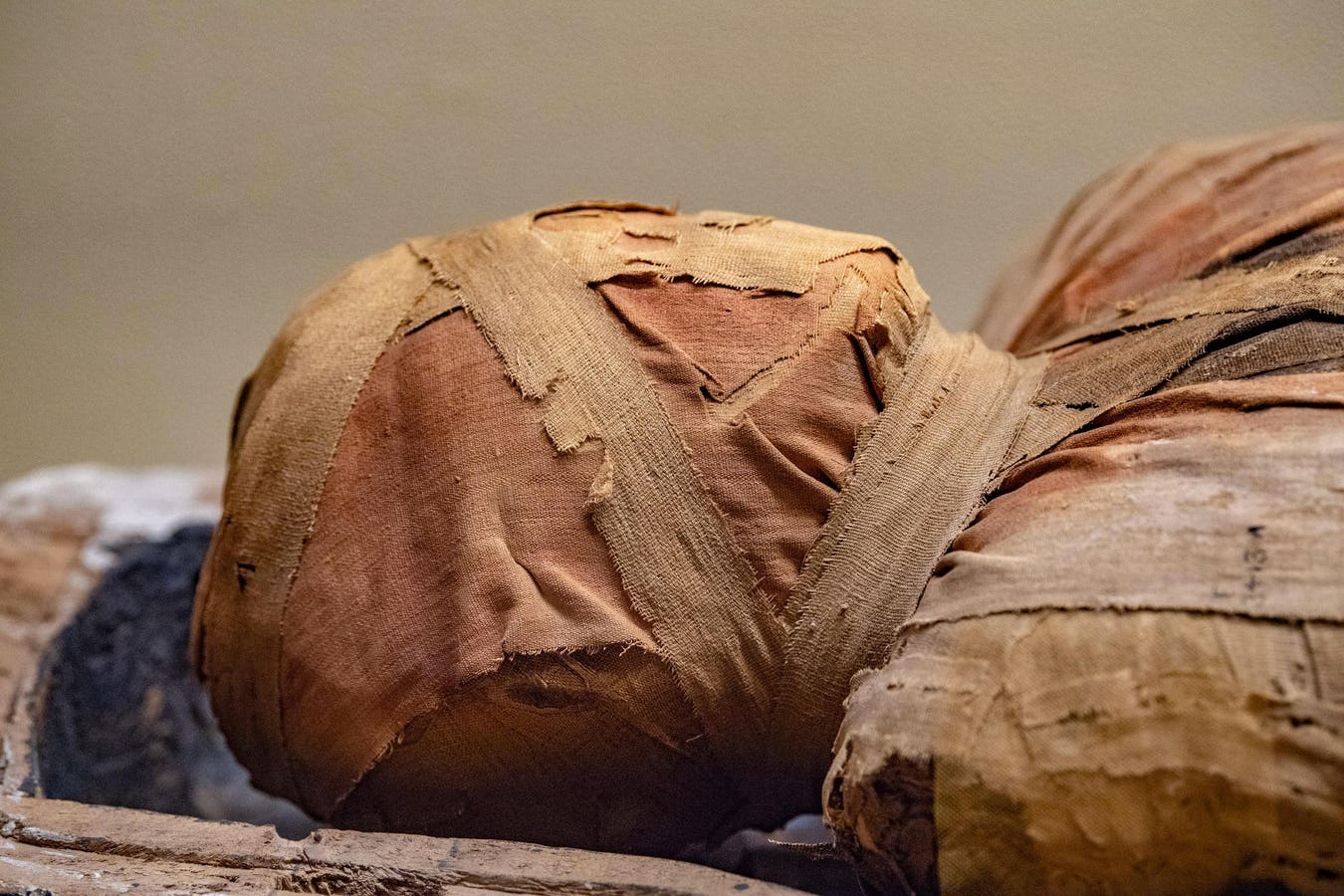
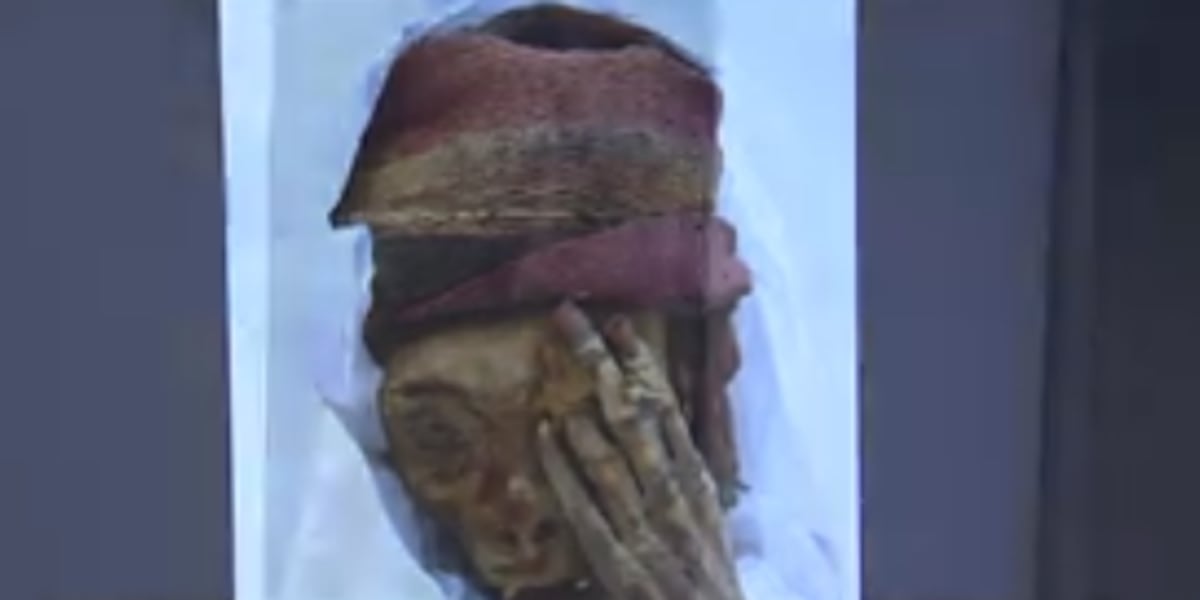
A study published in the European Heart Journal found that 37.6% of 237 mummies from various ancient cultures, spanning over 4,000 years, showed evidence of atherosclerosis, indicating that heart disease and stroke are not just modern phenomena but have long been present in human history.
Cardiologists, including Dr. Randall Thompson from Saint Luke’s Mid America Heart Institute, have discovered evidence of heart disease in mummies dating back over 4,000 years, suggesting that atherosclerosis is an inherent human condition. The Global HORUS Study, published in the European Heart Journal, analyzed CT scans of 237 mummies from various ancient cultures, finding significant instances of arterial plaque. This research highlights the long-standing nature of heart disease and underscores the importance of modern preventive health measures.
Tattoos have fascinating scientific and historical meanings, from Ötzi the Iceman's 5,300-year-old tattoos being recreated using primitive techniques to color-changing inks that track glucose levels. Scientists have also discovered ancient Christian body art in Sudan, succeeded in tattooing gold onto living tissue, and developed quantum dot tattoos to track vaccine records. Additionally, there are advancements in colon tattoos for medical purposes and the discovery of the world's oldest tattoo tools made from bird bones in Tennessee.
Research astronomer Jay Reynolds discusses the historical significance of solar eclipses, including Christopher Columbus's use of an almanac to predict an eclipse and secure provisions. Various ancient cultures interpreted eclipses through superstition and mythology, with common themes of animals or mythic figures consuming the sun. The upcoming total solar eclipse on April 8 in Northeast Ohio is expected to last about 4 minutes, providing a rare spectacle. The article also delves into the historical and cultural significance of eclipses, from ancient Chinese beliefs to the experiences of different civilizations.
Astronomers suggest that the story of the Seven Sisters and Orion, found in various ancient cultures, may date back to 100,000 BCE, making it possibly the oldest story on Earth. The similarity in these myths from cultures with little historical contact is intriguing. Research indicates that the myth may have originated when the Pleiades star cluster appeared as seven stars, with one now too close to another to be distinguished. This finding raises the possibility that ancient human stories could have been shared around campfires in Africa thousands of years ago.
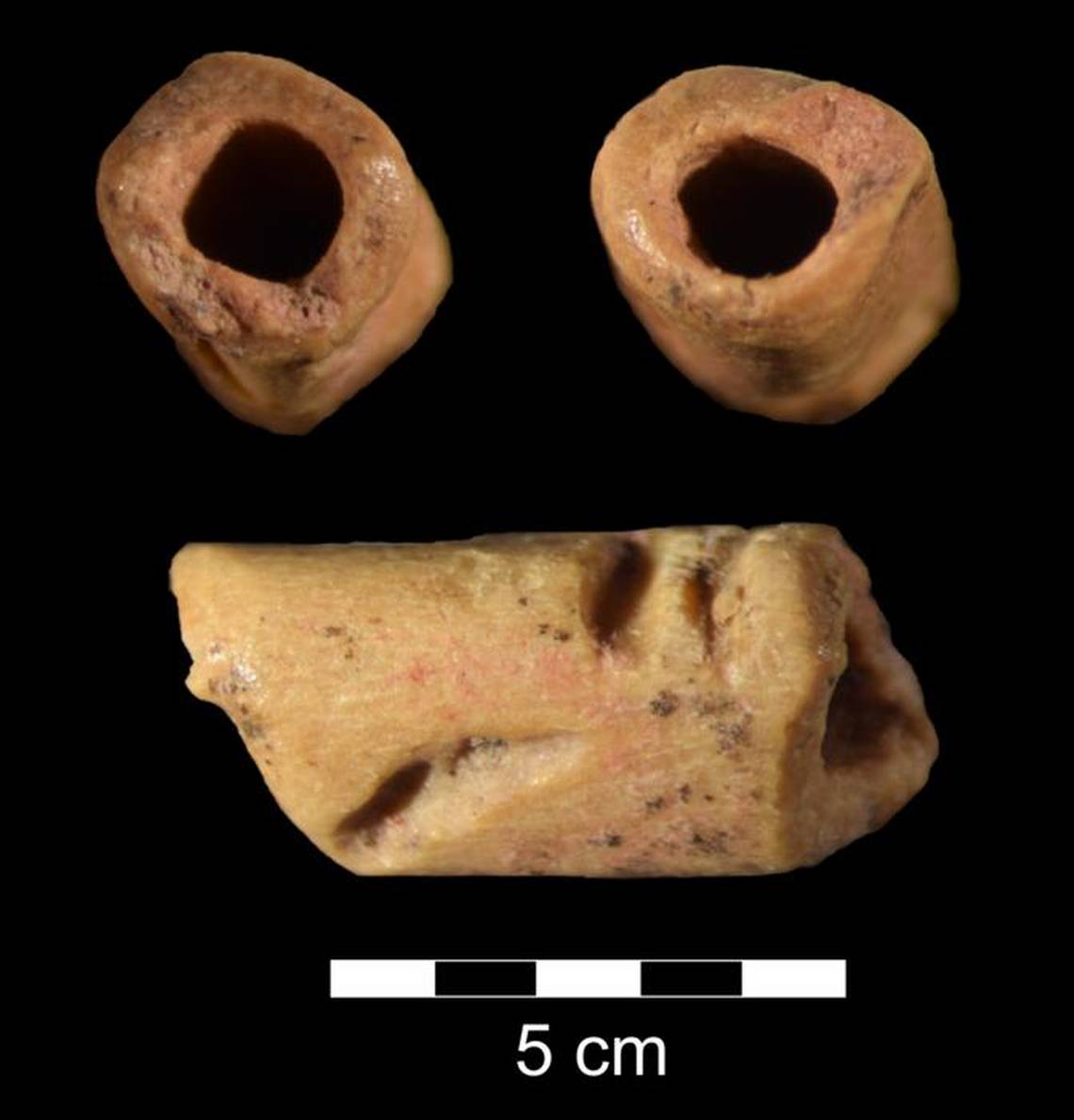
Archaeologists in Wyoming have discovered what may be the oldest known bead in North America, dating back 12,940 years to the Clovis era. Made of hare bone, the bead provides insight into the ancient peoples' use of animal bones for personal adornment. Found at a mammoth hunters' campsite, the tube-shaped bead with small grooves on the outside offers a glimpse into prehistoric fashion and the resourcefulness of ancient cultures.
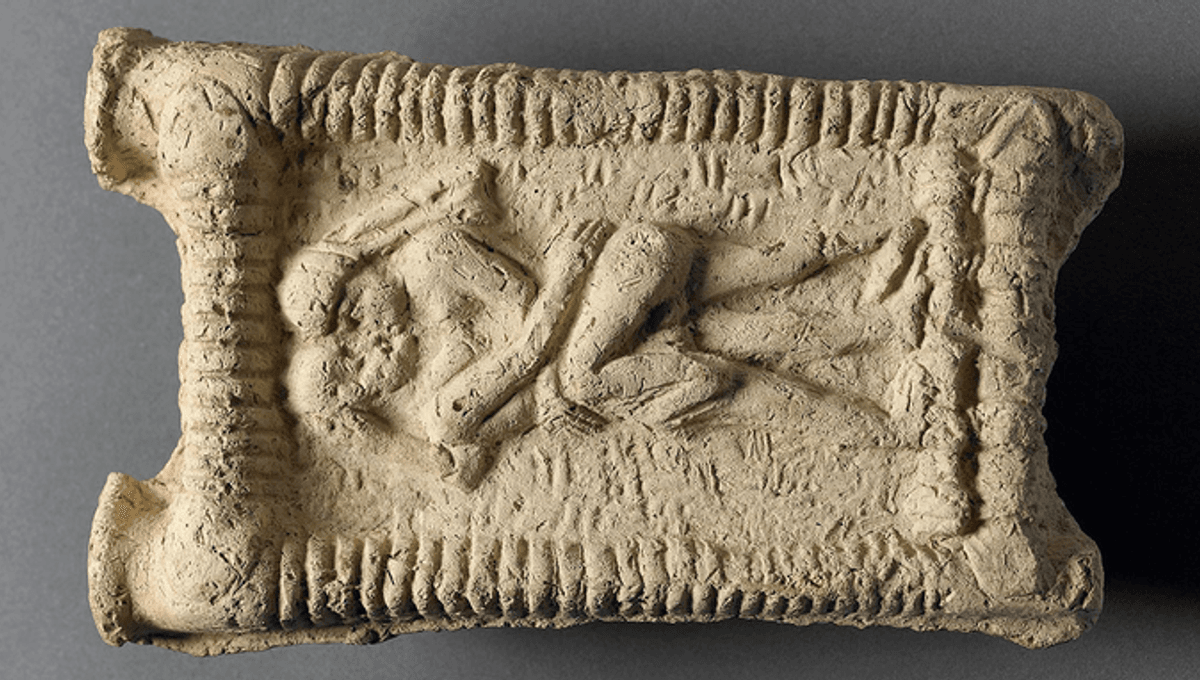
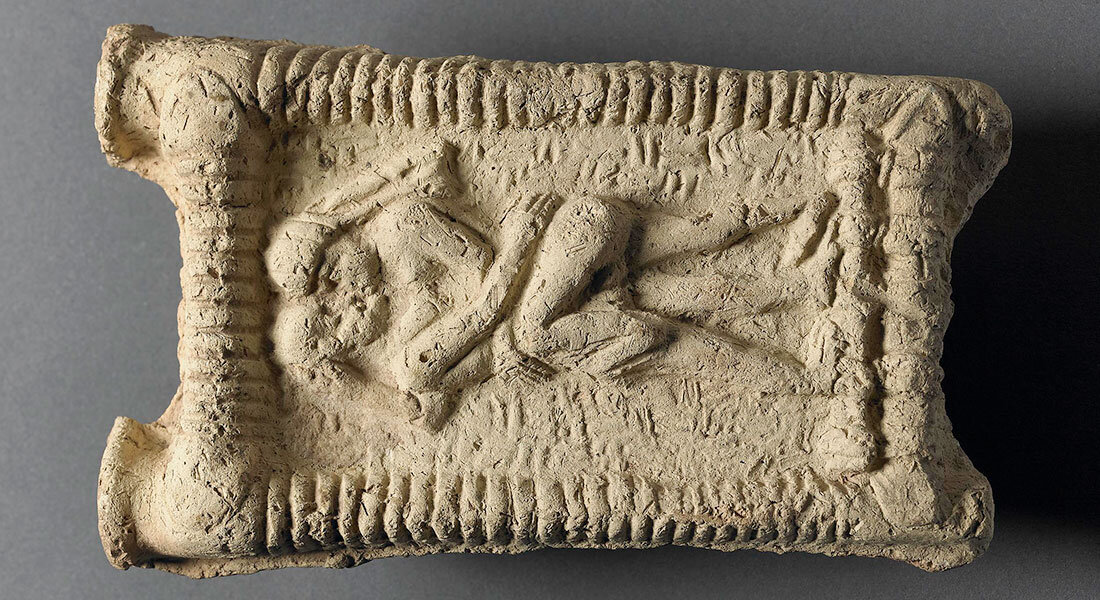
Danish historians have discovered evidence of the first mouth-to-mouth kiss on a clay tablet from ancient Mesopotamia, challenging previous beliefs that South Asia was the birthplace of kissing. The tablet reveals that lip-locking was practiced after lovemaking, rather than as foreplay, and suggests that the urge to kiss a lover is innate and has been observed in our primate relatives. This discovery sheds light on the cultural and historical significance of kissing in human history.
The earliest recorded kiss dates back at least 4,500 years to Mesopotamia, according to a new review paper in the journal Science. The researchers found accounts of kissing from Mesopotamia written in both the Sumerian and Akkadian languages, as well as a calcite sculpture in the British Museum called the “Ain Sakhri Lovers,” which is estimated to be about 11,000 years old. The act of kissing may have played a secondary and unintentional role throughout history by enabling disease-causing microorganisms to spread from one mouth to another.
The first recorded kiss can be traced back to 4,500 years ago in Mesopotamia, according to researchers. Ancient texts from around 2500 BCE describe kissing as part of romantic intimacy, friendships, and family relations. The authors of the article challenge recent research suggesting that the first kiss occurred in India 3,500 years ago, pointing to evidence of lip kissing in ancient Mesopotamia and Egypt. The practice of kissing may have evolutionary roots, as it has been observed in other primates. The researchers conclude that kissing was an ordinary part of everyday life in central parts of the ancient Middle East and was practiced by multiple ancient cultures for thousands of years, making it unlikely that the spread of herpes was caused by a sudden rise in smooching.
A new study claims that kissing was already a well-established practice 4,500 years ago in Mesopotamia, moving the earliest documentation for kissing back 1,000 years compared to what was previously acknowledged. The practice of kissing may have unintentionally played a role in the transmission of microorganisms, potentially causing viruses to spread among humans. However, the suggestion that the kiss may be regarded as a sudden biological trigger behind the spread of particular pathogens is more doubtful. Future research into ancient DNA will benefit from an interdisciplinary approach.