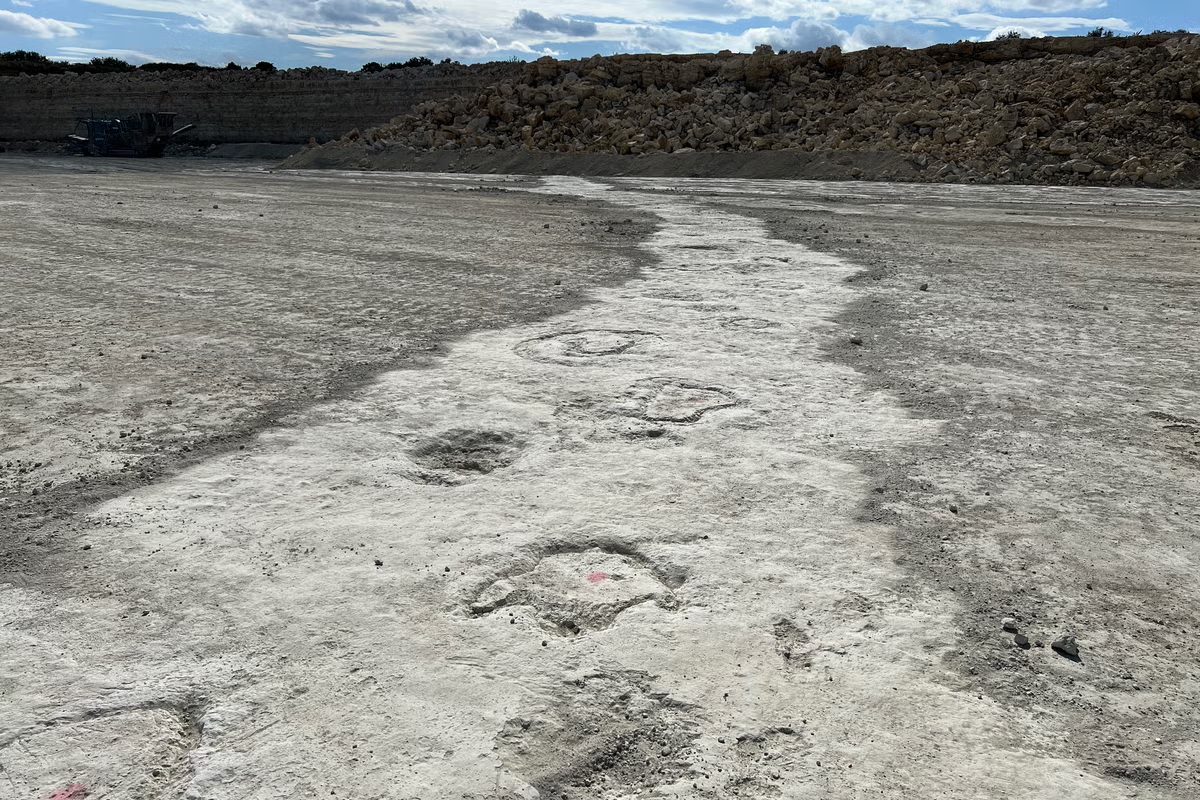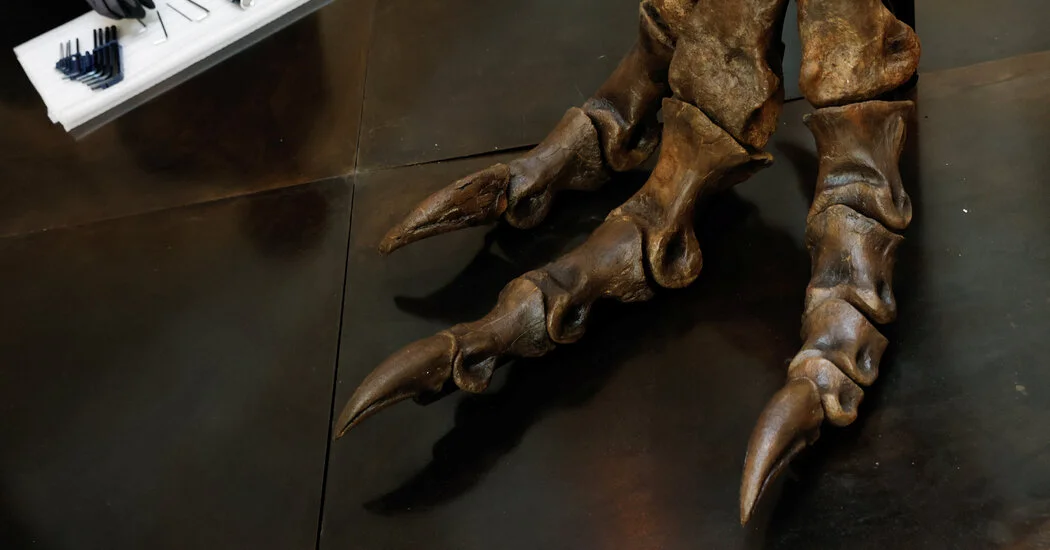
Extensive dinosaur trackways, including nearly 100 footprints from sauropods and Megalosaurs, have been discovered at Dewars Farm Quarry in Oxfordshire, dating back 171-165 million years, providing new insights into dinosaur movement and behavior in a Jurassic-era landscape.
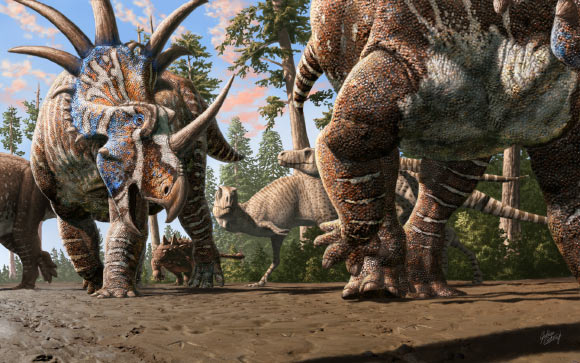
Paleontologists discovered 76-million-year-old footprints in Alberta, Canada, providing the first evidence of multispecies herding among dinosaurs, including ceratopsians, ankylosaurs, and tyrannosaurs, suggesting complex social behavior and possible defense strategies against predators.
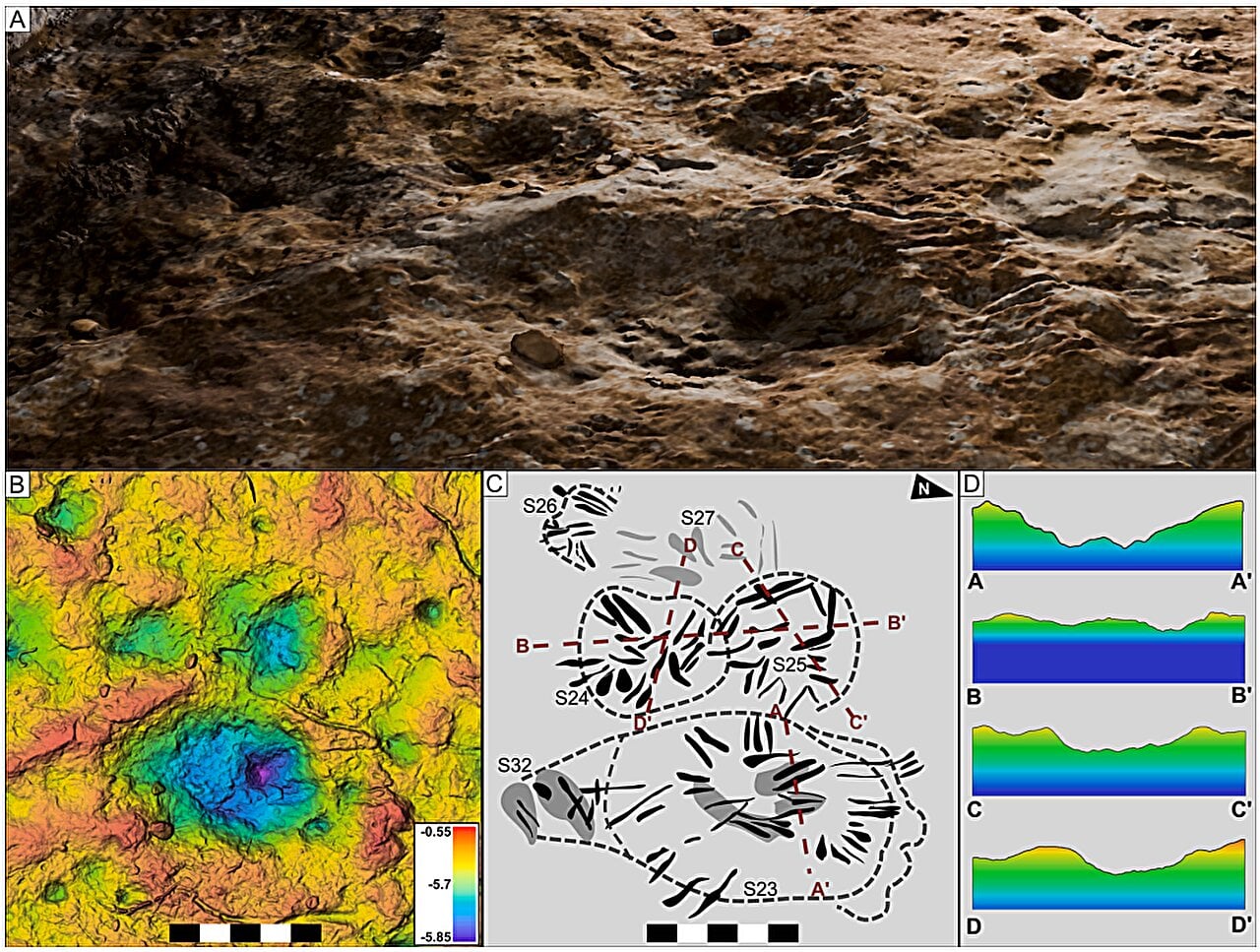
Researchers using drone imagery have identified what may be the largest dinosaur mating dance arena ever discovered at Colorado's Dinosaur Ridge, revealing multiple lekking spots with evidence of different behaviors and usage over time, suggesting a significant site for understanding dinosaur reproductive behaviors.
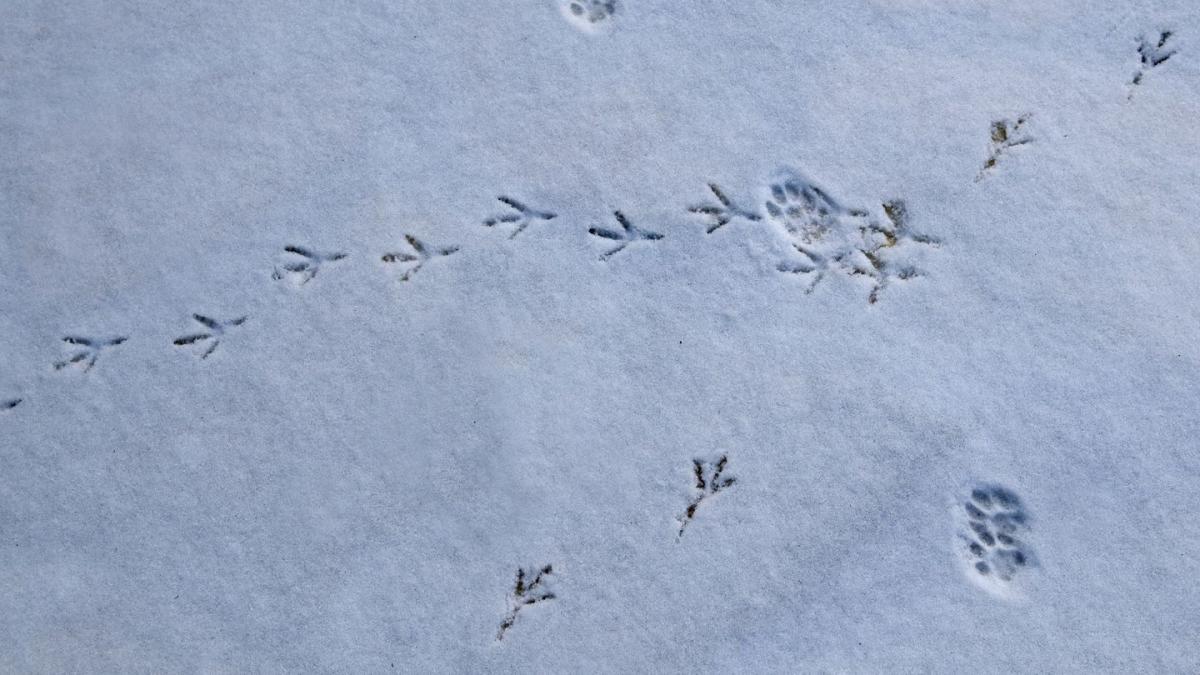
Geologists have discovered fossilized footprints of bird-like tracks that are 210 million years old, predating the arrival of true birds by 60 million years. The footprints, found in Lesotho, resemble bird tracks with slender toes and a wider shape. The findings suggest that bird feet evolved much earlier than previously thought, challenging the understanding of the timing of bird evolution. The footprints could belong to the earliest known ancestor of modern birds or a dinosaur in the near-bird lineage, or they could be a case of convergent evolution. This discovery highlights the ongoing mysteries surrounding the evolution of birds and their reptilian ancestors.
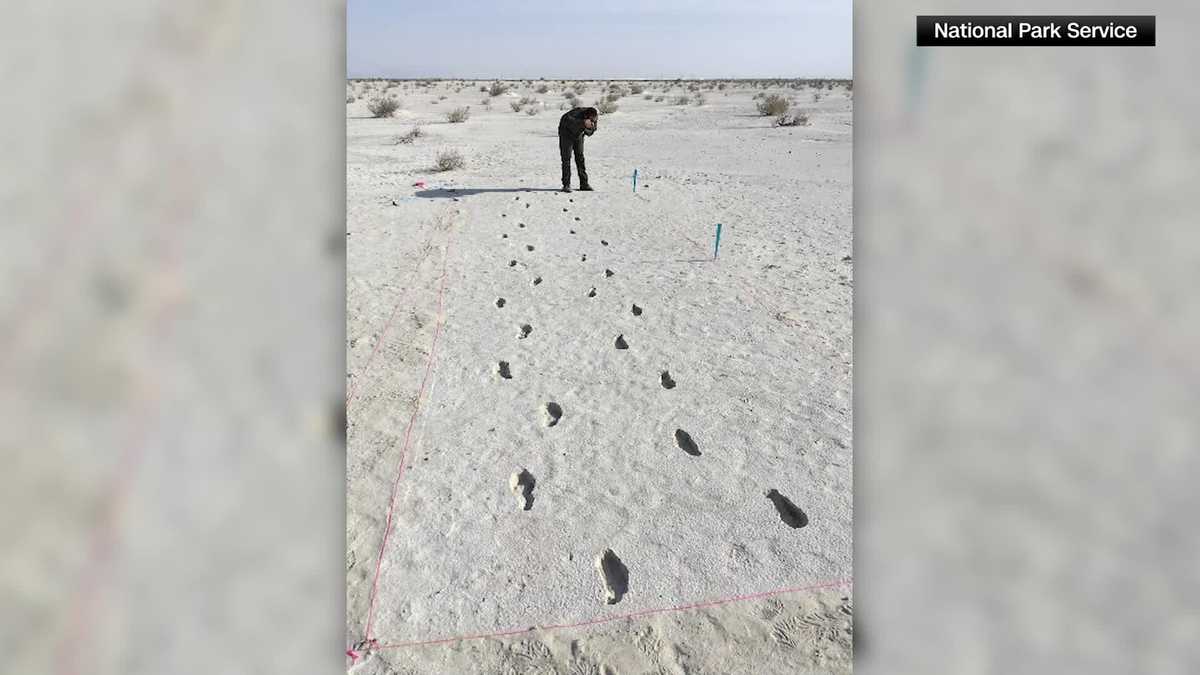
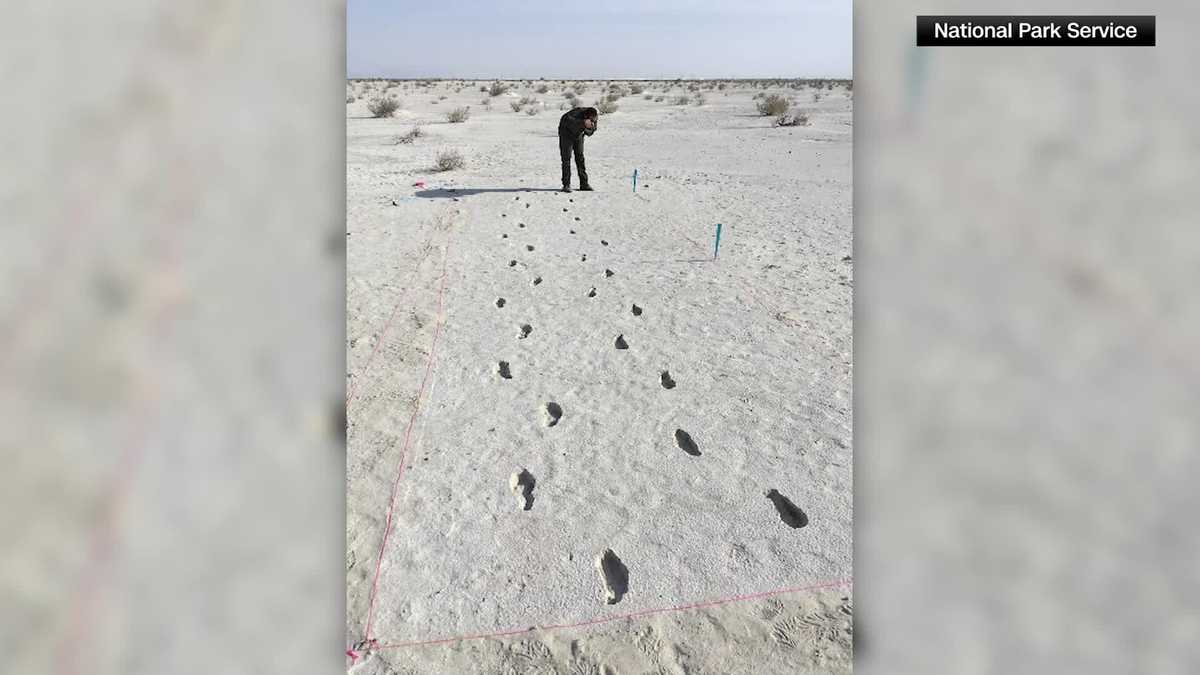
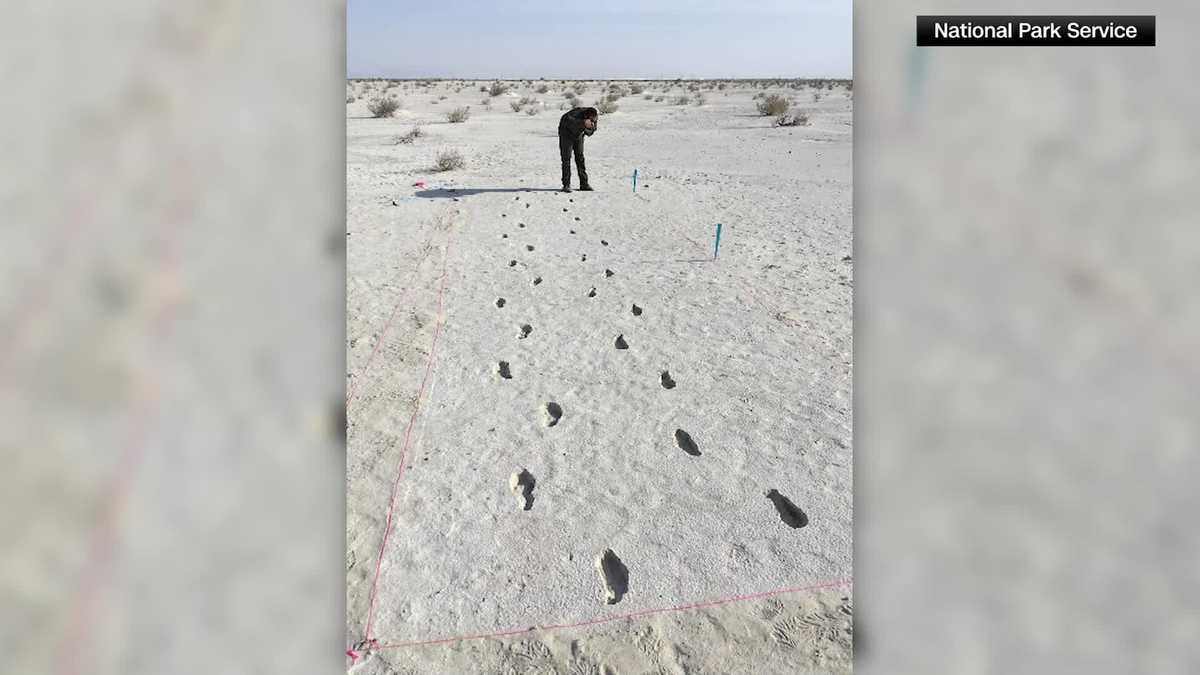
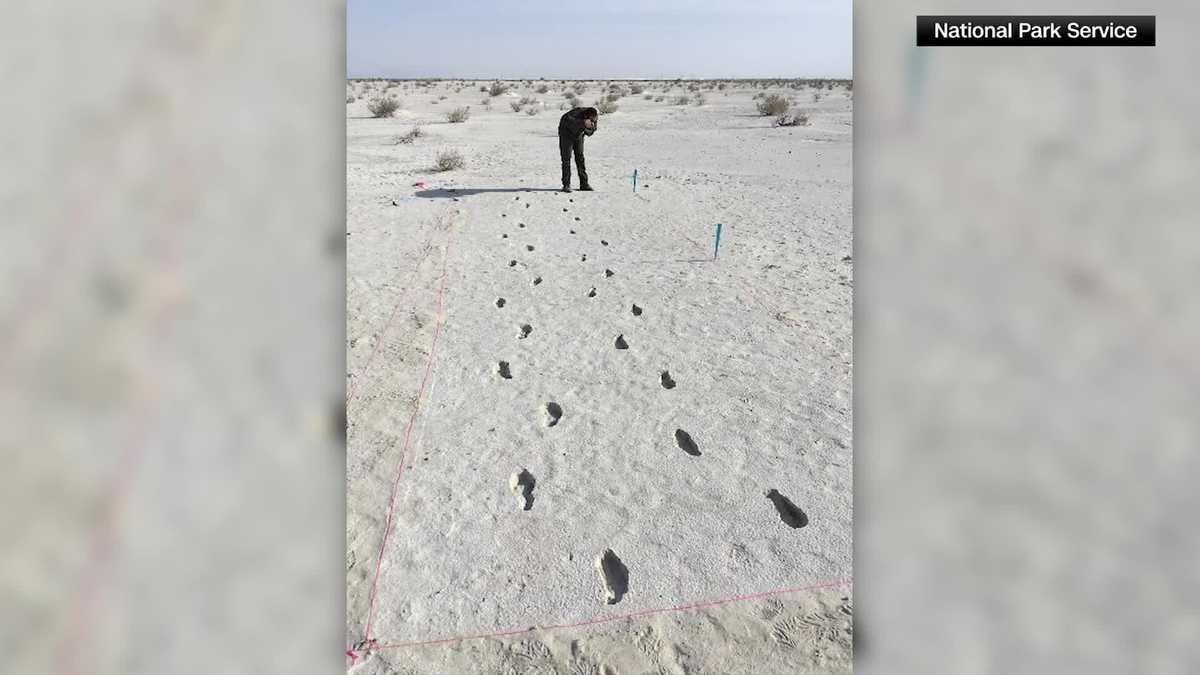
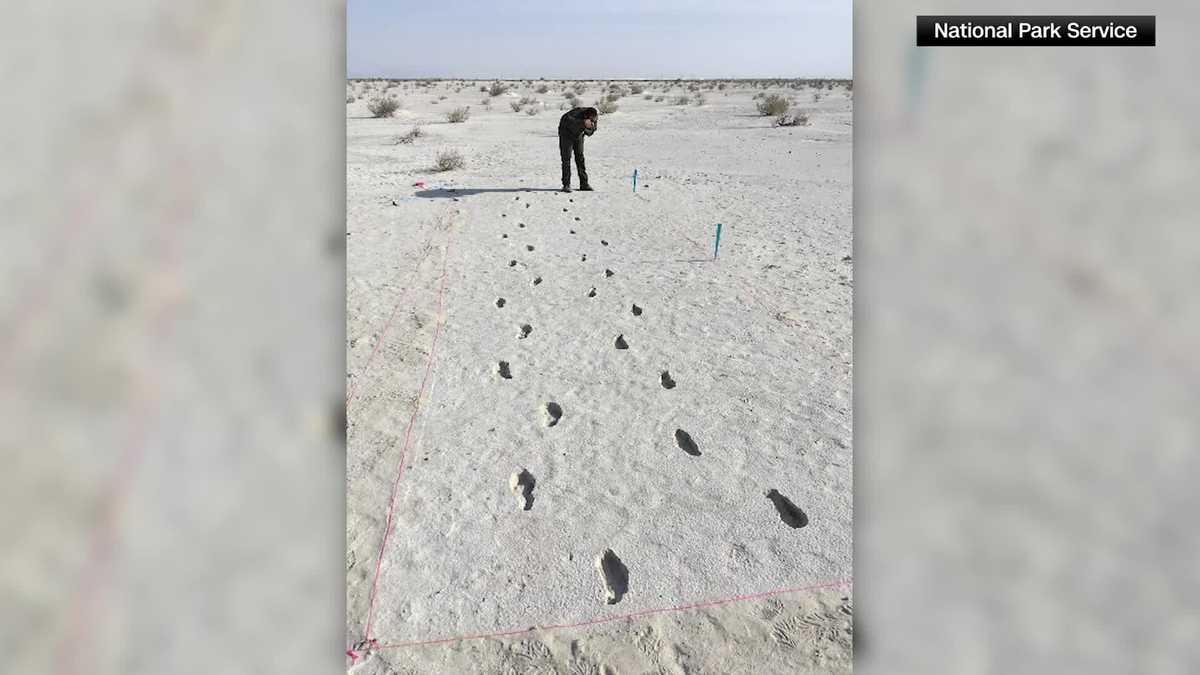
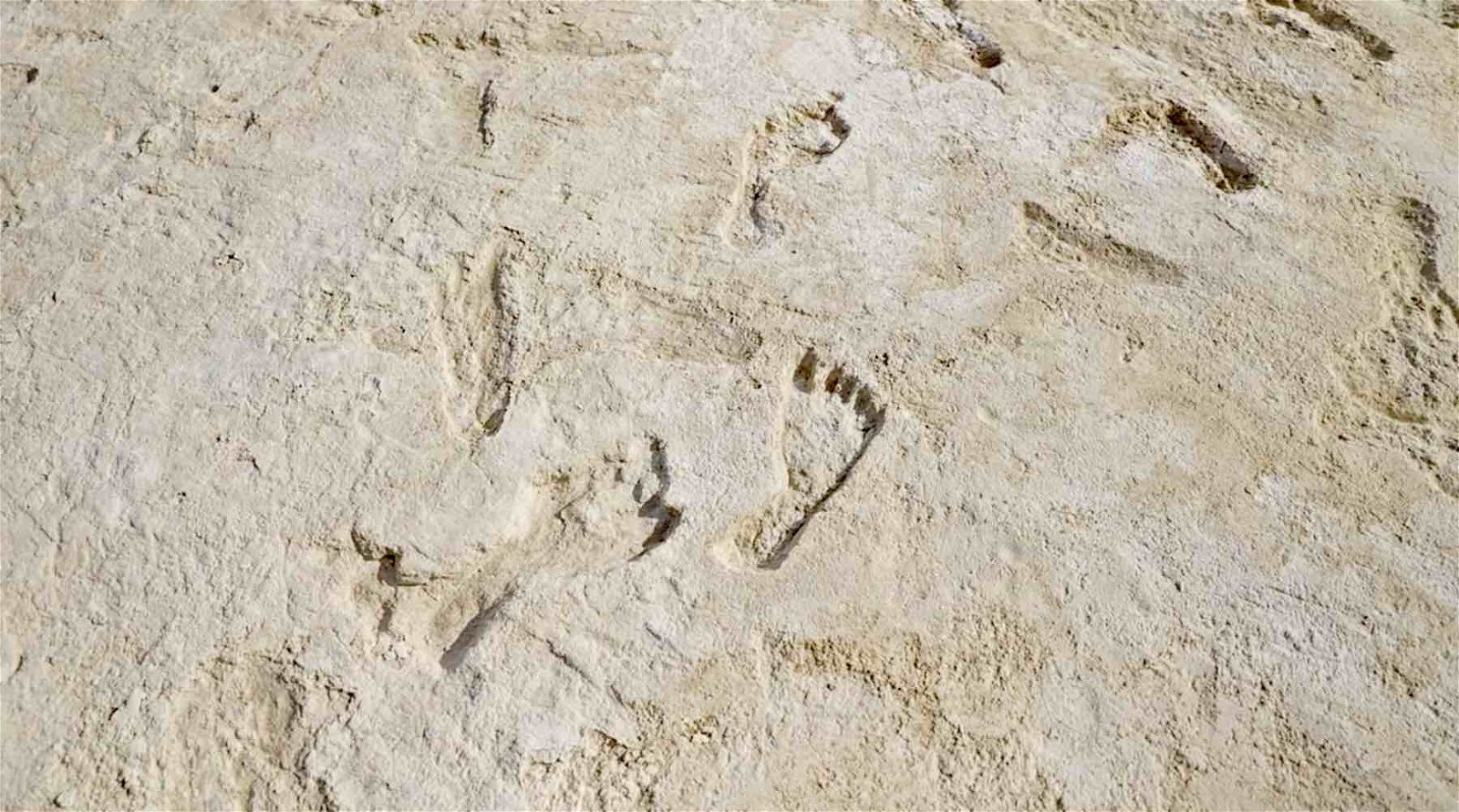
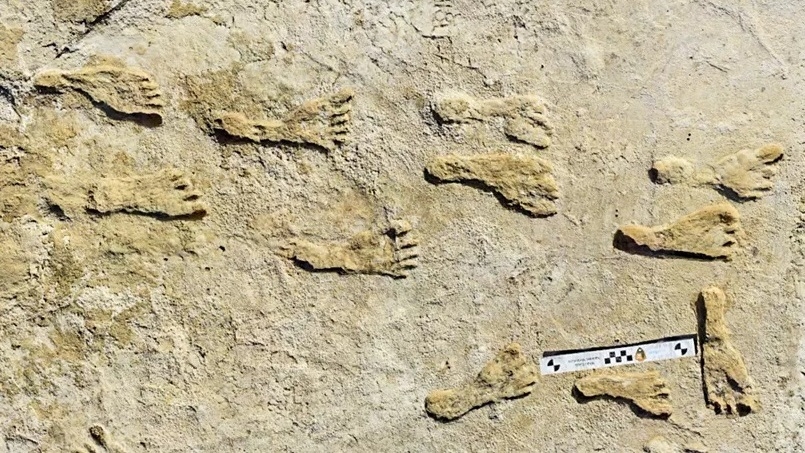
New research has provided further evidence that humans arrived in the Americas much earlier than previously thought. Fossilized footprints found in New Mexico, dating back 21,000 to 23,000 years ago, have been confirmed through radiocarbon dating of preserved seeds. The footprints challenge the belief that massive ice sheets prevented human passage into North America during that time. Skeptics had questioned the initial findings, but a follow-up study used multiple lines of evidence, including radiocarbon dating of conifer pollen and optically stimulated luminescence, to support the original dates. The study suggests a human presence in the Americas around the Last Glacial Maximum, between 19,000 and 26,000 years ago.
New research provides further evidence that humans arrived in the Americas much earlier than previously thought. Fossilized footprints found in New Mexico, dating back 21,000 to 23,000 years ago, have been confirmed through radiocarbon dating of preserved seeds. The discovery pushes back the timeline of human history in the Americas and suggests that humans arrived in the region even earlier than previously believed. The study used multiple lines of evidence, including radiocarbon dating of conifer pollen and optically stimulated luminescence, to support the initial dates. The findings indicate a human presence in the Americas during the Last Glacial Maximum, a period when massive ice sheets covered North America. The exact migration route and the number of populations that made the journey remain unknown.
New research has provided further evidence that humans arrived in the Americas much earlier than previously thought. Fossilized footprints found in New Mexico, dating back 21,000 to 23,000 years ago, have been confirmed through radiocarbon dating of preserved seeds. The footprints challenge the belief that massive ice sheets prevented human passage into North America during that time. Skeptics had questioned the initial findings, but a follow-up study using conifer pollen and optically stimulated luminescence dating techniques supports the original dates. The study suggests a human presence in the Americas around the Last Glacial Maximum, between 19,000 and 26,000 years ago.
New research has provided further evidence that humans arrived in the Americas much earlier than previously thought. Fossilized footprints found in New Mexico, dating back 21,000 to 23,000 years ago, have been confirmed through radiocarbon dating of preserved seeds. The footprints challenge the belief that massive ice sheets prevented human passage into North America during that time. Skeptics had questioned the initial findings, but a follow-up study used multiple lines of evidence, including radiocarbon dating of conifer pollen and optically stimulated luminescence, to support the original dates. The study suggests a human presence in the Americas around the Last Glacial Maximum, between 19,000 and 26,000 years ago.
New research confirms that fossil human footprints found at White Sands National Park in New Mexico are between 21,000 and 23,000 years old, extending the timeline for the earliest human arrivals to North America. The findings challenge the previously accepted belief that humans arrived in the Americas around 13,000 years ago. The confirmation was achieved through two independent research approaches, including radiocarbon dating and optically stimulated luminescence dating. The footprints provide evidence of human presence during the Last Glacial Maximum and suggest that humans lived alongside North American megafauna species for thousands of years before their extinction.
Fossilized human footprints found in New Mexico's White Sands National Park suggest that humans arrived in North America earlier than previously thought. The footprints, estimated to be between 21,000 and 23,000 years old, challenge the prevailing belief that humans crossed from Siberia to Alaska towards the end of the last Ice Age. The study also raises questions about the coexistence of humans and megafauna and their role in extinction. Critics have challenged the dating technique used, but new evidence from carbon-dating tree pollen supports the original findings. The debate continues, but the research highlights the need for inclusivity and the involvement of Indigenous voices in studying early Americans.