Tag

Genetic Markers

All articles tagged with #genetic markers

health1 year ago

"Genetic Study Links Colorectal Cancer to Meat Consumption"

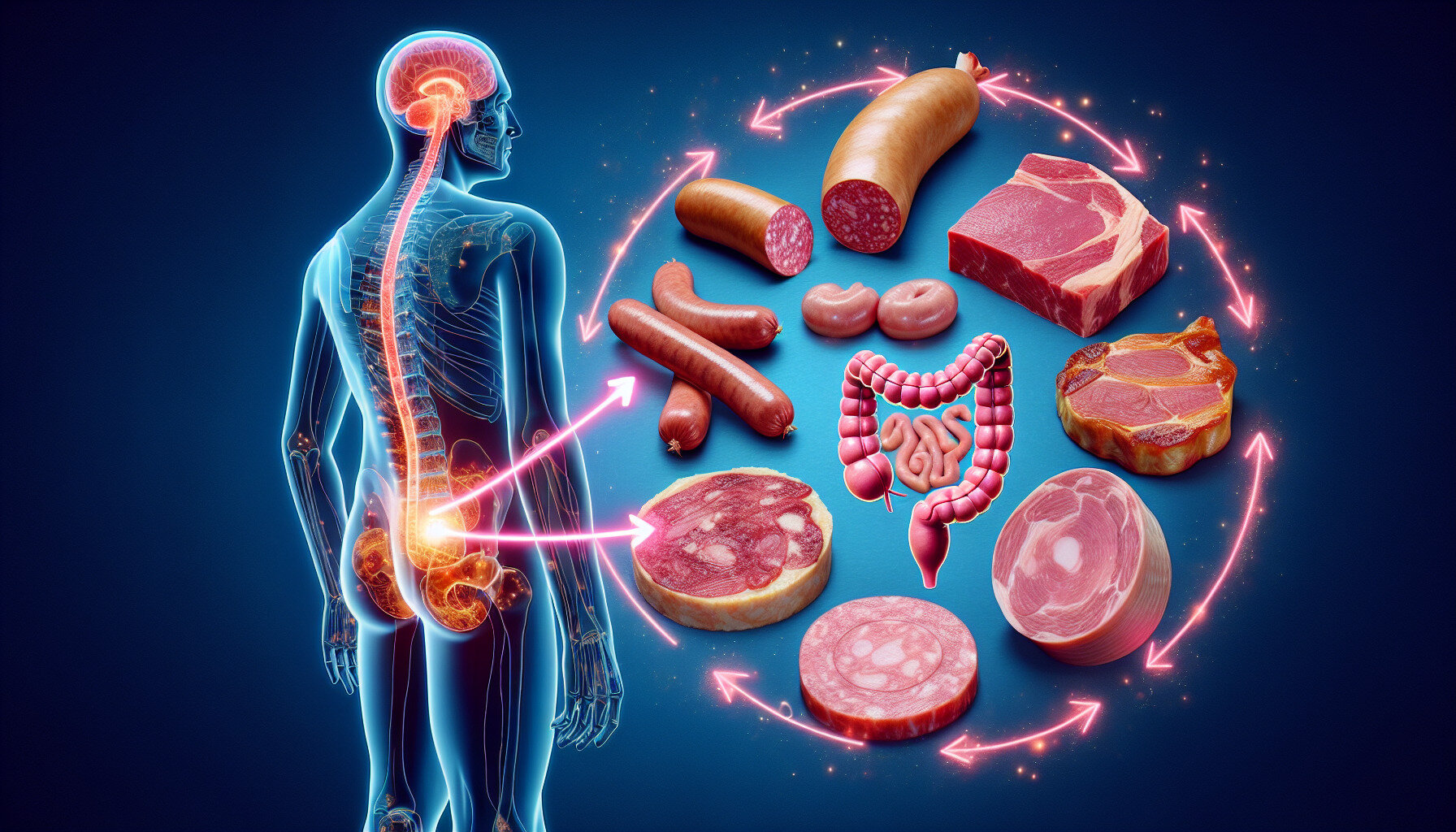
A large-scale study explored the genetic link between colorectal cancer and meat intake, identifying two genetic markers, HAS2 and SMAD7, that may explain the association between red or processed meat consumption and increased cancer risk. The study, which analyzed data from nearly 70,000 individuals, found that those with higher red or processed meat intake faced a 30% or 40% increased risk of colorectal cancer, respectively. The research suggests that certain genetic variants may confer differing risks of colorectal cancer in individuals who consume red meat, potentially shedding light on the disease's development. However, further experimental studies are needed to establish a causal link.


science1 year ago

"Uncovering New Genetic Insights: The All of Us Research Program's Impact"

A new study suggests there may be millions of undiscovered genetic variants within the human species, challenging the long-held belief about our past and the extent of genetic variability. The "All of Us" research program is analyzing a large number of genomes and has already found over 275 million new genetic markers, potentially reshaping our understanding of human history. However, a recent study argues that genetic codes may not be as influential as previously thought, emphasizing the impact of external factors on gene expression. This raises questions about the significance of genetic research and its implications for our understanding of human development and history.

health-and-science1 year ago

Study Links Caffeine Levels in Blood to Body Fat and Diabetes Risk

A 2023 study found that caffeine levels in the blood are linked to body fat levels, which in turn affect the risk of developing type 2 diabetes and cardiovascular diseases. The research, using genetic markers, suggests that higher plasma caffeine concentrations are associated with lower BMI and reduced risk of type 2 diabetes. However, no direct link was found between caffeine levels and cardiovascular diseases. While previous studies have shown some positive effects of caffeine on weight and fat mass reduction, more research is needed to confirm cause and effect, and to understand the long-term effects of caffeine intake.

health2 years ago

Unveiling Genetic Markers for Alzheimer's Disease Risk

Researchers have discovered 15 new gene variations, including in the APOE gene, that are linked to the risk of developing Alzheimer's disease. These findings could potentially lead to the development of predictive blood tests for the disease. Low plasma ApoE levels have been associated with an increased risk of Alzheimer's, cognitive impairment, and dementia. While further research is needed, these new genetic markers provide valuable insights into the complex factors contributing to Alzheimer's and could aid in early diagnosis.

science2 years ago

Revised Amphibian Family Tree Reveals Surprising Evolutionary Timeline

Researchers have unveiled a comprehensive evolutionary tree of frogs, based on genetic data from 5,242 frog species. The study suggests that frogs began evolving into the thousands of species we see today around 180 million years ago, tens of millions of years later than previously thought. The research provides a valuable resource for understanding frog evolution and opens up new avenues for studying anuran amphibians.

health2 years ago

Study Reveals Link Between Caffeine Levels and Body Fat & Diabetes Risk

A study conducted by researchers from the Karolinska Institute, the University of Bristol, and Imperial College London has found that the levels of caffeine in the blood can impact body fat and the risk of developing type 2 diabetes and cardiovascular diseases. The study used genetic markers to establish a link between caffeine levels, BMI, and diabetes risk. The researchers suggest that calorie-free caffeinated drinks could potentially help reduce body fat levels. However, more research is needed to confirm cause and effect, as well as to understand the long-term effects of caffeine intake.

health2 years ago

AI detects genetic cancer markers and predicts patient survival with high accuracy.

Researchers at the University of Michigan have developed an AI-based diagnostic tool, DeepGlioma, that can detect genetic mutations in brain tumors during surgery within 90 seconds. The system showed an average accuracy of over 90% in identifying genetic markers consistent with diffuse glioma, a cancerous tumor that originates in the brain or spinal cord. The new technology could result in faster diagnosis and treatment, potentially helping more patients get into clinical trials sooner. The findings open up the door for "precision medicine" that is personalized and could result in better outcomes for patients with brain tumors.

health2 years ago

The Link Between High Blood Pressure and Cognitive Decline.

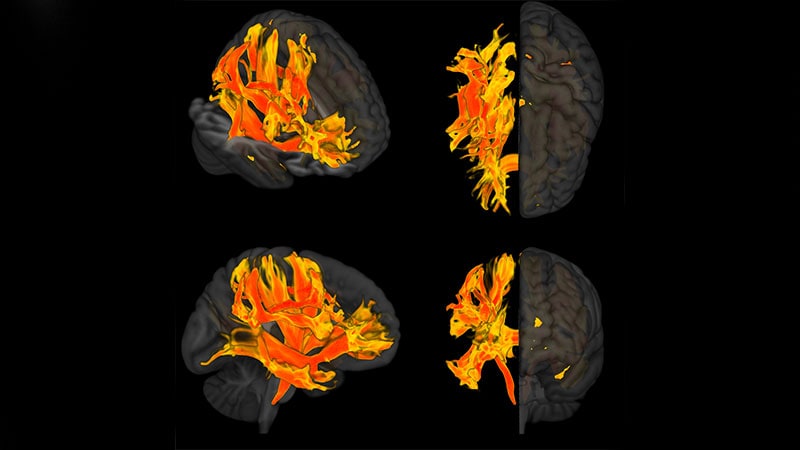
Researchers have identified nine brain structures related to cognitive impairment that are affected by high blood pressure. Using genetic markers and MRI scans, they found that specific regions of the brain are damaged by hypertension, potentially explaining the link between hypertension and cognitive impairment. The study confirms a causal relationship between raised blood pressure and cognitive impairment, emphasizing the importance of preventing and treating hypertension. In the future, it may be possible to assess these brain structures in people with high blood pressure to identify those at increased risk of developing cognitive impairment.