Tag

Lice

All articles tagged with #lice

Lice Reveal Clues to the Origins of Human Clothing
science1 year ago

Lice Reveal Clues to the Origins of Human Clothing

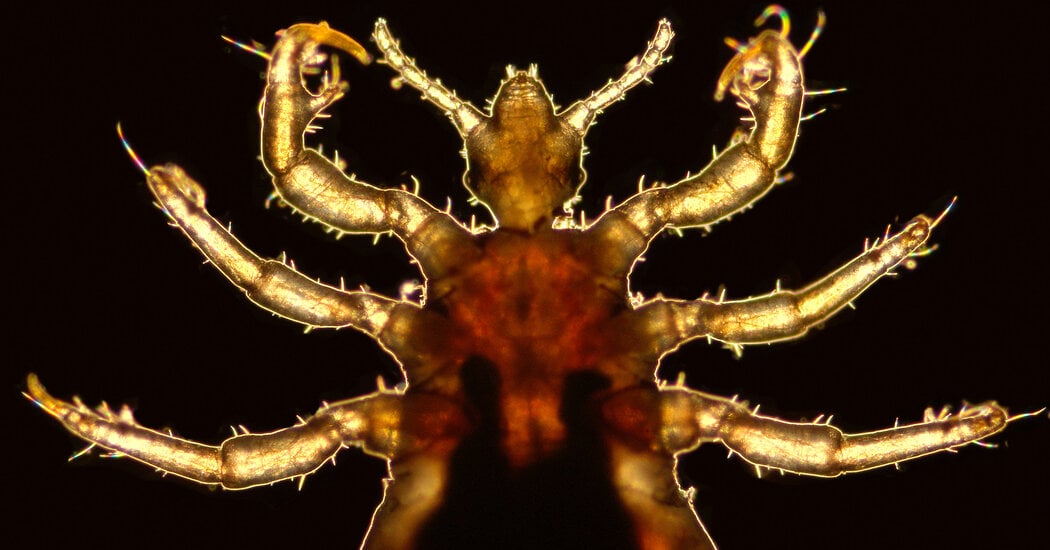
Research led by David Reed at the Florida Museum of Natural History suggests that humans began wearing clothes around 170,000 years ago, as indicated by the DNA of lice, which are closely associated with clothing. This timeline predates human migration out of Africa into colder climates, implying that clothing may have been driven by social or health-related factors rather than just the need for warmth. The study highlights clothing as a crucial technological advancement that enabled human survival and migration, alongside other innovations like fire and tools.


Tracing the Origins of Clothing Through Lice Evolution
science1 year ago

Tracing the Origins of Clothing Through Lice Evolution

Research led by David Reed at the Florida Museum of Natural History suggests that early humans began wearing clothes around 170,000 years ago, based on the study of lice DNA. This development likely facilitated human migration out of Africa into colder climates, marking a significant technological advancement. The study highlights the role of lice as evolutionary markers, providing insights into human history where archaeological evidence is scarce. This finding underscores the resourcefulness of early humans in adapting to harsh environments, contributing to their survival and eventual global migration.

"The Truth About Lice: Who is Most Susceptible and How it Spreads"
health2 years ago

"The Truth About Lice: Who is Most Susceptible and How it Spreads"

Head lice infestations are common among children due to frequent head-to-head contact during play and shared spaces in school environments. Lice do not discriminate based on cleanliness or socioeconomic circumstances and are transmitted through direct head-to-head contact or sharing personal items. Itching may not be experienced until weeks after infestation and scratching can lead to skin irritation and bacterial infections. Hair color or dye treatments do not affect lice infestation, and pets do not transmit head lice. Reporting infestations to school nurses and close contacts can prevent further spread and lead to recommendations for safe and efficient treatment at home.

Unraveling Human History through Lice Genes
science-and-technology2 years ago

Unraveling Human History through Lice Genes

A new study on lice genetics reveals insights into ancient human history. Lice have been companions to humans throughout our evolutionary journey, adapting alongside us. By analyzing the DNA of lice, researchers have discovered that some lice in the Americas are hybrids of those carried by Native Americans and European colonists. Lice DNA also provides clues about human migration patterns, with genetic links found between lice in different parts of the world. Further research on the entire louse genome may shed light on how lice evolved and how our ancestors acquired them.

Unraveling Human History through Lice DNA
science-and-technology2 years ago

Unraveling Human History through Lice DNA

Head lice, considered a nuisance, have been living on human heads for centuries and have recorded our history in their DNA. A recent study suggests that the DNA of head lice reflects the massive human migrations that led to the colonization of the Americas. The research found evidence of two distinct genetic clusters in lice, indicating that they arrived in the Americas twice: first with Native Americans thousands of years ago, and then with Europeans during colonization. The study highlights the potential of lice DNA to provide insights into human history and interactions with other hominid species.

Hairdresser discovers massive lice infestation in client's hair.
health2 years ago

Hairdresser discovers massive lice infestation in client's hair.

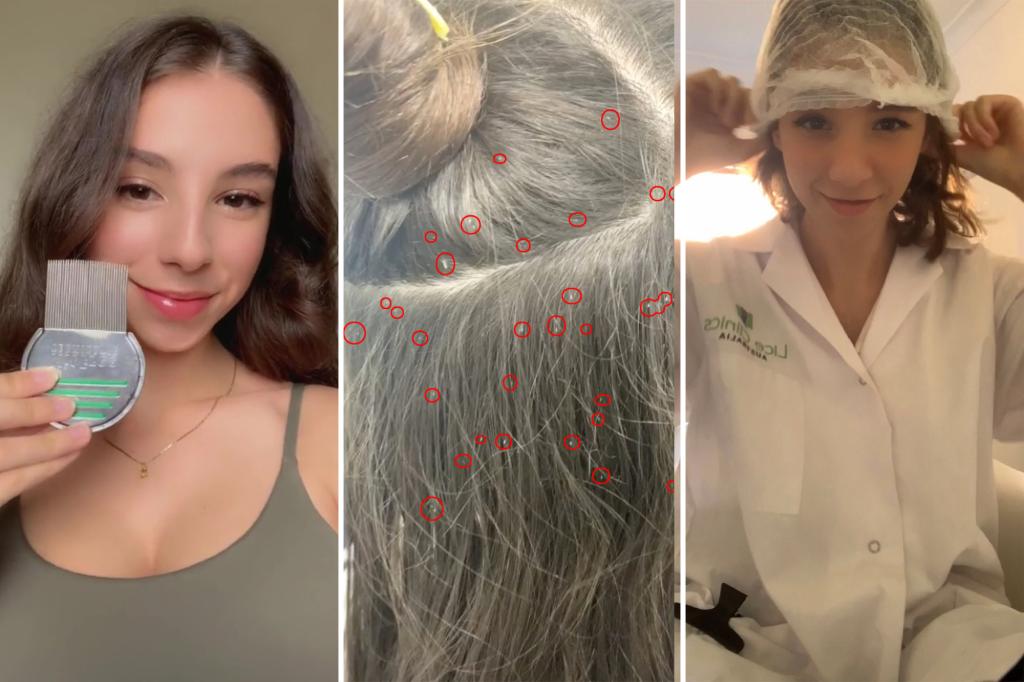
An Australian hairdresser's TikTok video showing a client's massive lice infestation has gone viral. The hairdresser claims that she was quickly able to tell that her client had been suffering from lice for a few months due to the fact the creepy crawler's eggs were visible. A full-grown parasite can lay up to 150 eggs, making it a recipe for a quick infestation. The process of removing the pesky bugs is a lengthy one, and there is not a chemical product out there that is going to break down these eggshells or remove them for you so you have to comb through.