
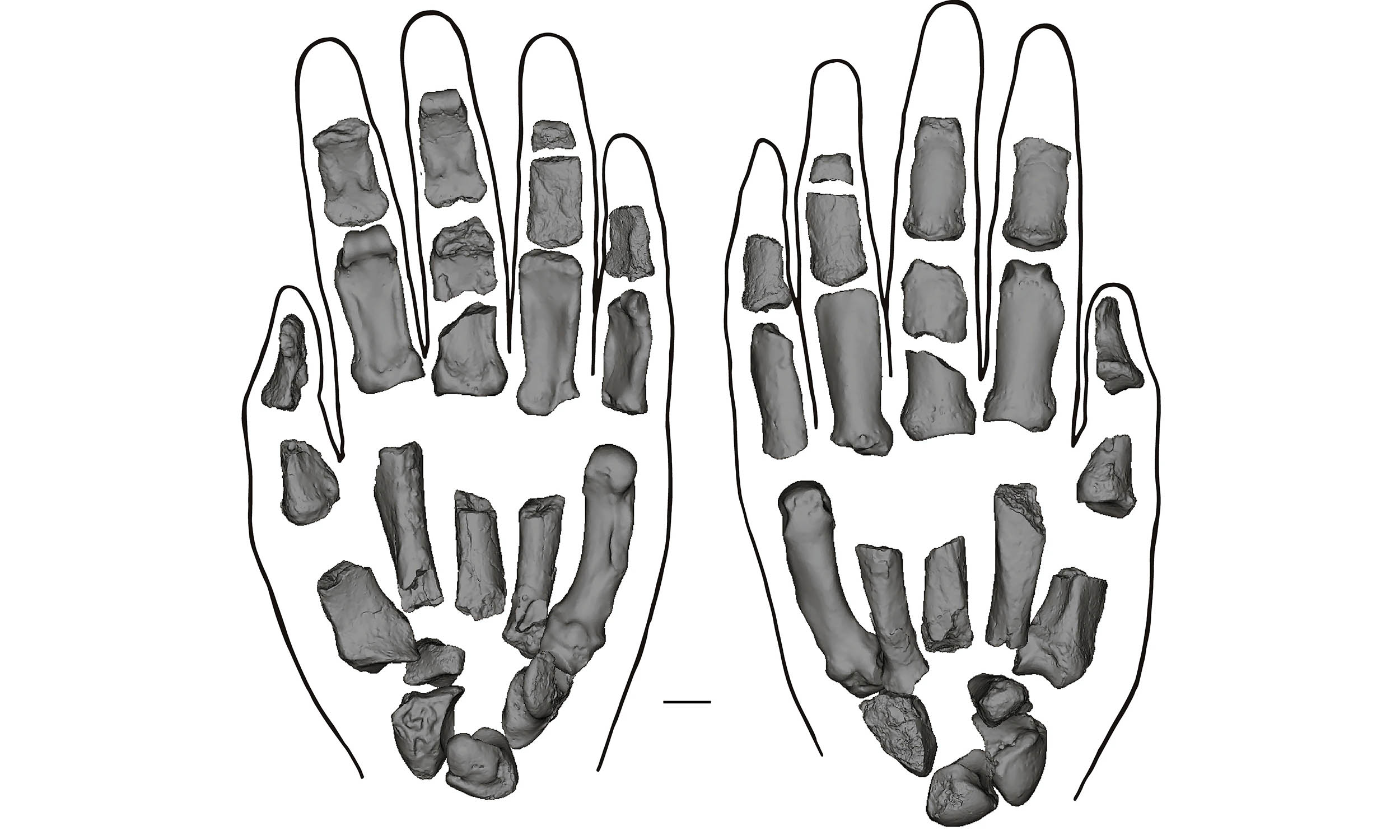
A 1.52 million-year-old fossil of Paranthropus boisei from Kenya reveals that this robust human ancestor had large, dexterous thumbs and foot structures supporting bipedal walking, indicating it could make and use simple tools, challenging previous assumptions that only Homo species used tools.
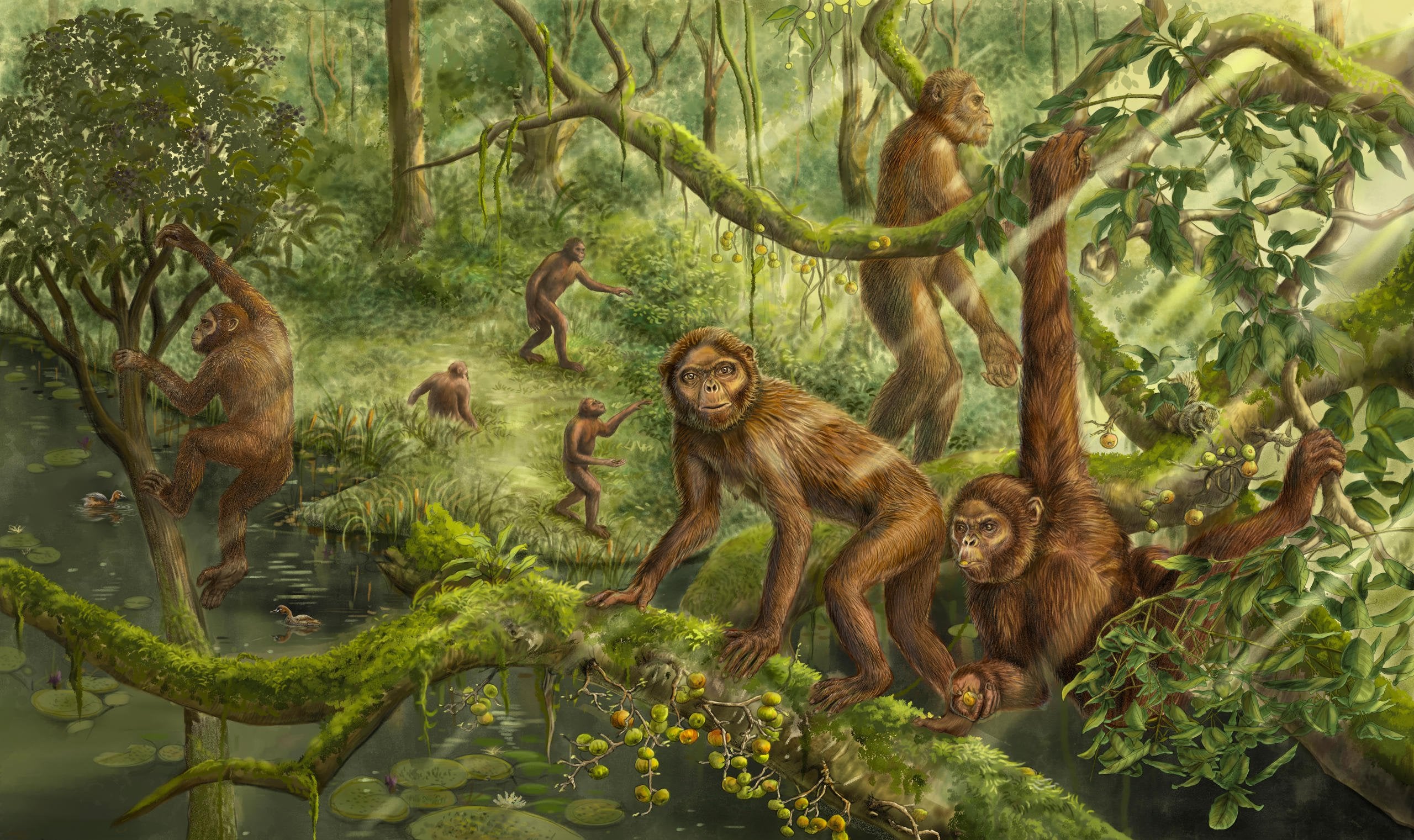
Recent research on the fossil ape Lufengpithecus's inner ear structures provides new insights into the evolutionary steps towards human bipedalism, revealing the significant roles of the inner ear and climate change in this evolutionary journey. The study suggests a three-step evolution of human bipedalism and highlights the importance of analyzing the bony inner ear region using modern imaging technologies to understand extinct mammals' locomotion. The findings also propose that climate change may have played a crucial role in promoting the locomotor diversification of apes and humans.