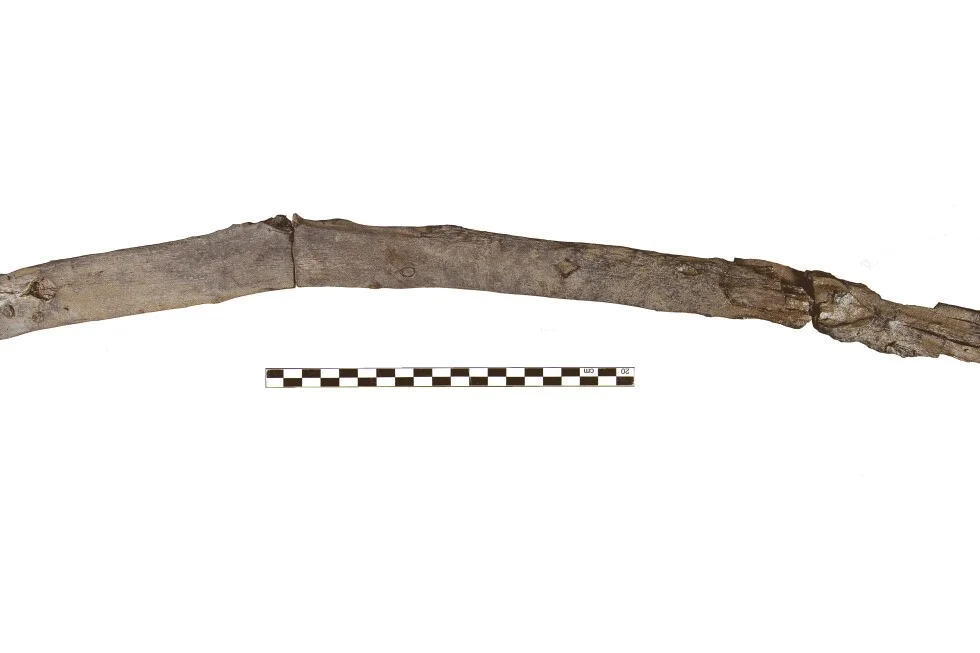
Scientists in Greece have recovered the oldest known wooden tools, dating to about 430,000 years ago, including a tool possibly used for digging, highlighting that early humans used wood for technology long before metal tools.
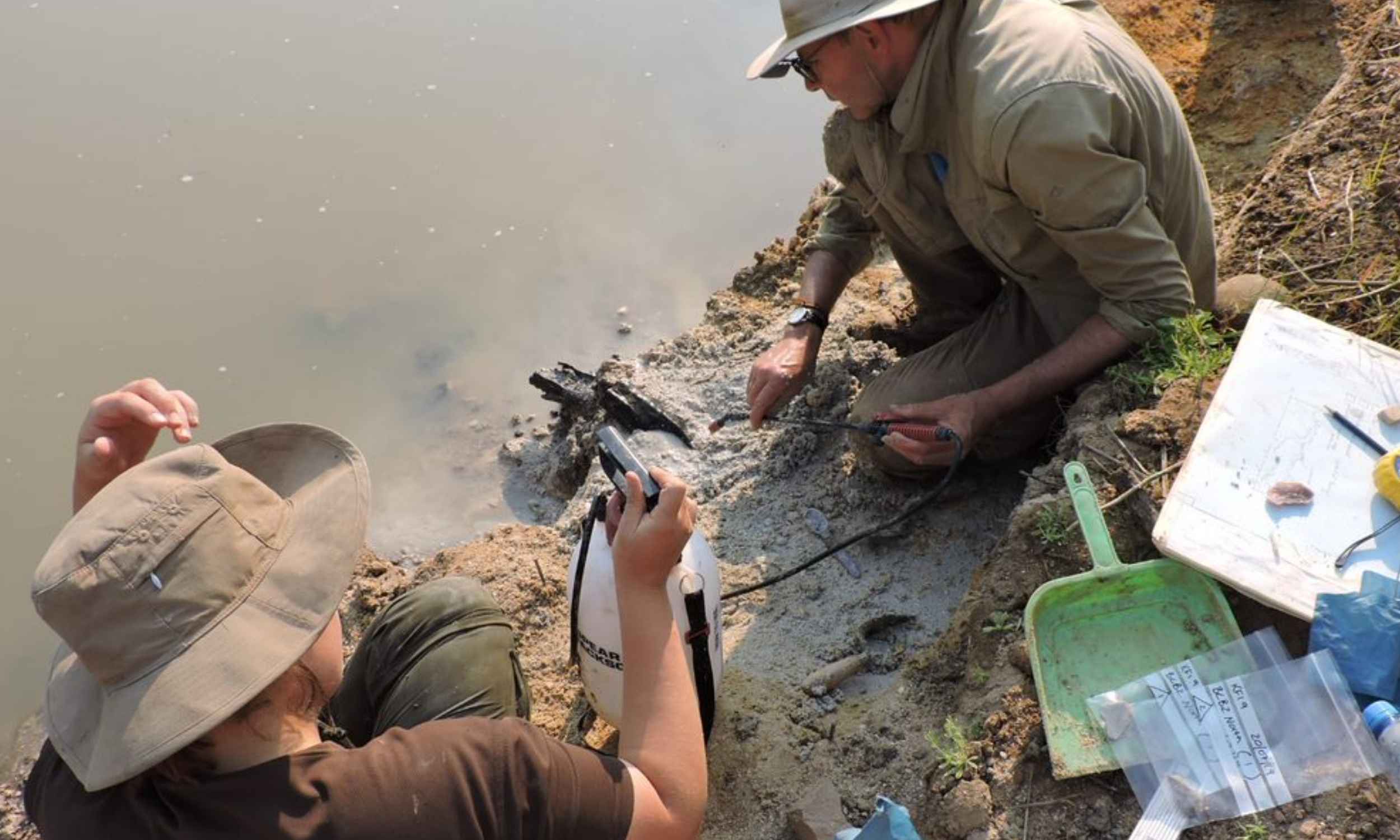
Archaeologists at Kalambo Falls in Zambia discovered a wooden structure dating back approximately 476,000 years, predating Homo sapiens, indicating early humans engaged in deliberate construction and environmental reshaping using timber, with implications for understanding prehistoric technology and behavior.
A study in Nature Communications uncovers 2.7-million-year-old stone tools in Kenya's Turkana Basin, demonstrating a long-standing tradition of toolmaking that helped early humans adapt to environmental changes over nearly 300,000 years, highlighting their resilience and technological continuity.
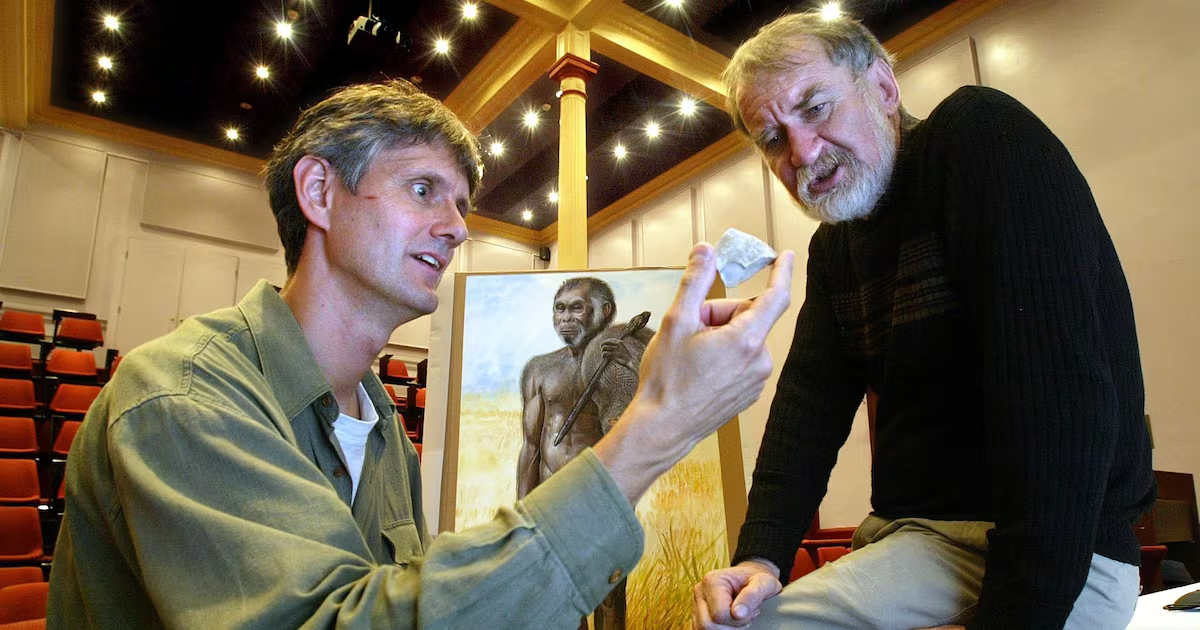
Archaeologists have discovered 1.48 million-year-old stone tools on Sulawesi Island, suggesting that the diminutive species Homo floresiensis, or 'hobbits,' may have used sea travel to migrate from Sulawesi to Flores Island, providing new insights into their lifestyle and movement, although the findings are not yet conclusive.
Archaeologists have discovered ancient tools in Southeast Asia that suggest early humans mastered seafaring and navigation as early as 40,000 years ago, challenging previous beliefs that such skills only developed later and indicating active exploration and settlement across the region's waters.
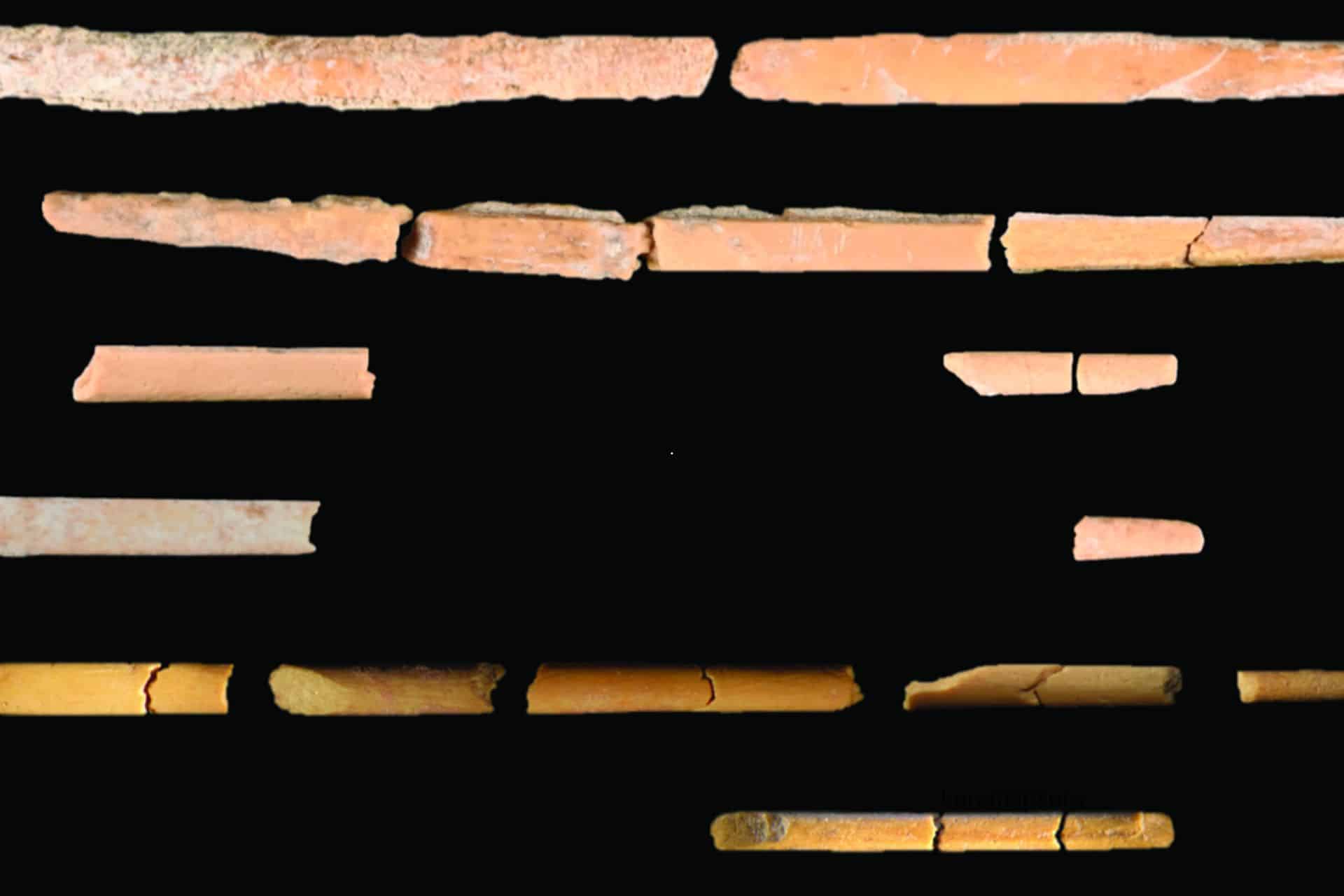
Archaeologists in Wyoming have discovered 32 bone needle fragments at the La Prele site, revealing that ancient Americans used tools made from the bones of small carnivores like red foxes and extinct American cheetahs to survive the Ice Age. This finding, published in PLOS ONE, challenges previous assumptions that such tools were made from larger animals like bison or mammoths. The site, associated with the Clovis culture, provides insights into the lives of some of North America's earliest inhabitants.
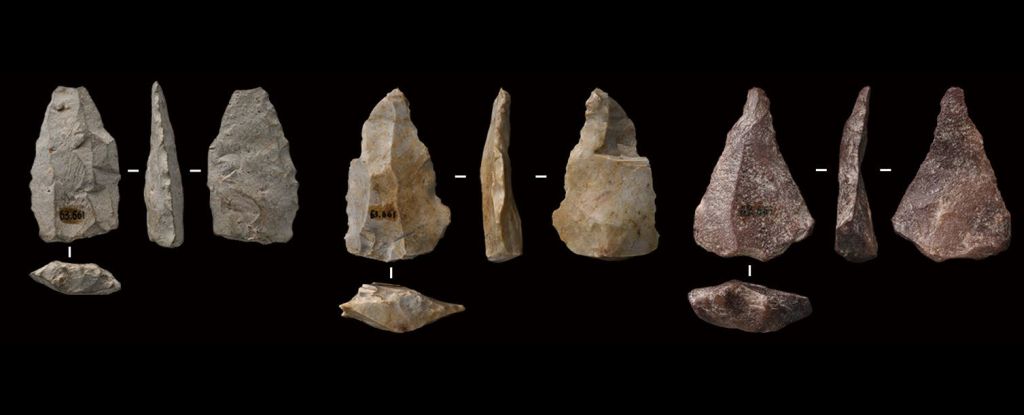
A new study suggests that Clovis spear points, dating back to 13,500-12,800 years ago, may have been used for butchering as well as hunting big game. Researchers found that modern hunters were able to efficiently butcher a bison using replica Clovis points mounted on wooden handles, with less risk of injury compared to using hand-held stone flakes, although the Clovis points required frequent sharpening and were more prone to breakage.
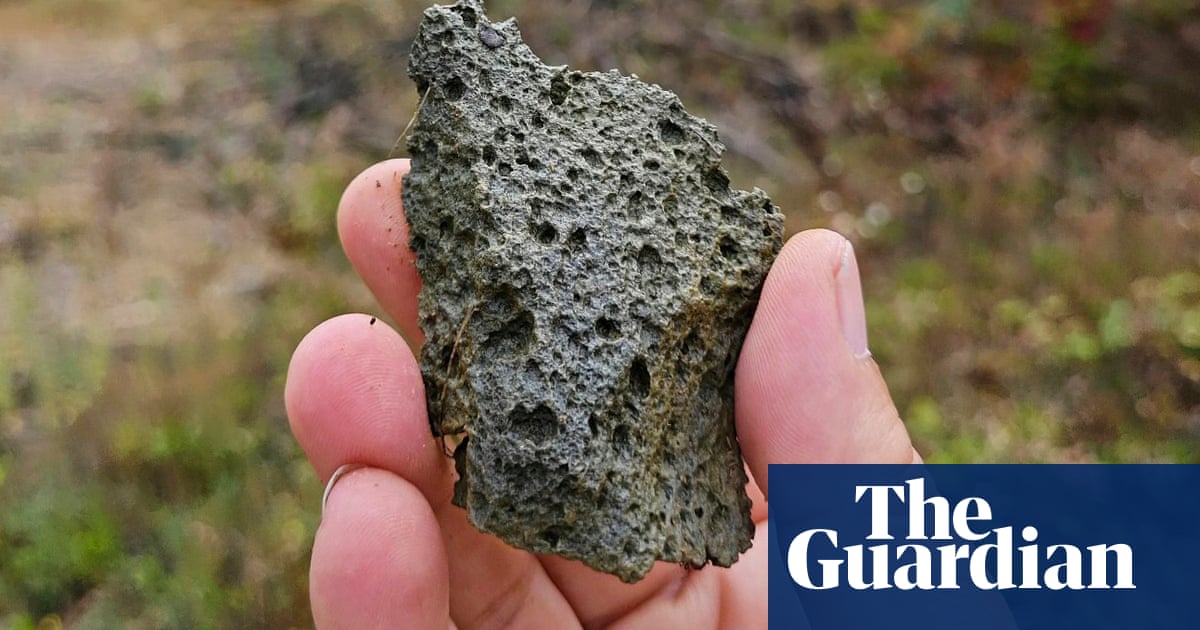
Ancient stone tools found in western Ukraine dating back over 1 million years may be the oldest evidence of human presence in Europe, possibly crafted by Homo erectus. The tools, likely used for cutting meat and scraping hides, were made from volcanic rock and suggest early humans were able to adapt to diverse environments, surviving from warm Iberia to the cold of Ukraine.
Ancient stone tools found in western Ukraine dating back over 1 million years may be the oldest evidence of early human presence in Europe, possibly used by Homo erectus. The chipped stones, made from volcanic rock, were likely used for cutting meat and scraping animal hides, indicating adaptability to diverse environments. The findings suggest that early humans dispersed from Africa with these tools and were able to survive in regions ranging from warm Spain to seasonally cold Ukraine.
Ancient stone tools found in western Ukraine, dating back over 1 million years, may be the oldest evidence of early human presence in Europe. The chipped stones, made from volcanic rock, were excavated from a quarry in the 1970s and were likely used for cutting meat and scraping animal hides. The tools may have been fashioned by Homo erectus, and their presence in Ukraine suggests early humans were able to adapt to diverse environments.
Ancient stone tools found in western Ukraine, dating back over 1 million years, may be the oldest evidence of early human presence in Europe. The chipped stones, likely fashioned by Homo erectus, were excavated from a quarry in the 1970s and suggest early humans were able to survive in diverse environments, from warm Iberia to Ukraine. The findings, published in Nature, shed light on the adaptability of early humans and their ability to colonize different regions.
Fragments of ancient rock and bone found at the Shiyu site in northeastern China have been dated to 45,000 years ago, providing the earliest evidence of Homo sapiens in Eastern Asia. The artifacts suggest a process of cultural creolization and reveal a complex and innovative adaptation by our ancestors during their expansion. The site's rich assortment of tools, including those knapped using the Levallois method, and evidence of hunting and trade, paint a picture of early human migration and cultural fusion, expanding our knowledge of ancient origins and the adaptability of Homo sapiens.
Neanderthals developed a method of generating a glue derived from birch tar to hold their tools together about 200,000 years ago, which was waterproof and didn't decompose. Researchers found evidence that this glue wasn't just the original tar; it had been transformed in some way. The team tried several different processing methods and found that Neanderthals distilled tar in an intentionally created underground environment that restricted oxygen flow and remained invisible during the process. This degree of complexity is unlikely to have been invented spontaneously.