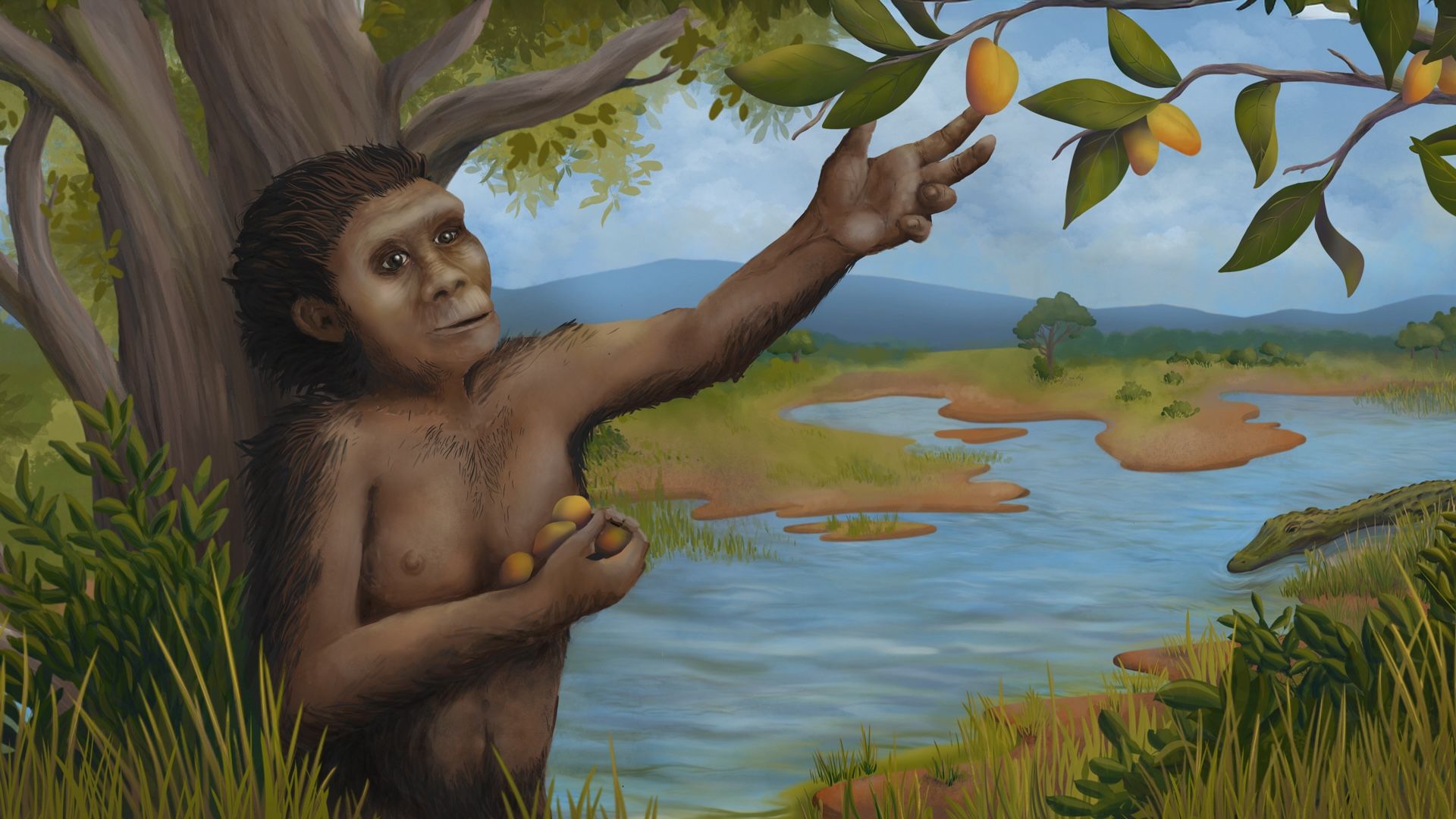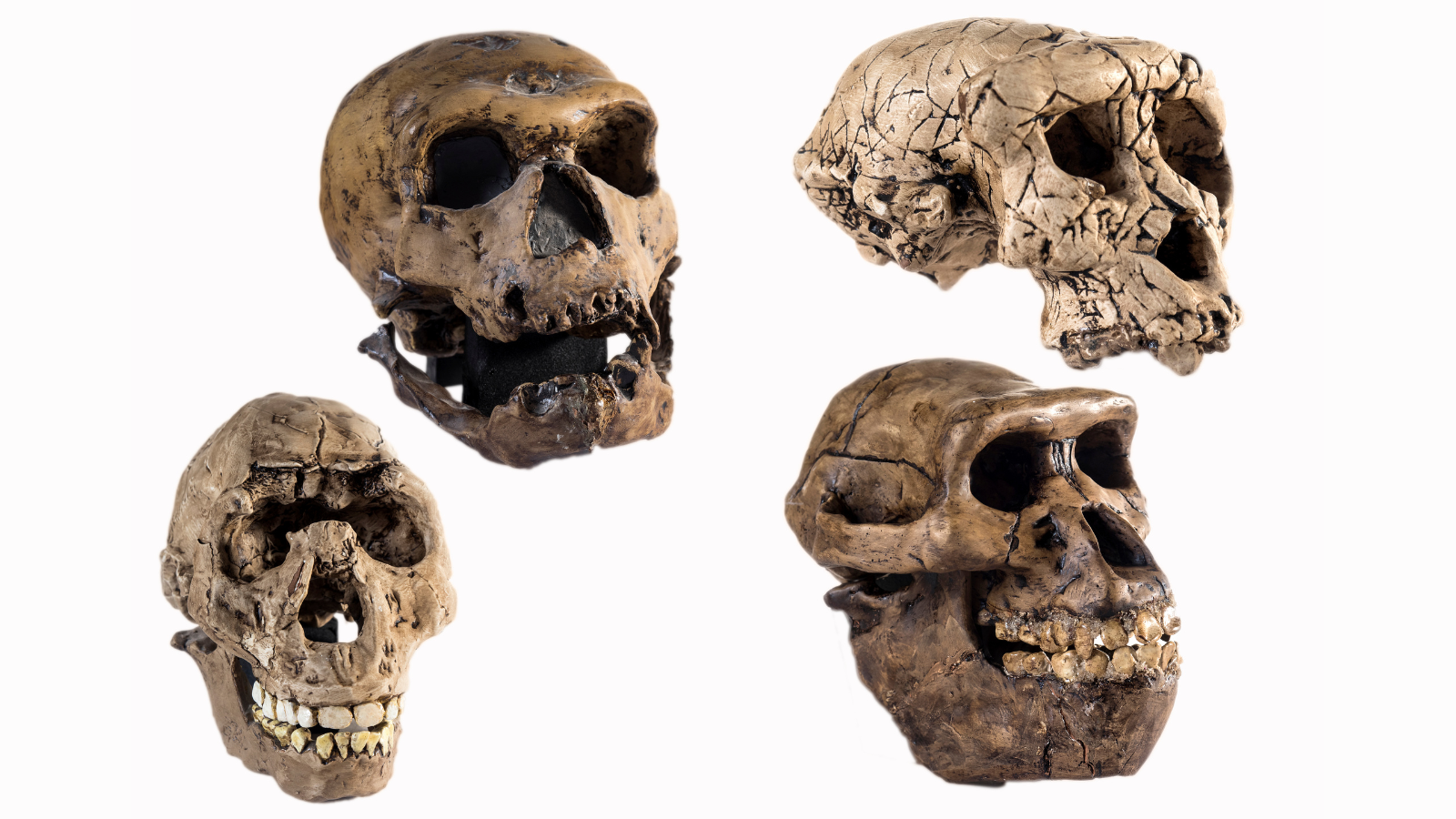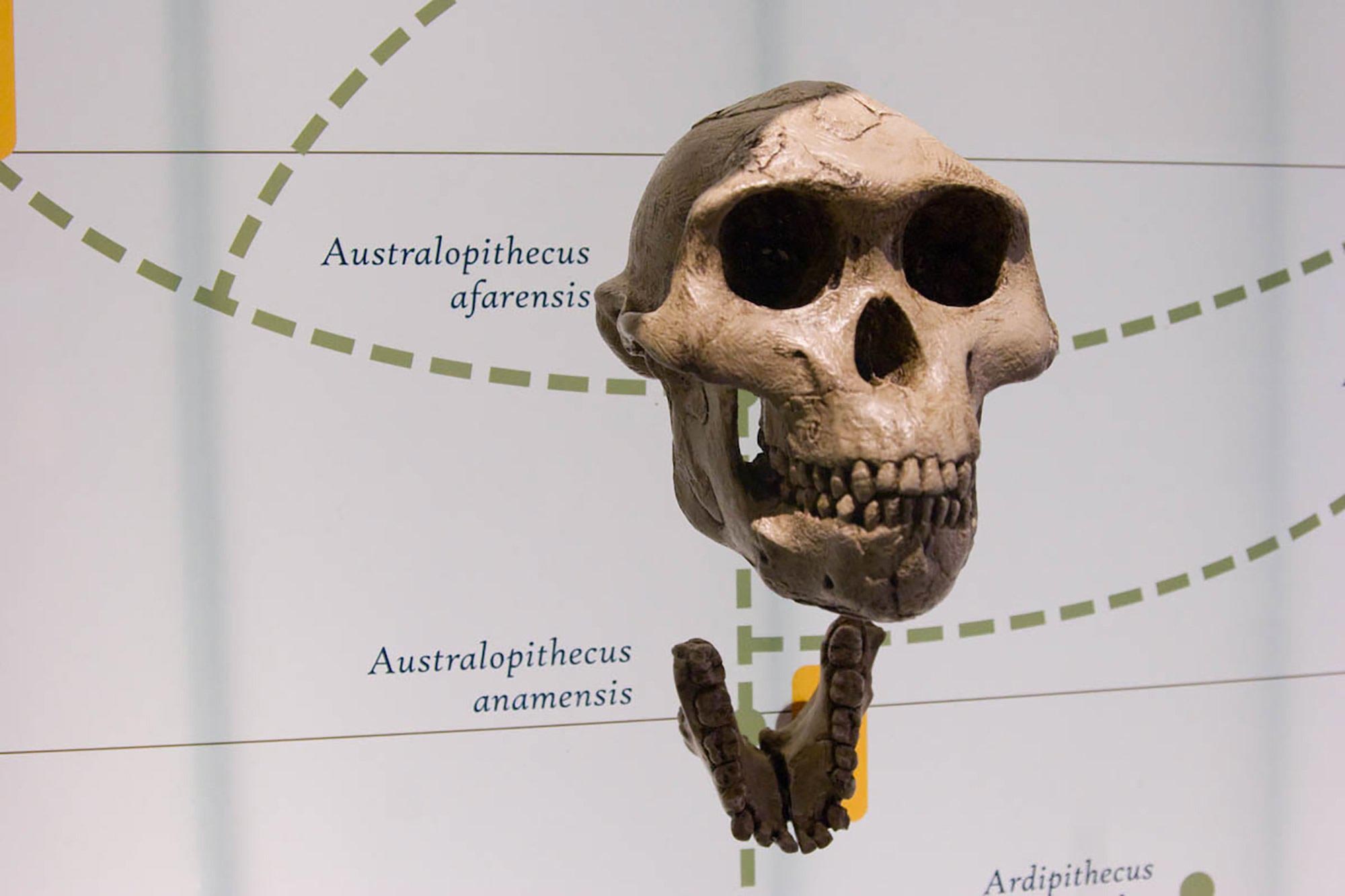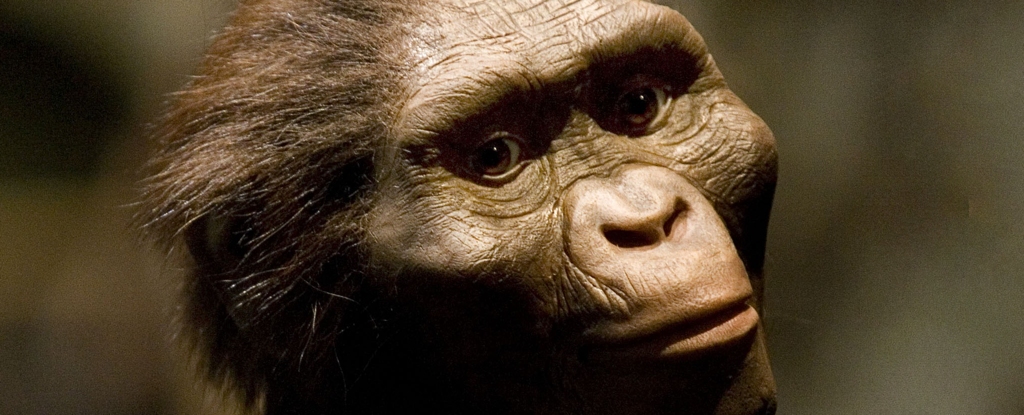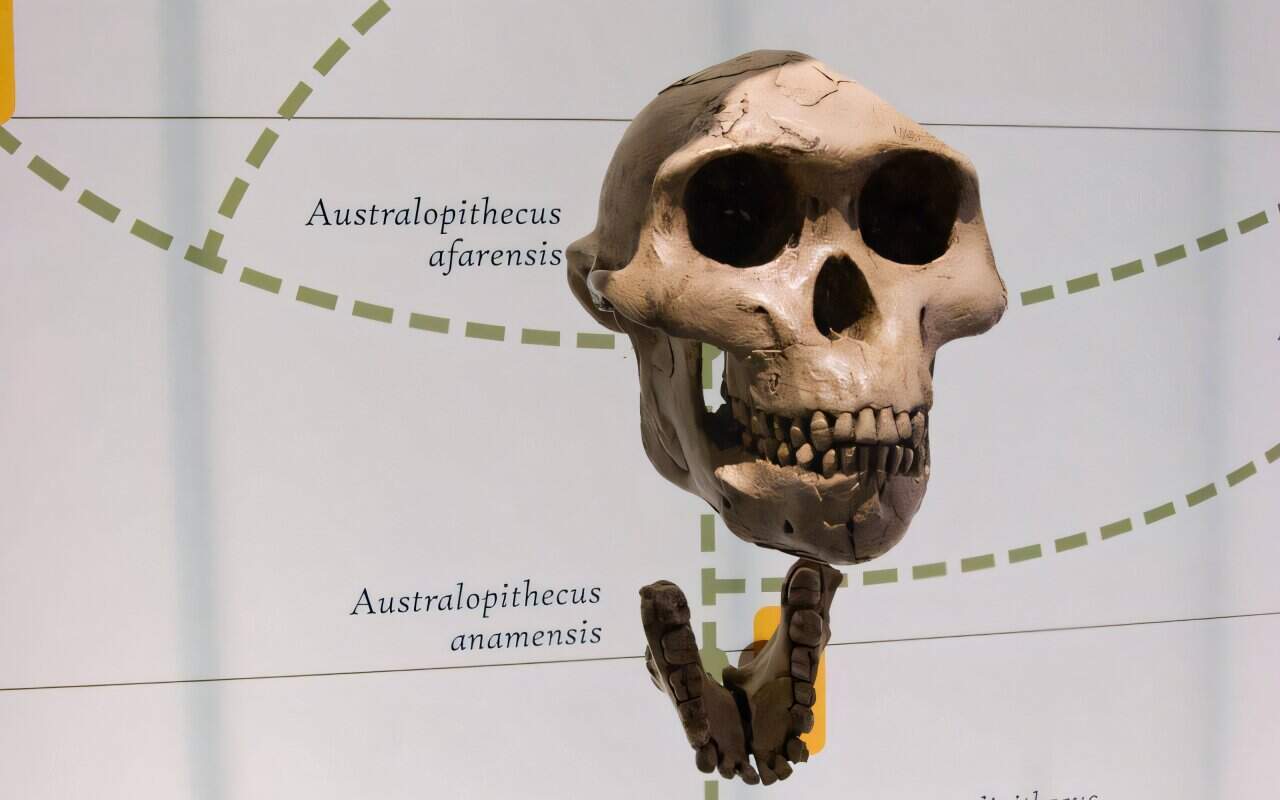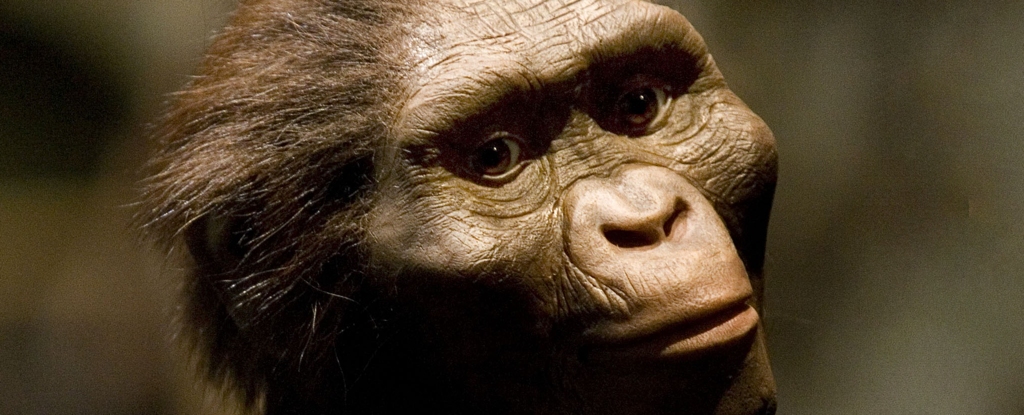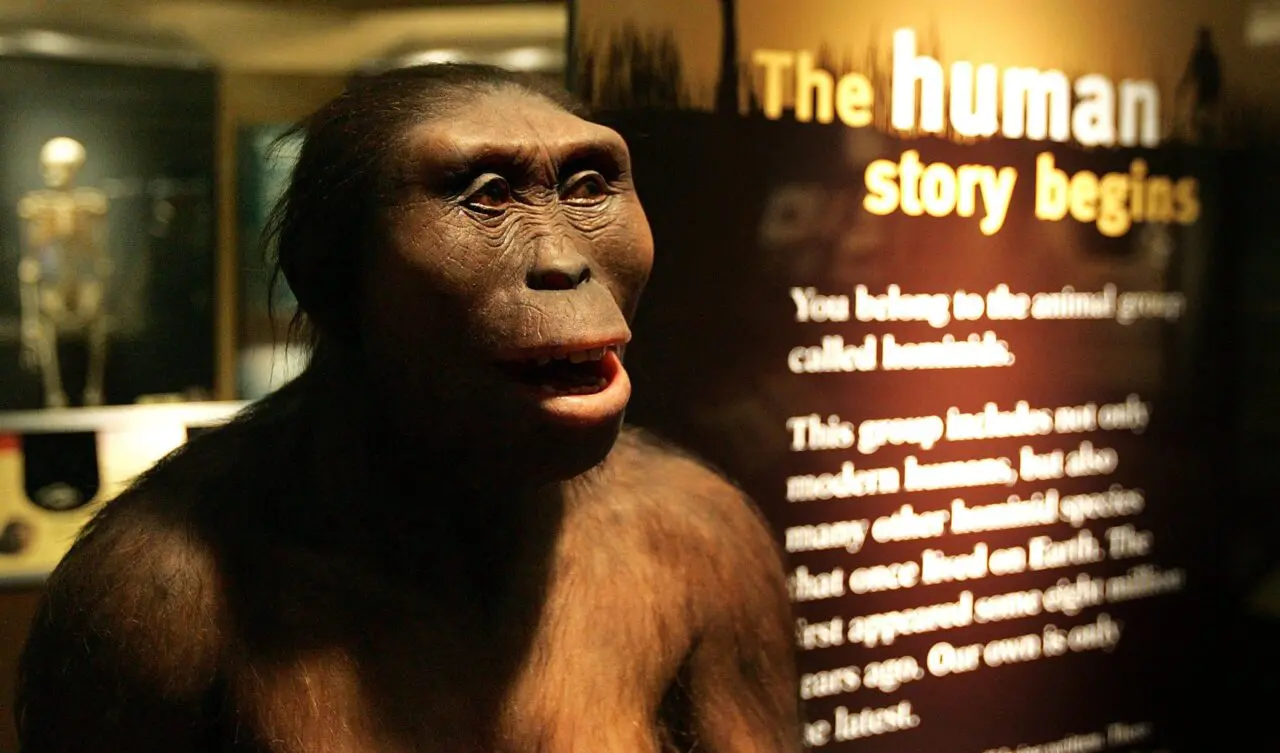
Fifty years after the discovery of Lucy, a 3.2 million-year-old fossil, scientists have gained extensive insights into her life, death, and the evolution of early humans, revealing her species' adaptability, social behavior, and the challenges faced by our ancestors.
Recent research questions Lucy's status as the direct ancestor of humans, suggesting other species like A. deyiremeda or A. africanus might be closer to our lineage, sparking debate among scientists about human evolutionary origins.
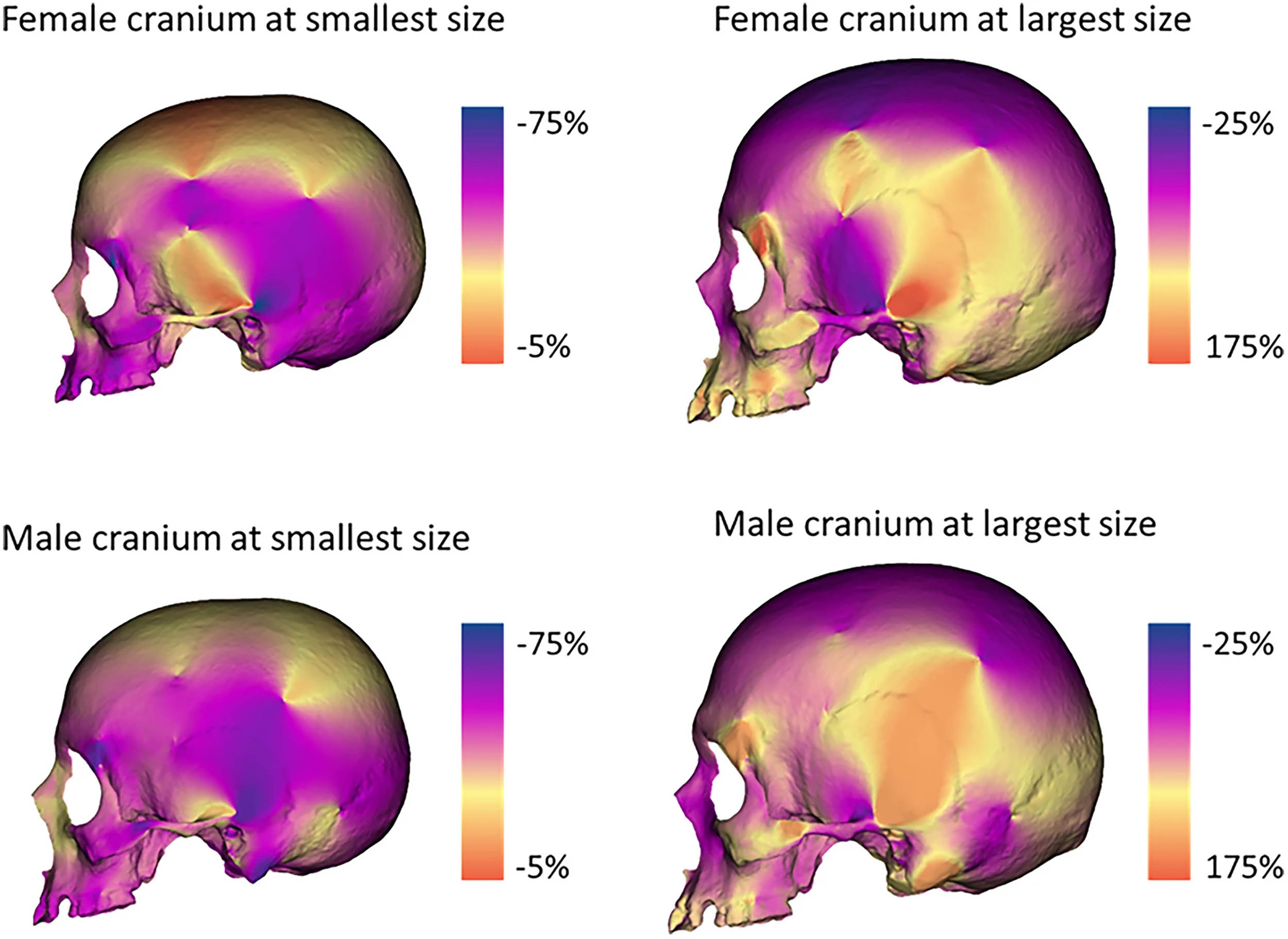
A new study reveals that early human ancestors like Australopithecus afarensis and A. africanus exhibited significant sexual size differences, suggesting they lived in competitive, hierarchical societies more akin to gorillas than modern humans, challenging previous views on their social behavior.
A new study comparing fossils of Australopithecus afarensis and Australopithecus africanus reveals significant sexual dimorphism, suggesting that early human ancestors had social structures with intense male competition, similar to great apes, challenging previous assumptions of more human-like social patterns.
Paleontologists discovered teeth of two different ancient human lineages at the same site in Ethiopia, suggesting that our ancestors and australopithecines coexisted and evolved side by side over hundreds of thousands of years, challenging the traditional linear view of human evolution.
A new study reveals that early human ancestors like Australopithecus afarensis exhibited extreme size differences between males and females, suggesting intense male competition and diverse social structures, with implications for understanding human evolution.
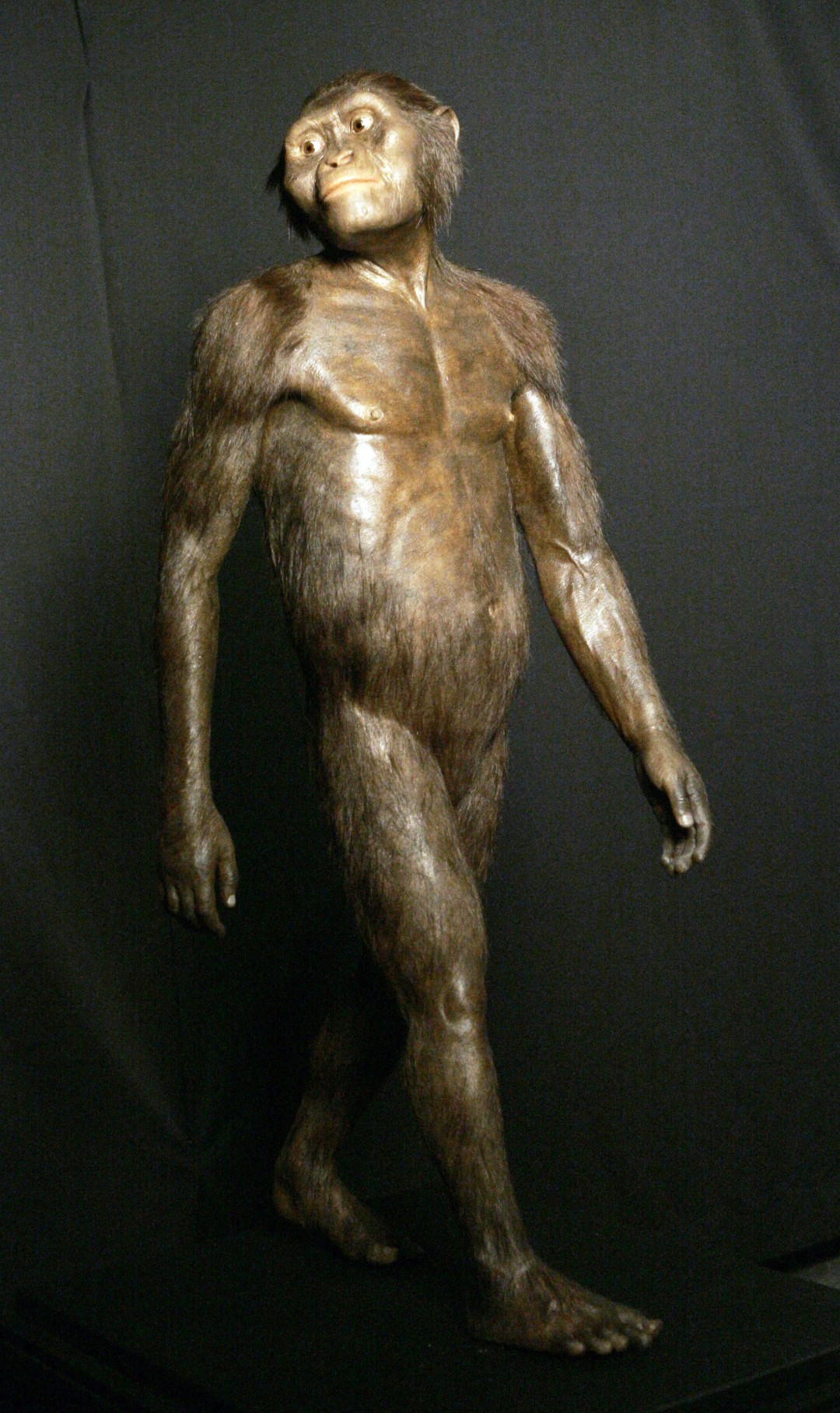
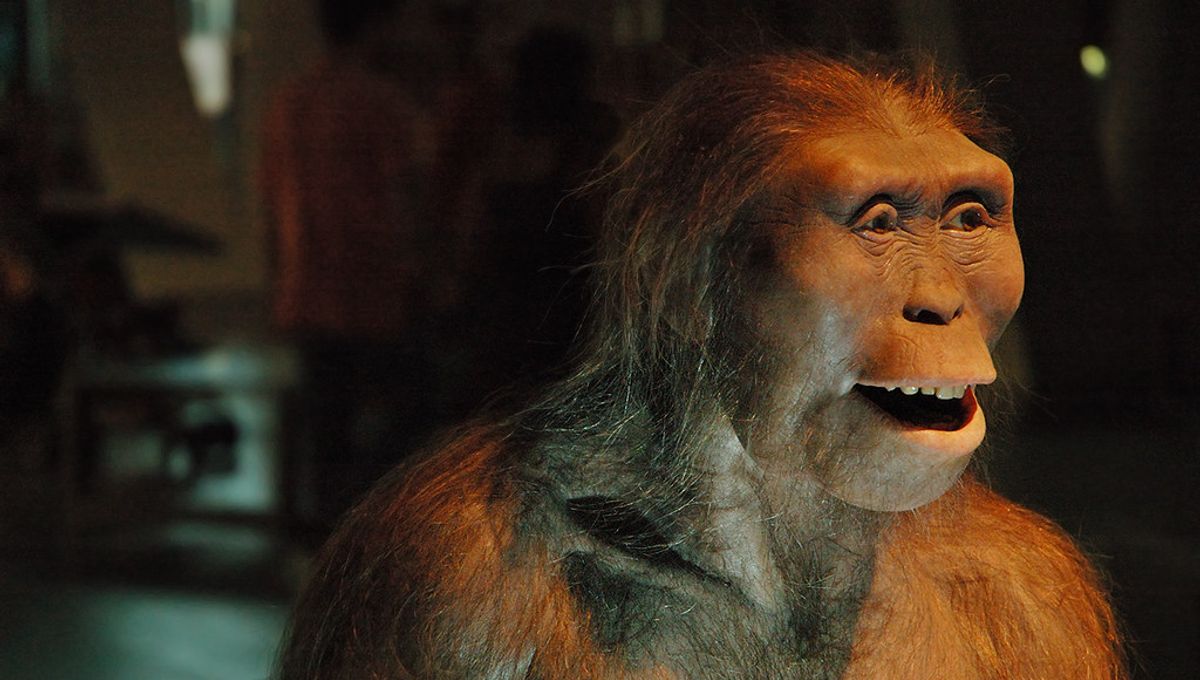
Lucy, a 3.2-million-year-old Australopithecus afarensis fossil discovered in Ethiopia in 1974, became a global icon in human evolution due to her completeness and age, confirming early upright walking in human ancestors. Her fame was propelled by her catchy nickname, the public engagement efforts of her discoverer Donald Johanson, and her role in advancing the study of human origins. Despite newer discoveries, Lucy remains a benchmark in paleoanthropology.
The discovery of Lucy, a 3.18-million-year-old Australopithecus afarensis skeleton found in Ethiopia in 1974, significantly advanced the understanding of human evolution. Lucy's remains, which are about 40% complete, revealed that human ancestors existed over three million years ago and provided a framework for interpreting other fossil finds. While initially considered a direct ancestor, newer discoveries suggest Lucy might be more of a distant relative. Ongoing research continues to explore her life and the broader implications for human ancestry.
The discovery of "Lucy," an Australopithecus afarensis fossil found in Ethiopia in 1974, revolutionized the understanding of human evolution by showing that bipedalism preceded the development of large brains. Lucy's remains, dated to 3.2 million years ago, demonstrated that early human ancestors walked upright, challenging previous beliefs that large brains evolved first. Her discovery has significantly influenced paleoanthropological research and remains a cornerstone in the study of human origins.
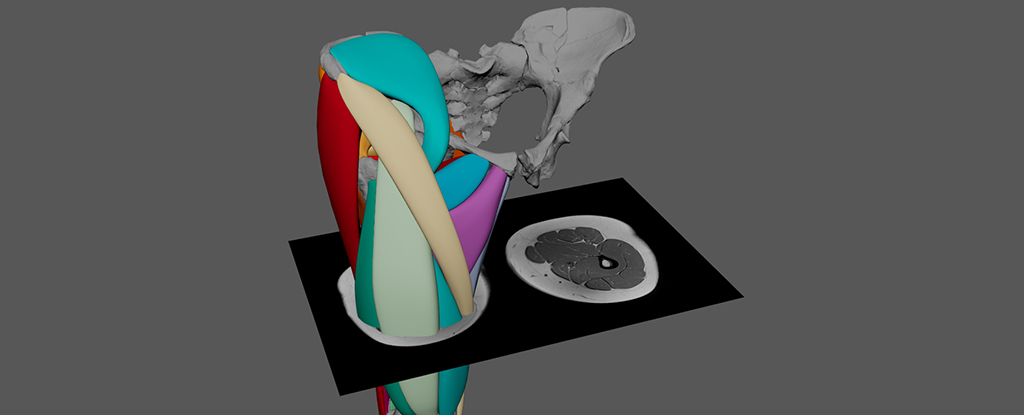
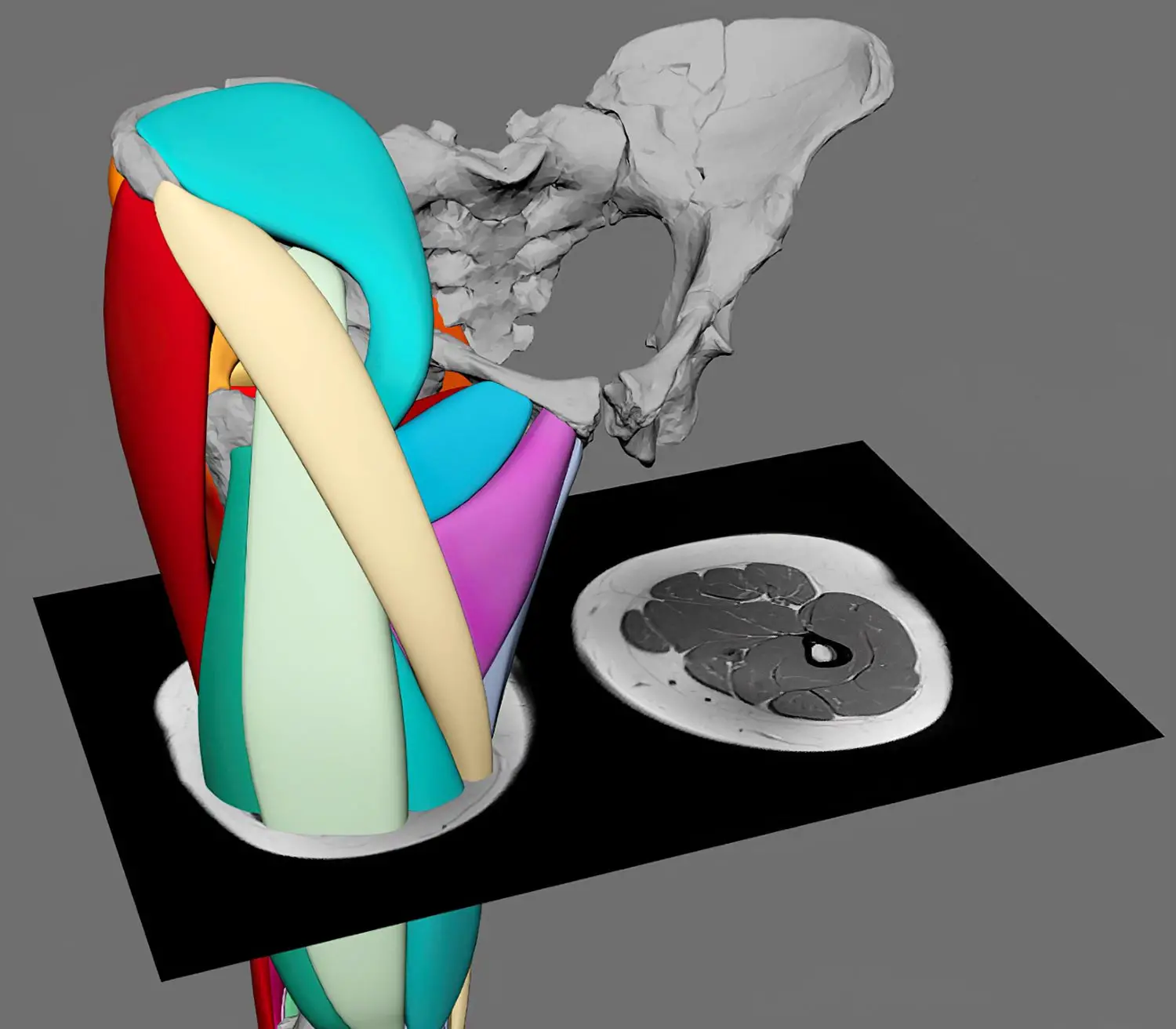
New research has used digital polygonal muscle modeling to reconstruct the soft tissue composition of Lucy, the most famous early human ancestor, and shed light on the evolution of bipedalism. The study found that Lucy and her species, Australopithecus Afarensis, walked upright with an erect position of the knee, similar to humans today. However, Lucy likely had a range of movement types that humans today are not capable of, and her muscles suggest she was as proficient at bipedalism as humans while also being at home in the trees.
Using 3D modeling software, paleoanthropologist Ashleigh Wiseman reconstructed the muscles of the 3.2 million-year-old Australopithecus afarensis fossil, 'Lucy'. The models show that Lucy had strong leg and pelvic muscles for both tree-climbing and upright walking, suggesting that the species was able to exploit both habitats effectively. This is the first time that the soft tissue of an early human ancestor has been reconstructed in this way, and the same modeling technique could be used on other fossils to reveal the spectrum of physical movement that propelled our evolution.
Researchers at Cambridge University have used digital muscle maps to recreate the muscular anatomy of Lucy, the famous Australopithecus afarensis fossil. The end result indicated that Lucy was powerfully built, with 36 muscles in each leg, and her knee extensor muscles were comparable to those of modern humans. However, it's unlikely that Lucy walked exclusively on two legs, as Australopiths are thought to have thrived both on the ground and in trees.
Scientists at the University of Cambridge have used a digital model of the muscle structure of "Lucy," a famous set of early human ancestor remains, to provide further evidence that she could walk upright just as effectively as modern-day Homo sapiens. The remains of Lucy were discovered in 1974 in the Awash Valley of Ethiopia and belonged to the species Australopithecus afarensis. The new study suggests that bipedalism evolved before an increase in brain size, which could have implications for understanding human evolution.
Researchers at Cambridge University have digitally reconstructed the missing soft tissue of the Australopithecus afarensis, a hominin that lived over three million years ago, for the first time. The study, published in the journal Royal Society Open Science, reveals that the hominin had powerful leg and pelvic muscles suited to tree-dwelling, but knee muscles that allowed fully erect walking. The research recreated 36 muscles in each leg, most of which were much larger in Lucy and occupied greater space in the legs compared to modern humans.
A 3D digital re-creation of the muscular anatomy of "Lucy," an Australopithecus afarensis fossil, has confirmed that she was capable of walking fully erect. The 3.2 million-year-old hominin was among the first to walk upright, and the new study, published in the journal Royal Society Open Science, suggests that she was as proficient at bipedalism as modern humans. The study also suggests that Lucy was possibly also at home in the trees.