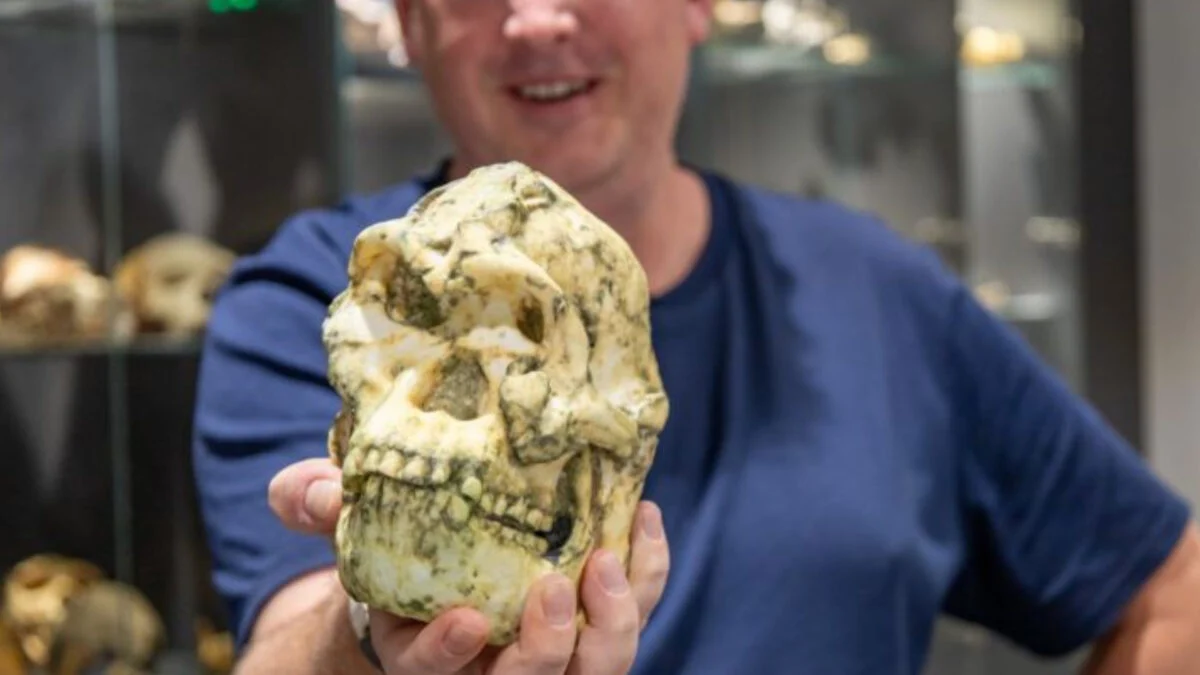
Fossils of an early human ancestor dating back 700,000 years were discovered in Morocco, potentially representing a major missing link in human evolution and supporting the theory of a deep African origin for Homo sapiens.
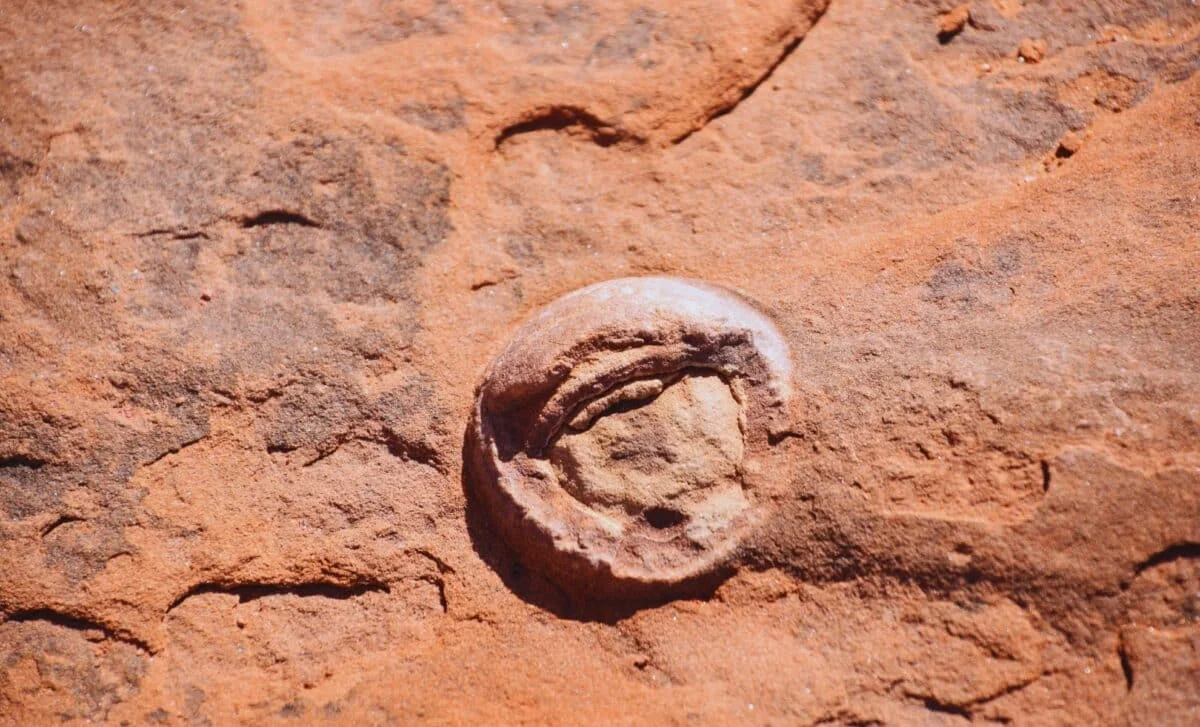
Paleontologists in India discovered the first dinosaur egg containing another egg, a condition previously known only in birds, suggesting similarities in reproductive anatomy between titanosaurs, birds, and crocodiles, and providing new insights into dinosaur biology.
Scientists discovered exceptionally preserved soft-bodied fossils in the Grand Canyon's Bright Angel Formation, revealing a diverse and complex Cambrian ecosystem that thrived in oxygen-rich shallow waters, challenging previous assumptions about fossil preservation conditions and offering new insights into early animal evolution.
The article traces the history of Australopithecus prometheus, a controversial early hominin species initially identified from fossils in South Africa, including the famous 'Little Foot' skeleton, highlighting its discovery, misinterpretations, and ongoing debates about its classification and significance in human evolution.
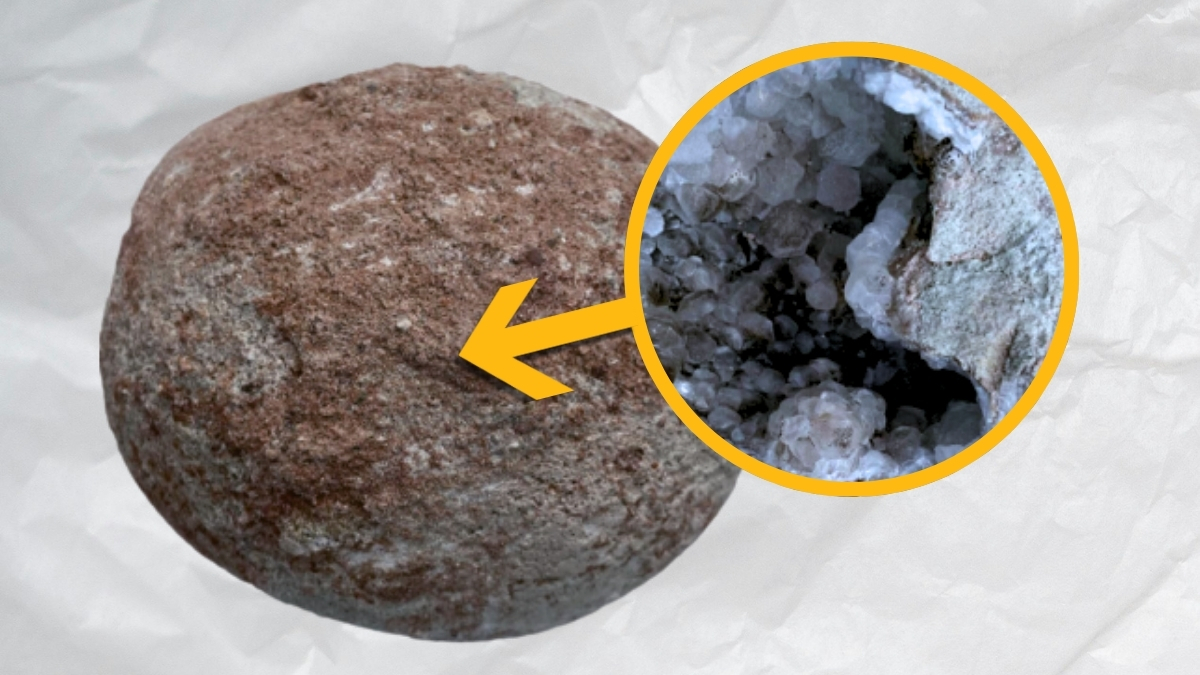
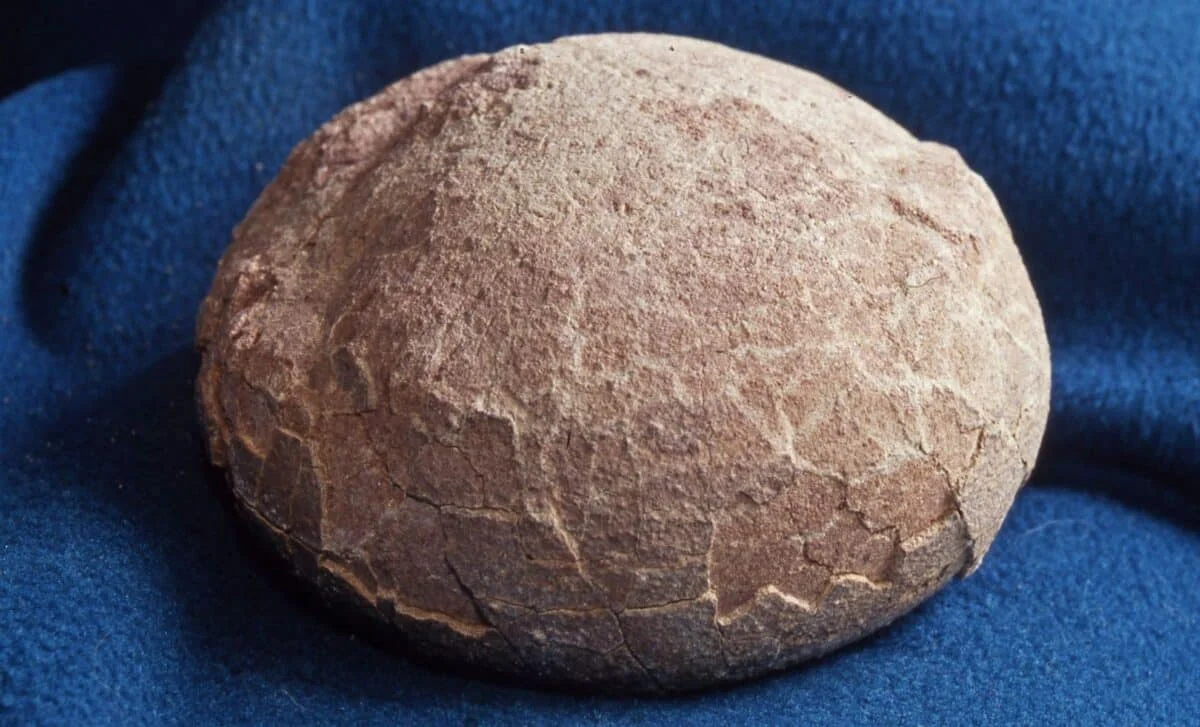
A 70-million-year-old dinosaur egg from China was found to contain sparkling calcite crystals lining its interior, providing unique insights into the egg's structure and environmental conditions, and representing a rare geode-like discovery that enhances understanding of dinosaur reproductive biology and fossil preservation.
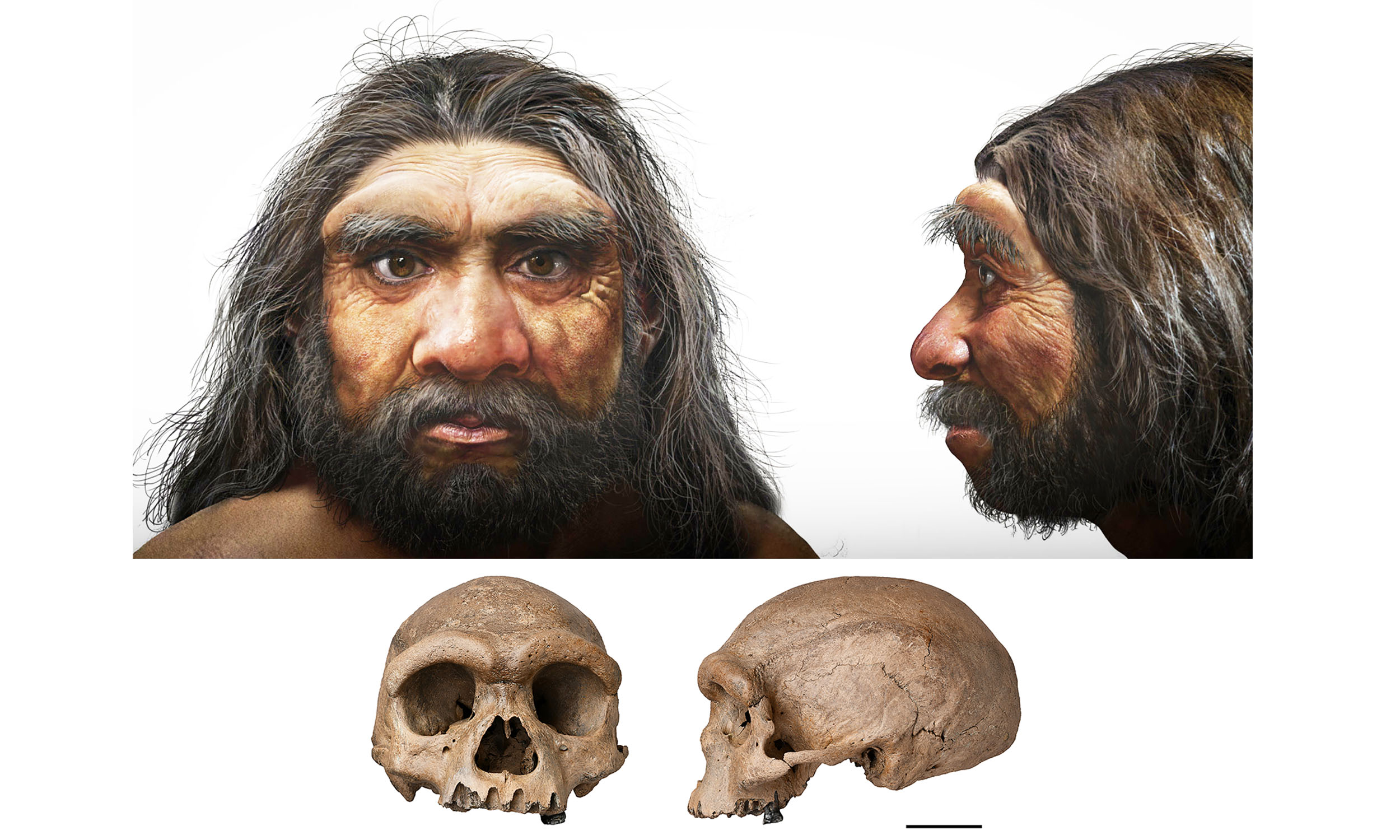
Scientists have identified a new human ancestor, 'Dragon Man,' linking it to the Denisovan group through advanced protein analysis of a 146,000-year-old skull from Harbin, China, providing new insights into human evolution and ancient migrations.
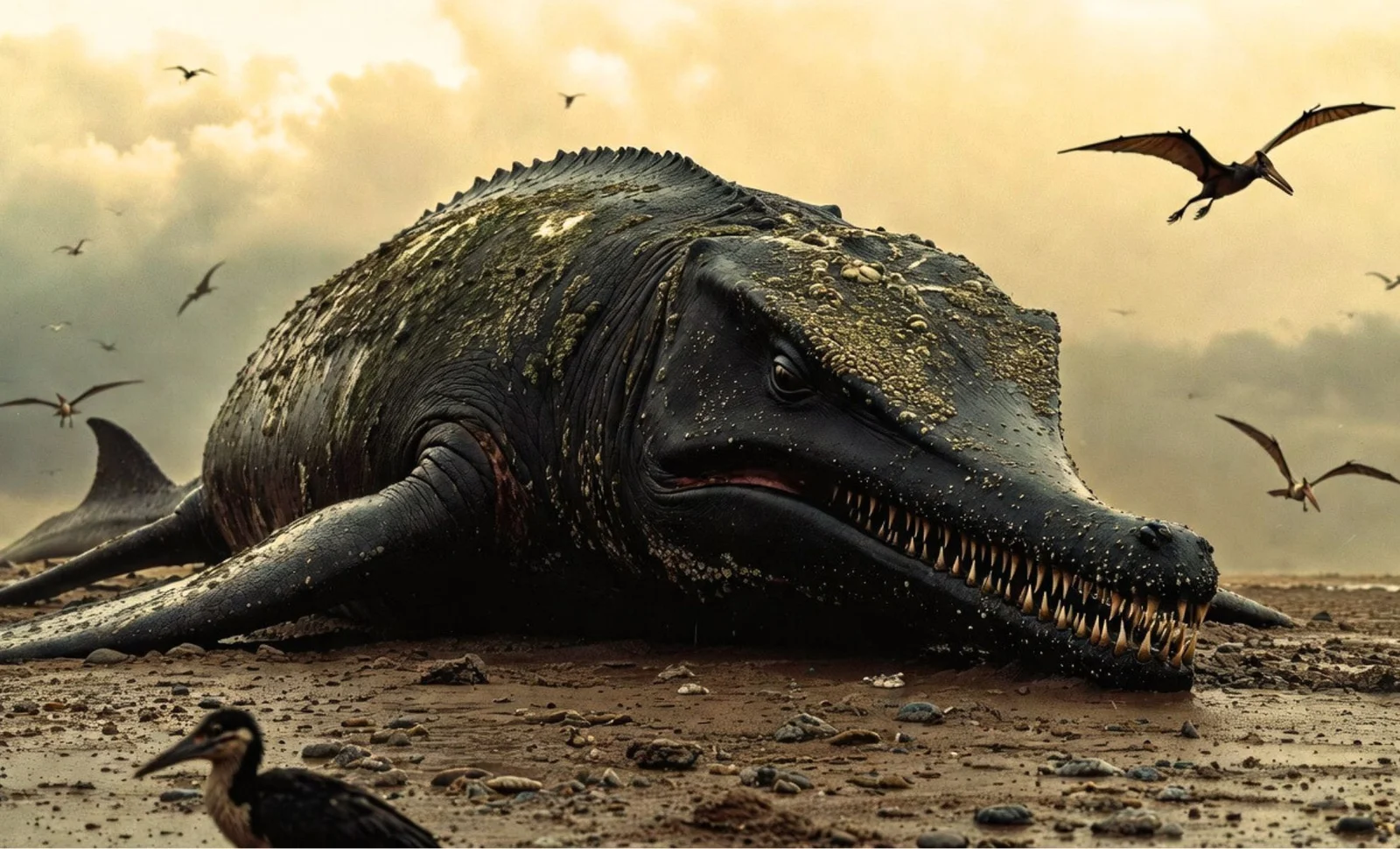
An 11-year-old girl discovered a fossil in England that led scientists to identify a new giant ichthyosaur species, Ichthyotitan severnensis, potentially the largest marine reptile ever, measuring up to 25 meters long and dating back to the late Triassic period.
Scientists have identified a nearly 146,000-year-old skull from Harbin, China, as belonging to a Denisovan, using protein analysis and DNA evidence, providing the first clear link between a Denisovan fossil and its physical appearance, and revealing insights into their size, diet, and contribution to modern human genetics.
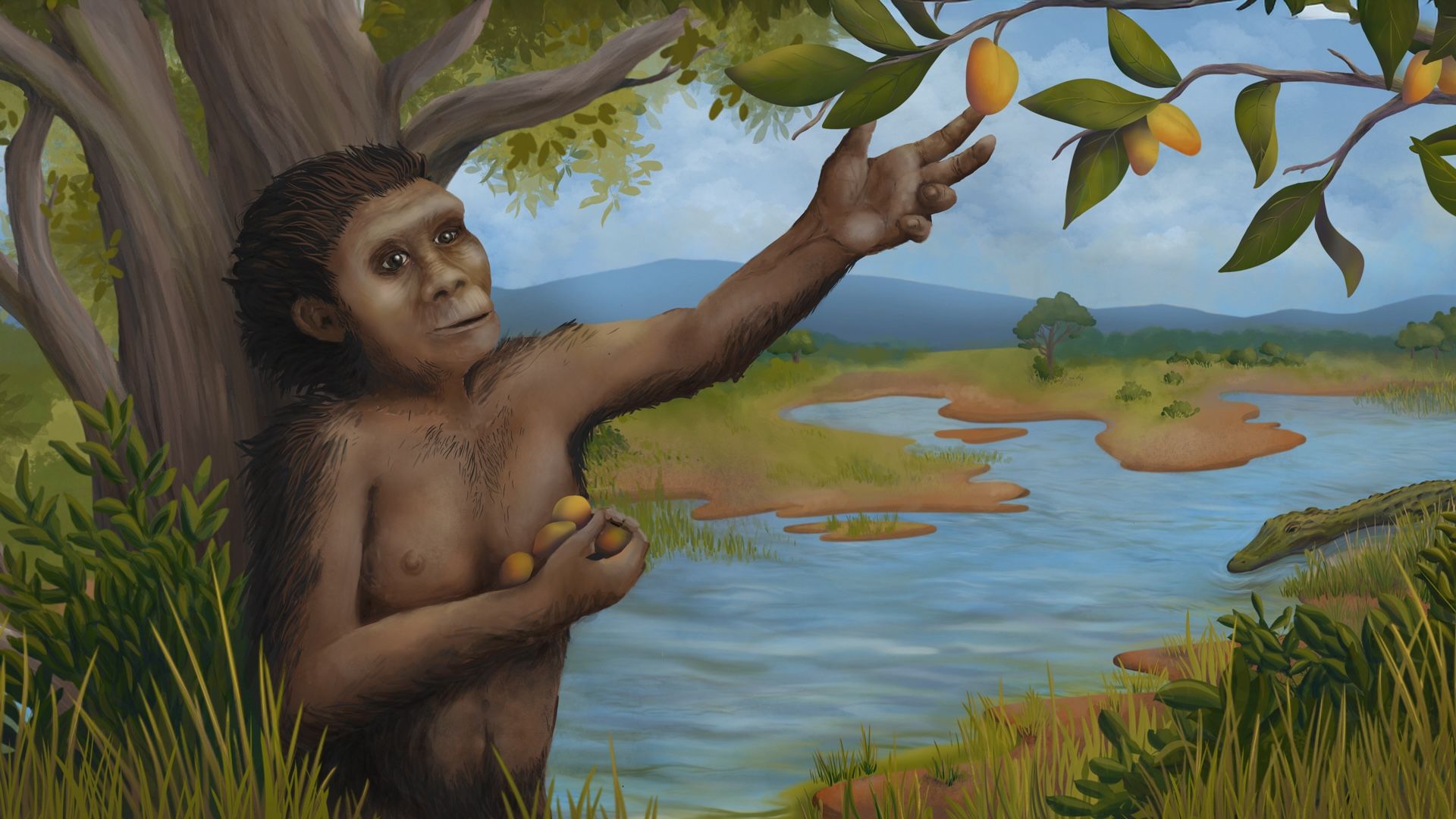
Fifty years after the discovery of Lucy, a 3.2 million-year-old fossil, scientists have gained extensive insights into her life, death, and the evolution of early humans, revealing her species' adaptability, social behavior, and the challenges faced by our ancestors.
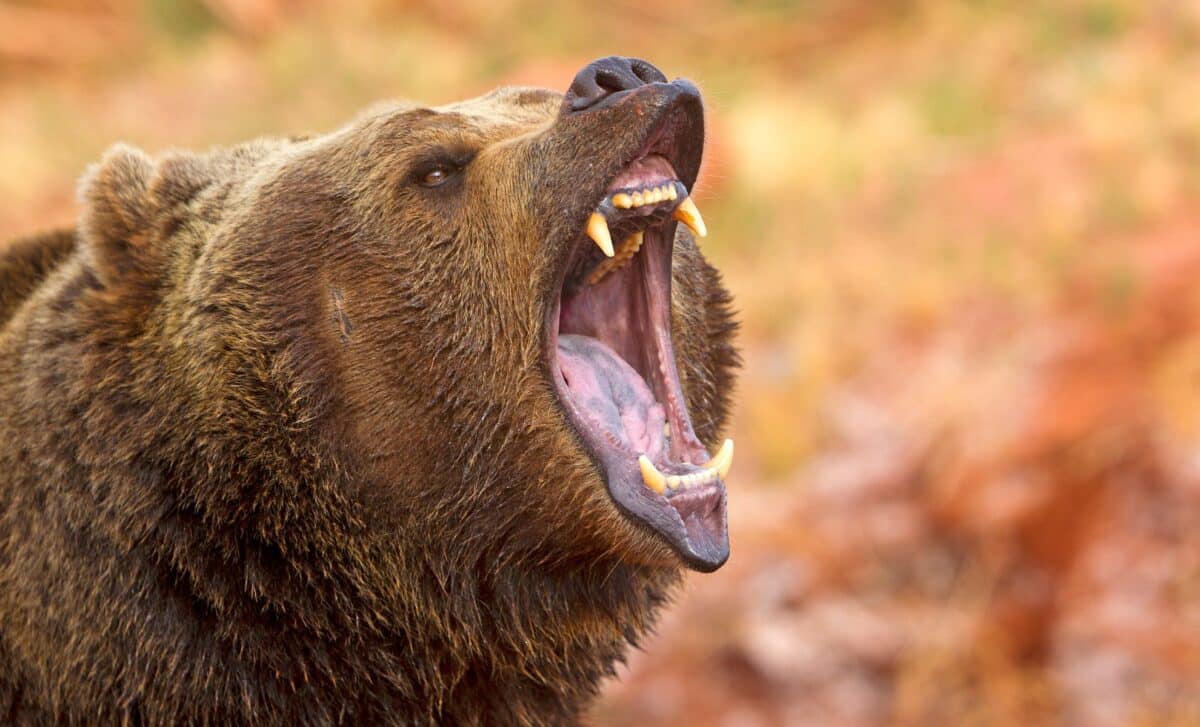
Scientists discovered a perfectly preserved 3,460-year-old brown bear in Siberia's permafrost, providing unique insights into ancient wildlife, including soft tissues and diet, challenging initial assumptions that it was an Ice Age cave bear.
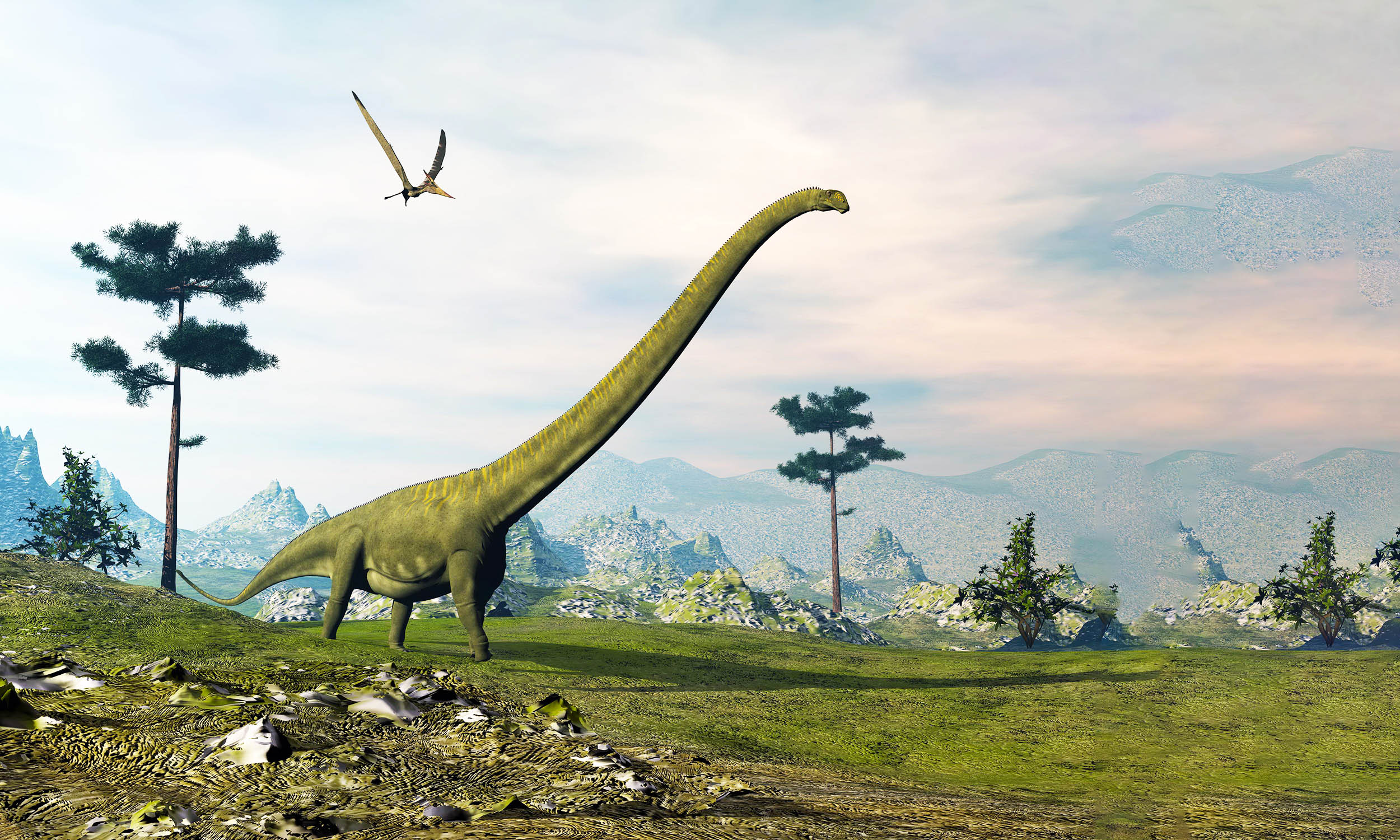
Researchers in China have identified a new long-necked dinosaur species, Mamenchisaurus sanjiangensis, from the Late Jurassic period, shedding light on the diversity and evolution of sauropods in East Asia and challenging previous notions of geographic isolation during that era.
Two well-preserved fossilized dinosaur eggs with internal crystal formations were discovered in China's Anhui province, attributed to a new oospecies, Shixingoolithus qianshanensis, highlighting the region's rich paleontological record and the preservation of ancient nesting sites.
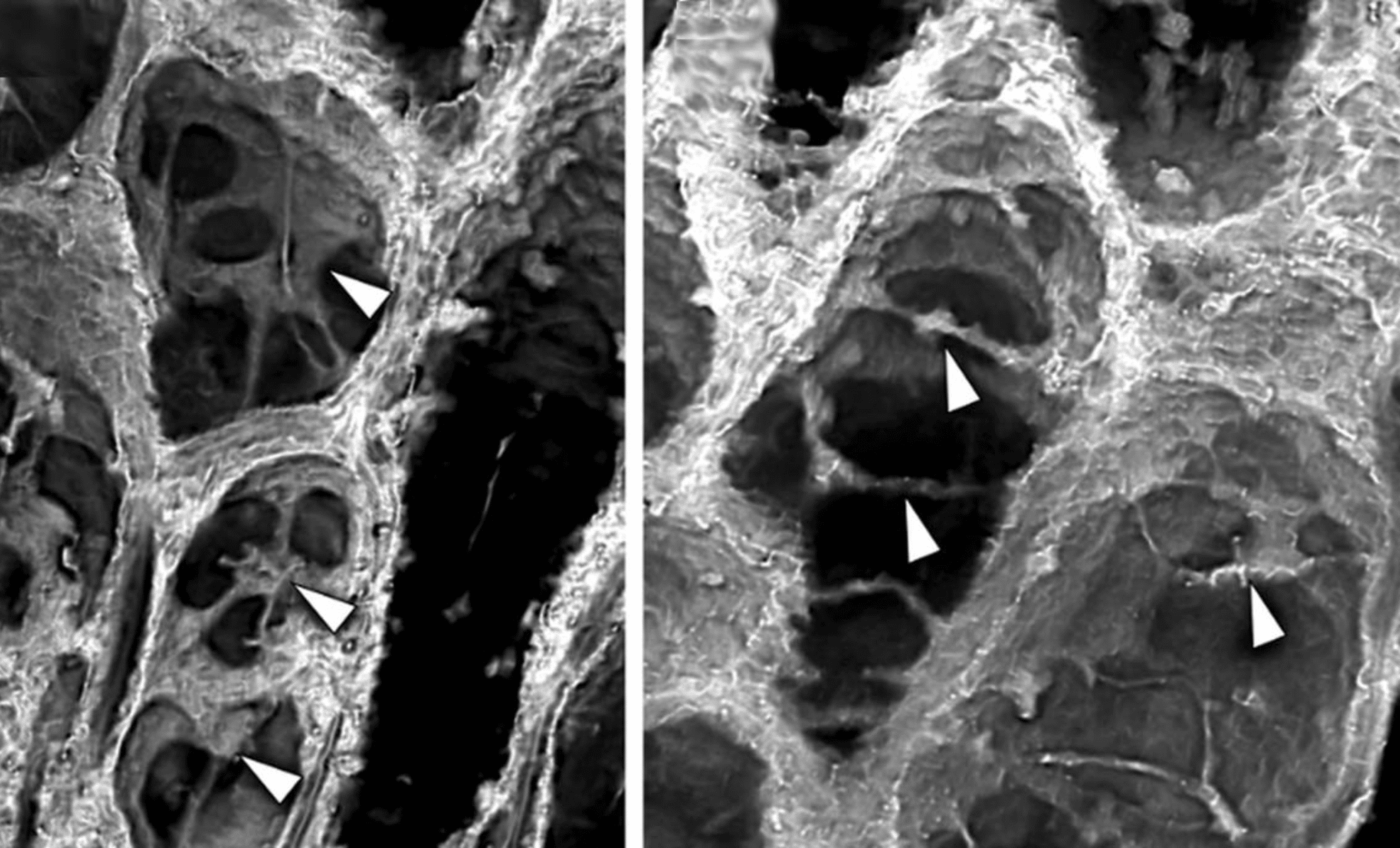
A 400-million-year-old fossil of Horneophyton lignieri reveals that early land plants had a more complex vascular system than previously thought, with a unified system for water and sugar transport, challenging traditional views of plant evolution and shedding light on how plants adapted to terrestrial life.
New research challenges the previous classification of the complete human ancestor fossil 'Little Foot,' suggesting it may belong to a previously unidentified species, which could reshape our understanding of human evolution.
Paleontologists in China discovered a new species of false saber-toothed cat, Taotienimravus songi, from the middle Oligocene era, which provides insights into early large carnivores and their ecological niches in Eurasia.