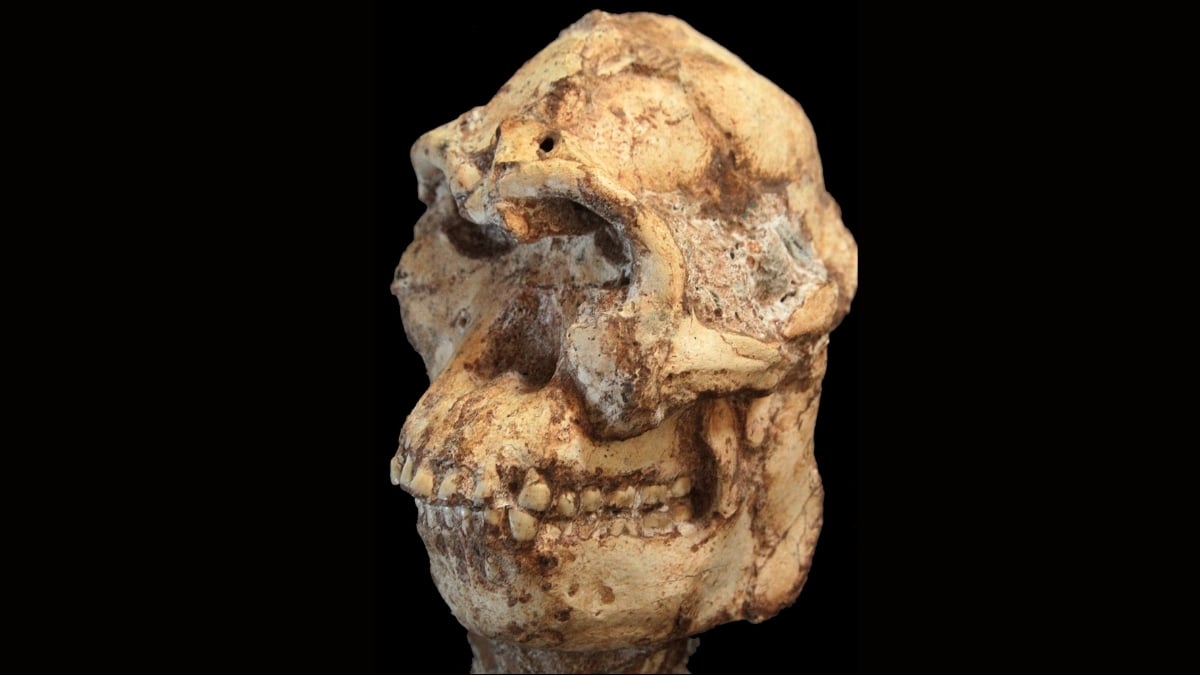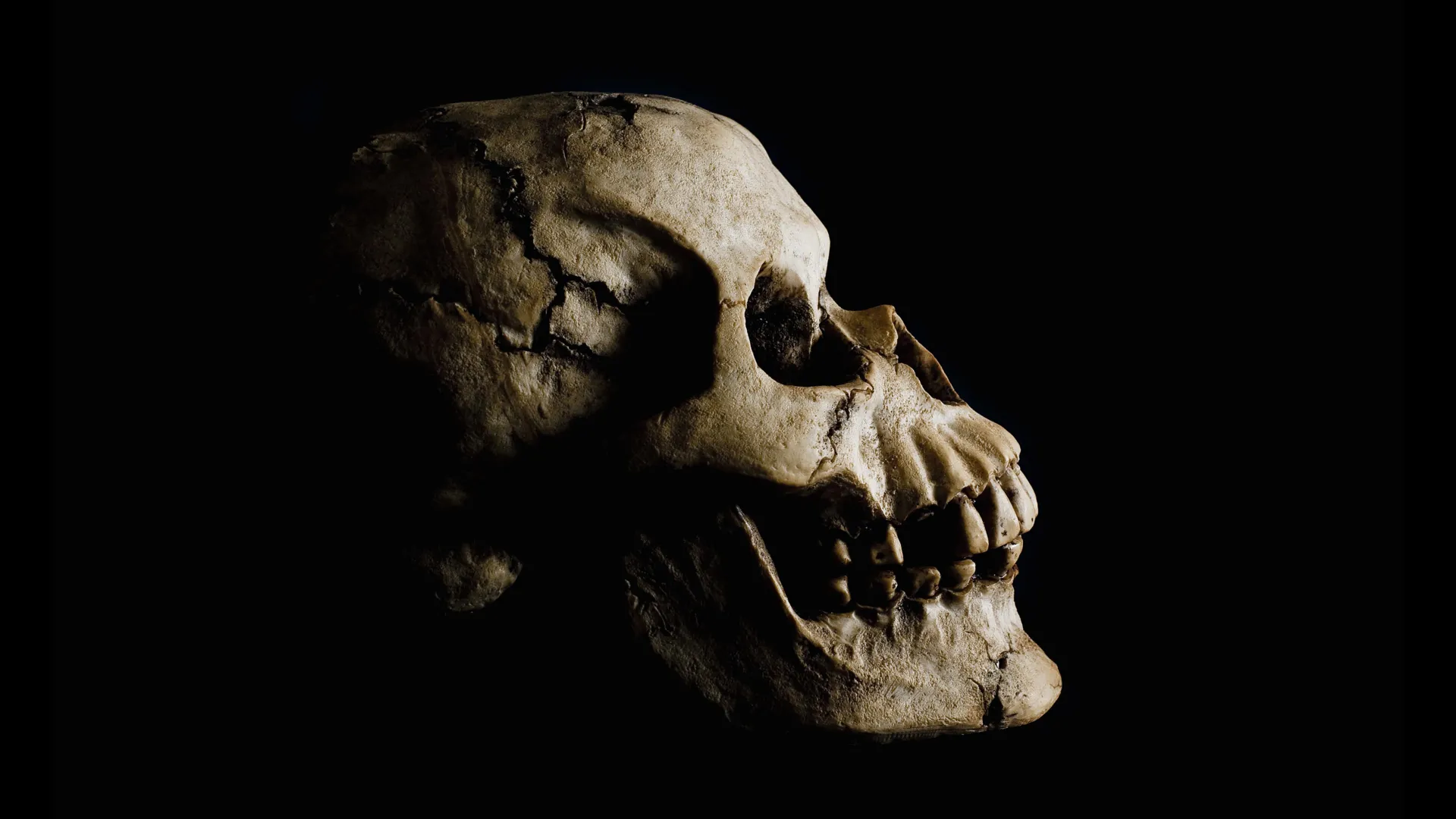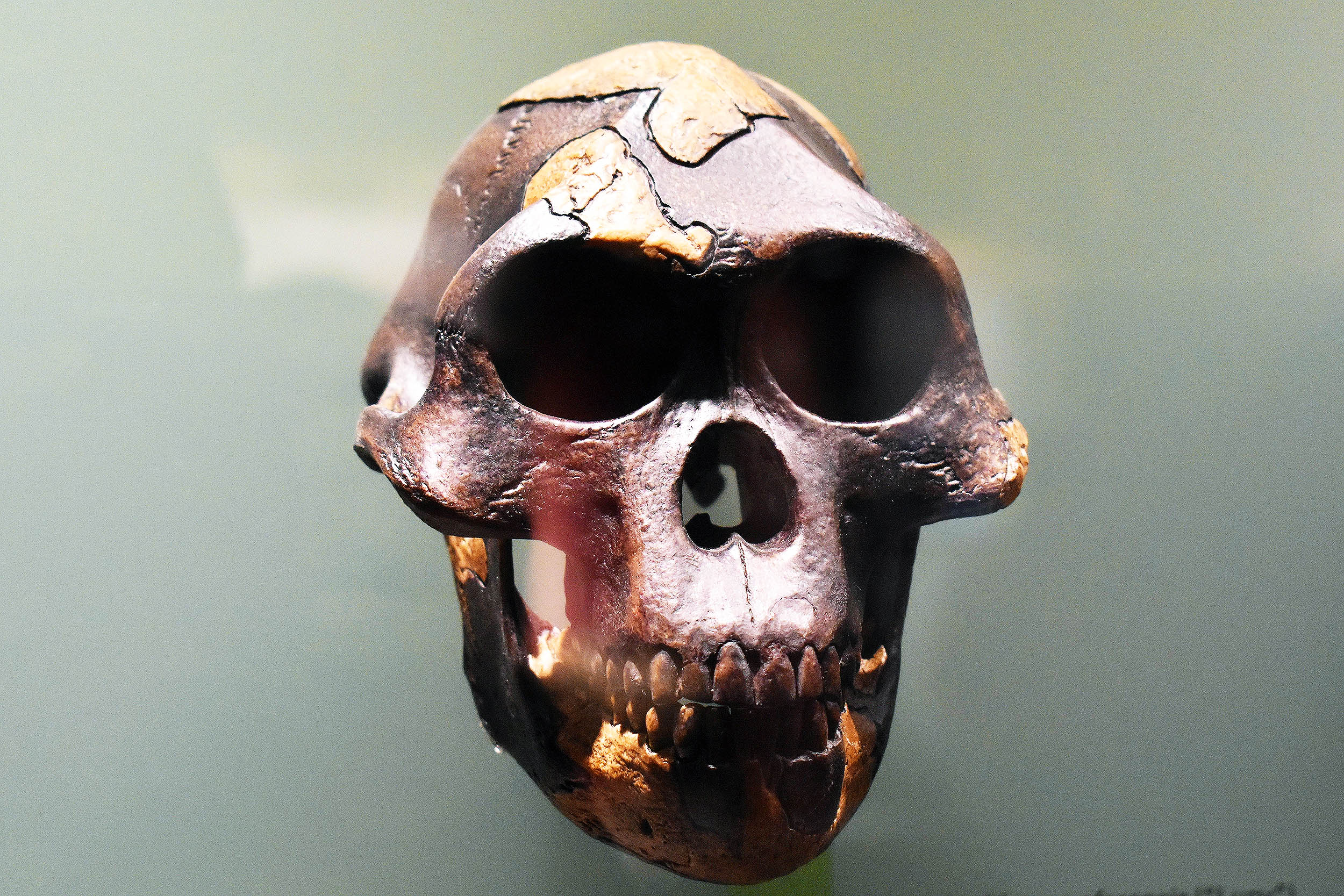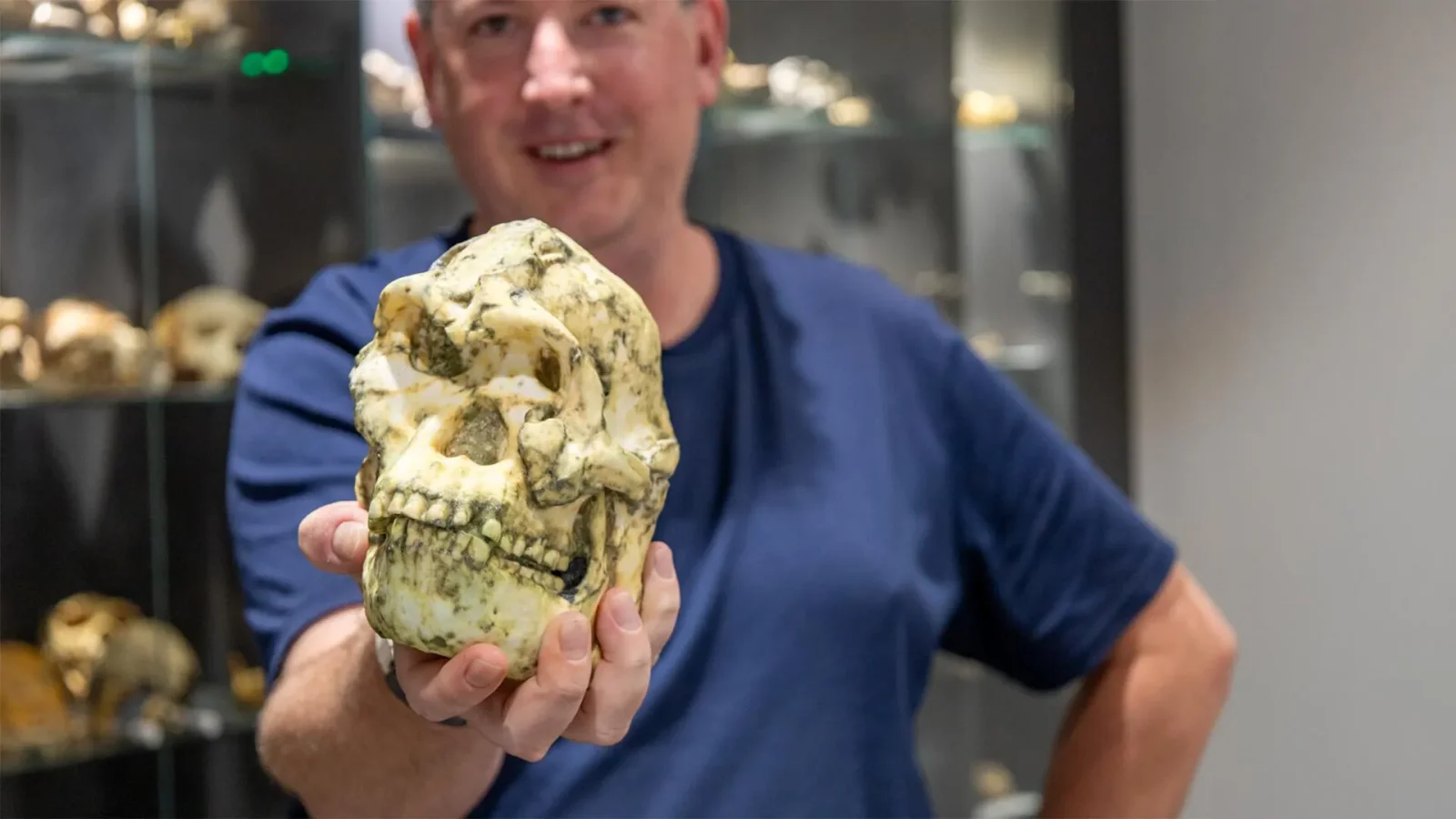
A nearly complete early human fossil known as Little Foot, found in South Africa, is now believed by researchers to possibly represent a new, previously unrecognized species, challenging previous classifications and offering new insights into human evolution.
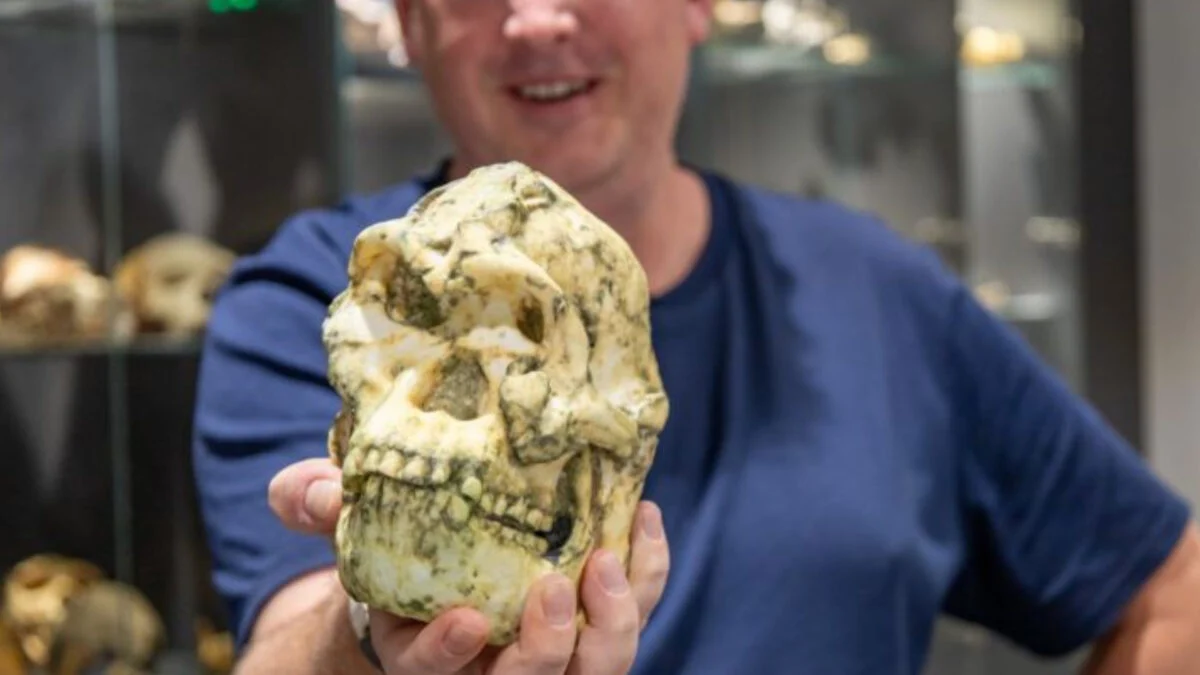
New research challenges the previous classification of the complete human ancestor fossil 'Little Foot,' suggesting it may belong to a previously unidentified species, which could reshape our understanding of human evolution.
A well-preserved hominin fossil known as Little Foot, discovered in South Africa, may represent a new species of Australopithecus, challenging previous classifications and highlighting the complexity of human evolutionary history.
A recent study suggests that Little Foot, a well-preserved hominin fossil from South Africa, may represent a previously unknown species of human ancestor, challenging previous classifications and highlighting the complexity of human evolutionary history.
New fossils from Ethiopia reveal that early Homo and Australopithecus species coexisted around 2.6 million years ago, challenging previous assumptions of a linear evolution and highlighting the complex bushy nature of human ancestry.
Scientists in Ethiopia discovered fossils indicating that Australopithecus and the earliest Homo species coexisted around 2.6 to 2.8 million years ago, including a new Australopithecus species and the oldest Homo fossils, challenging linear views of human evolution and highlighting a complex, bushy evolutionary tree.
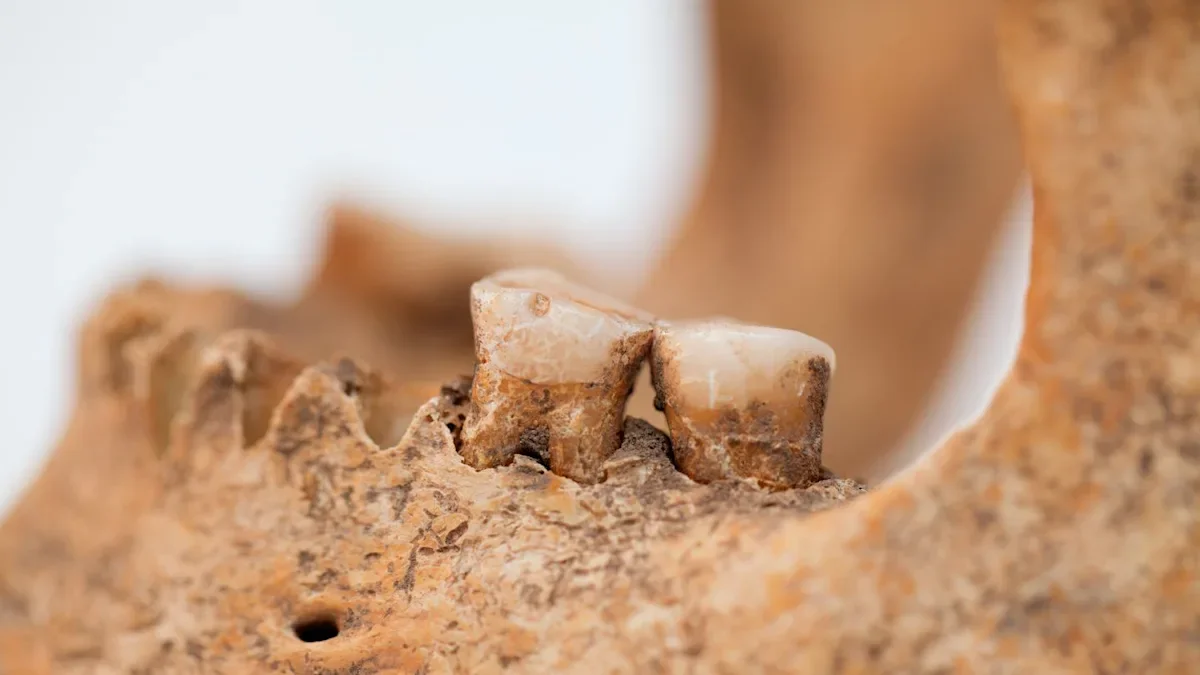
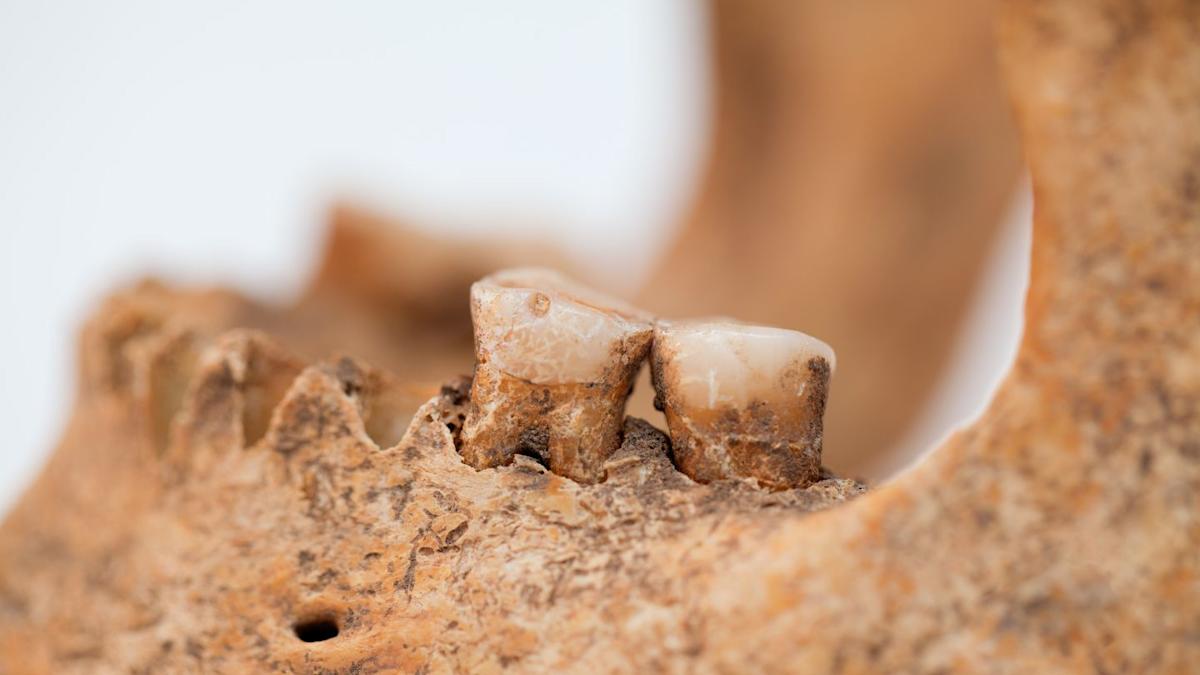
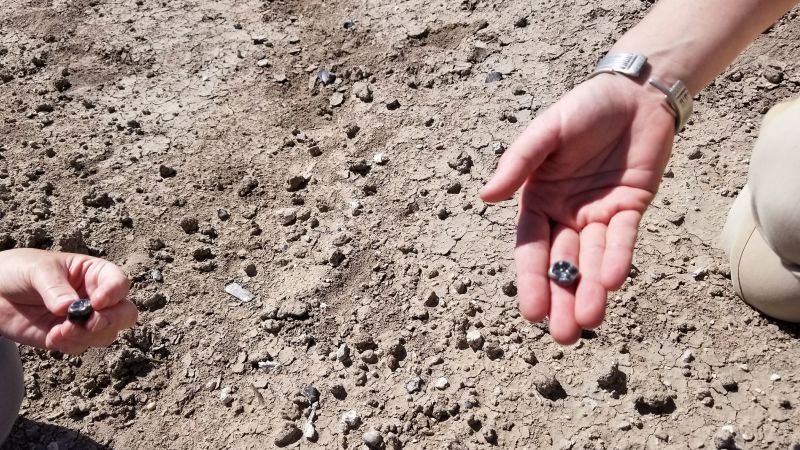
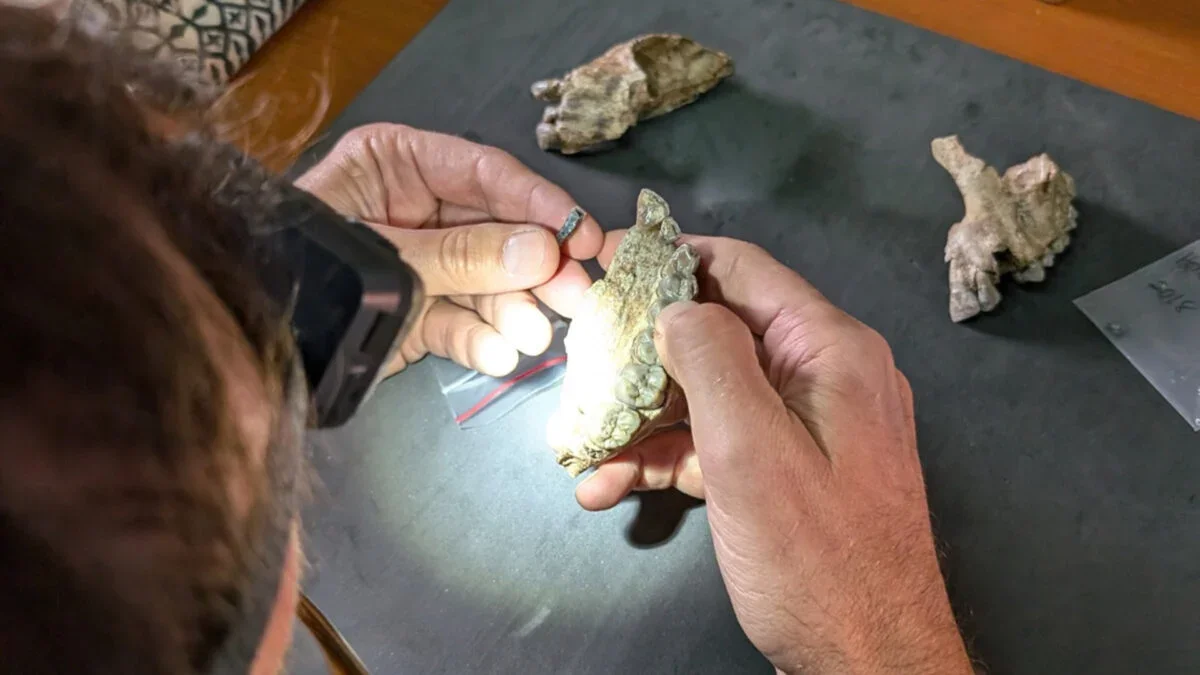
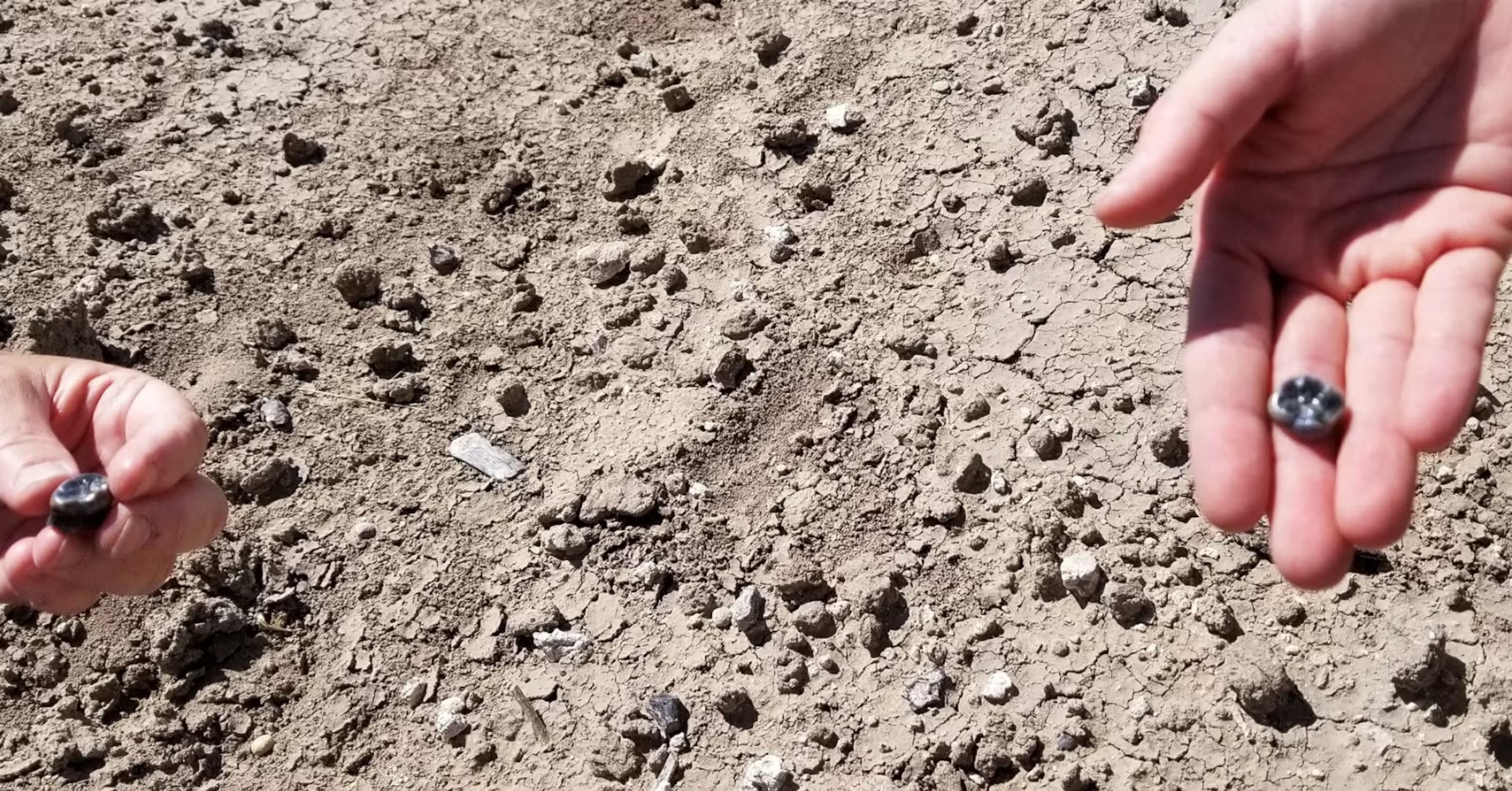
Scientists in Ethiopia discovered 13 teeth from a potential new species of Australopithecus, dating back 2.6 to 2.8 million years, suggesting that Australopithecus and early Homo species coexisted, challenging traditional views of human evolution.
Scientists discovered 13 teeth in Ethiopia that may belong to a new species of Australopithecus, suggesting that these ancient hominins coexisted with early Homo species around 2.8 million years ago, challenging traditional views of human evolution.
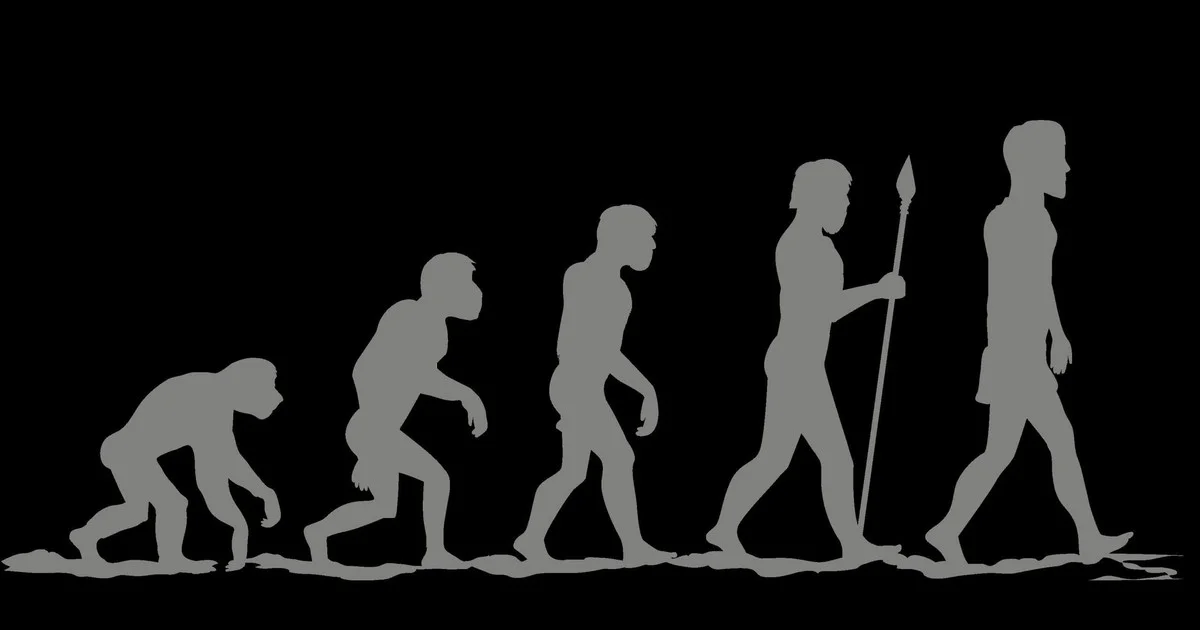
Recent fossil discoveries in Ethiopia reveal that early human evolution was more complex than a linear progression, with multiple hominin species like Australopithecus and early Homo coexisting around 2.6 to 2.8 million years ago, challenging traditional 'ape-to-human' models and suggesting a bushier evolutionary tree.
Fossilized teeth discovered in Ethiopia reveal that two different human ancestors, possibly including an unknown species, lived simultaneously around 2.6 to 2.8 million years ago, challenging the linear view of human evolution and highlighting a complex, bushy evolutionary tree.
Fossilized teeth found in Ethiopia reveal a new species of Australopithecus that lived alongside the earliest Homo species over 2.6 million years ago, challenging traditional views of linear human evolution and suggesting a more complex, bushy evolutionary tree.
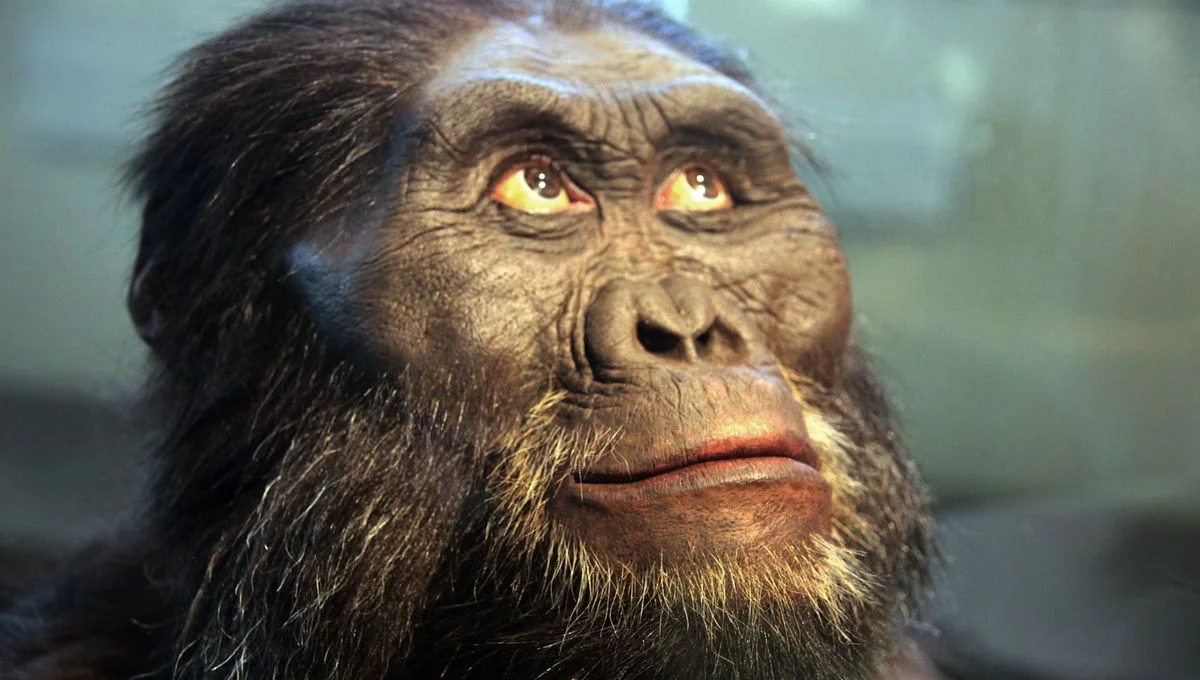
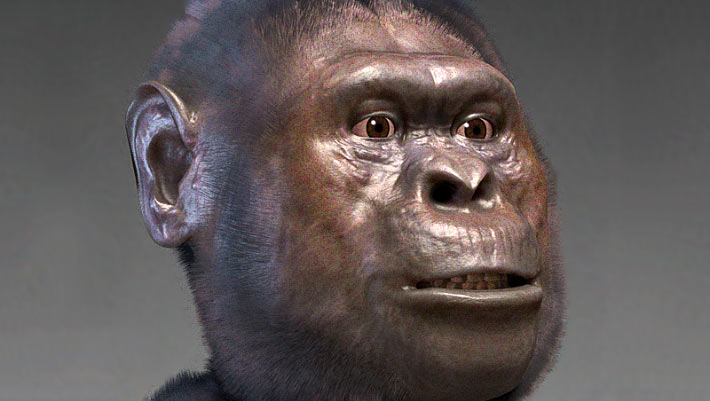
Researchers discovered fossils of a new human-like species, Ledi-Geraru Australopithecus, dating back 2.6 to 2.8 million years in Ethiopia, suggesting multiple hominin lineages coexisted in East Africa, challenging the linear view of human evolution.
Researchers in Ethiopia discovered fossils of a previously unknown human species from about 2.65 million years ago, coexisting with early Homo species, indicating a complex and overlapping human evolutionary history in East Africa.
New fossils from Ethiopia reveal that early Homo and a previously unknown Australopithecus species co-existed around 2.6-2.8 million years ago, challenging the linear view of human evolution and suggesting a more complex, branching process during a critical period of environmental change.
Scientists discovered 2.65 million-year-old fossils in Ethiopia that belong to a new Australopithecus species, coexisting with early Homo species, highlighting the complex and branching nature of human evolution.