
Human Ancestors on the Brink: Population Collapse Threatened Extinction 900,000 Years Ago
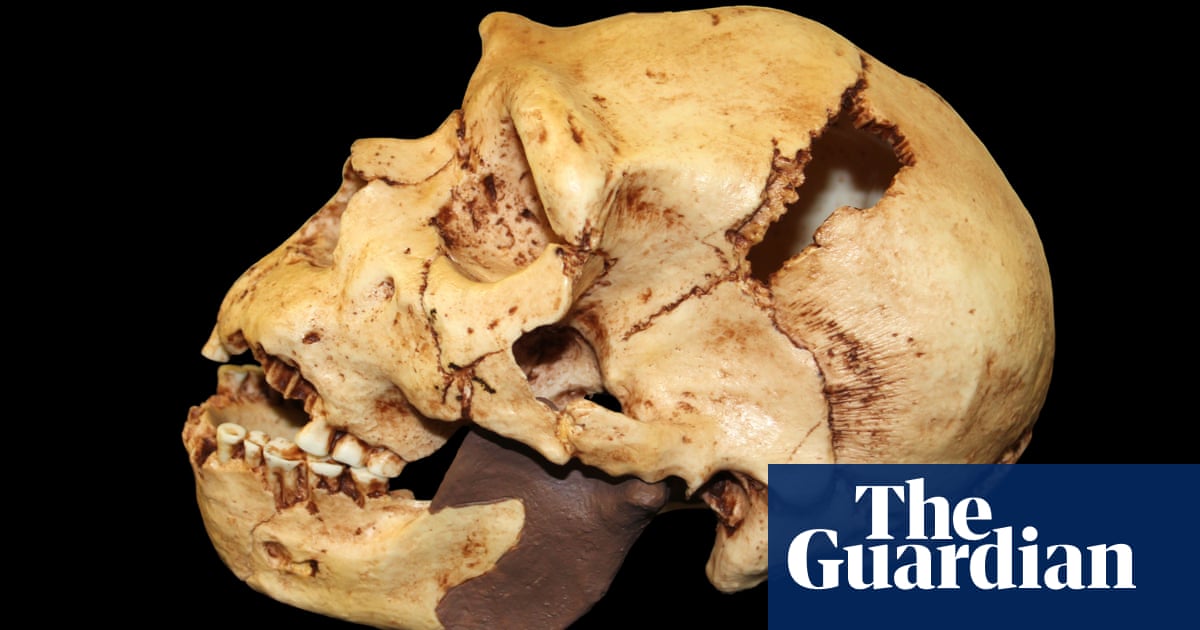
Scientists have discovered that early human ancestors experienced a severe population collapse between 800,000 and 900,000 years ago, with their total population dropping to around 1,280 breeding individuals for approximately 117,000 years. This bottleneck event, likely triggered by an extreme climate event, nearly wiped out our ancestral line. However, it may have also led to the emergence of a new species, Homo heidelbergensis, which could be the shared ancestor of modern humans, Neanderthals, and Denisovans. The decline coincided with significant changes in global climate and a relatively empty period in the fossil record. The study analyzed genomic sequences from over 3,000 individuals and found evidence of the bottleneck in African populations, while non-African populations showed a weaker signal due to a more recent population bottleneck during the out-of-Africa migration. Further research will explore whether genetic samples from Neanderthals and Denisovans also exhibit evidence of the same bottleneck.
- Population collapse almost wiped out human ancestors, say scientists The Guardian
- Only 1,280 Breeding Humans Once Roamed Earth, Gene Study Shows Gizmodo
- Humanity's Ancestors Nearly Died Out, Genetic Study Suggests The New York Times
- Our Human Ancestors Very Nearly Went Extinct 900000 Years Ago, Genetics Suggest Smithsonian Magazine
- Human ancestors nearly went extinct 900,000 years ago Nature.com
Reading Insights
0
0
2 min
vs 4 min read
76%
608 → 147 words
Want the full story? Read the original article
Read on The Guardian