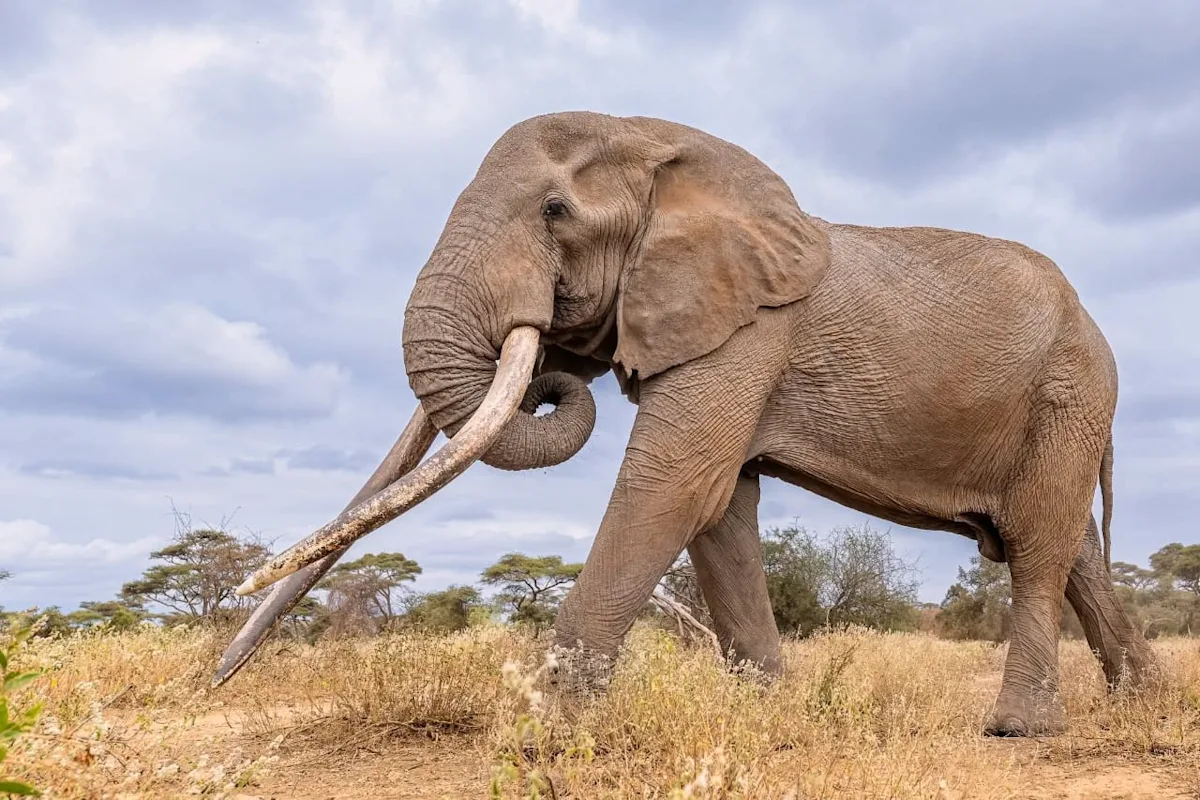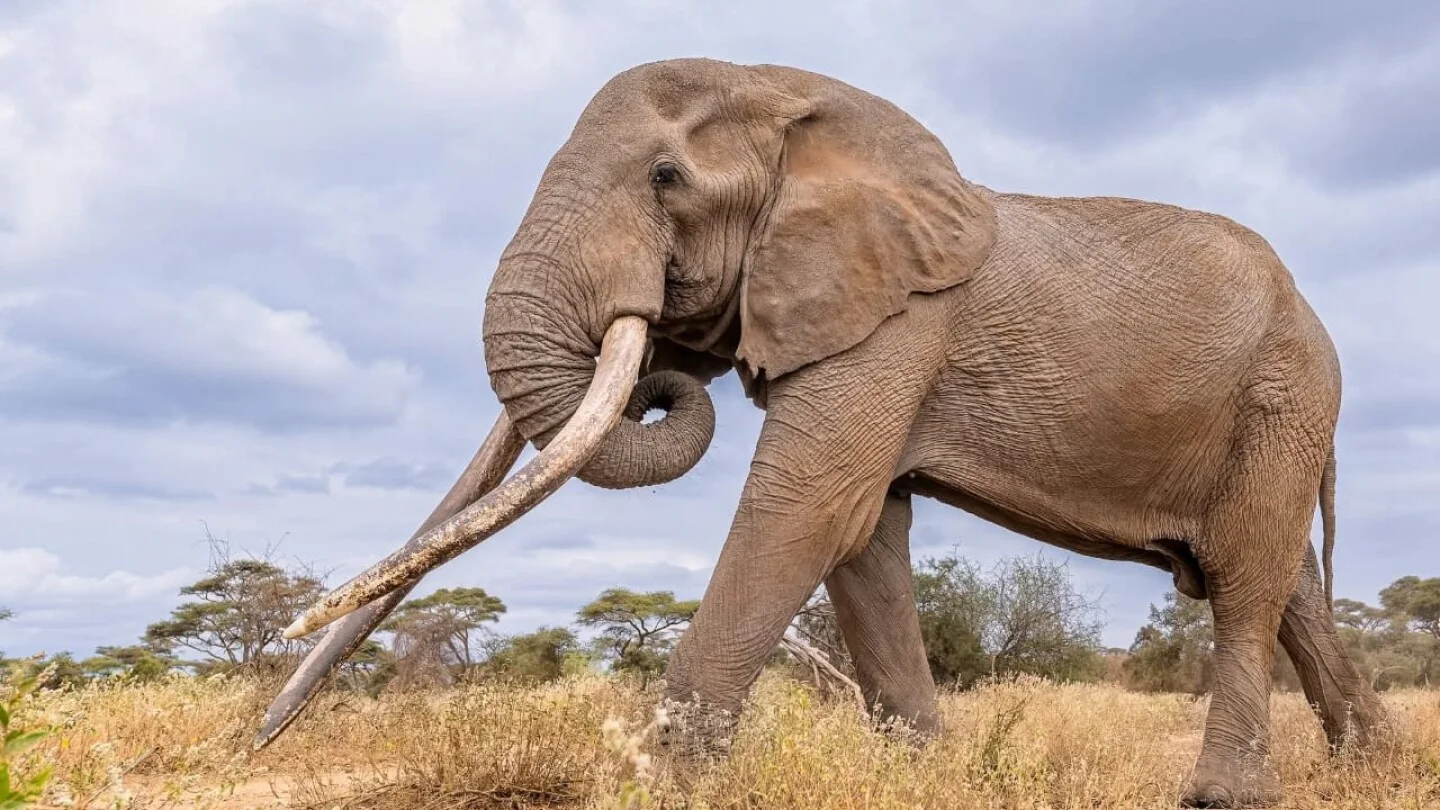
The death of Craig, a renowned Super Tusker elephant in Kenya, highlights the rarity and conservation challenges of these giant elephants with massive tusks, emphasizing ongoing efforts to protect the species and raise awareness about their plight.
Australia's Jessica Hull led their team to a surprising gold medal in the mixed relay at the World Athletics Cross Country Championships in Tallahassee, ending Kenya's winning streak and marking their first podium finish in this event, with France and Ethiopia taking silver and bronze respectively.
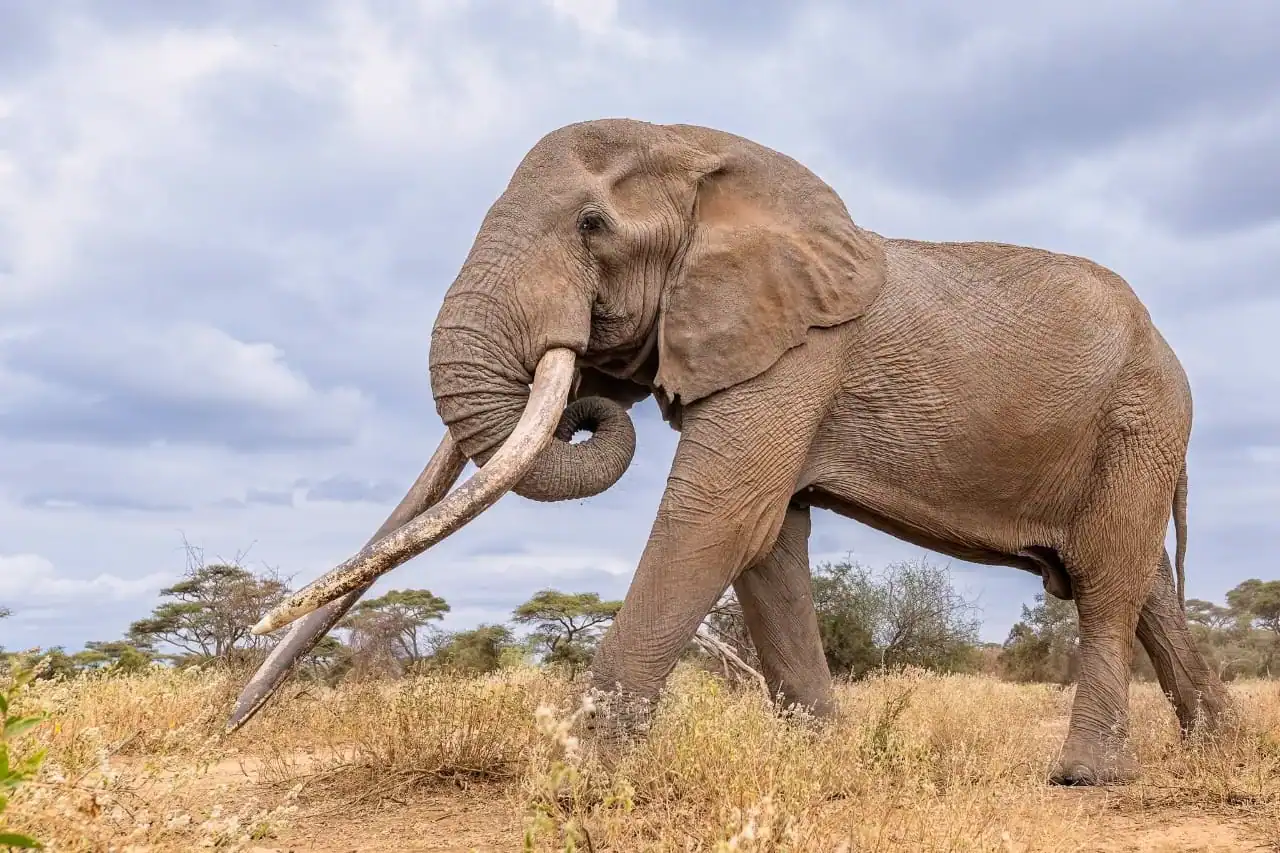
Kenya mourns the death of Craig, a legendary super tusker elephant known for his massive tusks and calm demeanor, symbolizing successful conservation efforts that have increased elephant populations and highlighted the importance of protection and community involvement.
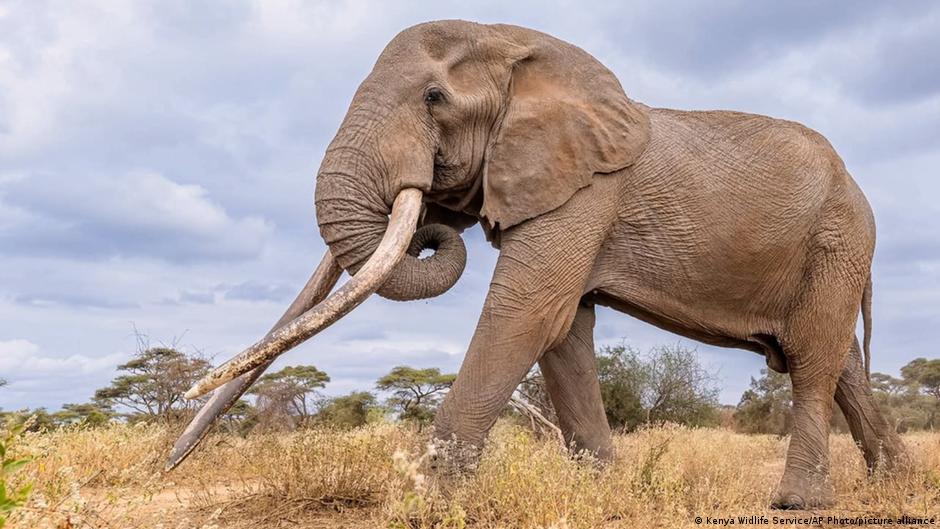
Kenya mourns the death of Craig, a legendary 'super tusker' elephant in Amboseli National Park, known for his massive tusks and calm demeanor, symbolizing successful conservation efforts; he died of natural causes at age 54, leaving a lasting legacy in wildlife protection and tourism.
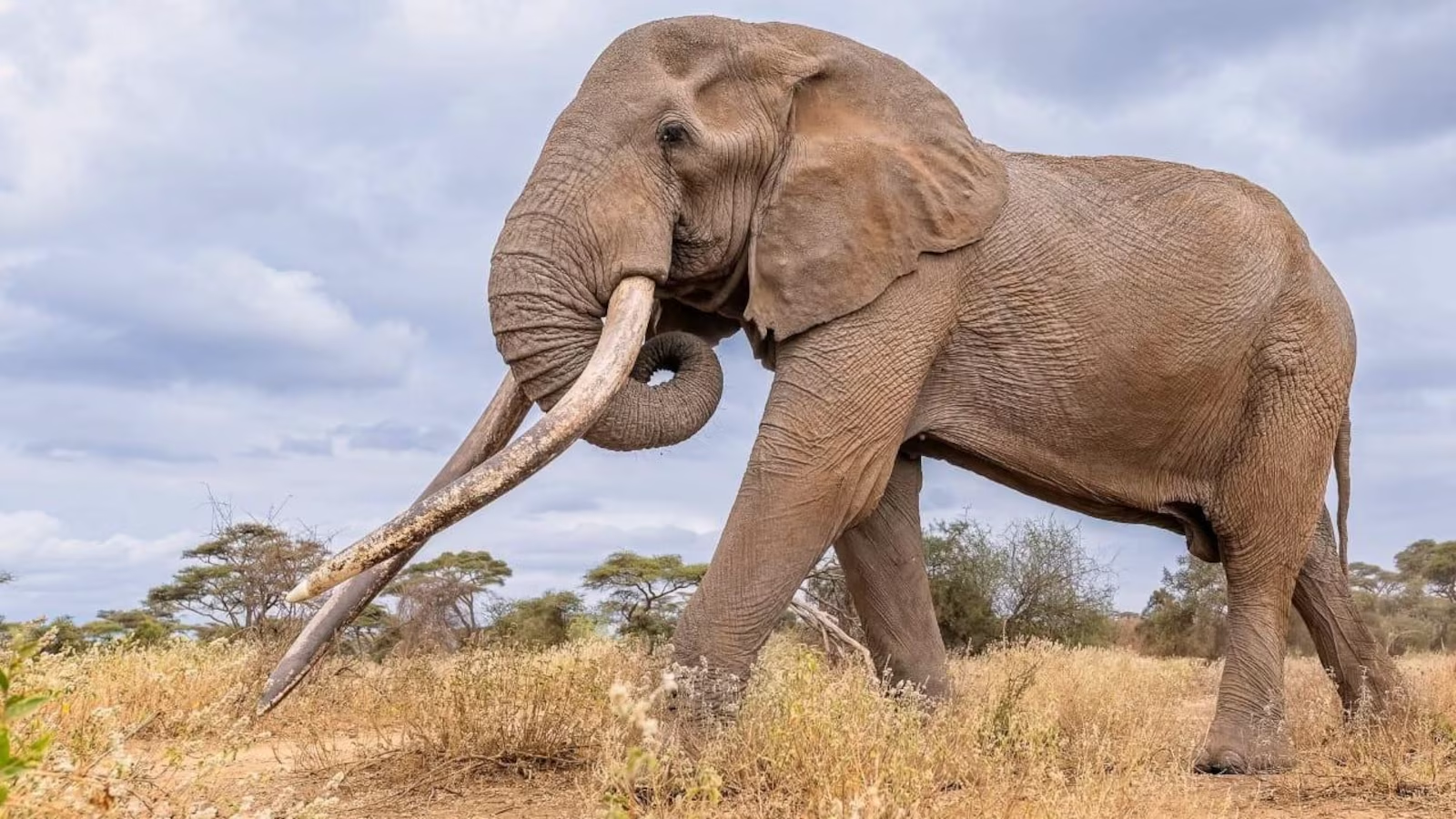
Kenya mourns the death of Craig, a legendary 'super tusker' elephant in Amboseli National Park, known for his immense tusks and calm demeanor, symbolizing successful conservation efforts; he died of natural causes at age 54, leaving a lasting legacy in wildlife protection and tourism.
Kenya mourns the death of Craig, a legendary 'super tusker' elephant in Amboseli National Park, known for his massive tusks and calm demeanor, symbolizing successful conservation efforts; he died of natural causes at age 54, leaving a lasting legacy in wildlife protection and tourism.
Craig, a renowned 54-year-old male tusker elephant and a symbol of conservation success in Kenya's Amboseli National Park, has died of natural causes. Known for his impressive tusks and calm demeanor, he was also a brand ambassador for Tusker beer and a major tourist attraction, representing Africa's natural heritage. His death marks the loss of one of the last remaining super tuskers, highlighting the importance of wildlife preservation.
A Kenyan barber, Safari Martins, has gained fame on social media for using unconventional tools like a sharpened shovel to give haircuts, blending traditional African culture with modern content creation, and capitalizing on Kenya's booming social media scene, though he feels barbers are underpaid compared to other content creators.
In Kenya, protests erupted after roaming elephants killed four people in a week, driven by resource scarcity and increased elephant movement due to below-average rainfall. Authorities responded by shooting one elephant believed to have caused two deaths and pledged to enhance prevention and response measures, while continuing a compensation program for victims of wildlife conflicts.
In Kenya, protests erupted after elephants killed four people in a week, with experts attributing the increase in elephant sightings and attacks to scarcity of vegetation caused by below-average rainfall, leading to heightened human-wildlife conflict. The Kenya Wildlife Service responded by shooting one elephant believed to be involved and pledged to enhance prevention and response measures.
Nigerian Afrobeats star Asake mourns the death of 20-year-old fan Karen Lojore, who died in a crowd crush at his concert in Nairobi, prompting calls for investigation and justice amid concerns over crowd control at the event.
Daniel Ole Sambu, a key figure in promoting coexistence between people and wildlife in Kenya's Kilimanjaro region, passed away at 51. He played a vital role in the Predator Compensation Fund, fostering trust and sustainable practices among local communities and conservation efforts, emphasizing the importance of human relationships in ecosystem preservation.
The article exposes how Trump-era aid cuts led to a man-made hunger crisis in Kenya's Kakuma refugee camp, causing severe malnutrition, deaths, protests, and regional instability, despite warnings from aid officials and international organizations.
A 1.52 million-year-old fossil of Paranthropus boisei from Kenya reveals that this robust human ancestor had large, dexterous thumbs and foot structures supporting bipedal walking, indicating it could make and use simple tools, challenging previous assumptions that only Homo species used tools.
Recent excavations in Kenya's Turkana Basin have uncovered 2.75-million-year-old stone tools, revealing a long-standing tradition of technological resilience that helped early humans survive environmental upheavals for nearly 300,000 years, highlighting the importance of cultural continuity in human evolution.