2025 has seen major medical breakthroughs including remote robotic surgery, a blood test for Alzheimer's, brain implants for ALS, advances in organ transplants, and gene editing treatments, transforming healthcare and patient outcomes.
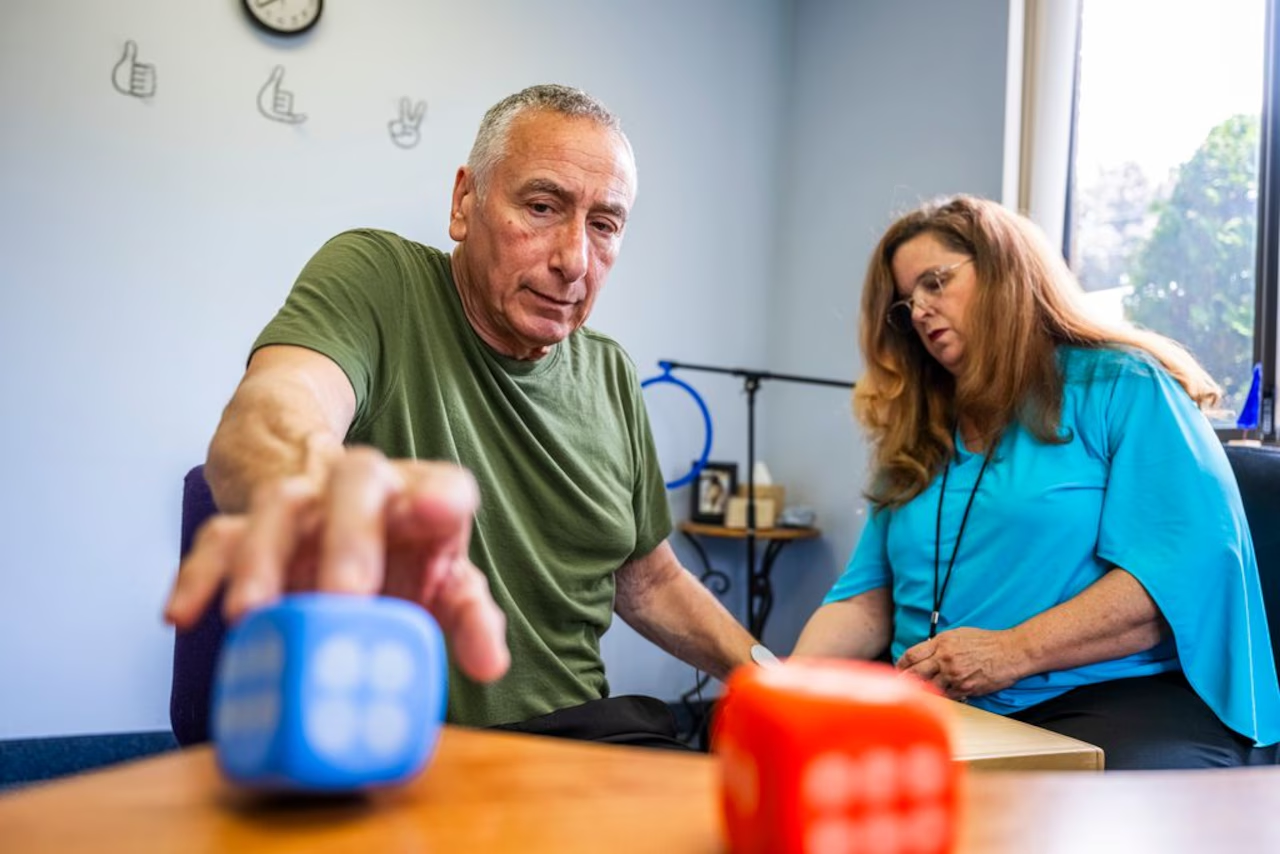
Tommy Fello, a Cleveland restaurant owner who suffered a stroke, became one of the first patients to receive the FDA-approved Vivistim System, a brain implant that stimulates the vagus nerve to help regain muscle function, showing promising improvements in his mobility and daily activities.
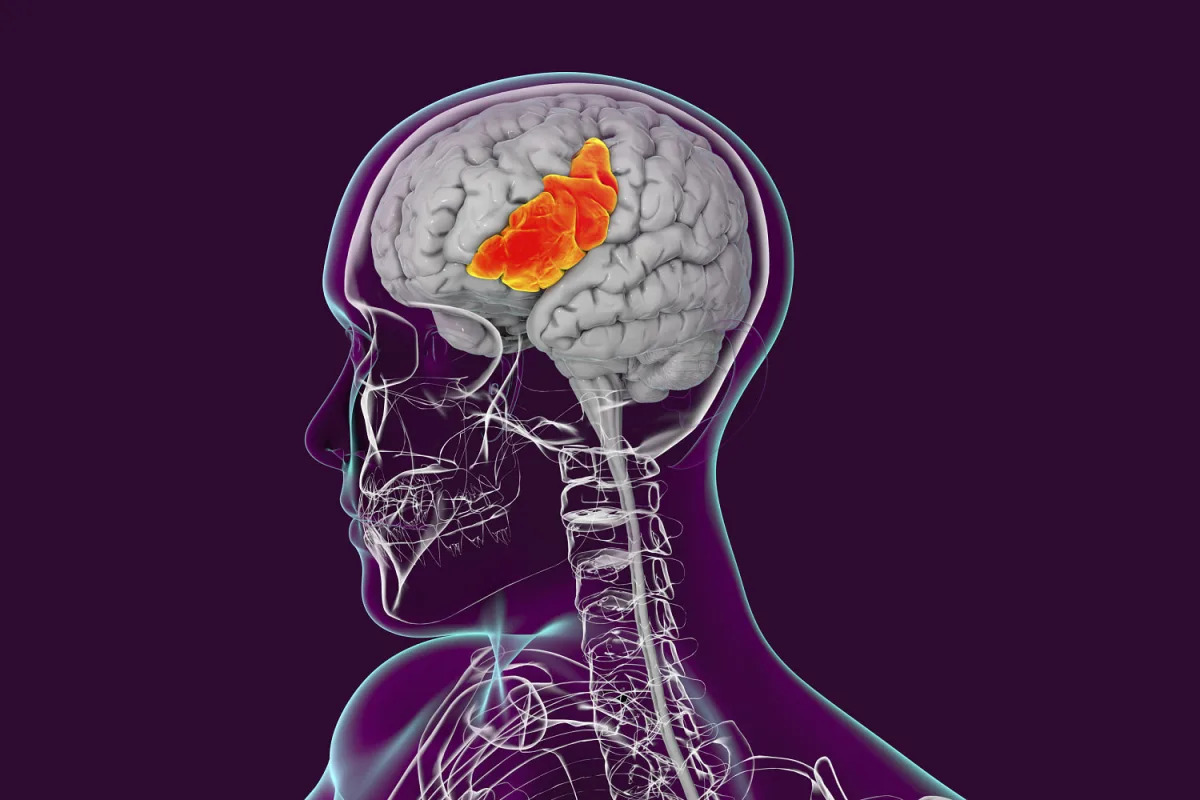
Scientists have developed a brain implant capable of decoding inner speech, potentially advancing communication methods for individuals with speech impairments.
Scientists at the University of California, San Francisco have developed a bilingual brain implant using AI to help a stroke survivor named Pancho communicate in both Spanish and English. The implant decodes his brain activity into sentences, allowing him to switch languages based on preference. This breakthrough demonstrates the potential of bilingual speech neuroprostheses to restore natural communication for bilingual individuals with paralysis.
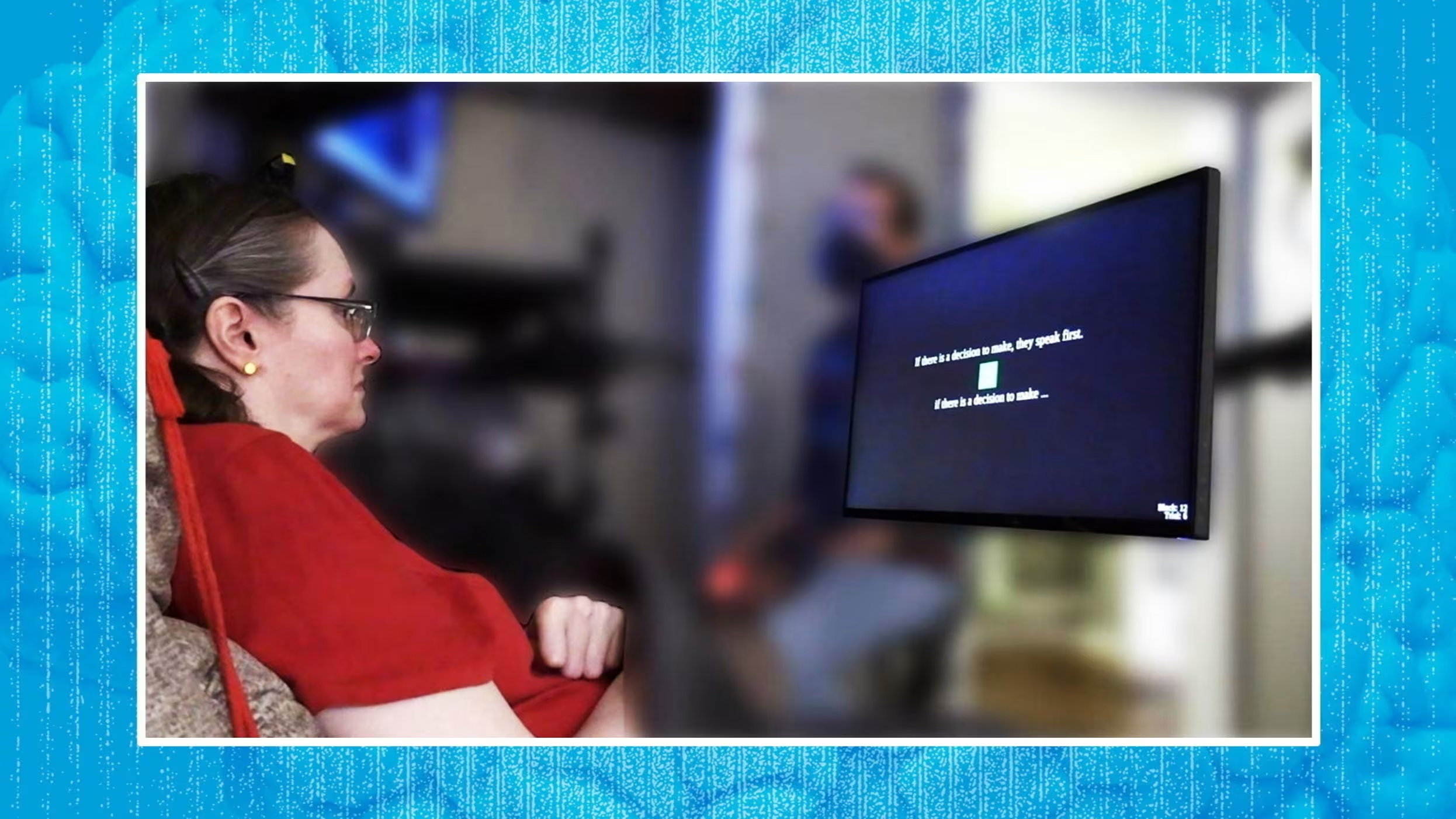
Scientists at the University of California, San Francisco have developed a bilingual brain implant using AI to help a stroke survivor named Pancho communicate in both Spanish and English. The implant decodes his brain activity into sentences displayed on a screen, allowing him to switch languages based on preference. This breakthrough demonstrates the potential of bilingual speech neuroprostheses to restore natural communication for bilingual individuals with paralysis.
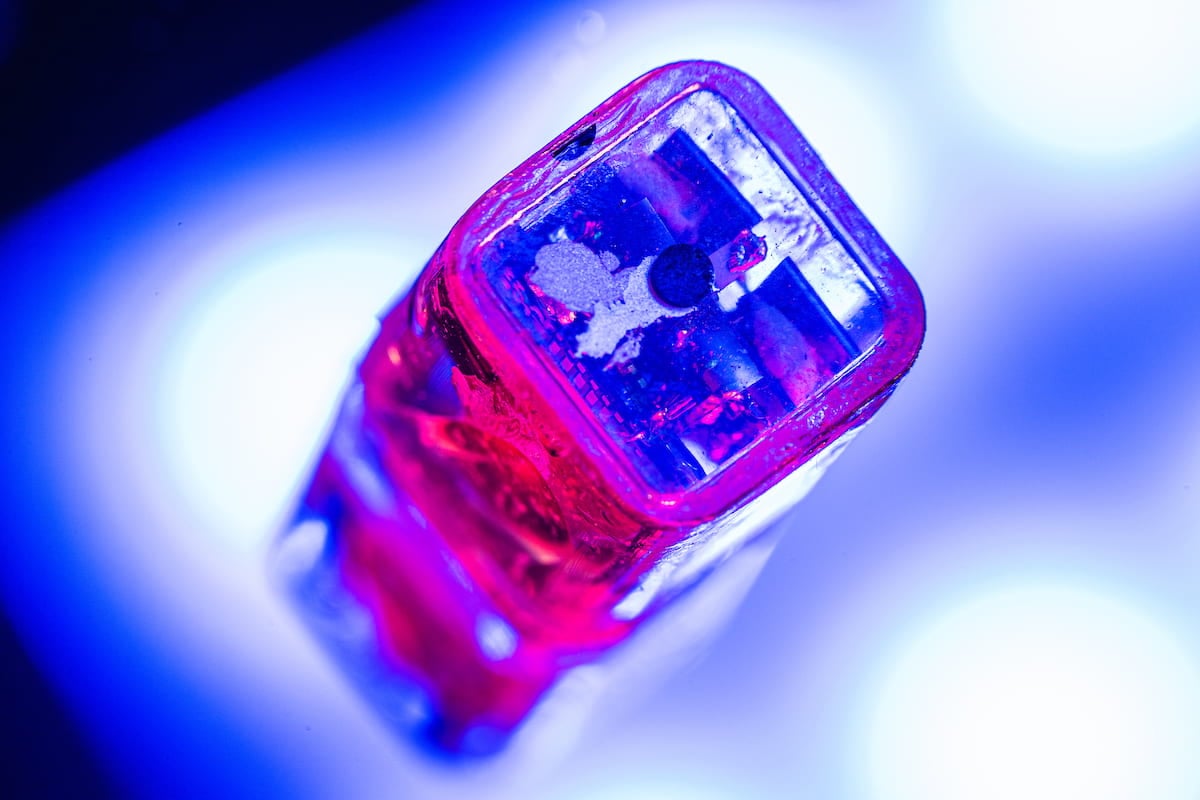
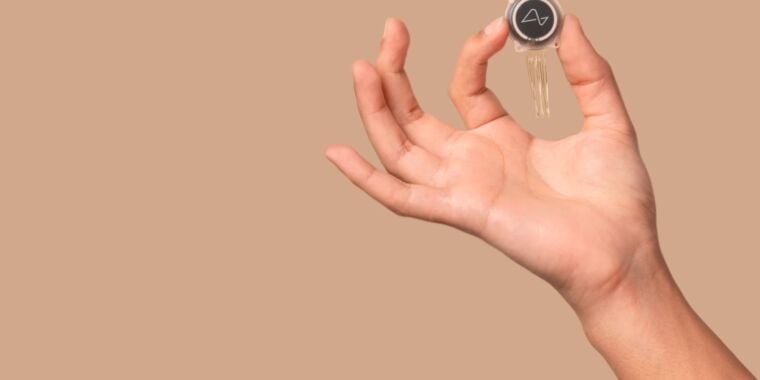
Researchers at Rice University have developed a pea-sized brain implant called Digitally programmable Over-brain Therapeutic (DOT) that can stimulate the human brain to treat neurological disorders, offering a safer and more convenient alternative for conditions like drug-resistant depression and other psychiatric disorders.
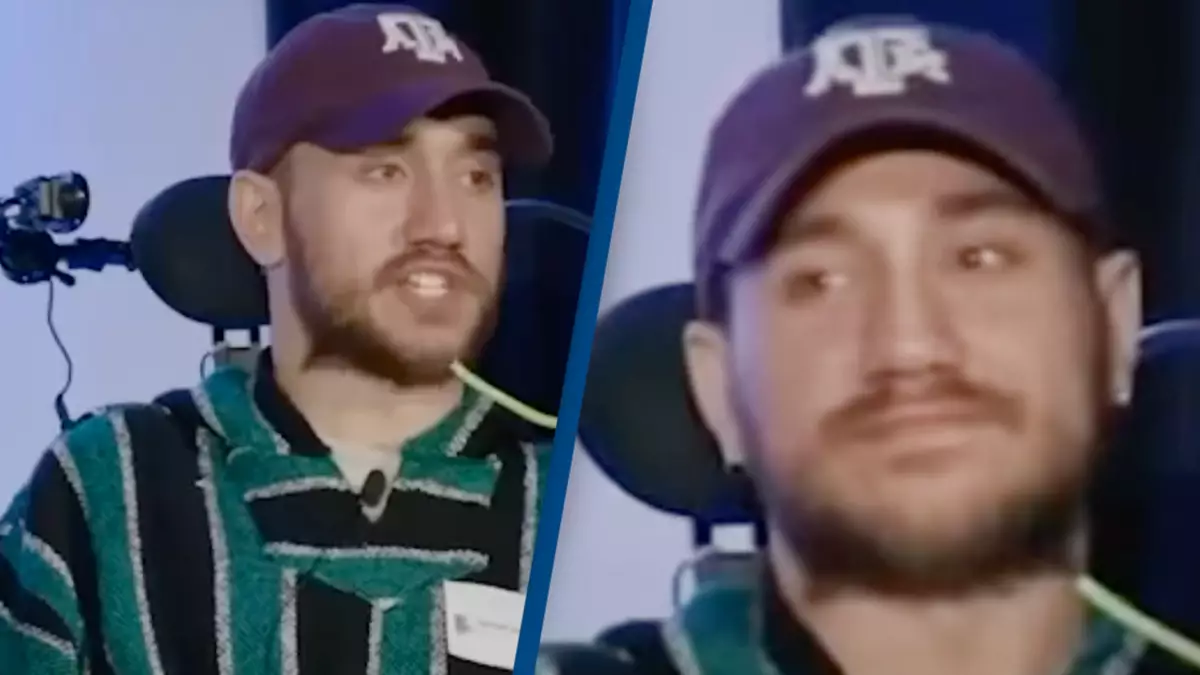
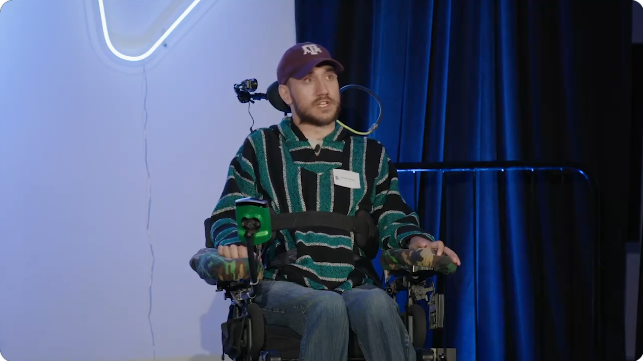
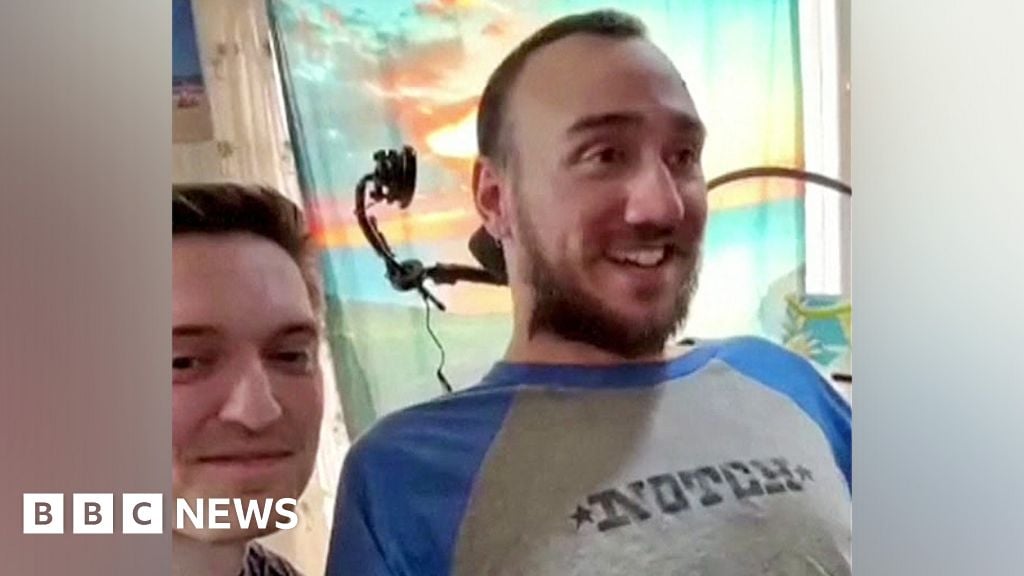
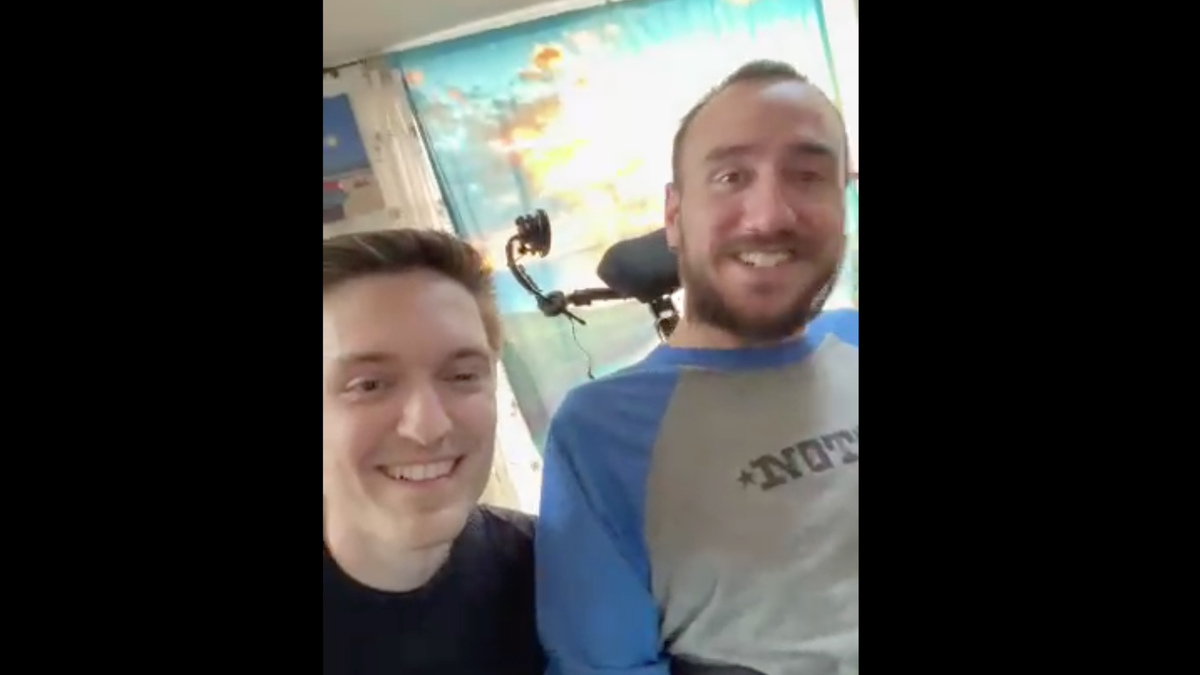
Noland Arbaugh, the first person to receive a Neuralink brain implant, shared his positive experience with the device, stating that it has made being paralyzed "not that bad." The implant, which uses thin, flexible threads with electrodes to record neuron activity, has allowed Arbaugh to enjoy activities like video gaming. He described the surgery as "easy" and has since played games like Mario Kart and Civilization VI, showcasing the device's impact on his life.
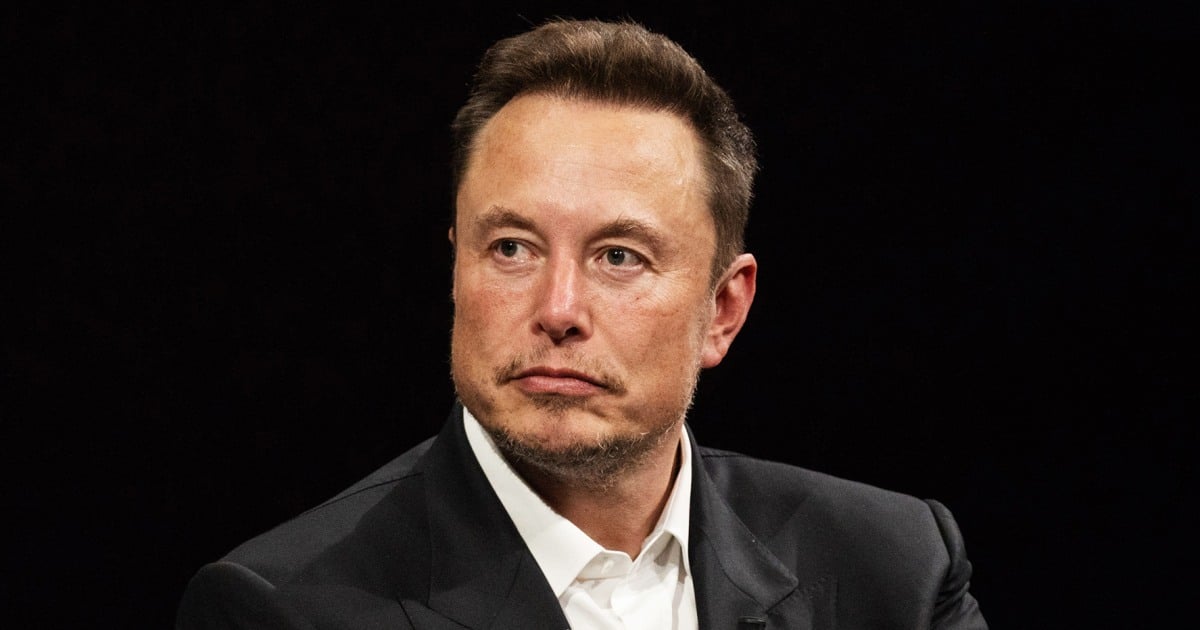
The first human recipient of a Neuralink brain implant, Noland Arbaugh, shared his experience of using the futuristic tech, including staying up all night playing Civilization VI, after being paralyzed from the shoulders down due to a diving accident. Arbaugh described the experience as "awesome" and expressed optimism about the potential for the technology to change lives. Elon Musk's ambitious plans for Neuralink extend beyond gaming, aiming to help people regain the use of their arms and walk again.
The first human recipient of a Neuralink brain implant, Noland Arbaugh, has shared his experience using the experimental technology, which has allowed him to play video games, learn new languages, and read without cognitive impairments. The implant, which was inserted into his brain, has given him greater autonomy and freedom, enabling him to control a computer cursor with his thoughts and play games like Civilization 6 and Mario Kart 8. Neuralink, founded by Elon Musk, aims to use the implants to restore mobility lost to paralysis and help blind patients see with the aid of cameras. However, the company has faced controversy over its treatment of animals in pre-human trials, with reports of avoidable mistakes causing needless death and suffering.
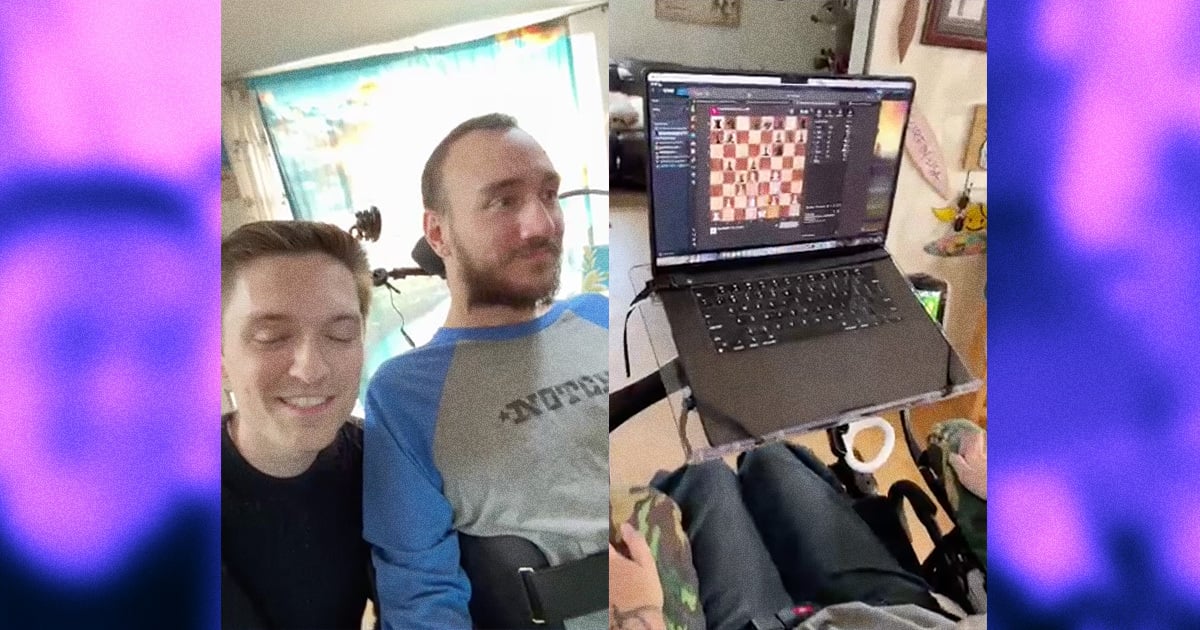
Noland Arbaugh, a patient paralyzed from the shoulders down, demonstrated playing chess online using a brain implant from Neuralink, controlled by imagining the cursor movement, in a livestream alongside Neuralink's software lead Bliss Chapman.
Neuralink's first human patient, quadriplegic Nolan Arbaugh, showcased his ability to control a computer cursor and play "Civilization VI" using the brain implant, marking a significant milestone in the company's progress. Despite initial concerns over safety and transparency, Arbaugh reported an easy surgery and no cognitive impairments, emphasizing the life-changing impact of the technology. While not entirely groundbreaking, the demonstration highlights the potential of brain implants to empower individuals with physical limitations.
Neuralink, Elon Musk's neuroscience startup, live-streamed an interview with its first patient, a 29-year-old quadriplegic who has been unable to move his arms or legs for nearly a decade. Using Neuralink's brain implant, the man is now able to play chess and the game Civilization using his mind. The company completed its first implantation of the brain chip in January, aiming to trial the safety and effectiveness of the implant and the medical procedure that installs it. However, Neuralink has faced criticism in the past for its experiments on animals.
Neuralink, Elon Musk's brain science startup, released a video showing a paralyzed individual using its brain implant to control a computer, playing chess and turning off music with his thoughts. The patient, Noland Arbaugh, expressed satisfaction with the device, which is implanted without visible external devices or wires. The video marks a significant development in brain-computer interface technology, with Neuralink joining other companies in the field. Despite heavy scrutiny and limited public information, Neuralink received FDA approval for its first in-human clinical study and continues to make strides in the field.
The first person to receive a Neuralink brain implant has reportedly recovered and can control a computer mouse using their thoughts, according to Elon Musk. However, the company has been criticized for its lack of transparency regarding the testing and development of its brain implant. While Neuralink's device shows promising results, some scientists and bioethicists are calling for more openness about the research and the participant's condition, as well as the potential implications of brain-computer interface (BCI) technology.
Elon Musk claims that the first human implanted with Neuralink's brain chip is able to move a mouse cursor just by thinking, but medical ethicists are alarmed by Musk being the sole source of information on the patient's progress, criticizing the lack of public detail and ethical standards. Neuralink has faced criticism for alleged mistreatment of animals in research and was fined for violating transportation rules, and the Physicians Committee for Responsible Medicine urges the company to shift to developing noninvasive brain-computer interfaces. Neuralink has obtained FDA approval for clinical trials and is recruiting volunteers for the first human trial to evaluate the safety and functionality of its implant for people with paralysis.