Feeling winded after climbing stairs can be a normal physiological response because stairs demand more oxygen and energy, but new or prolonged breathlessness warrants medical evaluation to rule out underlying conditions such as heart failure, obesity, COPD, or anemia. If recovery is quick, it’s usually not concerning; if breathing stays elevated for more than about three minutes or is accompanied by chest pain, headaches, or vision changes, consult a doctor. To improve stair endurance, gradually train and strengthen the muscles involved while addressing any medical issues first.
Australian researchers propose a new metric called 'heartbeat consumption,' which counts daily heartbeats like calories, to better monitor training and health. The study found athletes have lower daily heartbeats due to lower resting heart rates, but elite cyclists may consume more heartbeats during intense races, highlighting the potential for this metric to optimize training and prevent overexertion. However, further validation and research are needed before it becomes a standard feature on smartwatches.
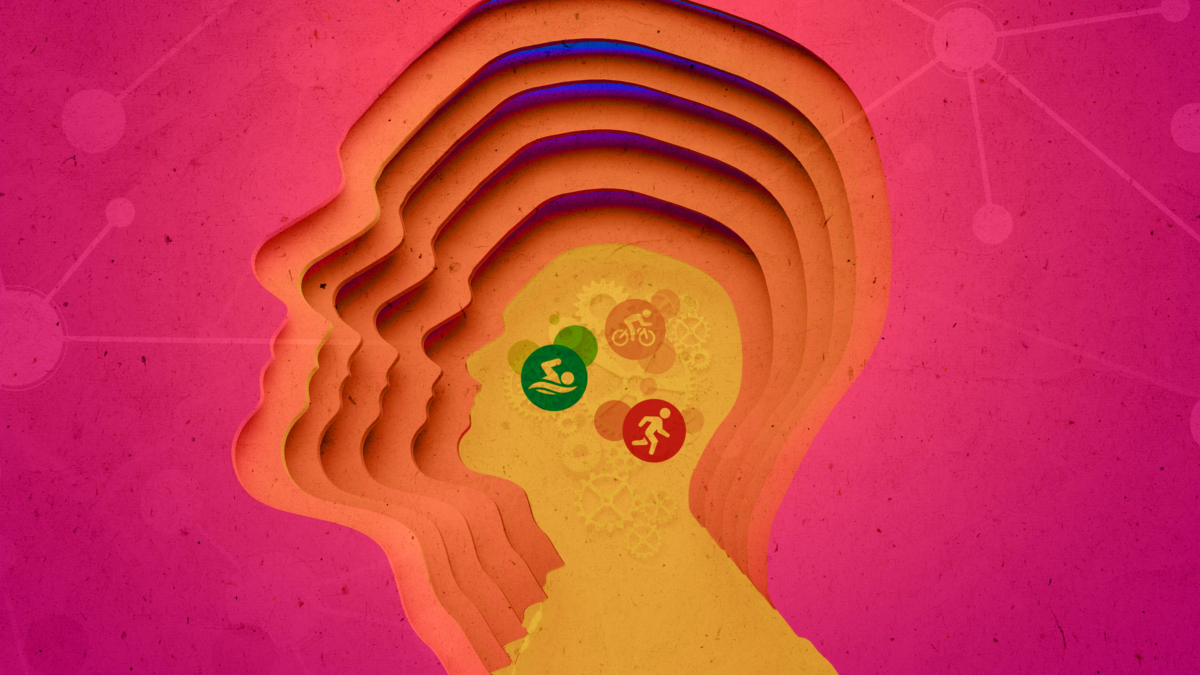
Endurance training, particularly in triathletes, has been found to reshape the brain, leading to both macrostructural and microstructural differences. Young endurance athletes showed less gray matter volume but higher myelination in certain tracts, suggesting faster processing speed, while older endurance athletes exhibited greater cortical thickness and higher myelination in specific tracts related to motor control and coordination. These changes may indicate improved brain function and processing speeds, highlighting the brain's adaptation to endurance training similar to the body.
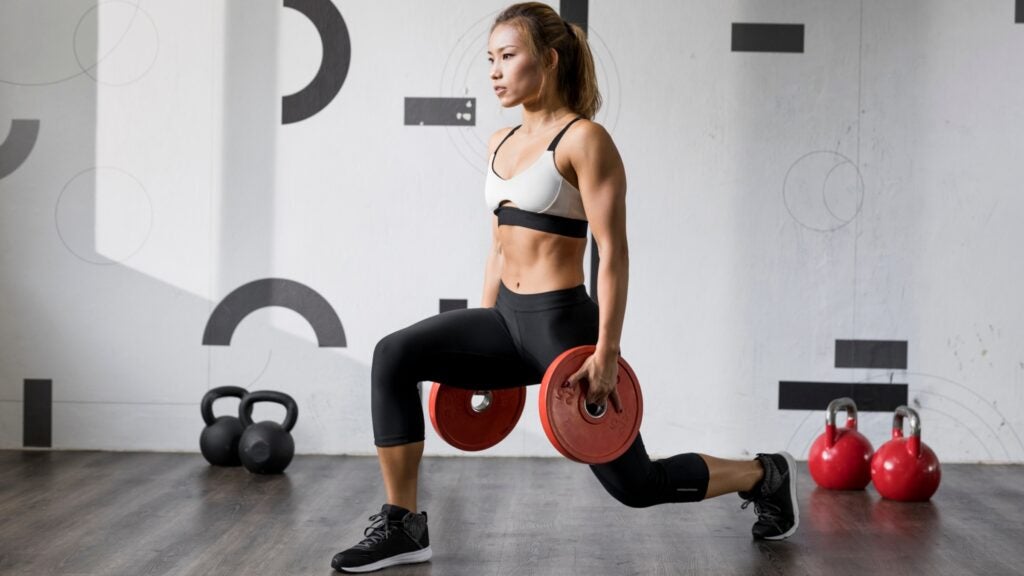
A new study in the Journal of Physiology found that muscle fiber type doesn't impact how much muscle size or strength increases from strength training. Both slow-twitch and fast-twitch muscle fibers saw similar gains in muscle size and strength after a ten-week strength training program. However, slow-twitchers needed to do more reps than fast-twitchers to get a comparable stimulus. Three workouts a week were better for muscle size than two, but training frequency didn't have a significant effect on strength.