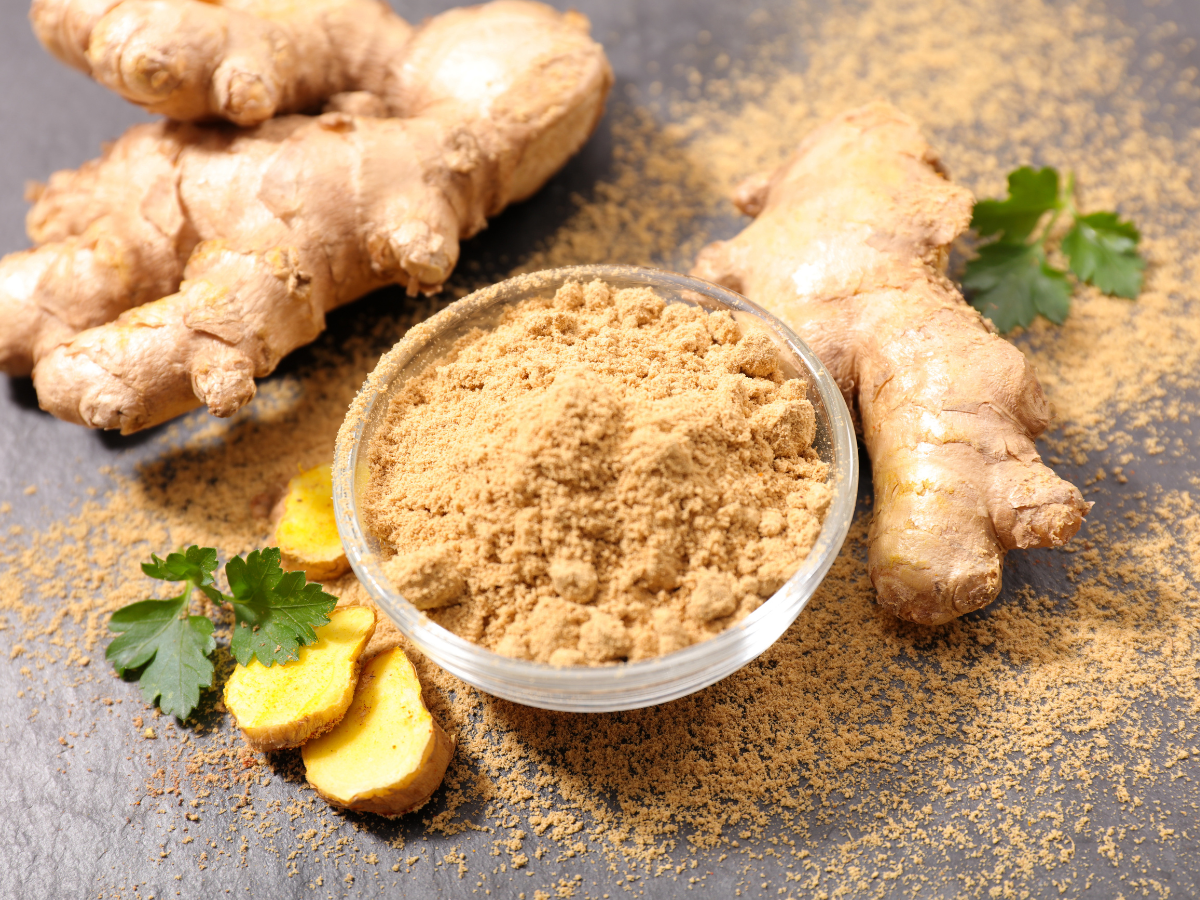
Ginger can relieve mild to moderate nausea and is easy to find as a spice, tea, or supplement, but research shows it does not consistently prevent vomiting, so use it as a helpful option rather than a guaranteed cure.
To combat Christmas bloating, incorporate fermented foods for gut health, use ginger to stimulate digestion, eat oats for fiber and stability, enjoy papaya for enzyme support, and snack on apples for regularity, all while maintaining hydration and sleep to enjoy the festive season comfortably.
Tulsi ginger lemonade is a herbal beverage designed to boost immunity and soothe the throat during smog-heavy days, made with tulsi leaves, ginger, lemon, and honey, ideal for post-Diwali dry air conditions.
The Redhead Days festival in Tilburg, Netherlands, attracts thousands of redheads from around the world for a three-day celebration featuring music, workshops, and a group photo restricted to natural redheads, with over 80 countries represented and a Guinness World Record set in 2013.
Ginger offers numerous health benefits supported by science, including relief from nausea, anti-inflammatory effects, pain management, cardiovascular support, and potential neuroprotective and anti-cancer properties. It is generally safe in moderation, but high doses may cause side effects and interact with medications.
Dietitians recommend ginger as the top spice to help alleviate constipation by promoting intestinal movement and digestion, and it can be easily incorporated into meals or drinks. Managing constipation also involves staying hydrated, exercising, eating fiber-rich foods, and maintaining a regular bathroom routine. Ginger's active compound gingerol offers digestive benefits, but moderation is key, and consulting a healthcare provider is advised for persistent issues.
Scientists from Osaka Metropolitan University discovered that a compound in ginger called EMC can inhibit cancer growth by disrupting fatty acid synthesis, revealing a new potential target for cancer therapy and expanding understanding of cancer metabolism beyond the traditional Warburg effect.
Women's health coach Gabby Marechal claims that eating raw ginger every morning has significantly reduced her bloating and improved her digestion. Ginger, known for its health benefits, contains gingerol which aids gastrointestinal motility and has antioxidant properties. It can also help control blood sugar and cholesterol levels. Marechal's experience has resonated with many, as her post on Instagram received numerous likes and comments from others who have benefited from incorporating ginger into their diets.
Research suggests that ginger, a spice used for centuries in Asian cuisine and medicine, can significantly lower blood sugar and 'bad' cholesterol levels. Studies have shown that ginger extracts can improve insulin secretion and glucose tolerance, making it a promising treatment for type 2 diabetes and high cholesterol.
Health experts recommend incorporating turmeric, ginger, cinnamon, and black pepper into your diet to boost brain health and potentially lower the risk of Alzheimer's disease. These spices contain compounds that protect against oxidative stress, improve cognitive function, and have neuroprotective properties. Adding these spices to meals such as curries, stews, and smoothies can provide a range of brain health benefits, including enhancing memory, reducing brain fog, and protecting healthy brain cells from damage.
Experts warn that ginger ale, often relied upon as a remedy for upset stomachs, lacks significant health benefits due to the absence of actual ginger in most commercial brands. The soda's high sugar content can exacerbate gastrointestinal distress, while artificial sweeteners in diet versions may worsen symptoms. Instead, experts recommend turning to real ginger, which has been proven to support digestive health and alleviate nausea.
Ginger has been identified as the #1 spice to help lower blood pressure, with research showing significant reductions in both systolic and diastolic blood pressure. The spice may work by blocking calcium channels and acting as an ACE inhibitor, as well as through its antioxidant properties. Ginger can be incorporated into various recipes, from ginger tea to ginger salad, to reap its potential health benefits. While spices like ginger can offer unique health benefits, it's important to maintain a balanced diet and active lifestyle for overall heart health.
Ginger has been found to help lower blood pressure by blocking calcium channels and acting as an ACE inhibitor, as well as through its antioxidant properties. Research suggests that consuming at least 3 grams of ginger per day for 7 to 12 weeks can lead to significant reductions in blood pressure. Additionally, ginger may also help improve cholesterol, blood sugar, and inflammation. Incorporating ginger into meals can enhance flavor without adding salt, and recipes like ginger tea, smoothies, stir-fries, and desserts offer creative ways to enjoy its benefits. However, it's important to remember that while spices like ginger can offer health benefits, they should be part of a balanced diet and active lifestyle for overall heart health.
The debate between ginger water and ginger tea continues, with both offering various health benefits. Ginger tea is rich in antioxidants and anti-inflammatory properties but may affect Vata energies, while dry ginger water helps with digestive issues and weight loss. Fresh ginger water is beneficial for respiratory health and circulation. It's important to be mindful of the quantity consumed, especially for those with certain health conditions, and to choose based on individual needs.
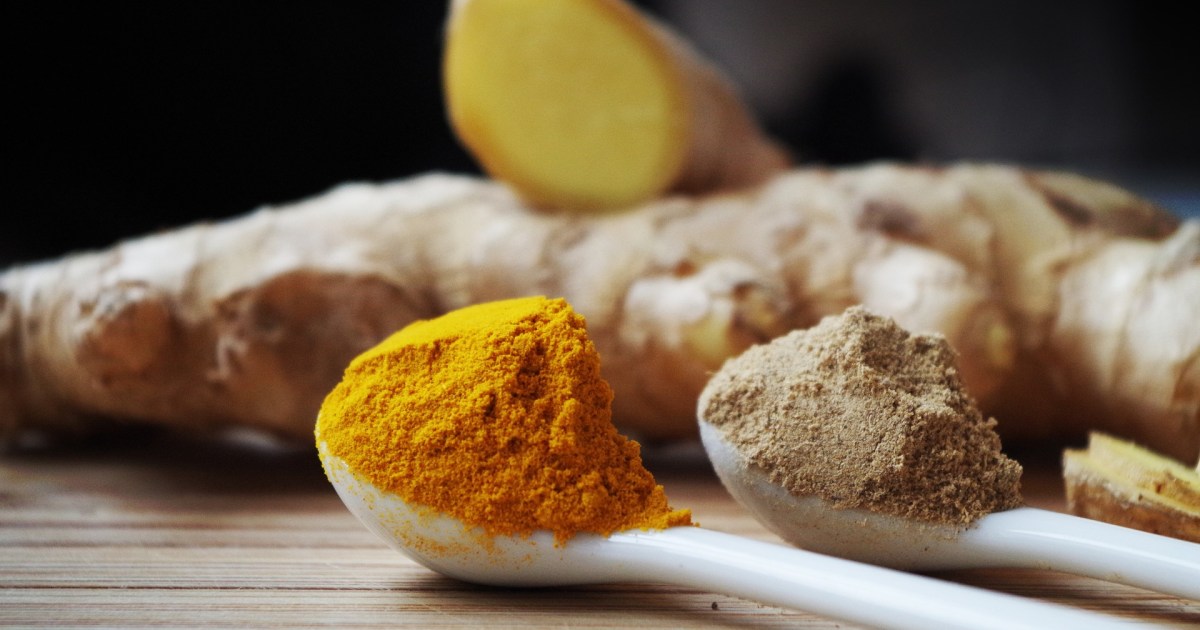
Turmeric, ginger, and black pepper, when taken together, can enhance their individual health benefits. The combination helps improve absorption of curcumin in turmeric, offering anti-inflammatory, blood sugar regulation, and brain-boosting benefits. Combination supplements are available, and these herbs can also be consumed in teas or homemade varieties. Adding ginger and black pepper to a turmeric regimen can elevate health and fight against chronic diseases.