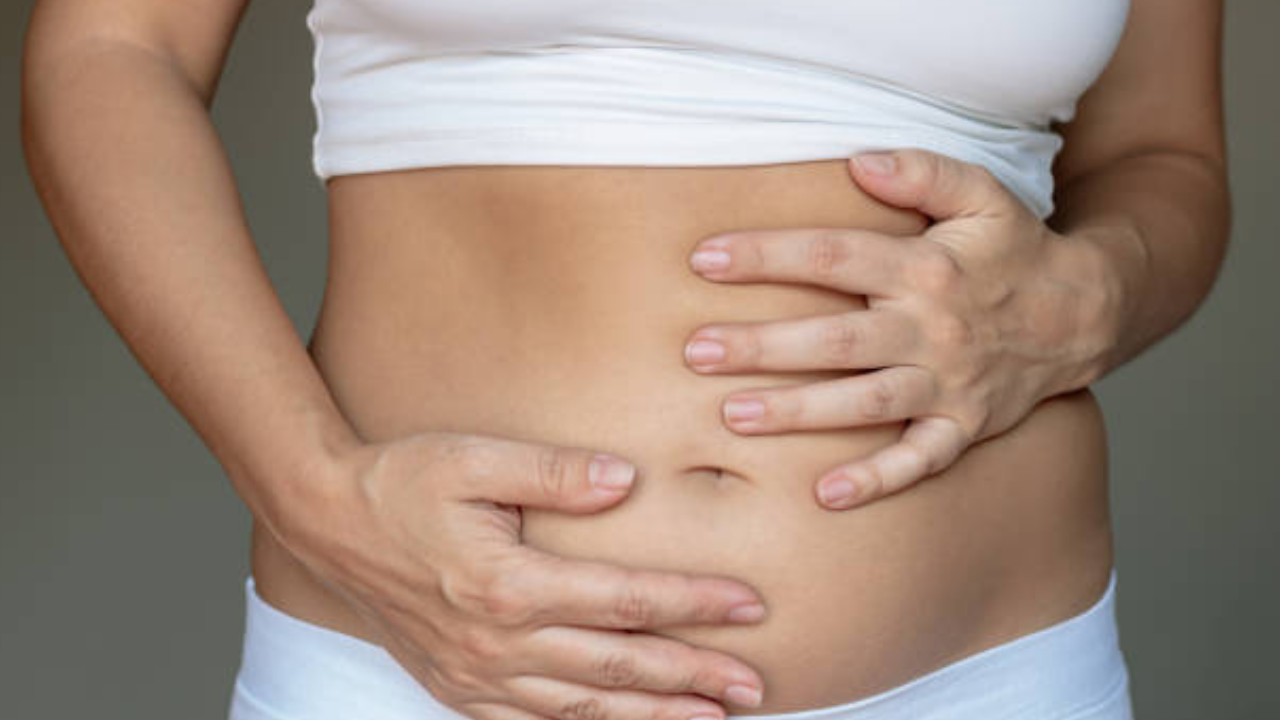
California-based gastroenterologist Dr. Sethi shares seven practical rules for eating out to prevent bloating and discomfort, including choosing lean proteins, avoiding ultra-processed foods, controlling sauces, prioritizing vegetables, selecting gentle carbs, avoiding fizzy drinks, and opting for fruit-based desserts, to support better digestion and gut health.

Dr. Saurabh Sethi, a gastroenterologist trained at AIIMS, Harvard, and Stanford, highlights five early signs of an unhealthy gut, including bloating, irregular bowel movements, unexplained fatigue, food intolerances, and weakened immunity, emphasizing the importance of gut health for overall well-being.
Poor posture can contribute to bloating and digestive issues by compressing internal organs; improving posture through exercises like dead hangs and using accessories such as weighted vests can help alleviate symptoms, emphasizing the importance of standing straight for better gut health.
Harvard-trained gastroenterologist Dr. Saurabh Sethi recommends 10 foods, including kiwi, ginger, papaya, pineapple, cucumber, chia seeds, quinoa, oats, fennel seeds, and peppermint, that can help reduce bloating and improve digestion, though persistent symptoms should be evaluated by a healthcare professional.
To relieve post-meal bloating, experts recommend eating slowly, avoiding carbonated drinks, watching portion sizes, limiting gas-producing foods, taking gentle walks after eating, and staying well-hydrated, all of which can improve digestion and reduce discomfort.
The article suggests five herbal teas—ginger, peppermint, fennel, chamomile, and green tea—that can help alleviate bloating and improve digestion naturally and quickly.
Poor gut health can manifest through signs like bloating, fatigue, skin issues, brain fog, irregular bowel movements, and sugar cravings. Recognizing these early warning signs is crucial for maintaining overall health, as gut health impacts digestion, immunity, and mental well-being.
Walking in place for 10 to 30 minutes after eating, humorously dubbed 'fart walking' on TikTok, can lower blood sugar, improve digestion, and reduce bloating, offering simple health benefits.
The article explains that bloating and gas may often be caused by small intestinal bacterial overgrowth (SIBO), which is different from irritable bowel syndrome (IBS). SIBO occurs when bacteria overgrow in the small intestine, leading to symptoms like bloating, cramps, and diarrhea. Diagnosis typically involves a breath test, and treatment usually includes antibiotics, with dietary adjustments to manage symptoms. The article emphasizes the importance of proper diagnosis to avoid unnecessary treatments and highlights the role of diet and lifestyle in managing gut health.
Harvard gastroenterologist Dr. Saurabh Sethi shares four effective, readily available remedies for bloating: eating kiwi or papaya to aid digestion, taking a 10-minute walk after meals to stimulate gut movement, sipping warm peppermint tea to relax gut muscles, and using over-the-counter simethicone to quickly reduce gas. These simple tips are backed by clinical understanding and can help alleviate bloating naturally.
The article discusses five drinks—ginger tea, peppermint tea, water, chamomile tea, and kombucha—that may help alleviate occasional bloating by supporting digestion, relaxing the gut, and reducing gas. It also emphasizes mindful eating habits and lifestyle strategies to manage bloating effectively, while noting that persistent symptoms should be evaluated by a healthcare professional.
A gastroenterologist recommends papaya as the top superfruit for supporting gut health, helping reduce bloating, heartburn, and constipation, and suggests making a smoothie with it for added benefits.
Women's health coach Gabby Marechal claims that eating raw ginger every morning has significantly reduced her bloating and improved her digestion. Ginger, known for its health benefits, contains gingerol which aids gastrointestinal motility and has antioxidant properties. It can also help control blood sugar and cholesterol levels. Marechal's experience has resonated with many, as her post on Instagram received numerous likes and comments from others who have benefited from incorporating ginger into their diets.
To quickly alleviate bloating after overeating, dietitians recommend gentle movement, such as walking, which aids digestion by enhancing peristalsis and reducing gas. Walking also helps manage blood sugar levels post-meal. Additional tips include staying hydrated, eating mindfully, consuming enough fiber, and incorporating gut-friendly foods. Persistent bloating should be discussed with a doctor to rule out underlying conditions.
Spinach is highlighted as a superfood with numerous health benefits, including reducing cancer risk and alleviating bloating. Rich in vitamins A, D, E, and K, and minerals, spinach's antioxidants combat oxidative stress, potentially lowering cancer and diabetes risks. Compounds in spinach may slow cervical tumor growth and reduce prostate and breast cancer risks. It also aids in managing IBS symptoms and bloating due to its magnesium, potassium, and insoluble fiber content. Additionally, spinach supports eye health and heart health by moderating blood pressure.