Researchers at UNSW Sydney have developed a safer CRISPR-based epigenetic editing technique that can switch genes on and off without cutting DNA, offering promising new treatments for genetic diseases like Sickle Cell by reactivating silenced genes through removal of methyl groups, potentially reducing risks associated with traditional gene editing.
University scientists in Chicago have developed a new nanostructure called LNP-SNA that triples CRISPR's ability to enter cells, significantly improving gene editing efficiency and safety, which could enhance treatments for genetic diseases.
Eight healthy babies have been born in the UK using a pioneering IVF technique that reduces the risk of mitochondrial diseases inherited from mothers, involving DNA from three people, marking a significant medical breakthrough despite ethical debates.
Scientists have discovered a new organelle called the hemifusome inside human cells, which plays a key role in cellular recycling and cargo management. This finding could provide new insights into genetic disorders like Hermansky-Pudlak syndrome and lead to novel treatments. The discovery was made using advanced cryo-electron tomography and opens new avenues for understanding cell health and disease.
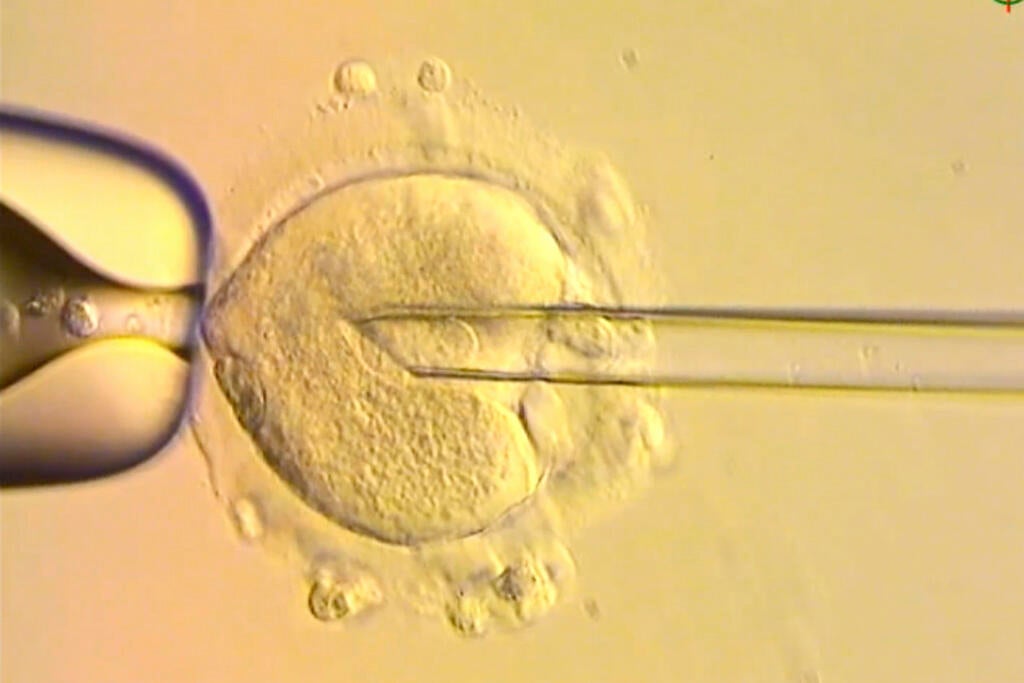
Chinese scientist He Jiankui, who was jailed for creating the world's first genome-edited babies, has resumed research on human embryo genome editing for treating genetic diseases while claiming to adhere to international rules. He aims to use discarded human embryos and comply with both domestic and international regulations, denying any current intent to produce more genome-edited babies. He emphasized the safety and health of the three genome-edited children, while expressing regret for the haste of his previous research. Genome editing is a technique involving precise modifications to genes, and various countries restrict the use of edited human embryos for creating babies.
Scientists have discovered a multi-protein "machine" in cells that governs the pausing or stopping of DNA replication, ensuring its smooth progress. This discovery sheds light on a puzzling set of genetic diseases and could lead to future treatments for neurologic and developmental disorders. The protein complex, called 55LCC, plays a crucial role in regulating protein stability in replicating DNA and is associated with childhood syndromes involving hearing loss, cognitive and movement impairments, and epilepsy. Understanding this mechanism could have broader implications for mitigating clinical issues associated with syndromes stemming from 55LCC dysfunction and for studying protein recycling critical to cell health.
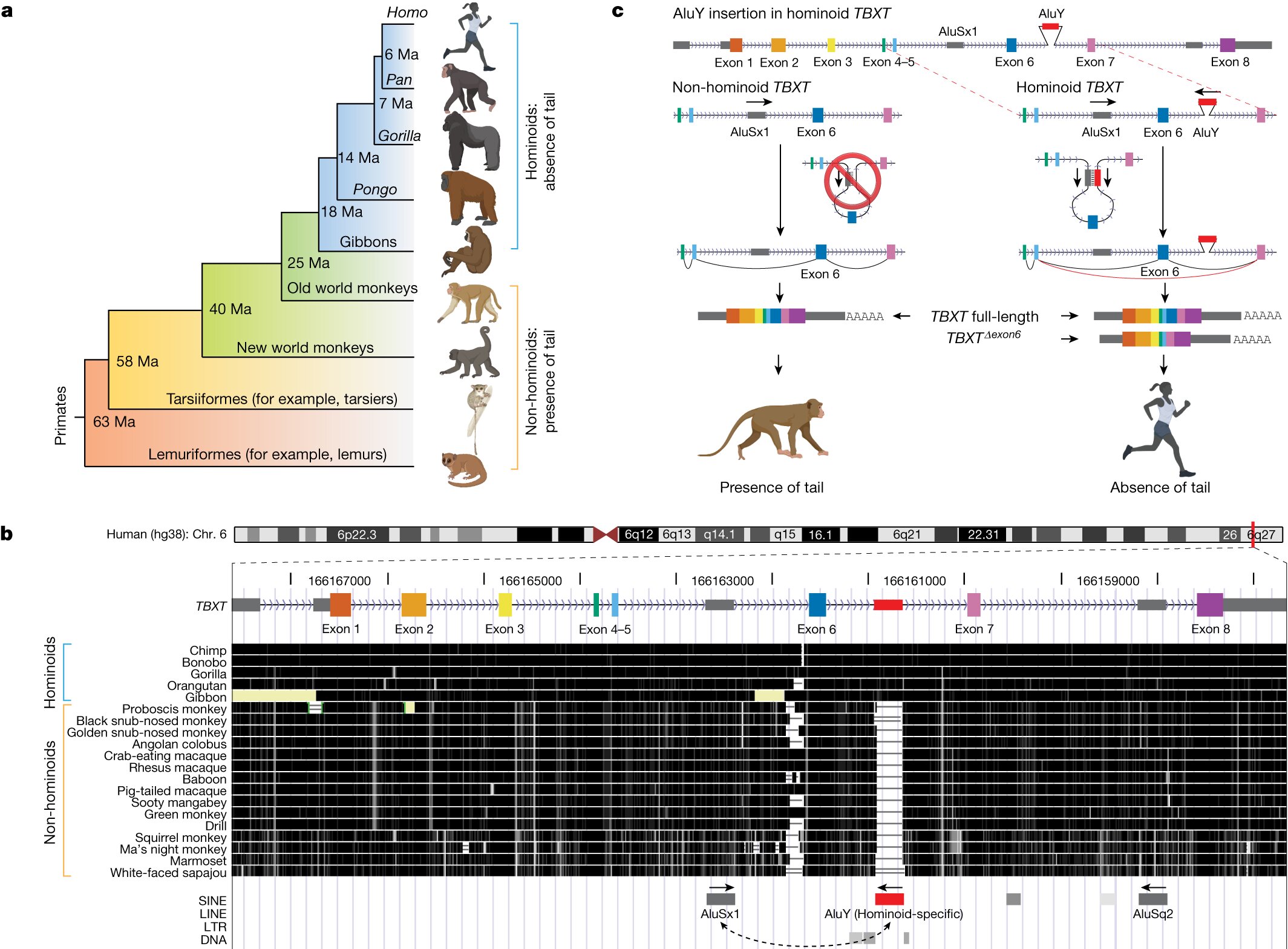
A new study published in Nature explores the genetic changes that enabled our ape ancestors to lose their tails, shedding light on the high mutation rate in humans and the prevalence of genetic diseases. The research identified a genetic mechanism involving "jumping genes" that altered the processing of a tail-determining gene, leading to the evolution of taillessness. While being tailless provided an evolutionary advantage, it also resulted in occasional genetic and developmental diseases, such as spina bifida, as a byproduct. This study challenges the notion of evolutionary progress and highlights the costs associated with genetic changes.
Research suggests that gut bacteria may play a role in causing some genetic eye diseases, prompting hopes that antibiotics could be used to treat these conditions. A study found that mutations in the CRB1 gene weaken protective barriers around the eye and the colon, leading to distorted cell layers in the retina. Treating mutant mice with antibiotics reduced eye damage, raising the possibility of similar treatments for people with CRB1 mutations. However, some experts caution that the results may not directly translate to humans and that genetic changes caused by CRB1 could still be harmful, even in the absence of bacteria.
CRISPR Therapeutics, along with two other companies, faced the challenge of choosing which genetic disease to target first with the revolutionary gene-editing tool CRISPR-Cas9. After considering various options, they decided to focus on sickle cell disease, making it the first disease to be treated using CRISPR.
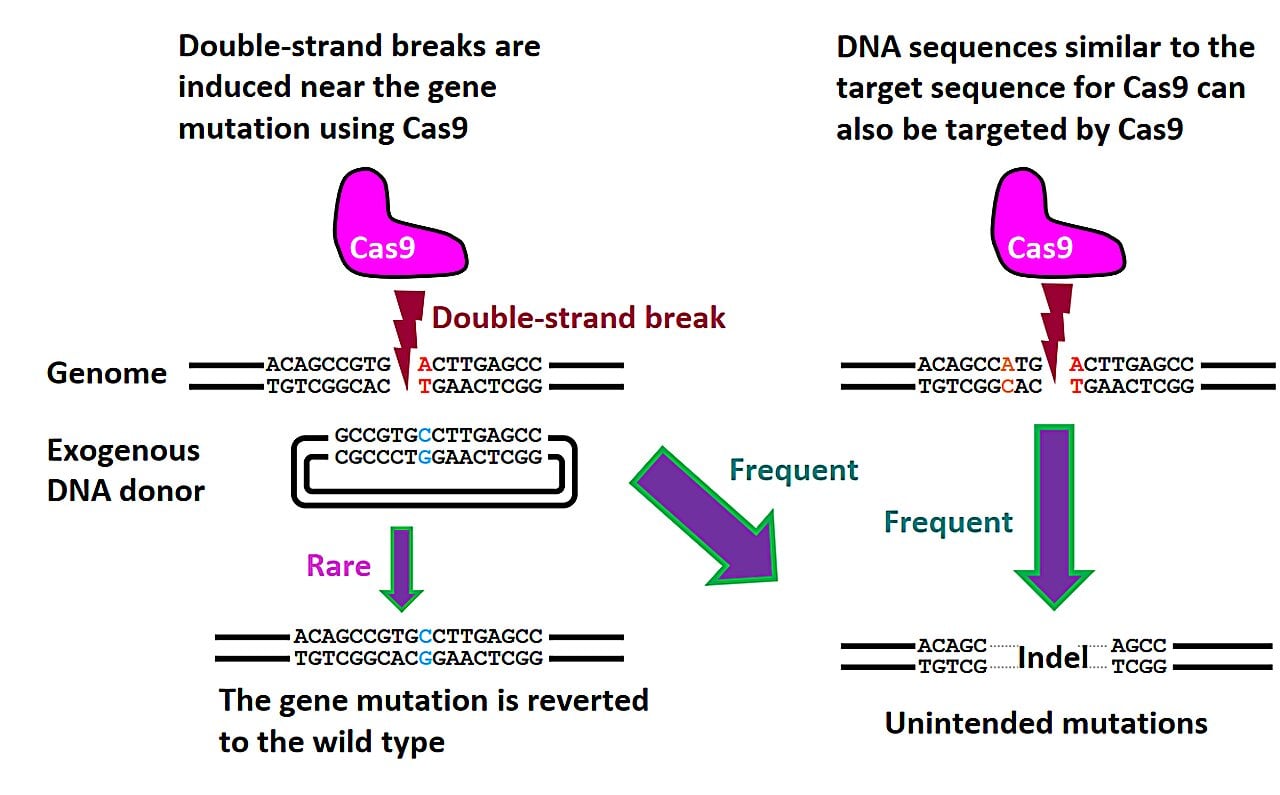
Researchers in Japan have developed a new gene editing technique called NICER, which is as effective as CRISPR/Cas9 but significantly reduces unintended DNA mutations. NICER uses an enzyme called a nickase to create multiple small cuts in single DNA strands, promoting interhomolog homologous recombination to correct heterozygous mutations. The technique has shown promising results in restoring gene expression in cells derived from genetic diseases involving compound heterozygous mutations. NICER represents a safer alternative to conventional CRISPR/Cas9 methods for the treatment of genetic diseases.
Researchers in Japan have developed a new gene editing technique called NICER, which significantly reduces unintended DNA mutations compared to the conventional CRISPR/Cas9 method. NICER involves creating multiple small cuts in single DNA strands using an enzyme called a nickase, which induces single-strand breaks that are typically repaired without causing mutations. The technique has shown promising results in correcting heterozygous mutations in cells and restoring the expression of disease-causing genes. NICER may provide a safer alternative for treating genetic diseases caused by mutations.
Sudden cardiac death, characterized by abrupt loss of consciousness due to cardiac causes, is on the rise, with coronary artery disease being the most common cause. High-intensity exercise has been identified as a potential trigger for heart attacks in the gym. Other causes include genetic diseases, cardiomyopathies, and myocardial infiltrative diseases. Warning signs include fainting episodes, seizures, and heart failure. Identifying and treating risk factors for coronary artery disease is crucial, and individuals with a family history of sudden cardiac arrest should undergo cardiac evaluation.
A global team of researchers, including scientists from Johns Hopkins University, has successfully sequenced the Y chromosome, shedding light on male development, fertility, and genetically-linked diseases. This breakthrough provides a comprehensive understanding of the genetic code of the Y chromosome, revealing key genes and structures that play crucial roles in male-specific development. The sequencing was made possible by advancements in sequencing technologies and bioinformatics algorithms. The findings have the potential to advance personalized medicine and contribute to the understanding and treatment of various diseases.
Researchers at the National Human Genome Research Institute (NHGRI) have found that children with mitochondrial disorders have a weaker and less diverse antibody response to viral infections due to altered B cell function. The study, one of the first to examine how B cells are affected in mitochondrial disease, analyzed gene activities of immune cells and discovered that B cells are less able to survive cellular stress. This weakened immune response puts children with mitochondrial disorders at a higher risk of life-threatening infections. The findings aim to guide future treatments for patients with mitochondrial disorders.
Researchers are unraveling the intricate process of DNA replication, which involves tight control and coordination to ensure accurate and efficient copying of genetic material. The initiation of DNA replication involves the loading of inactive helicases onto the DNA at specific start sites, followed by their activation to unwind the DNA. Proteins like ORC and CDK play crucial roles in this process. Understanding DNA replication is important for preventing genetic diseases and maintaining genome stability.