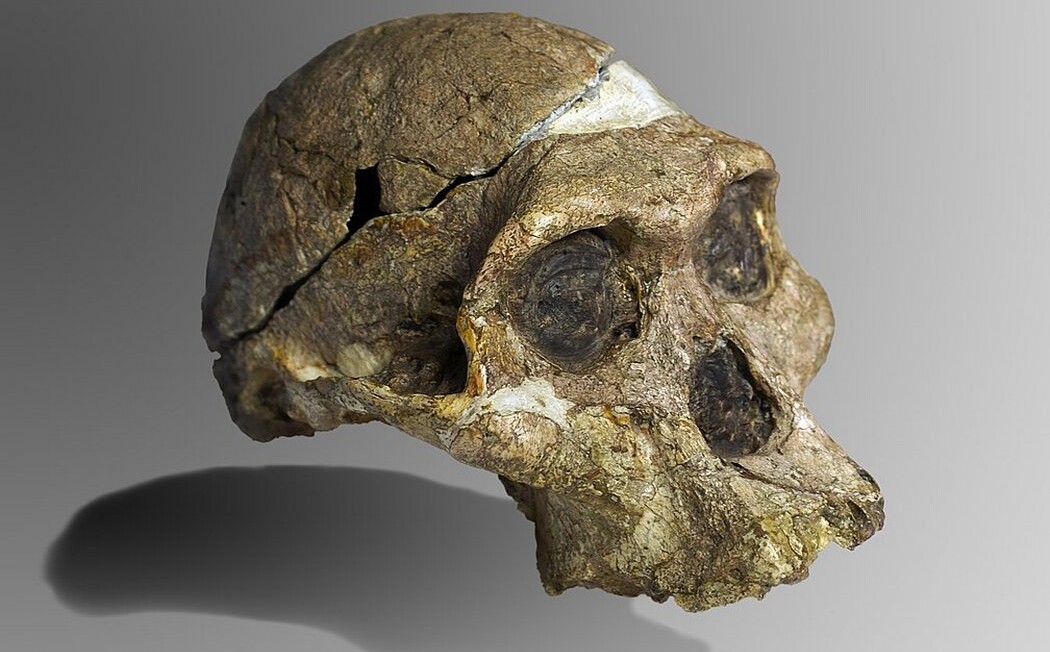
Recent fossil finds in Ethiopia suggest that early humans and their ape ancestors coexisted, challenging the traditional linear view of human evolution and indicating a complex, bushy evolutionary tree with multiple hominin species living simultaneously.
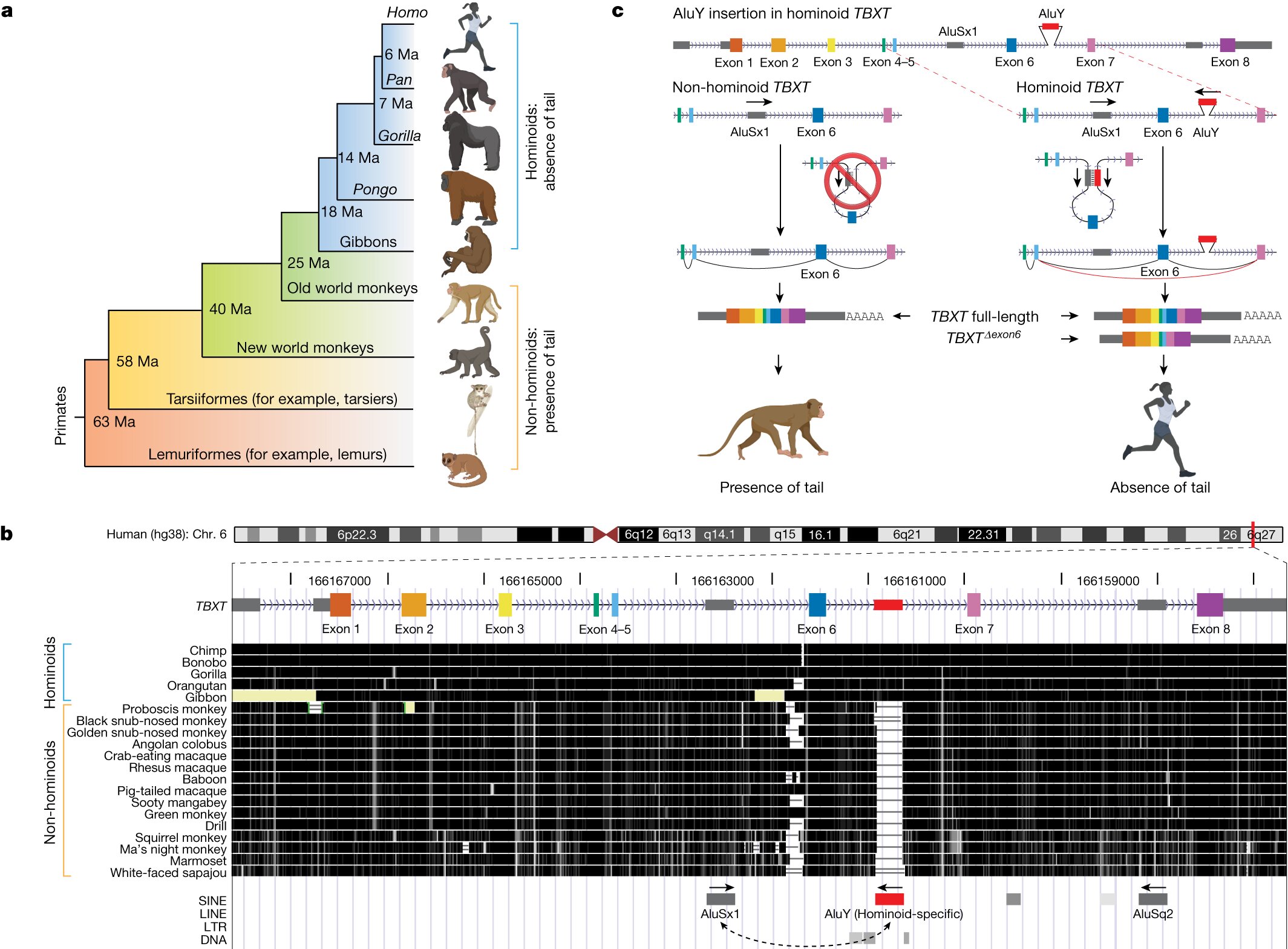
A new study published in Nature explores the genetic changes that enabled our ape ancestors to lose their tails, shedding light on the high mutation rate in humans and the prevalence of genetic diseases. The research identified a genetic mechanism involving "jumping genes" that altered the processing of a tail-determining gene, leading to the evolution of taillessness. While being tailless provided an evolutionary advantage, it also resulted in occasional genetic and developmental diseases, such as spina bifida, as a byproduct. This study challenges the notion of evolutionary progress and highlights the costs associated with genetic changes.
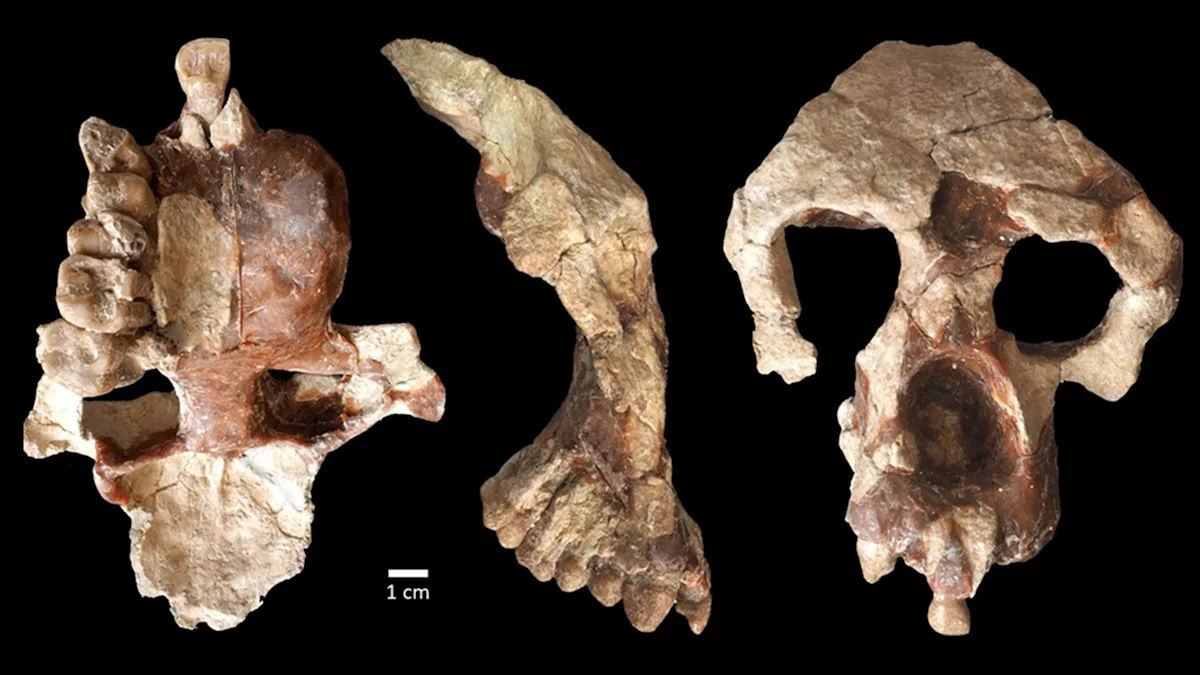
A controversial study suggests that the ancestors of African apes and humans may have first evolved in Europe before migrating to Africa. The discovery of hominine fossils in Europe and Anatolia has led some researchers to argue that hominines originated in Europe and later dispersed into Africa. The study analyzed a newly identified ape fossil from Turkey, suggesting that it lived in a dry forest similar to early humans in Africa. However, other experts argue that recent analyses do not support the idea of hominines originating in Europe. Further research in Africa and Eurasia is needed to clarify this matter.