Tag

Cell Division

All articles tagged with #cell division

New Insights into Protein Roles and Challenges in Cell Division Models

Originally Published 2 months ago — by Phys.org

Featured image for New Insights into Protein Roles and Challenges in Cell Division Models
Source: Phys.org

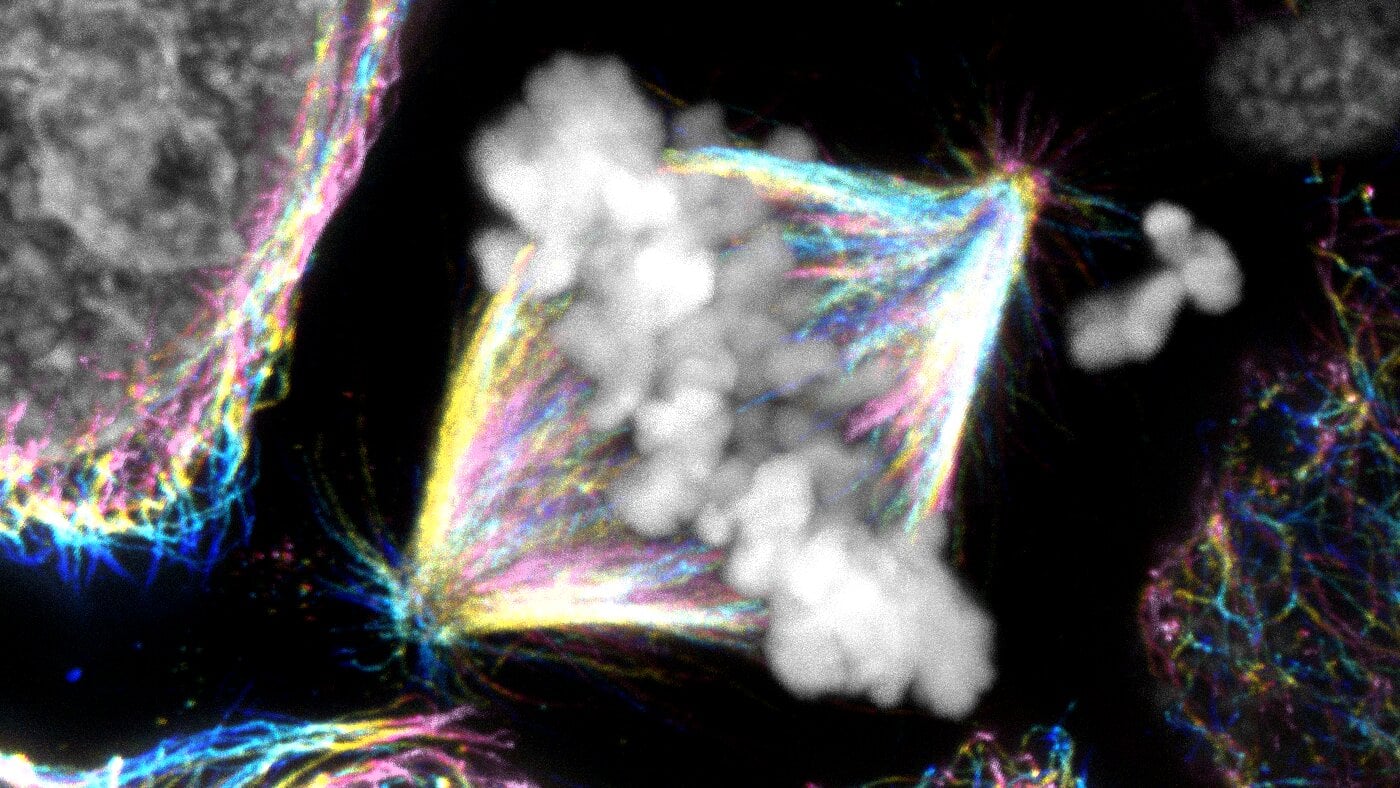
Researchers at the Ruđer Bošković Institute have discovered that the protein CENP-E's primary role in cell division is to stabilize initial chromosome attachments rather than act as a motor protein, overturning two decades of textbook understanding and highlighting new implications for cancer and genetic disease research.

"Cell Memory: Proteins and Division Efficiency"

Originally Published 1 year ago — by Ars Technica

Featured image for "Cell Memory: Proteins and Division Efficiency"
Source: Ars Technica

Scientists have discovered a "mitotic stopwatch" mechanism that allows individual cells to remember and respond to problems during cell division. This system involves a complex of proteins, including p53, which forms when mitosis takes longer than usual. The complex, consisting of p53, ubiquitin-specific protease 28, and p53-binding protein 1, helps stabilize p53 and can stop future cell divisions if present at high levels. Defects in this mechanism are frequently found in tumor samples, highlighting its role in tumor suppression. This discovery sheds light on how cells store memories of cell division problems and adds to the complex network of pathways involving p53 in cellular activities.

"Breakthrough: First-Ever Images Capture Cell Building Its Molecular Highway"

Originally Published 1 year ago — by ScienceAlert

Featured image for "Breakthrough: First-Ever Images Capture Cell Building Its Molecular Highway"
Source: ScienceAlert

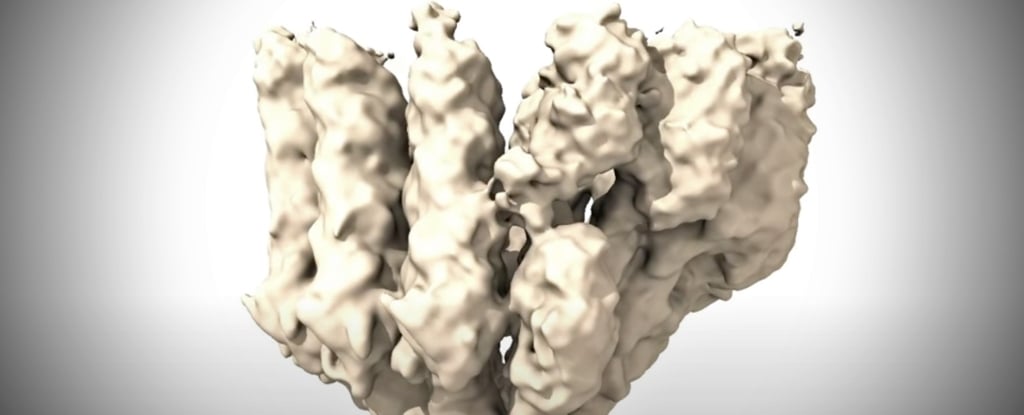
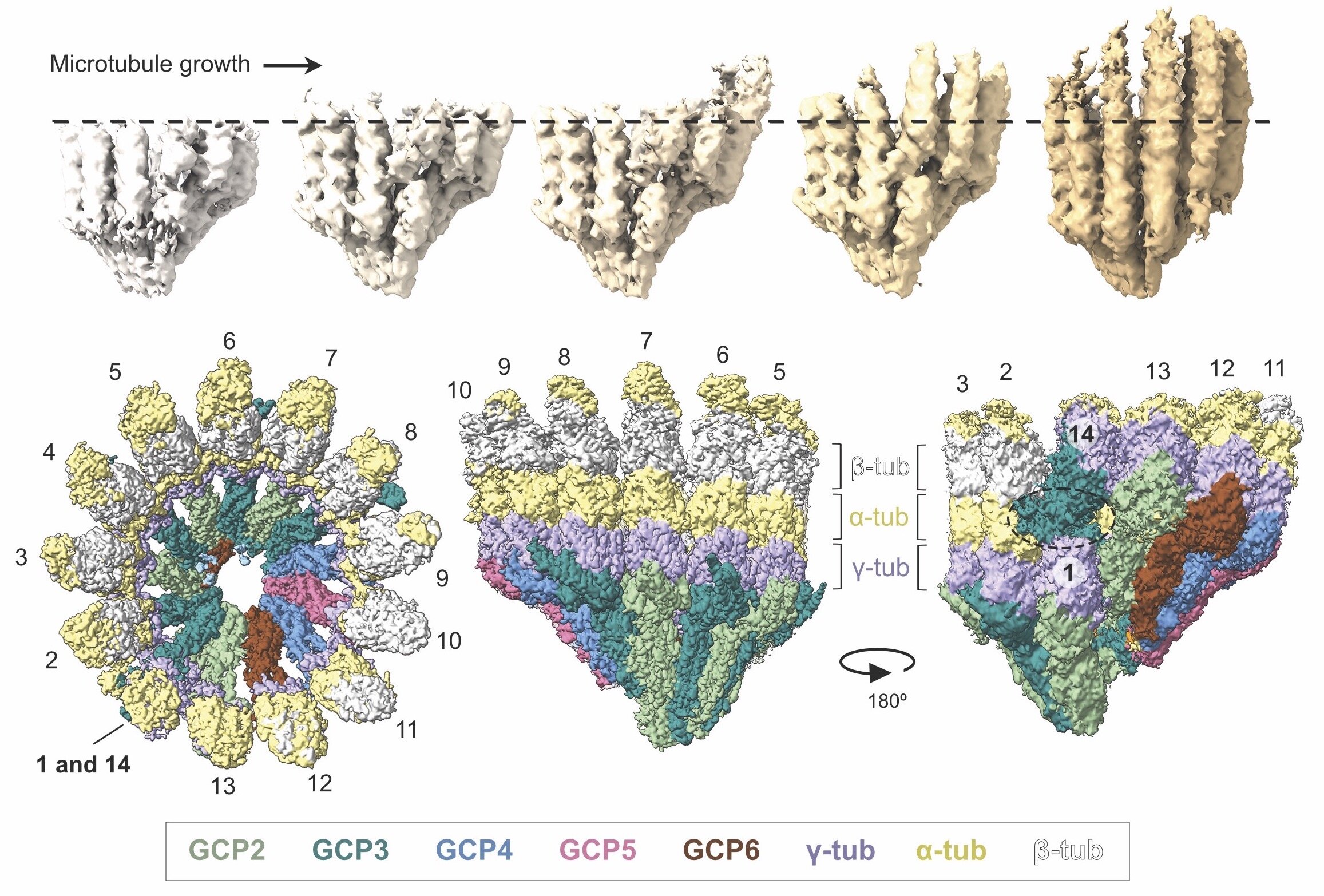
Scientists in Spain have captured the first detailed images of a human cell's microtubule formation process, shedding light on how these structures are built during cell division. The discovery could lead to targeted treatments for cancer and other conditions, as microtubules play a crucial role in cell biology. The high-resolution visuals and atomic-scale film reveal the intricate process of microtubule nucleation and the role of the gamma-tubulin ring complex (γ-TuRC) in guiding their formation. Understanding this process may offer new therapeutic approaches and insights into preventing cancer cells from dividing.

"Capturing the Construction: Unveiling the Molecular Highways of Cell Division"

Originally Published 1 year ago — by Phys.org

Featured image for "Capturing the Construction: Unveiling the Molecular Highways of Cell Division"
Source: Phys.org

Researchers have captured the first atomic-scale "movie" showing how human cells initiate the construction of microtubules, crucial structures involved in cell division and various cellular functions. The study, published in Science, reveals the process of microtubule nucleation, shedding light on the formation of these tiny tube-shaped structures and their role in pulling apart duplicated genetic material during cell division. The findings provide fundamental insights with potential implications for treating diseases such as cancer and neurodevelopmental disorders, offering a basis for developing more targeted therapeutic approaches.

Revealing the Truth: Common Chemotherapy Drugs' Unexpected Ineffectiveness

Originally Published 2 years ago — by SciTechDaily

Featured image for Revealing the Truth: Common Chemotherapy Drugs' Unexpected Ineffectiveness
Source: SciTechDaily

New research challenges the traditional understanding of how microtubule poisons, a class of cancer drugs, work. Instead of simply halting cancer cell division, these drugs alter the process, sometimes causing new cancer cells to die. The study sheds light on why previous attempts to discover new chemotherapy drugs based on stopping cell division have been disappointing. Researchers now suggest focusing on disrupting the cell division process differently to improve cancer treatments.

Cell Division Remnant: A Potential Culprit in Cancer Spread

Originally Published 2 years ago — by Phys.org

Featured image for Cell Division Remnant: A Potential Culprit in Cancer Spread
Source: Phys.org

Researchers have discovered that the midbody remnant, previously thought to be a cellular waste product, contains genetic material that can influence the fate of other cells, including promoting the development of cancer. The midbody, formed during cell division, contains RNA and cellular machinery necessary for protein production. These RNA blueprints are not related to cell division but instead play a role in cell communication and activities such as pluripotency and oncogenesis. Midbody remnants can be released into the bloodstream and taken up by other cells, potentially altering their behavior. The findings suggest that targeting midbody RNA could be a promising approach for cancer detection and therapeutics.

Unveiling the Intricacies of Cell Division: A Groundbreaking Revelation

Originally Published 2 years ago — by ScienceAlert

Featured image for Unveiling the Intricacies of Cell Division: A Groundbreaking Revelation
Source: ScienceAlert

Researchers have developed a new imaging process called PINE nanoscopy, which uses scattered light instead of fluorescent molecules to observe cellular processes like cell division. By imaging randomly distributed gold nanorods, the system allows for longer observations at a highly detailed resolution. Using this technique, scientists were able to observe the behavior of actin molecules during cell division, discovering that actin expands when the cell contracts and vice versa. This breakthrough could lead to a better understanding of how molecular defects in tissues and organs contribute to disease development.

"Comparing Behaviors: Cells in Confinement and People in Crowds Exhibit Similarities, Study Finds"

Originally Published 2 years ago — by Phys.org

Featured image for "Comparing Behaviors: Cells in Confinement and People in Crowds Exhibit Similarities, Study Finds"
Source: Phys.org

A study conducted by biophysicists from the University of Chicago has found that living cells in confinement behave similarly to people in crowds. The researchers observed that cells adjust their size while growing alongside other cells in sheets of tissue. The study provides insights into how cells regulate their growth and division, which is crucial for understanding tissue development and growth. The findings may have implications for cancer treatments and tissue engineering.

"Breakthrough: Scientists Uncover Innovative Method to Attack Bacterial Cell Wall"

Originally Published 2 years ago — by News-Medical.Net

Featured image for "Breakthrough: Scientists Uncover Innovative Method to Attack Bacterial Cell Wall"
Source: News-Medical.Net

Researchers led by Martin Thanbichler have discovered a central regulator, DipM, that controls different classes of autolysins involved in bacterial cell wall remodeling. DipM interacts with multiple autolysins and a cell division factor, making it the first identified regulator that can control two classes of autolysins. Disruption of DipM leads to cell death, highlighting its critical role in cell shape maintenance and division. These findings may contribute to the development of new therapeutic strategies against bacterial infections by targeting multiple autolytic pathways simultaneously.

"Fungi's Anti-Cancer Abilities and Centuries-Long Survival Secrets Unveiled"

Originally Published 2 years ago — by Newsweek

Featured image for "Fungi's Anti-Cancer Abilities and Centuries-Long Survival Secrets Unveiled"
Source: Newsweek

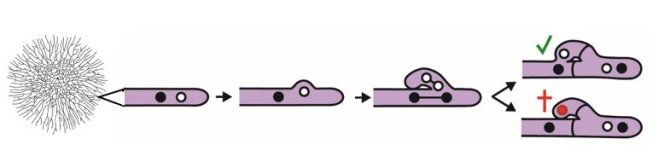
Scientists have discovered that certain long-lived fungi species can use a special type of cell division called a "clamp connection" to prevent the accumulation of damaging mutations, similar to cancers in humans and plants. This mechanism allows the fungi to live longer by avoiding the development of harmful mutations. The fungi's nuclei continuously test each other for the ability to fuse, and mutations in fusion genes fail this test, leading to a dead-end for the cell. This finding adds to the understanding of how organisms evolve mechanisms to avoid cancerous mutations and live longer lives.

"Fungi's Centuries-Long Survival Strategy Unveiled"

Originally Published 2 years ago — by ScienceAlert

Featured image for "Fungi's Centuries-Long Survival Strategy Unveiled"
Source: ScienceAlert

Researchers at Wageningen University have discovered that long-lived fungi have evolved a mechanism to prevent the accumulation of life-limiting mutations. These fungi use a special type of cell division called a 'clamp connection' to screen against selfish mutants, allowing them to live for centuries without accumulating too many genetic faults. This finding sheds light on the biological tension between individual cells and whole organisms, similar to cancer in other organisms. While the study may not directly translate to cancer prevention in humans, it highlights the various ways evolution equips organisms to overcome challenges and maintain longevity.

Unraveling the Secrets of Mushroom Immortality: Defying Cancer for Centuries

Originally Published 2 years ago — by Phys.org

Featured image for Unraveling the Secrets of Mushroom Immortality: Defying Cancer for Centuries
Source: Phys.org

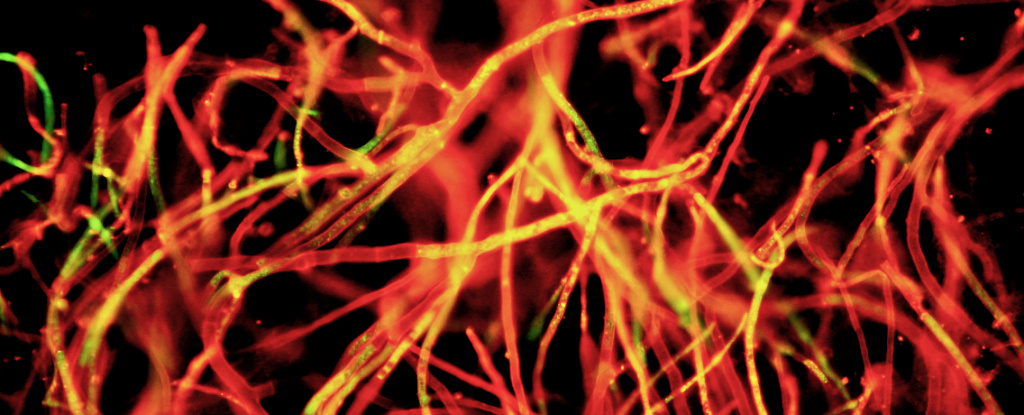
Researchers from Wageningen University & Research propose a hypothesis to explain why some fungi, like long-lived mushrooms, can live for hundreds of years without getting cancer. They suggest that these fungi have a special type of cell division called a clamp connection, which acts as a screening device for the quality of the nucleus. This mechanism reduces the risk of nucleus cancers, unlike short-lived fungi that are prone to developing such cancers. The findings provide insights into Peto's paradox, which states that there is little variation in lifetime-cancer risk between animal species.

Unveiling the Secrets of Plant Cell Division

Originally Published 2 years ago — by Phys.org

Featured image for Unveiling the Secrets of Plant Cell Division
Source: Phys.org

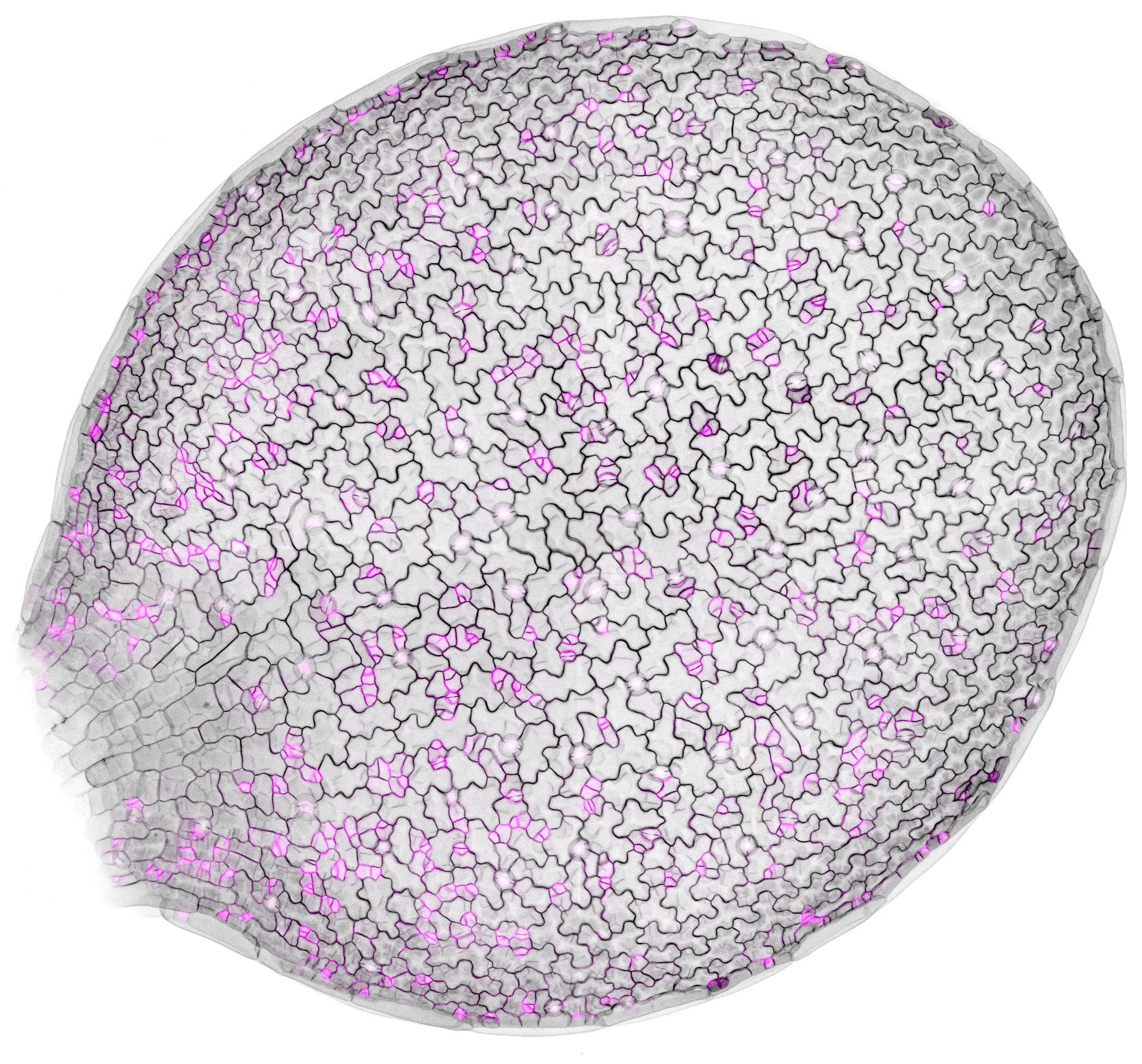
Researchers at Stanford University have discovered that plant cells use the cytoskeleton, similar to animal stem cells, but with a twist. Instead of pulling on the cytoskeleton, plant cells push it away during division. This finding could have implications for engineering plants that are more adaptable to changing environments. The study focused on polarity complexes, which help dividing leaf stem cells orient themselves. By understanding how these complexes work, researchers hope to manipulate stem cell behavior to alter plant architecture and help plants adjust to a changing climate.

Uncovering the Secrets of Cell Division Reversal in Cancer Treatment

Originally Published 2 years ago — by Phys.org

Featured image for Uncovering the Secrets of Cell Division Reversal in Cancer Treatment
Source: Phys.org

Researchers at the Center for Molecular Medicine Norway have discovered the mechanisms behind the activation of Aurora B, an enzyme crucial for cell division. By disrupting the activity of Aurora B during cell division, the process becomes chaotic, leading to cell death. This knowledge can be used to develop new cancer treatments that block Aurora B activity and prevent cancer cells from dividing uncontrollably. The researchers used molecular dynamics simulation and hydrogen-deuterium exchange mass spectrometry to analyze the structure and dynamics of Aurora B.