Tag

Dna Replication

All articles tagged with #dna replication

science1 year ago

"Uncovering DNA Replication's Key Quality-Control Mechanism"

Scientists have discovered a multi-protein "machine" in cells that governs the pausing or stopping of DNA replication, ensuring its smooth progress. This discovery sheds light on a puzzling set of genetic diseases and could lead to future treatments for neurologic and developmental disorders. The protein complex, called 55LCC, plays a crucial role in regulating protein stability in replicating DNA and is associated with childhood syndromes involving hearing loss, cognitive and movement impairments, and epilepsy. Understanding this mechanism could have broader implications for mitigating clinical issues associated with syndromes stemming from 55LCC dysfunction and for studying protein recycling critical to cell health.

science1 year ago

"Uncovering the Secrets of Chromosome Immortality"

Recent research challenges the long-standing understanding of the end-replication problem in DNA, revealing two distinct issues rather than one. Telomerase and the CST–Polα-primase complex are both essential for chromosome protection, addressing the leading and lagging-strand problems in DNA replication. This discovery may lead to a revision in the science of telomeres and potential impacts on genetic disorders, offering new insights into maintaining chromosome immortality.

science1 year ago

"Novel Protein Inhibits DNA Triplication"

Researchers at the Spanish National Cancer Research Centre have discovered a protein, RAD51, that prevents DNA from being over-replicated, which could lead to cancer. This newly identified anti-failure mechanism ensures that DNA is copied only once, reducing the risk of oncogenes being amplified and preventing DNA damage. RAD51 acts as a physical impediment to the reactivation of the copying process, restricting DNA over-replication from re-activated origins. This finding sheds light on the molecular mechanisms that protect against errors in DNA replication and could have implications for cancer prevention.

science-and-technology1 year ago

"Accelerated Evolution: Harnessing a New E. coli Strain for Gene Modification"

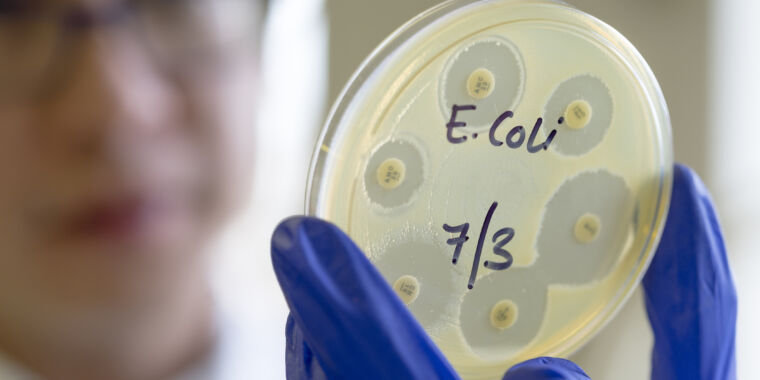
Researchers at Cambridge have developed a synthetic DNA replication system in E. coli that allows for rapid and risk-free generation of genetic mutations, accelerating evolution of specific genes. This system, inspired by nature, uses an error-prone DNA replication enzyme to spur rapid evolution while leaving the organism's essential genes unaffected. The researchers successfully demonstrated the system's ability to evolve new functions, such as antibiotic resistance and increased fluorescence in a gene encoding green fluorescent protein. This approach could have significant implications for developing enzymes and proteins with applications in research, medicine, and industry.

science2 years ago

"Visualizing Genetic Copy-and-Paste Machinery in Action"

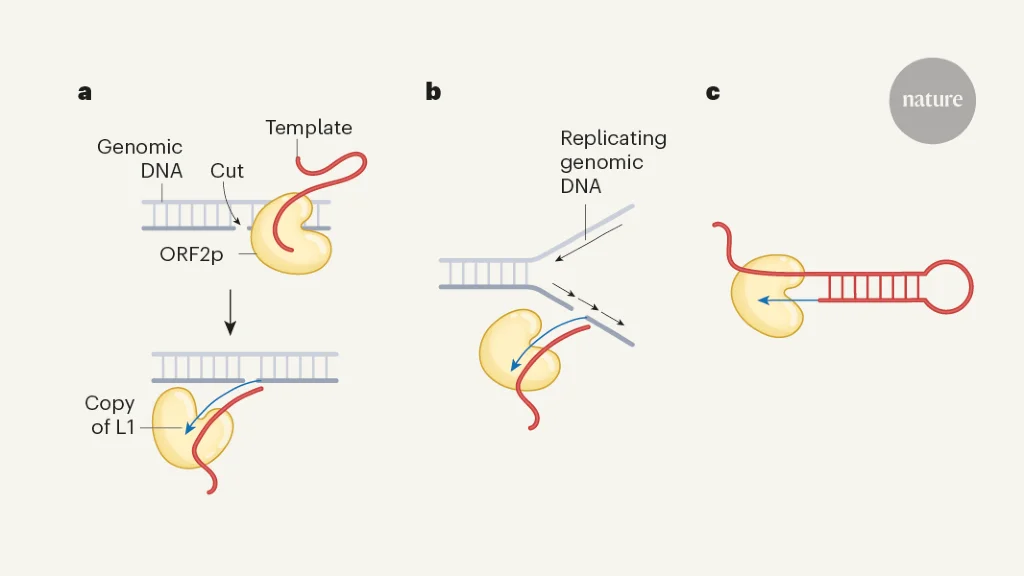
Researchers have reported the X-ray and cryoelectron-microscopy structures of the machinery that enables LINE-1 (L1) DNA elements to self-duplicate and spread throughout mammalian genomes, shedding light on the process of chromosome evolution. This biological 'copy and paste' mechanism provides insight into how and where this DNA element is duplicated, offering valuable information for understanding genome evolution and molecular biology.

science2 years ago

"Discovery of Genes Emerging Spontaneously Challenges Traditional Understanding"

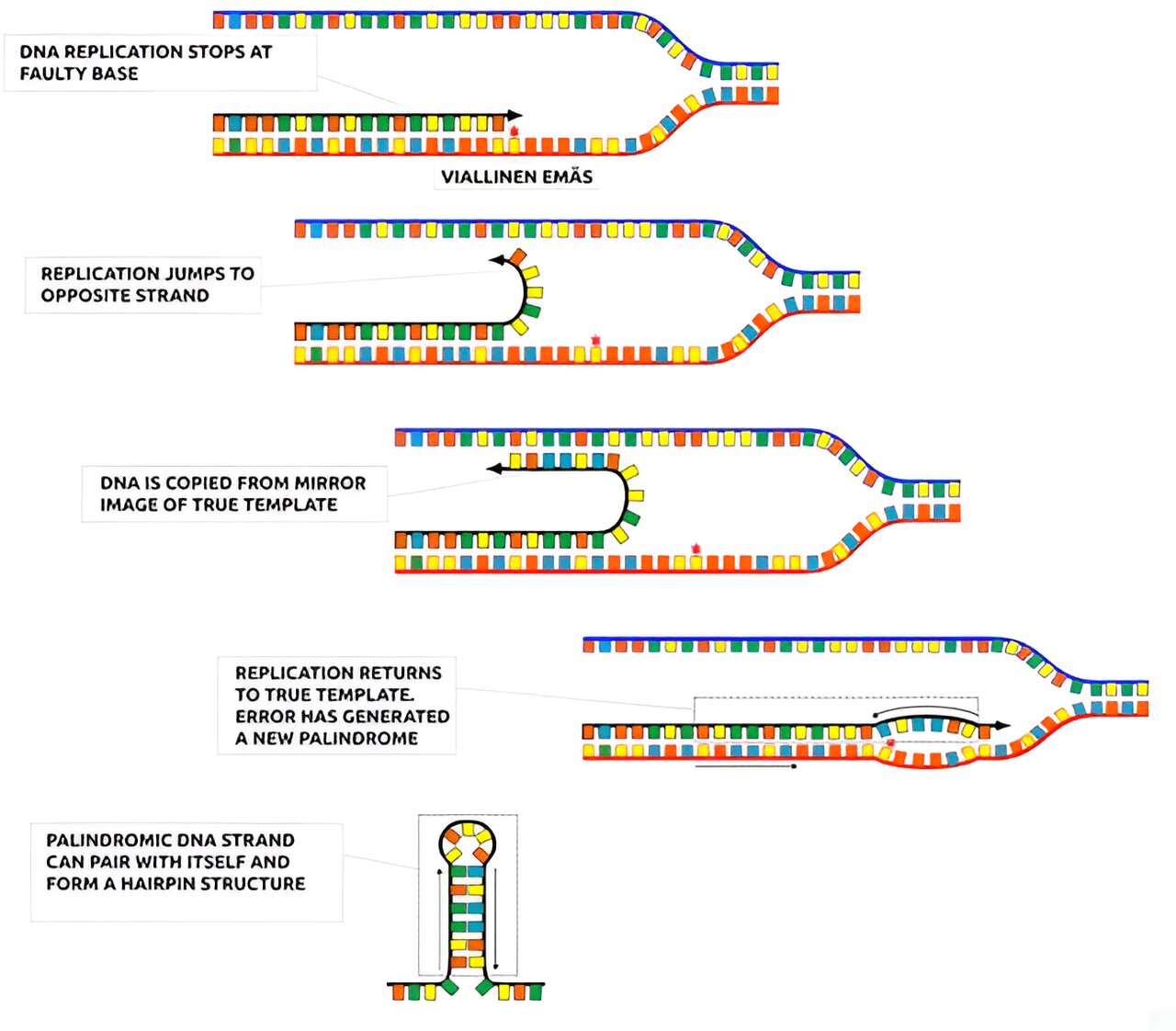
Researchers at the University of Helsinki have discovered a mechanism that can generate complete DNA palindromes, leading to the creation of new microRNA genes from previously noncoding DNA sequences. By studying errors in DNA replication, the researchers found that certain errors can copy DNA backward, creating palindromic sequences. These palindromes can then fold into hairpin structures, which are crucial for the function of microRNA molecules. The researchers believe that this mechanism can explain the origin of at least a quarter of novel microRNA genes and may have broader implications for understanding the evolution of RNA genes and the basic principles of biological life.

science-and-technology2 years ago

Unveiling the Mechanism of Nucleosome Assembly and Histone Binding by Chromatin Assembly Factor-1

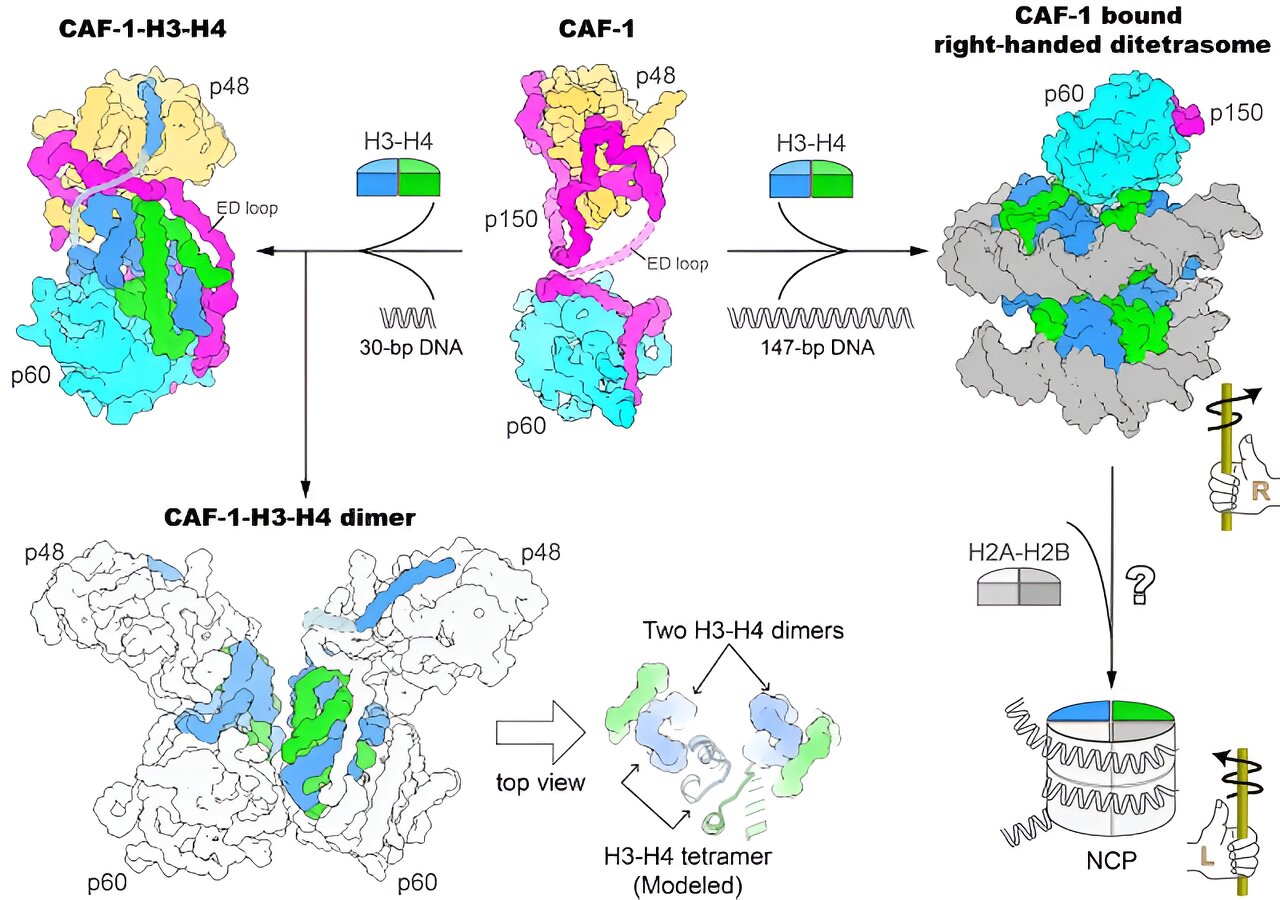
Researchers have revealed the mechanism of nucleosome assembly by chromatin assembly factor-1 (CAF-1), a protein complex responsible for depositing newly synthesized histones onto DNA. Through high-resolution structures and cryo-EM imaging, they discovered that CAF-1 binds to histones H3-H4 through specific subunits and loops. They also found that a DNA oligomer triggers the dimerization of the CAF-1-H3-H4 complex, leading to the formation of an H3-H4 tetramer. Additionally, they observed a CAF-1-bound right-handed di-tetrasome structure, suggesting the involvement of a right-handed nucleosome precursor in replication-coupled nucleosome assembly. These findings provide insights into the molecular mechanism of de novo nucleosome assembly.

science2 years ago

Cells: The True Architects of Life

In his book "The Selfish Gene," Richard Dawkins popularized the idea that organisms are merely vehicles for gene replication. However, this gene-centric view overlooks the crucial role of cells in the process. Cells are not tools created by DNA, but rather entities that interpret genetic information and transform it into an organism. The complexity and beauty of traits in organisms suggest that evolution is not solely driven by selfish genes, but rather a more intricate interplay between genes, cells, and the environment.

science2 years ago

"Unveiling the Dynamic Relationship Between RNA Polymerase II and Active Genes in DNA Replication"

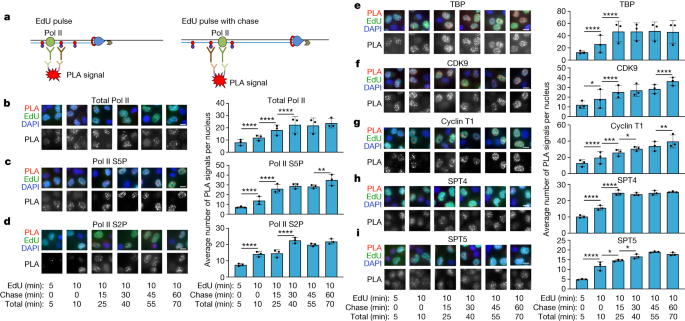
A recent study has found that RNA polymerase II, an enzyme responsible for transcribing DNA into RNA, remains associated with active genes during DNA replication. This discovery challenges the conventional understanding that RNA polymerase II dissociates from chromatin during replication. The findings suggest that RNA polymerase II may play a role in maintaining transcriptional memory and contribute to the regulation of gene expression.

science-and-technology2 years ago

Retrotransposons exploit DNA-repair pathway for circular DNA replication

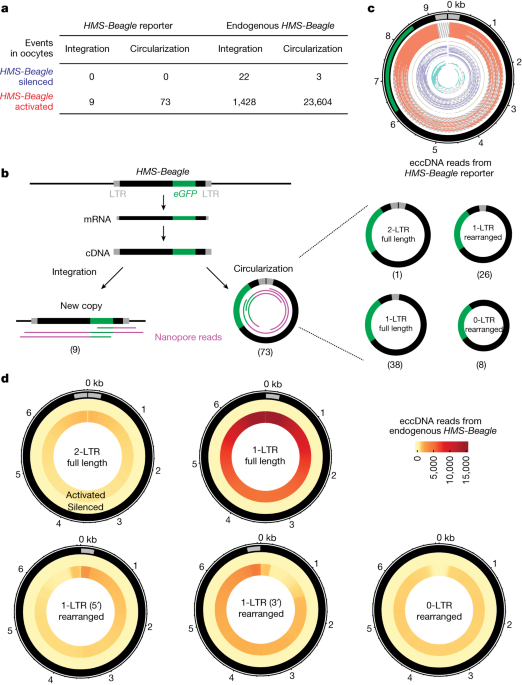
Retrotransposons, a type of transposable element, have been found to hijack a DNA repair pathway called alternative end joining (alt-EJ) to facilitate their own replication and the formation of extrachromosomal circular DNA (eccDNA). Researchers discovered that alt-EJ, which is normally involved in repairing DNA double-strand breaks, is co-opted by retrotransposons to generate the necessary DNA intermediates for their replication. This study sheds light on the mechanisms underlying retrotransposon propagation and eccDNA formation, providing insights into genomic stability and potential implications for diseases such as cancer.

science-and-technology2 years ago

"Unlocking the Secrets: Ingenious DNA Manipulation Techniques"

Researchers are unraveling the intricate process of DNA replication, which involves tight control and coordination to ensure accurate and efficient copying of genetic material. The initiation of DNA replication involves the loading of inactive helicases onto the DNA at specific start sites, followed by their activation to unwind the DNA. Proteins like ORC and CDK play crucial roles in this process. Understanding DNA replication is important for preventing genetic diseases and maintaining genome stability.