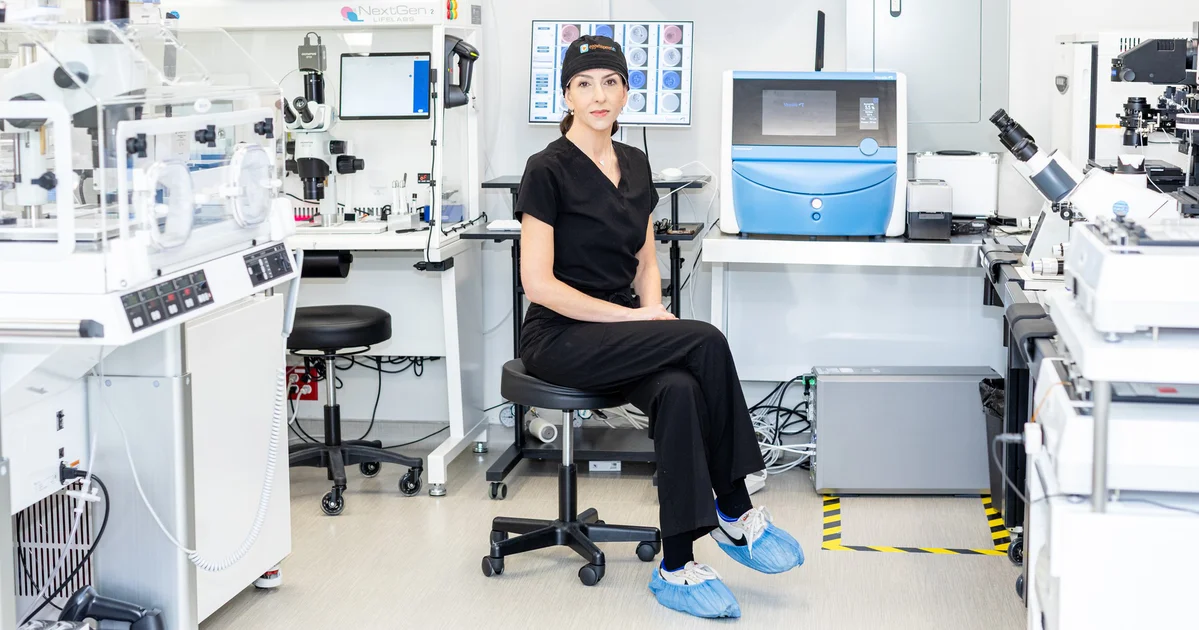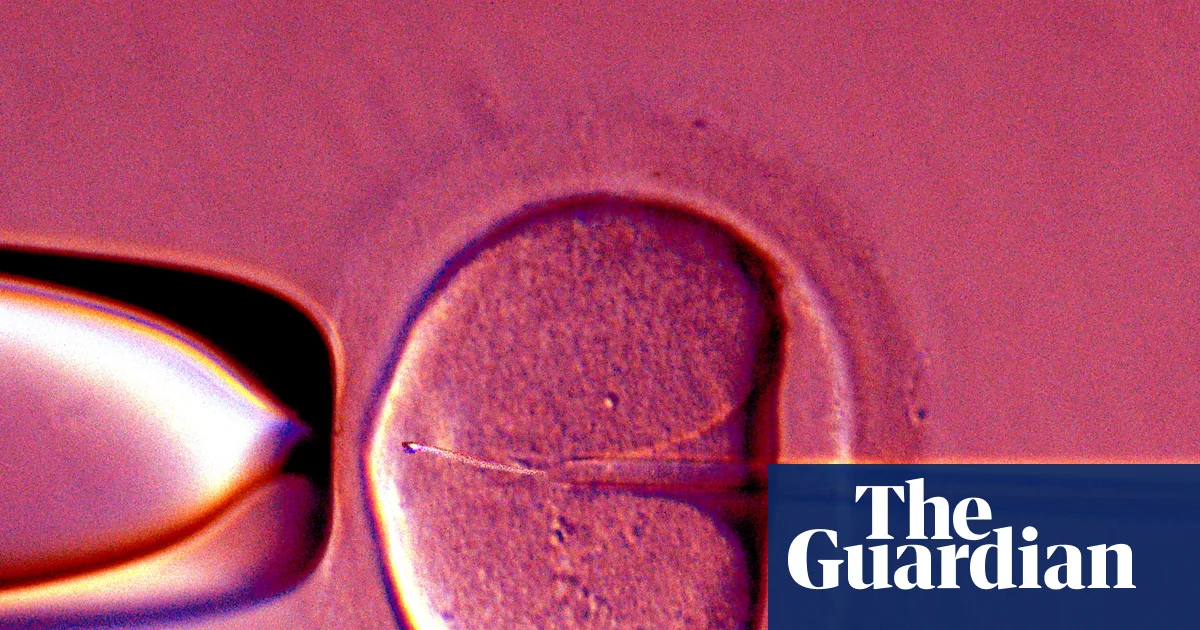
Scientists have developed a technique to 'rejuvenate' aging human eggs by supplementing them with a protein called Shugoshin 1, which reduces genetic errors linked to age, potentially improving IVF success rates for older women. The method involves microinjections that nearly halve the rate of chromosome abnormalities, offering hope for more effective fertility treatments, especially for women over 35.
A maternal-fetal medicine doctor reflects on the emotional and physical toll of pregnancy loss, especially among women over 35 who have undergone IVF, highlighting the profound grief and questions about timing that many women face after experiencing such tragedies.
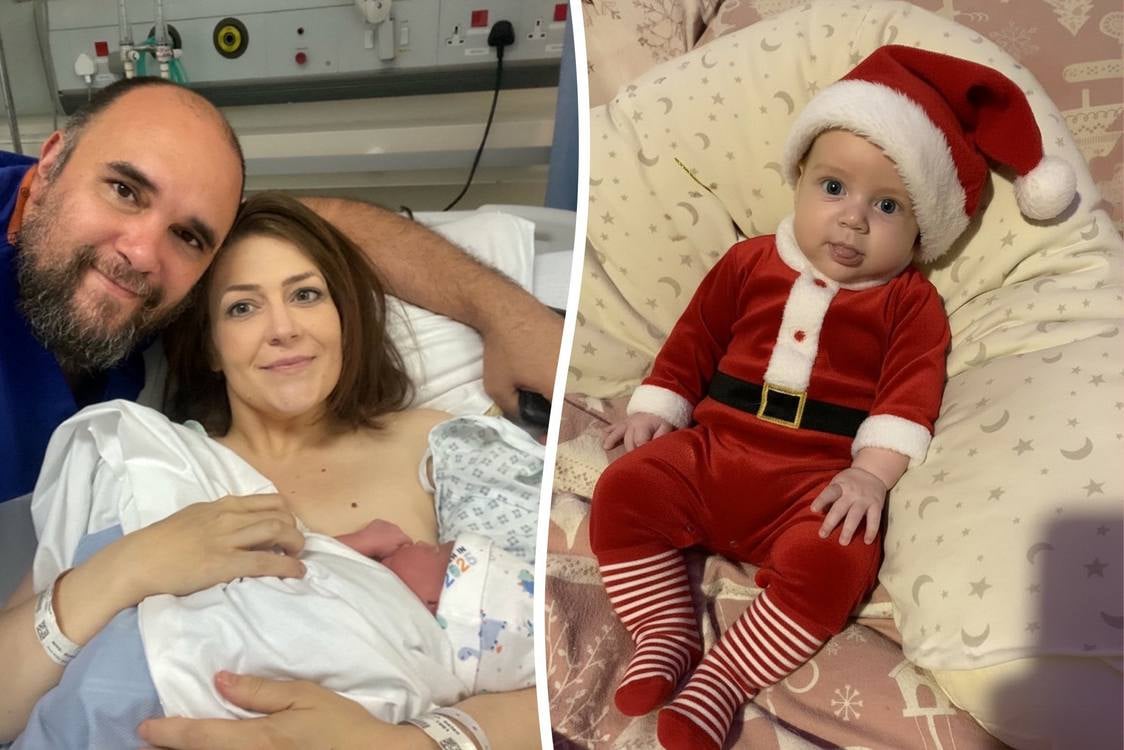
A couple who began IVF treatment on Christmas Day after years of infertility and medical challenges successfully welcomed a baby boy after an 11-year struggle, celebrating their miracle during the holiday season.
Scientists have successfully created a replica human womb lining in the lab, allowing them to observe early embryo implantation and chemical communication, which could lead to improved understanding of pregnancy failures and enhance IVF success rates.
Experts highlight that male infertility is under-researched and often left untreated in the UK, leading to unnecessary IVF procedures. Many causes, such as varicocele, are treatable, but lack of awareness, limited testing, and insufficient specialist availability hinder diagnosis and treatment. The recent men's health strategy omits specific focus on infertility, despite calls for more research, education, and comprehensive testing to improve outcomes and reduce mental health impacts.
There are calls for legal rights to paid leave for women undergoing IVF treatment, as current laws do not guarantee time off, leading many to use sick days or hide their treatment, which impacts their well-being and productivity. Campaigners argue that recognizing fertility treatment as a medical procedure and providing legal leave could benefit both employees and employers, with some political efforts underway to introduce legislation for this purpose.
The Trump administration announced policies aimed at reducing IVF costs and promoting pro-life values, but faced mixed reactions from conservatives, fertility advocates, and Democrats, with some viewing it as a political gesture and others as a modest win for the pro-life movement.
President Trump’s new IVF policy proposals fall significantly short of his campaign promise to make IVF completely free, disappointing many supporters and failing to address the high costs and accessibility issues associated with fertility treatments.
President Trump announced a deal with EMD Serono to significantly reduce the cost of fertility drugs, making IVF treatments more accessible and affordable for American families, with discounts ranging from 42% to 79% expected to start in early 2026.
The White House announced a plan to expand access to IVF and fertility medications, aiming to encourage companies to improve coverage and reduce costs, under President Donald Trump's administration.
The article discusses a Catholic perspective on supporting families and life, emphasizing opposition to IVF due to moral reasons, while encouraging Catholic institutions and employers to support family life through financial assistance for adoption and fertility treatments in accordance with Church teachings.
The Trump administration announced new policies on IVF that emphasize pro-life positions but did not include new funding or coverage requirements, leading to mixed reactions from advocates and concerns over cuts to reproductive health research and regulation agencies.
The White House announced a deal to significantly reduce the cost of IVF drugs on the TrumpRx platform, with over 70% discounts for drugs like Gonal-F, Ovidrel, and Cetrotide, and plans to encourage employers to offer more IVF coverage, although it stops short of providing universal free IVF.
The White House plans to announce measures to expand access to IVF and implement a 'most-favored nation' pricing deal with a fertility drug manufacturer, aiming to lower costs and increase affordability of reproductive services, amidst political debates over the treatment's ethical implications.
President Trump announced a deal with EMD Serono to lower the prices of fertility medications like Gonal-f and Pergoveris, aiming to make IVF more affordable, amid ongoing political debates about reproductive rights and recent court rulings affecting IVF services.