A 4-year-old girl from Ogden, Utah, Elora 'Ellie' Rudd, died from complications related to influenza, including pneumonia and sepsis, after her condition worsened despite hospital care. Her death highlights the severity of the current flu season, which has caused significant illness and fatalities nationwide, especially among children.
Oregon is experiencing a milder flu season compared to last year despite a nationwide surge caused by a new influenza A strain, with hospitalizations and infections remaining relatively low and officials urging residents to get vaccinated and take precautions.
U.S. flu infections are surging this season, surpassing last winter's severity, driven by a new H3N2 strain not covered by current vaccines, with health officials warning of a peak ahead and recent policy changes reducing vaccine recommendations for children, raising concerns about public health data and disease control efforts.
UNC Health hospitals in the Triangle area are implementing temporary visitor restrictions starting January 5 due to the rise in flu and respiratory illnesses, including bans on visitors under 11 and those with symptoms, as part of efforts to curb the spread during peak cold weather months.
Colorado is experiencing a severe flu season with rising hospitalizations, especially among children, partly due to a less effective vaccine match and a new aggressive strain. Despite some underreporting, data shows a significant increase in flu activity, and the flu currently poses a greater risk than COVID, emphasizing the importance of vaccination and preventive measures.
Amid an early and severe flu season in the US, at-home flu tests are widely available at pharmacies and online, costing around $20-$30, and can provide results within 15-20 minutes. While highly specific, these rapid tests have a sensitivity of 50-70%, meaning false negatives are possible, especially later in the season. Experts recommend testing early and consulting healthcare providers if symptoms are severe or high-risk, with vaccination still advised to reduce severe illness.
This flu season is worsening with a new 'super' variant linked to increased cases, especially during holiday gatherings, with symptoms coming on faster and more intensely; vaccination and early testing are recommended to reduce severe illness.
Prisma Health in South Carolina has temporarily restricted visitors under 15 years old in its hospitals due to increased flu activity and measles concerns, aiming to protect patients and staff during the peak flu season, with exceptions for urgent circumstances.
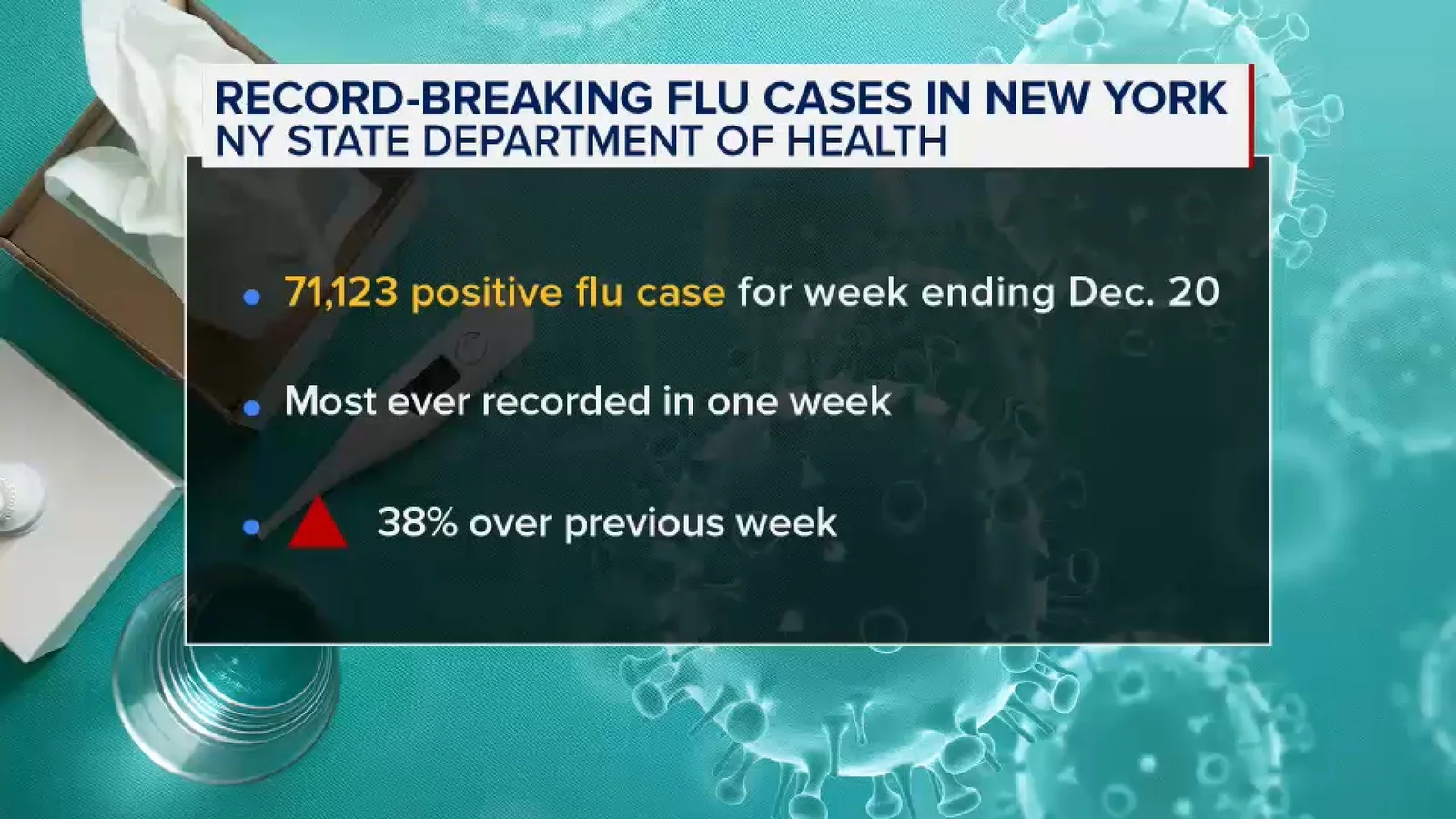
The New York Department of Health reports a record 71,123 flu cases in a single week ending December 20, marking the highest since tracking began in 2004, with cases increasing by 38% from the previous week, and experts warn the situation may worsen as flu season peaks in January.
Flu cases are rising nationwide and in Texas, doubling in recent weeks, with experts warning it could worsen after the holidays. The CDC reports about 15% of lab tests are positive, and nearly 20% in Texas. Symptoms can appear quickly, and it's advised to get vaccinated early, as it's too late for the shot if exposed recently. Those infected should rest, stay home, and consider antiviral medication to reduce recovery time. Flu season is expected to continue until March.
Flu cases are surging in Minnesota, with nearly 2,000 cases reported in December and more expected during the holidays, prompting health officials to recommend vaccination, masks, and avoiding social gatherings if symptomatic, especially for vulnerable populations like children and seniors.
This year’s flu season has started early and is particularly severe among children, with hospitals overwhelmed in states like Colorado and Michigan. The CDC reports increased flu activity, and demand for antiviral medication Tamiflu is rising, though it is most effective when administered early and mainly for high-risk groups. Experts emphasize the importance of vaccination and staying home when sick to prevent spread, especially during the holiday season.
A new 'super flu' variant of influenza A H3N2, called subclade K, is causing a severe flu season in the UK and the US, with concerns about vaccine effectiveness due to mutations. Experts recommend getting vaccinated and using antiviral treatments like Tamiflu to reduce severity, as the season is expected to be particularly challenging.
This year's flu season is expected to be more severe due to the spread of the H3N2 virus and lower vaccination rates, with experts emphasizing the importance of getting vaccinated, early testing, and treatment to mitigate severe illness and hospitalizations.
The current flu season is intensifying, especially in states like New York, Colorado, New Jersey, and Louisiana, driven by a mutation in the H3N2 virus strain, leading to increased cases and hospitalizations. Experts emphasize the importance of vaccination, masking, good hygiene, and ventilation to prevent spread, as the season is expected to remain severe into spring.