Canned vegetables are often misunderstood; they are nutritionally comparable to fresh vegetables, especially since they are canned at peak ripeness, preserving essential nutrients. While they may lose some heat-sensitive vitamins, they retain fiber, minerals, and antioxidants, and can be a convenient, affordable, and nutritious addition to a balanced diet. Choosing low-sodium and BPA-free options, and rinsing canned veggies can further enhance their health benefits.

Scientists are transforming eerie concepts into innovative solutions, including lab-grown mini-brains for studying the human brain, spider-inspired gloves for quick wound dressings, edible coatings from wolf apple to extend produce freshness, and discovering microplastics in human retinas, highlighting environmental concerns.
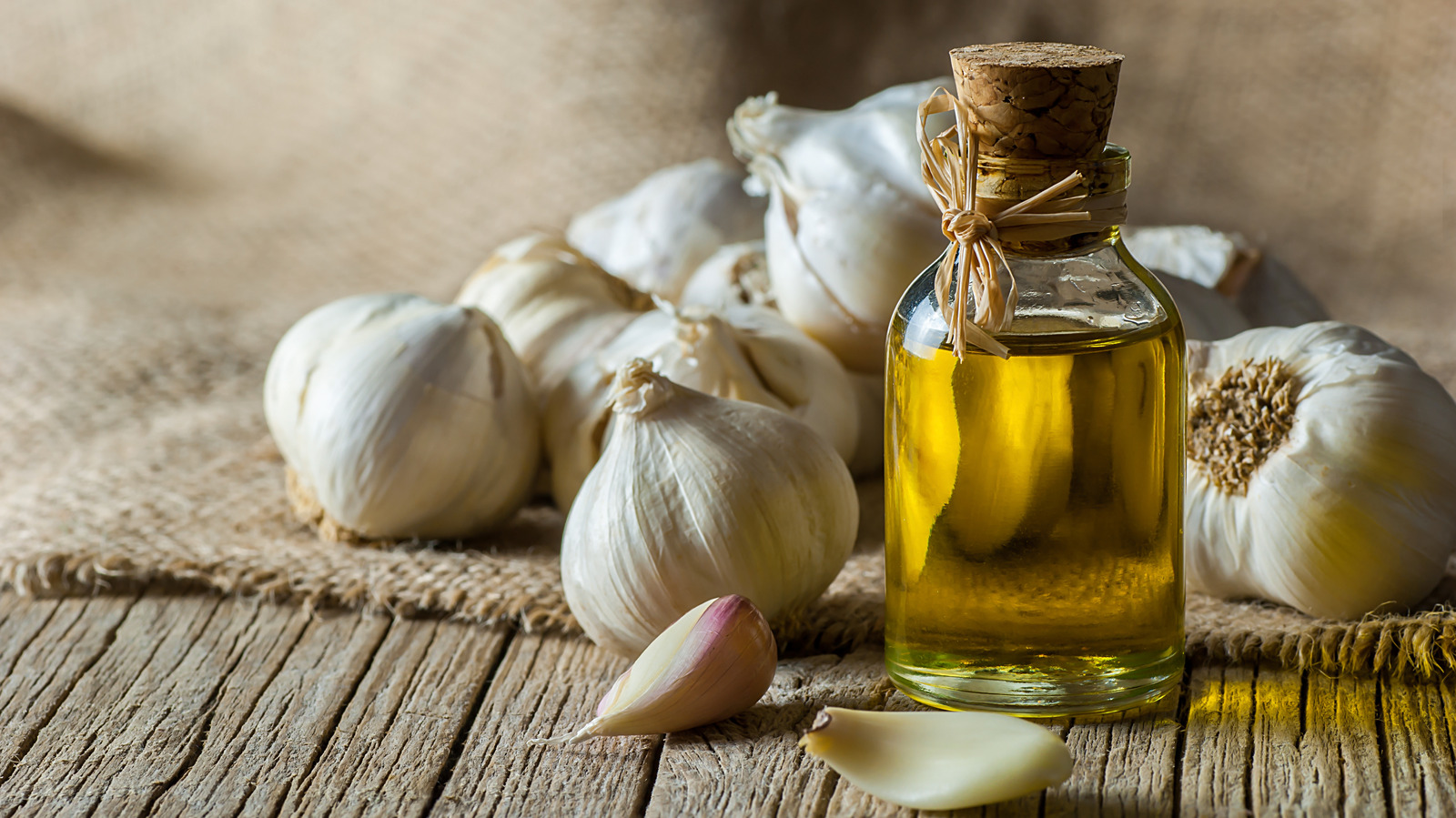
Storing raw, peeled garlic in oil can be dangerous due to the risk of botulism. However, minced garlic can be safely preserved in oil by poaching it in a saucepan for about an hour to kill off bacteria. The oil-drenched garlic can then be stored in the refrigerator for up to a month, providing a longer shelf life compared to fresh minced garlic.
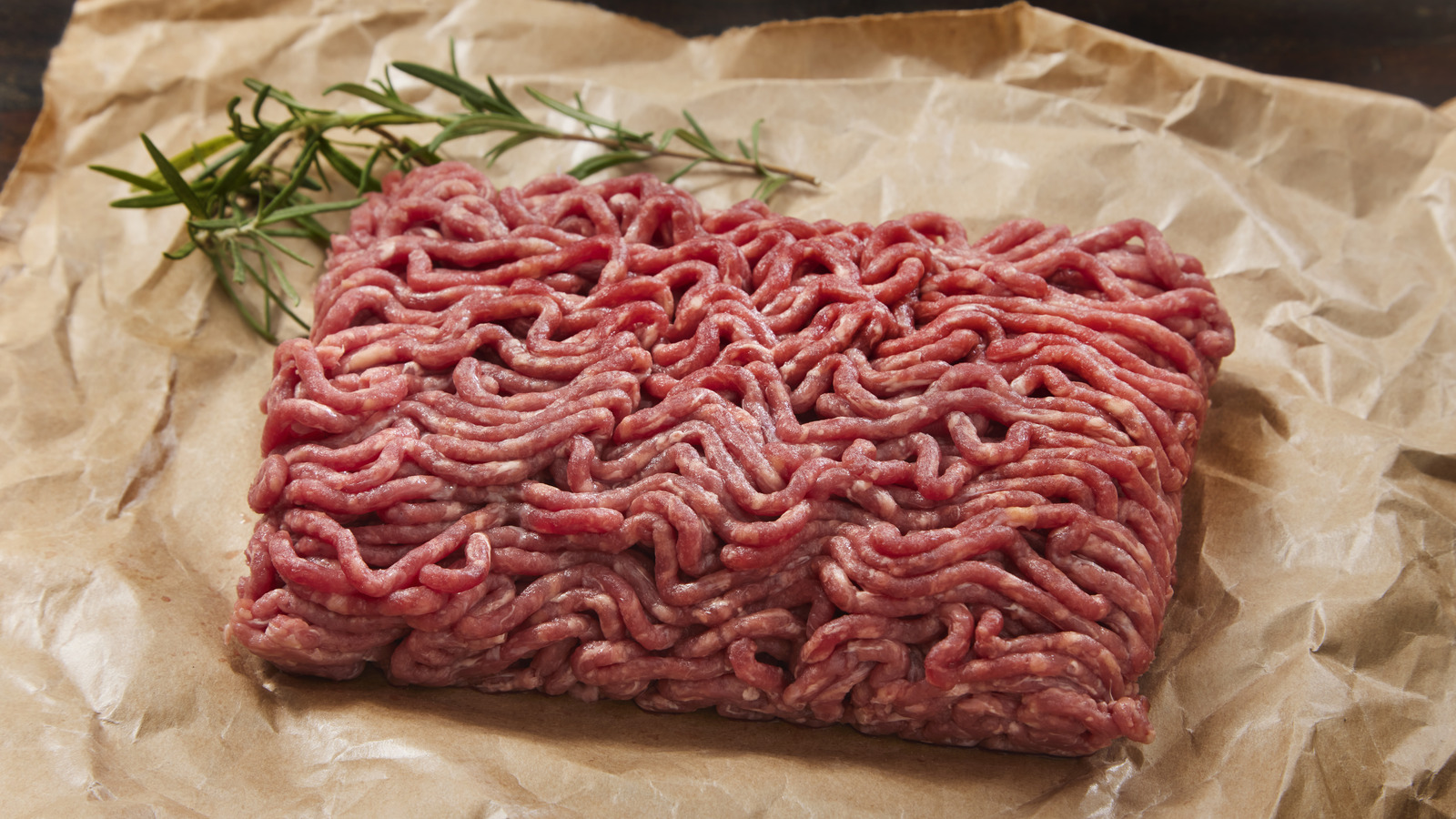
Freezing ground beef can lead to a mushy texture, but using a rolling pin before freezing can help prevent this. Rolling down and over the meat with a rolling pin helps squash air pockets and minimize moisture, preserving the texture of the frozen ground beef. The rolling pin presses down against the meat, minimizing excess moisture and maintaining the structure of the meat during freezing.