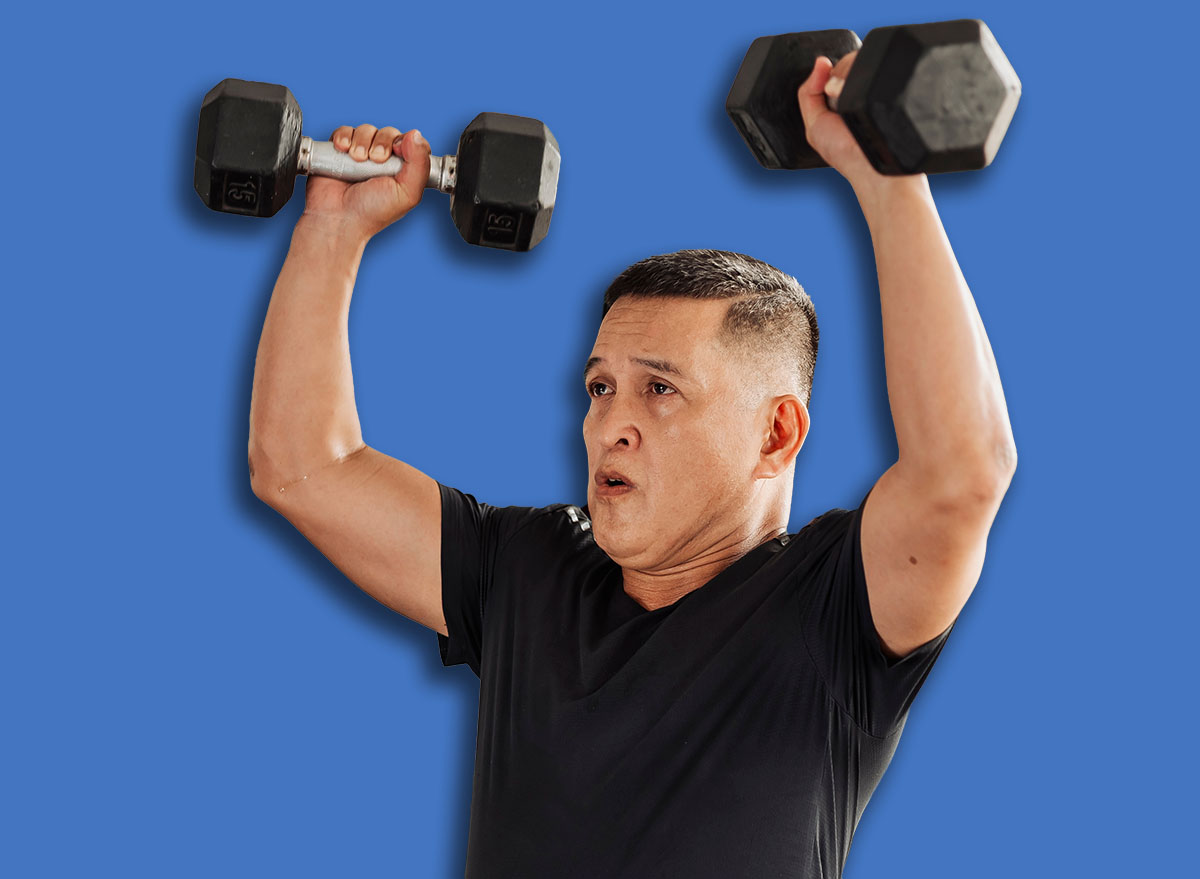
The article emphasizes the benefits of classic free-weight exercises like squats, deadlifts, push-ups, rows, and overhead presses over machines for building muscle after 40, highlighting their effectiveness in promoting strength, joint health, and functional movement.
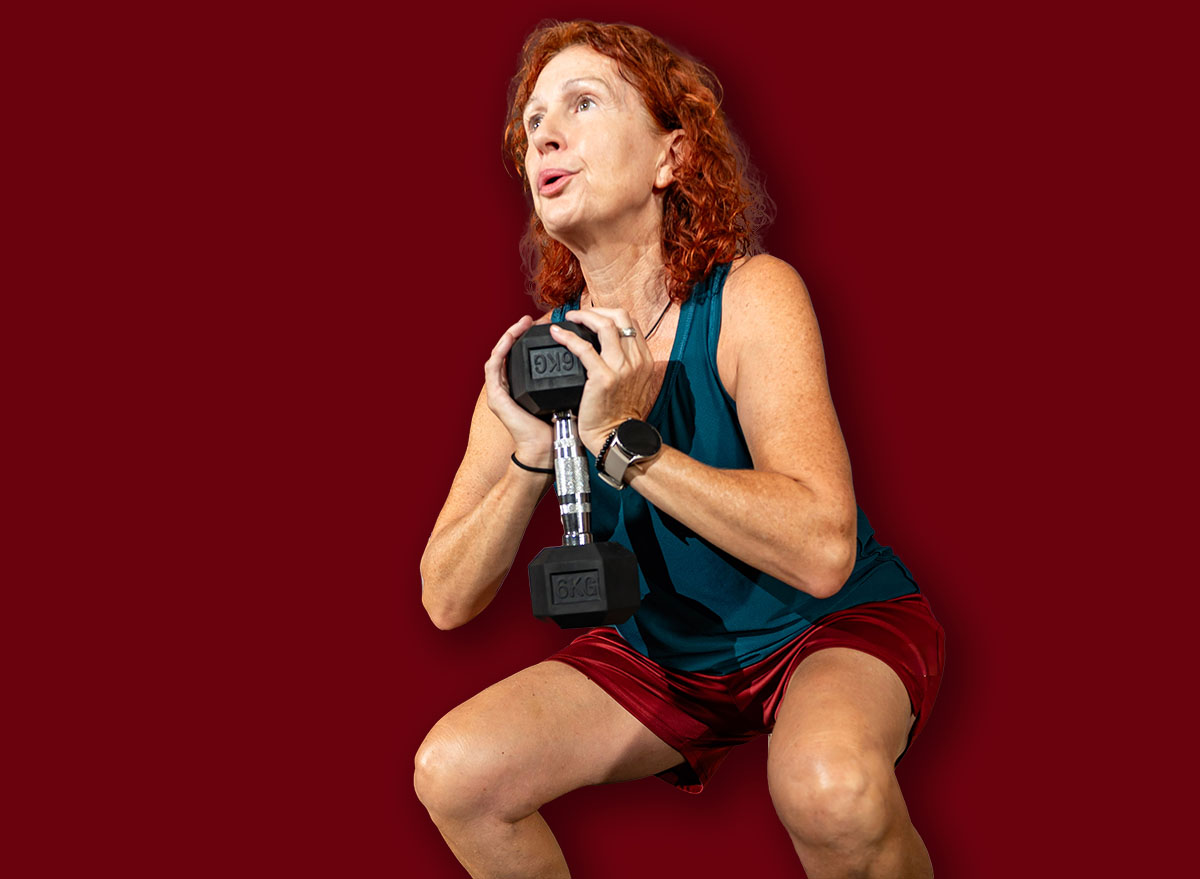
Regular strength exercises like dumbbell squats, bench presses, bent-over rows, and planks can help people over 60 maintain muscle mass and strength, potentially surpassing the strength levels of most 40-year-olds by combating sarcopenia through consistent movement and resistance training.
Dr. Shernan Holtan, a powerlifter and medical professional, advocates for the benefits of weightlifting, especially squats and deadlifts, for building muscle, enhancing longevity, and improving recovery. She emphasizes starting with manageable weights and combining strength training with cardio to maximize health benefits and reduce disease risk, all while maintaining a balanced and enjoyable fitness routine.
Performing high numbers of pushups after age 50 indicates elite upper-body strength and overall health. To achieve this, incorporate exercises like incline pushups, resistance band chest presses, planks, dumbbell rows, and tricep dips to build pressing power, shoulder stability, back strength, and core endurance, which are essential for improving pushup performance and promoting healthy aging.
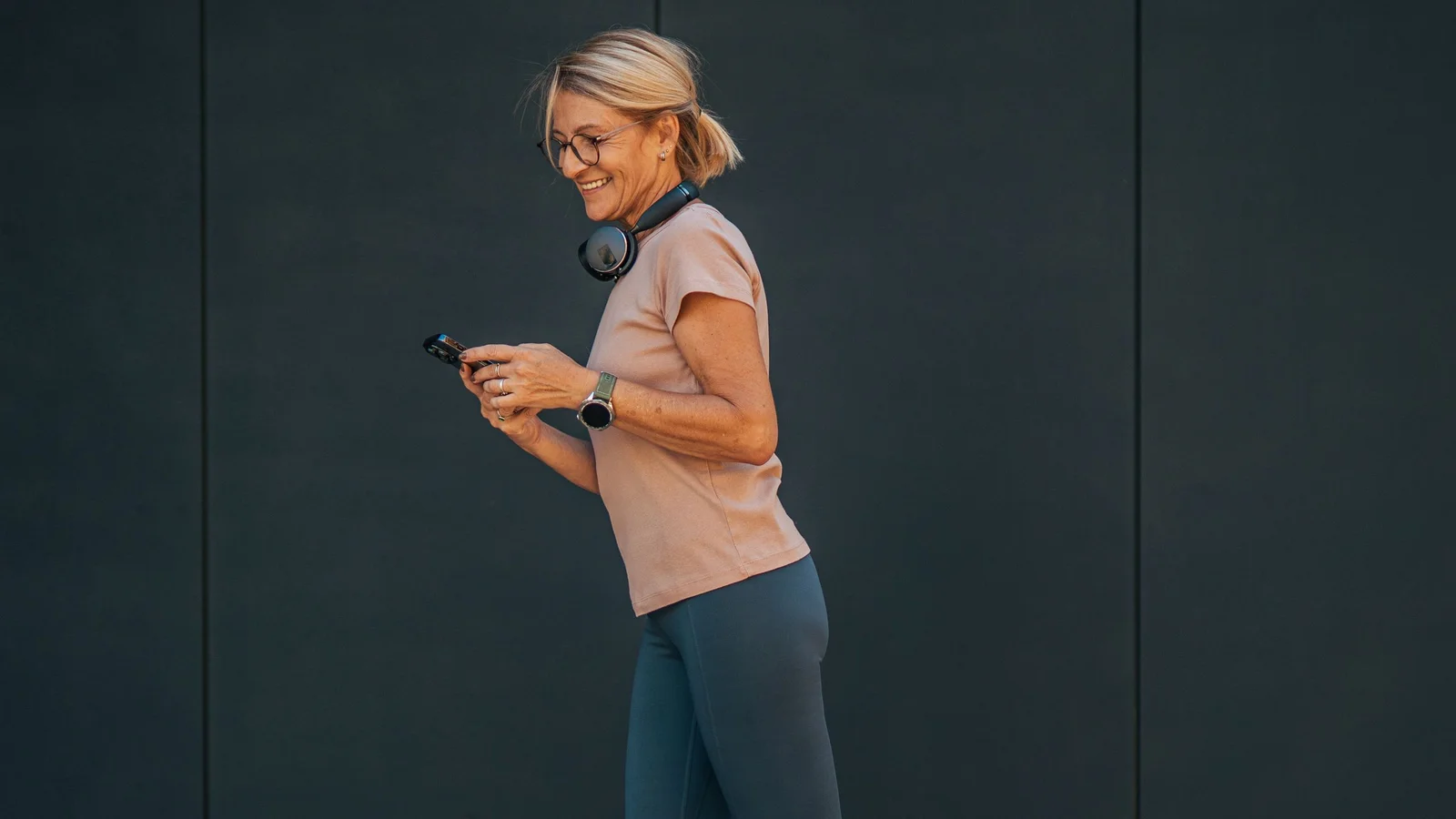
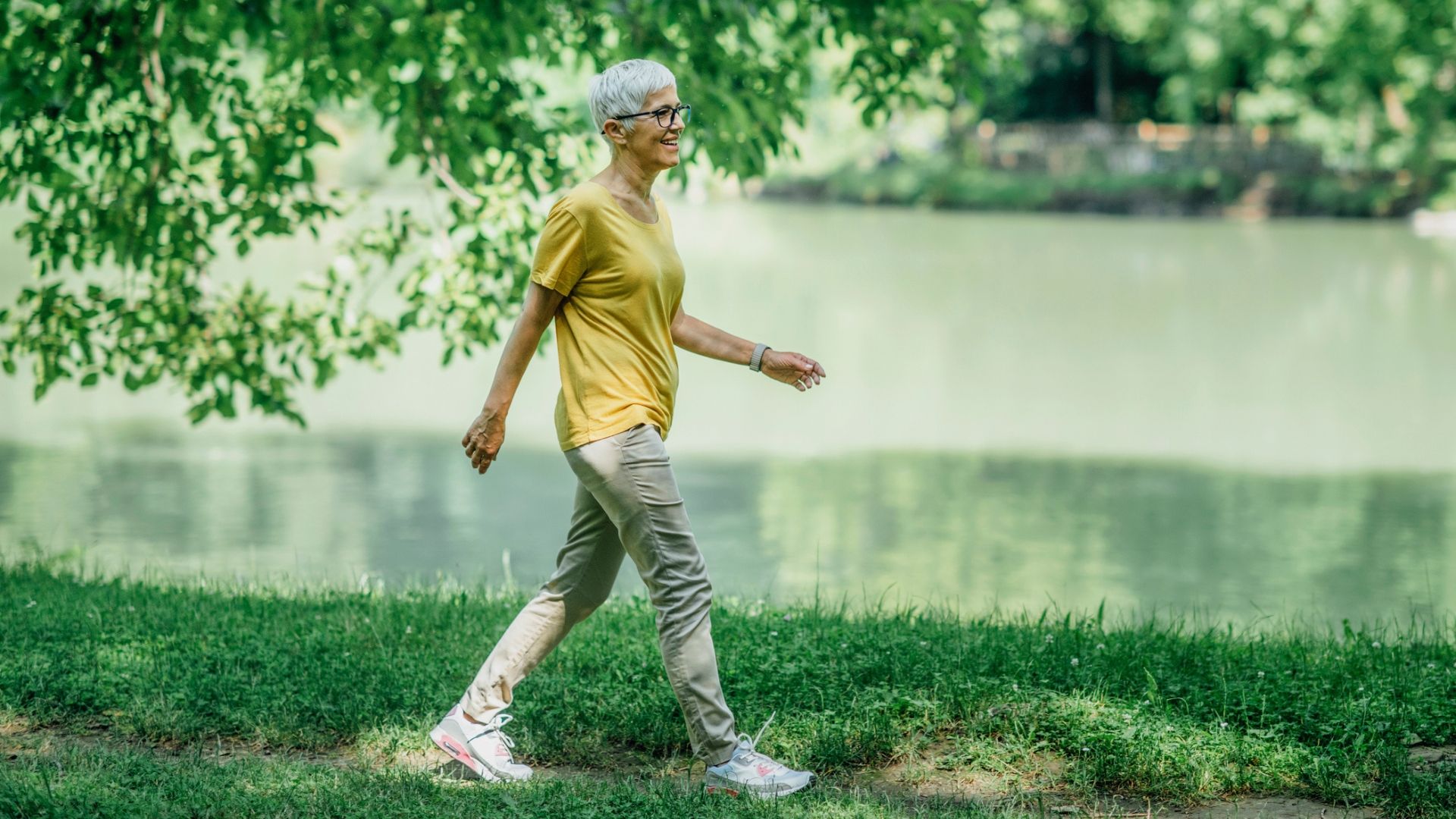
A simple 15-minute walking workout using interval training can improve heart health by strengthening the heart muscle, reducing risks of high blood pressure, heart disease, and stroke, and can be easily incorporated into a weekly routine.
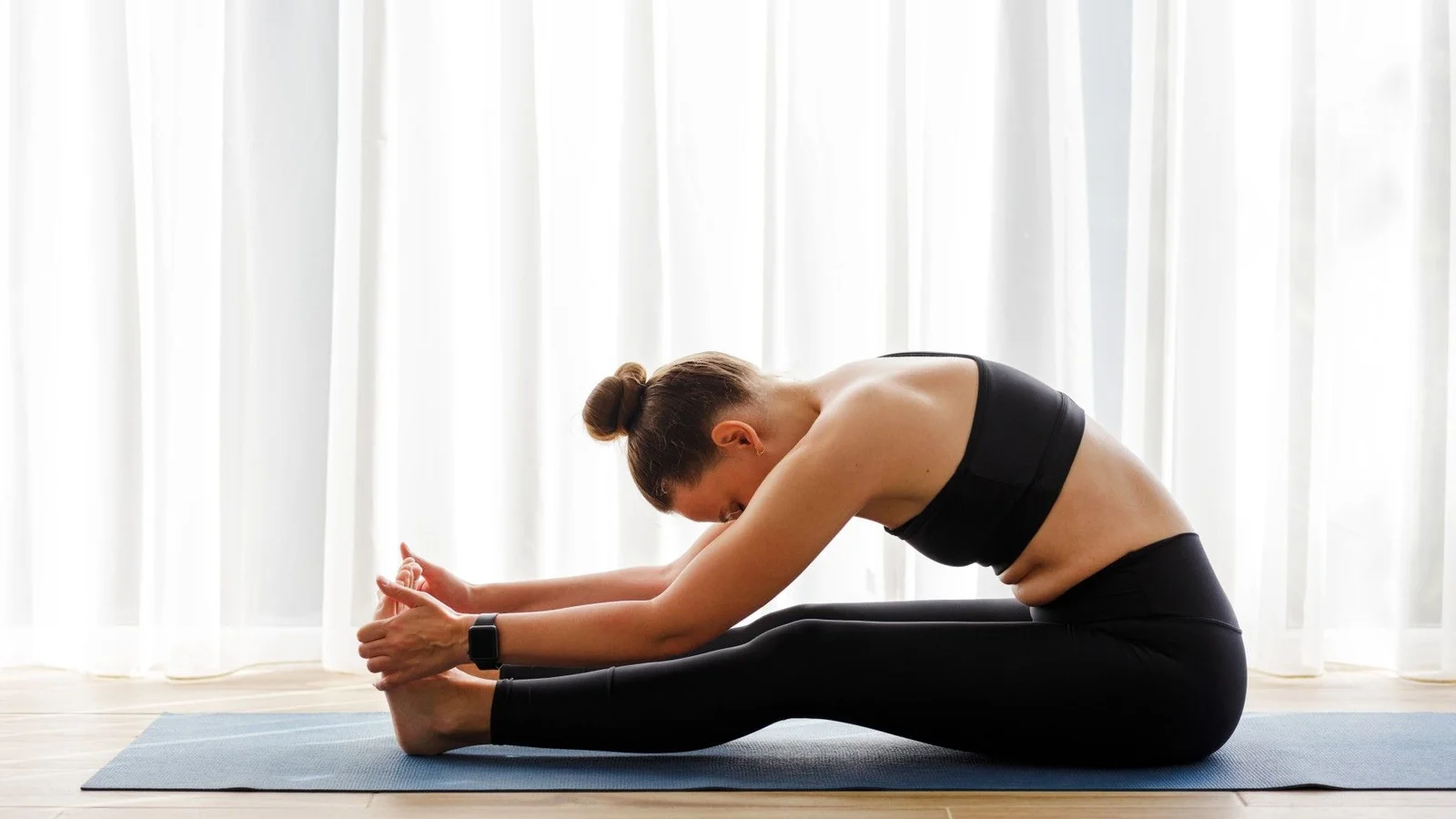
An expert emphasizes that aging well involves a balanced exercise routine combining strength training, cardio, and stretching, with consistency being key to building healthy habits and supporting longevity.
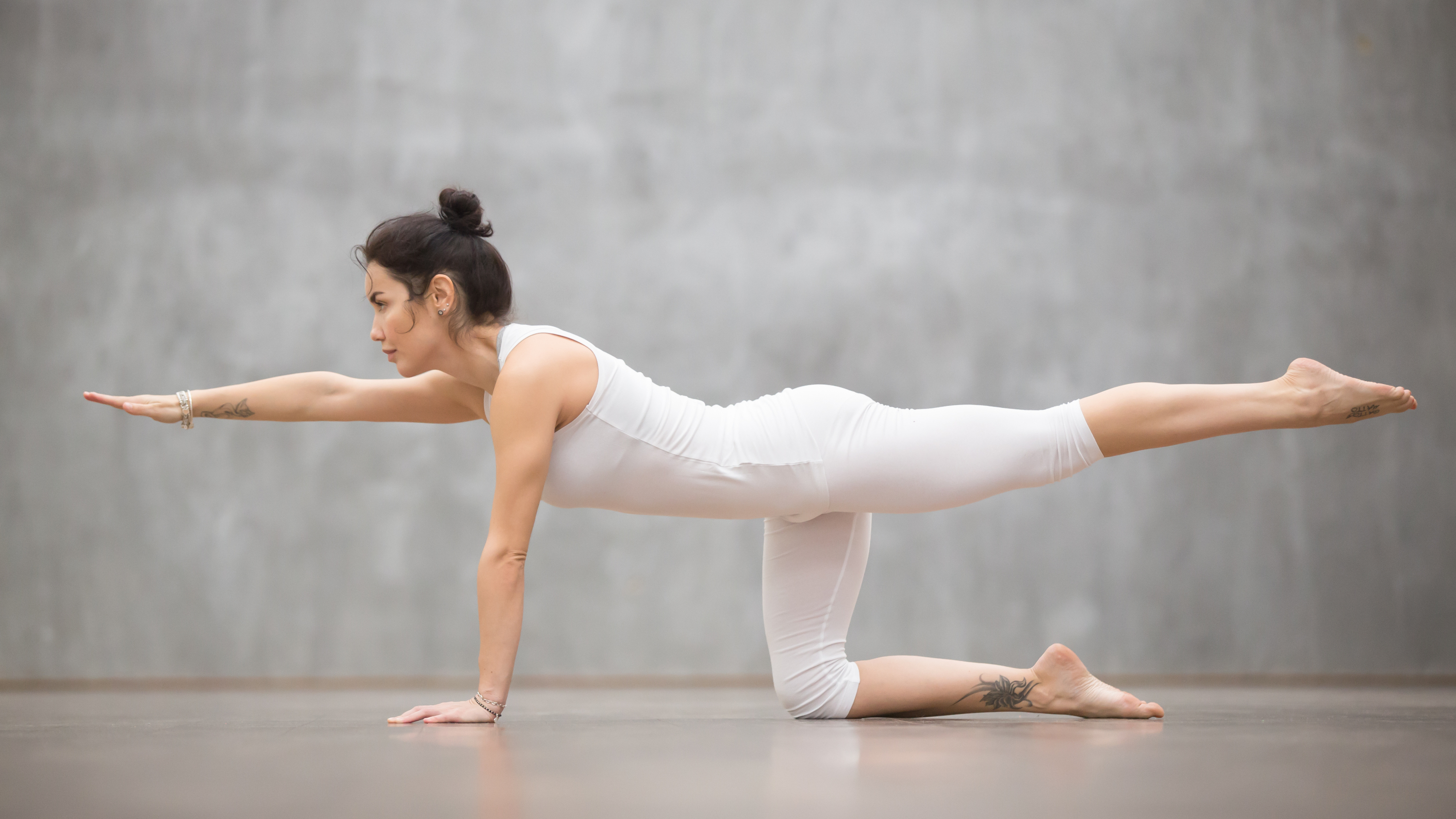
A fitness enthusiast shares her experience of replacing traditional sit-ups with classical Pilates moves, which significantly improved her core strength and body control by emphasizing slow, controlled movements that engage deep core muscles and promote better posture and spinal health.
A physical therapist has designed a 15-minute walking workout for people over 60 that combines warm-up, interval walking, and cool-down to improve balance, reduce fall risk, and boost heart health, adaptable to different fitness levels.
A GP recommends incorporating two strength training sessions per week to boost metabolism, strengthen bones, and support overall health, emphasizing that even minimal effort can lead to significant health benefits and reduce risks of chronic diseases and frailty in later life.
The article offers motivation tips for sticking with an exercise routine, highlighting a personal story of a woman who regained her fitness after a break and successfully completed a 5K with her daughters, demonstrating that persistence and prioritizing health can lead to lasting fitness habits.
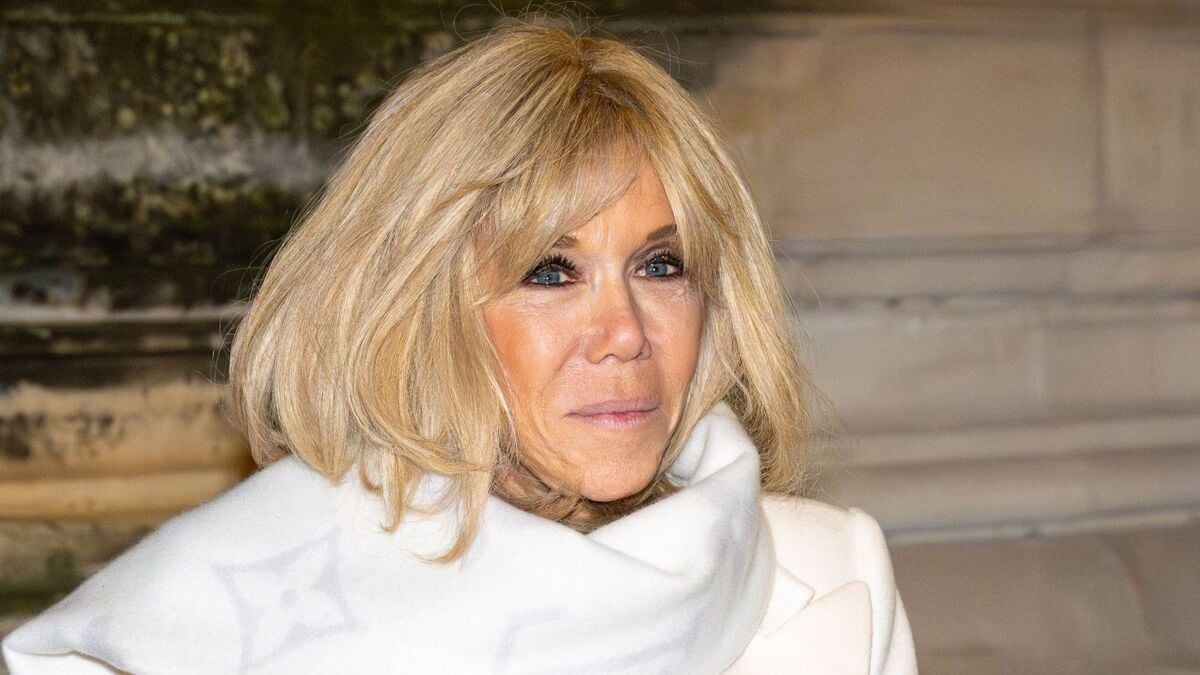
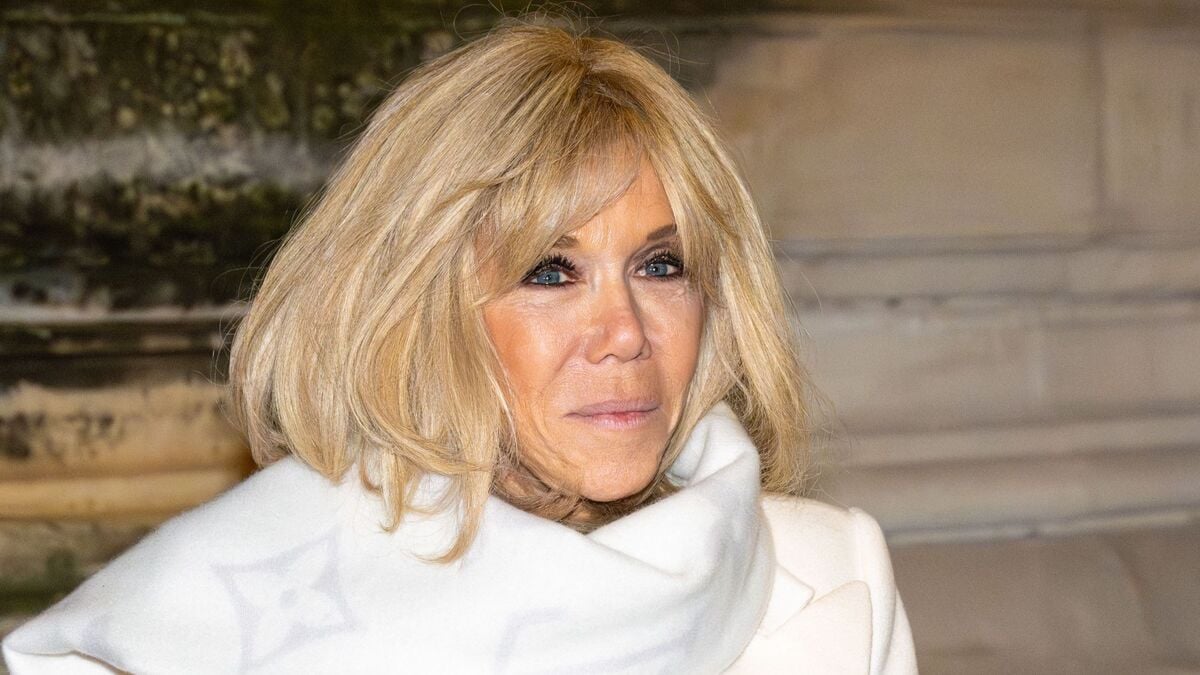
At 70, Brigitte Macron maintains her fit figure through a simple, consistent routine focused on light cardio, strength training, especially abdominal exercises, and healthy lifestyle choices, demonstrating that sustainable wellness is achievable without extreme measures.
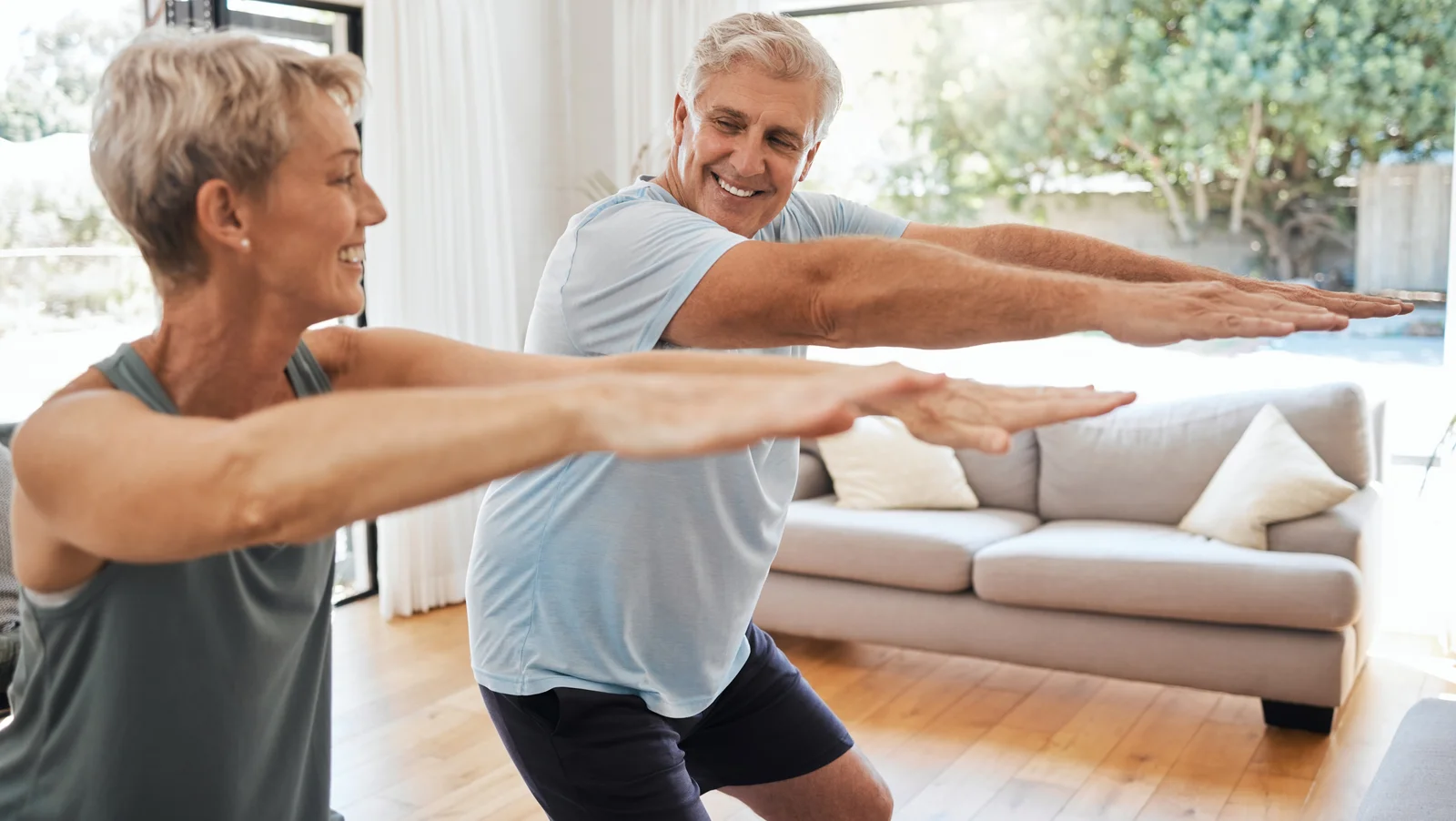
A fitness coach has designed a safe, effective six-move strength workout for adults over 60, focusing on major daily movement patterns to help maintain muscle, balance, and independence as they age.
Brigitte Macron maintains a flat stomach and toned physique at 70 through a simple, consistent routine of light cardio, strength training focused on abs, and healthy lifestyle choices, emphasizing that sustainable, gentle movement and balanced nutrition are key to healthy aging.
Dr. Sudhir Kumar, a 51-year-old neurologist, lost 30 kg over two years by making practical lifestyle changes such as reducing work hours, improving sleep, cutting refined carbs, increasing protein intake, and gradually increasing physical activity, which significantly improved his health and confidence.
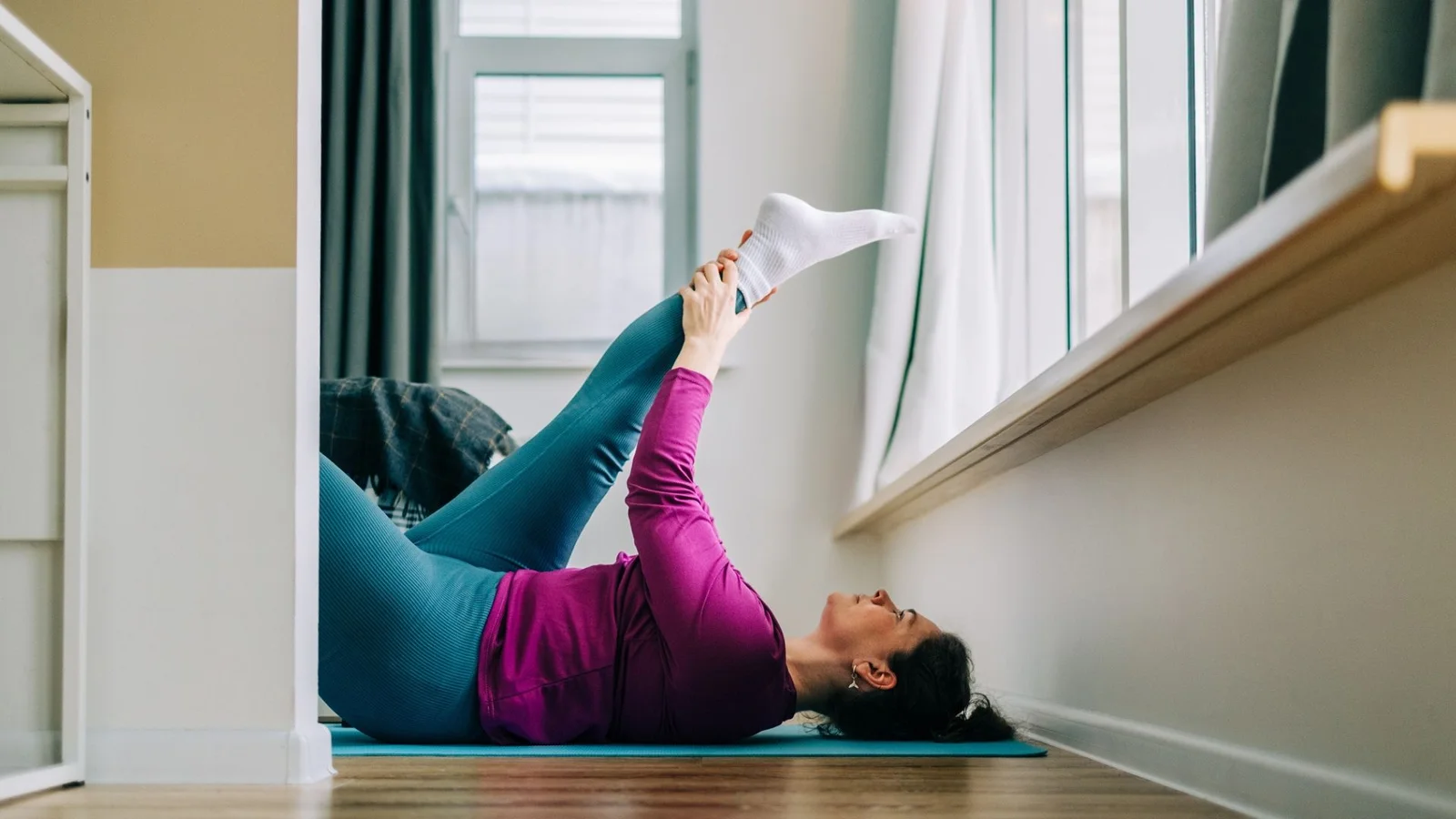
A 15-minute wall Pilates routine designed for anyone over 40 to build strength and mobility, focusing on stabilizer muscles like the core, glutes, and smaller muscles around the spine and hips, can be done anywhere with minimal equipment to help counteract age-related muscle loss.