Tag

Cognitive Flexibility

All articles tagged with #cognitive flexibility

Misophonia's Hidden Psychological Depths

Originally Published 3 months ago — by PsyPost

Featured image for Misophonia's Hidden Psychological Depths
Source: PsyPost

A study in the British Journal of Psychology suggests that misophonia reflects broader psychological and cognitive traits, including difficulties with emotional and affective flexibility, increased rumination, and psychological rigidity, indicating it may be a complex disorder beyond just sensitivity to specific sounds.

7 Unexpected Signs You're Aging Gracefully

Originally Published 3 months ago — by VegOut

Featured image for 7 Unexpected Signs You're Aging Gracefully
Source: VegOut

The article highlights seven surprising signs of healthy aging that go beyond appearance, such as maintaining physical coordination, cognitive flexibility, diverse social connections, willingness to be a beginner, good sleep, auditory processing, and future planning, emphasizing that staying engaged and adaptable is key to aging well.

Genetic Factors Underpinning Human Brain Uniqueness

Originally Published 5 months ago — by Neuroscience News

Featured image for Genetic Factors Underpinning Human Brain Uniqueness
Source: Neuroscience News

Researchers at UC San Diego identified the genetic region HAR123, a transcriptional enhancer that influences neural development and may explain human-specific cognitive traits like flexibility, with implications for understanding brain evolution and disorders such as autism.

Understanding Cognitive Challenges and Disabilities in Schizophrenia

Originally Published 1 year ago — by Neuroscience News

Featured image for Understanding Cognitive Challenges and Disabilities in Schizophrenia
Source: Neuroscience News

Researchers have identified distinct neural patterns in schizophrenia patients that reveal heightened sensitivity to conflicting information, impairing cognitive flexibility. By analyzing brain activity between the cortex and thalamus, these patterns could serve as biomarkers for diagnosing schizophrenia and assessing treatment efficacy. The study highlights the potential of using neural markers to measure executive dysfunction in schizophrenia, offering a new diagnostic tool.

"Unsettling Transformation: Exploring the Phenomenon of Jamais Vu"

Originally Published 2 years ago — by Neuroscience News

Featured image for "Unsettling Transformation: Exploring the Phenomenon of Jamais Vu"
Source: Neuroscience News

Jamais vu, the sensation where familiar experiences feel eerily new and unsettling, has been investigated by researchers who made participants repeatedly write words. The study found that around 70% of participants experienced jamais vu after approximately 33 repetitions. This research sheds light on cognitive flexibility and may have potential connections to conditions like obsessive-compulsive disorder (OCD).

Unlocking Cognitive Flexibility: The Role of Neurogenesis and Navigating Change

Originally Published 2 years ago — by Neuroscience News

Featured image for Unlocking Cognitive Flexibility: The Role of Neurogenesis and Navigating Change
Source: Neuroscience News

Researchers have developed an innovative animal model to study cognitive flexibility and neurogenesis. They found that exposure to gamma-radiation hindered cognitive adaptability in mice, while specific newly-generated neurons responded distinctively to the task. Aging and neurogenesis in the hippocampus were found to be closely connected to cognitive flexibility. The study suggests that increasing neurogenesis levels could potentially mitigate the effects of age-related cognitive decline.

The Surprising Benefits of Pre-Vacation Bliss

Originally Published 2 years ago — by CNN

Featured image for The Surprising Benefits of Pre-Vacation Bliss
Source: CNN

Scientific studies suggest that the benefits of a vacation can be felt even before the trip begins. Looking forward to a future reward, such as a vacation, can be more rewarding than the reward itself due to the release of dopamine in the brain. Vacations are essential for reducing chronic stress levels and increasing cognitive flexibility. Chronic stress can negatively impact the dopaminergic system, leading to depressive behaviors. It is important to fully disconnect from work during vacations and engage in activities that bring pleasure and new experiences. The effects of long vacations versus staggered shorter vacations are still unclear, but overall, vacations are beneficial for mental health and well-being.

The Neuroscience of Entrepreneurial Success: How Brain Wiring Sets Entrepreneurs Apart

Originally Published 2 years ago — by SciTechDaily

Featured image for The Neuroscience of Entrepreneurial Success: How Brain Wiring Sets Entrepreneurs Apart
Source: SciTechDaily

A new study using resting-state functional magnetic resonance imaging (rs-fMRI) has revealed that serial entrepreneurs have increased neuronal connectivity in their brains compared to managers, indicating superior cognitive flexibility. The research suggests that this enhanced connectivity allows entrepreneurs to effectively alternate between exploration and exploitation, a crucial balance for their success. The findings offer insights for improving entrepreneurial cognition and training within organizations, highlighting the importance of cultivating an entrepreneurial mindset and fostering cognitive flexibility in teams.

The Lasting Impact of Substance Use on Cognitive Abilities

Originally Published 2 years ago — by Medical Xpress

Featured image for The Lasting Impact of Substance Use on Cognitive Abilities
Source: Medical Xpress

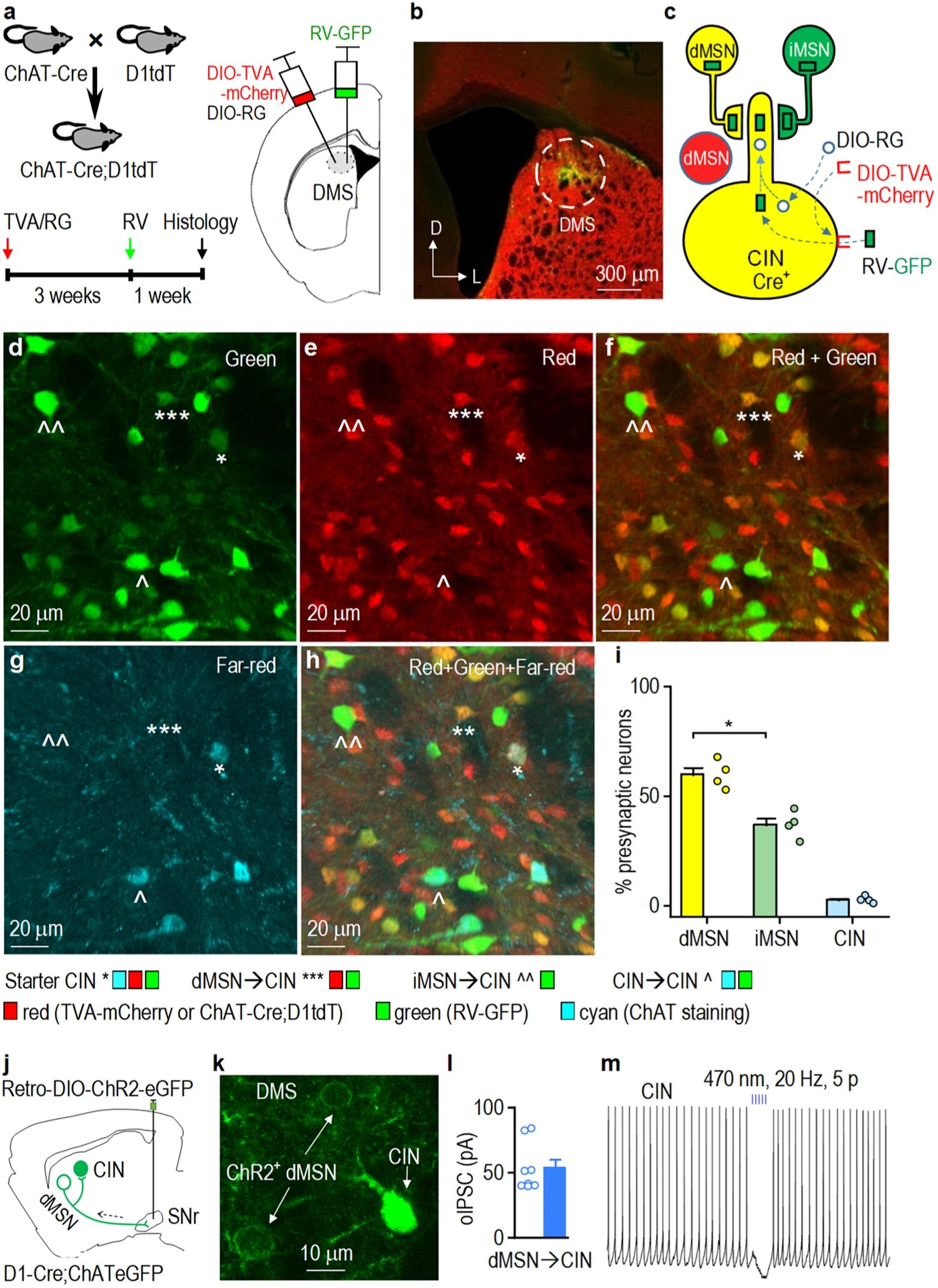
Chronic cocaine or alcohol use can lead to long-lasting changes in the brain, specifically in the inhibitory communication between striatal direct-pathway medium spiny neurons (dMSNs) and striatal cholinergic interneurons (CINs). This impairment of the brain circuitry hinders cognitive flexibility, which is crucial for academic achievement, employment success, and mitigating cognitive decline. The study provides new insights into the damaging impact of substance use on cognitive flexibility and highlights the role of the local inhibitory brain circuit in mediating these effects.

Unveiling the Intricate Link Between Neural Connections and Cognitive Adaptability

Originally Published 2 years ago — by Neuroscience News

Featured image for Unveiling the Intricate Link Between Neural Connections and Cognitive Adaptability
Source: Neuroscience News

Researchers have discovered a specific type of neuronal connection in the prefrontal cortex, formed by inhibitory neurons, that plays a crucial role in updating our understanding of the world and its rules. These inhibitory neurons were found to communicate with neurons located far away in the opposite hemisphere of the prefrontal cortex. When these long-distance inhibitory neuronal connections were deactivated in mice, the mice were unable to adapt to changes, providing insights into conditions such as schizophrenia, bipolar disorder, and autism spectrum disorder, where patients struggle with adapting to change. This finding enhances our understanding of brain function and could have implications for studying and treating these psychiatric conditions.

The Evolution of Cognitive Flexibility.

Originally Published 2 years ago — by Neuroscience News

Featured image for The Evolution of Cognitive Flexibility.
Source: Neuroscience News

A study by researchers at the Berufsgenossenschaftliches Universitätsklinikum Bergmannsheil and Newcastle University has provided insights into the evolutionary origins of cognitive flexibility, an essential skill for adaptation and survival. The study used functional magnetic resonance imaging (fMRI) to examine the brain functions of 40 participants while they were learning a sensorimotor task. The findings showed the importance of sensory brain regions in decision-making and surprising similarities between the brain activity of humans and mice during this task, suggesting that the interplay between the frontal brain and sensory brain regions for decision-making formed early in evolutionary development.

"Neuronal Connectivity Boosts Entrepreneurial Minds"

Originally Published 2 years ago — by Neuroscience News

Featured image for "Neuronal Connectivity Boosts Entrepreneurial Minds"
Source: Neuroscience News

A study by the University of Liège found that serial entrepreneurs have higher neuronal connectivity between the right insula and the anterior prefrontal cortex compared to managers. Using resting-state functional magnetic resonance imaging (rs-fMRI), the researchers discovered that entrepreneurs have higher connectivity between key brain regions associated with cognitive flexibility and exploratory choices. This may explain why they can effectively balance between exploration and exploitation, a vital trait for their success. The study offers an innovative approach to understanding the entrepreneurial mindset and highlights the need for fostering cognitive flexibility in organizations.