A new blood test utilizing machine learning shows high accuracy in detecting ovarian cancer at early stages, potentially improving diagnosis and outcomes for women, pending regulatory approval and further validation.
Mayo Clinic has developed StateViewer, an AI-powered diagnostic tool that analyzes FDG-PET brain scans to identify nine types of dementia with 88% accuracy, significantly improving early diagnosis and treatment planning.
Researchers in China found that earwax contains specific volatile organic compounds (VOCs) that differ in people with Parkinson's disease, suggesting earwax could be used as a non-invasive, accessible diagnostic indicator for early detection of the condition, which affects 10 million globally. The study demonstrated a 94% accuracy in categorizing Parkinson's status using VOC data, highlighting the potential for a simple test to identify at-risk individuals before severe symptoms develop.
Researchers have identified distinct neural patterns in schizophrenia patients that reveal heightened sensitivity to conflicting information, impairing cognitive flexibility. By analyzing brain activity between the cortex and thalamus, these patterns could serve as biomarkers for diagnosing schizophrenia and assessing treatment efficacy. The study highlights the potential of using neural markers to measure executive dysfunction in schizophrenia, offering a new diagnostic tool.
Researchers from Tufts and Vanderbilt universities have identified distinct neural patterns in people with schizophrenia when faced with conflicting information, potentially offering a new diagnostic tool for the disorder. The study, published in Cell Reports Medicine, highlights how poor communication between the cerebral cortex and thalamus affects decision-making in schizophrenia. By measuring brain activity during ambiguous tasks, the research provides a biological test to assess inflexible thinking and monitor treatment efficacy. The findings could lead to more accurate diagnostics and improved understanding of schizophrenia's neural circuitry.
A study led by UCL suggests that poor spatial navigation could be a predictor of Alzheimer’s disease more than 20 years before memory loss symptoms start. Using virtual reality, researchers found that people at risk of the disease had impaired spatial navigation before problems with other mental functions, and this impairment was observed in men but not women. The findings may lead to the development of a diagnostic support tool for the NHS, potentially aiding in early and accurate diagnosis of Alzheimer's disease, which is crucial for accessing the right support and treatment.
Apple has expanded its self-service repair program, allowing iPhone 15 users and owners of newer M2-powered MacBooks to repair their own devices. Alongside this, Apple has released "Apple Diagnostics for Self Service Repair," a web-based tool that helps users test devices for optimal functionality and identify parts that may need repair. The tool provides tests for hardware, software, display, camera, Face ID, and audio output. The self-service repair program has also been expanded to cover more devices, including a wider range of M2-powered computers, and is now available in 33 countries across 24 languages. The diagnostic tool is currently available in the US and will expand to Europe next year.
The latest version of the Linux systemd project, version 255, introduces a new component called systemd-bsod that generates a full-screen display of error messages when a Linux system crashes. Similar to Windows' Blue Screen of Death (BSOD), the Linux version will also include a QR code for easy information lookup. While this feature is currently listed as experimental, systemd is widely used by major Linux distributions, making it likely that most Linux users will eventually encounter this new feature.
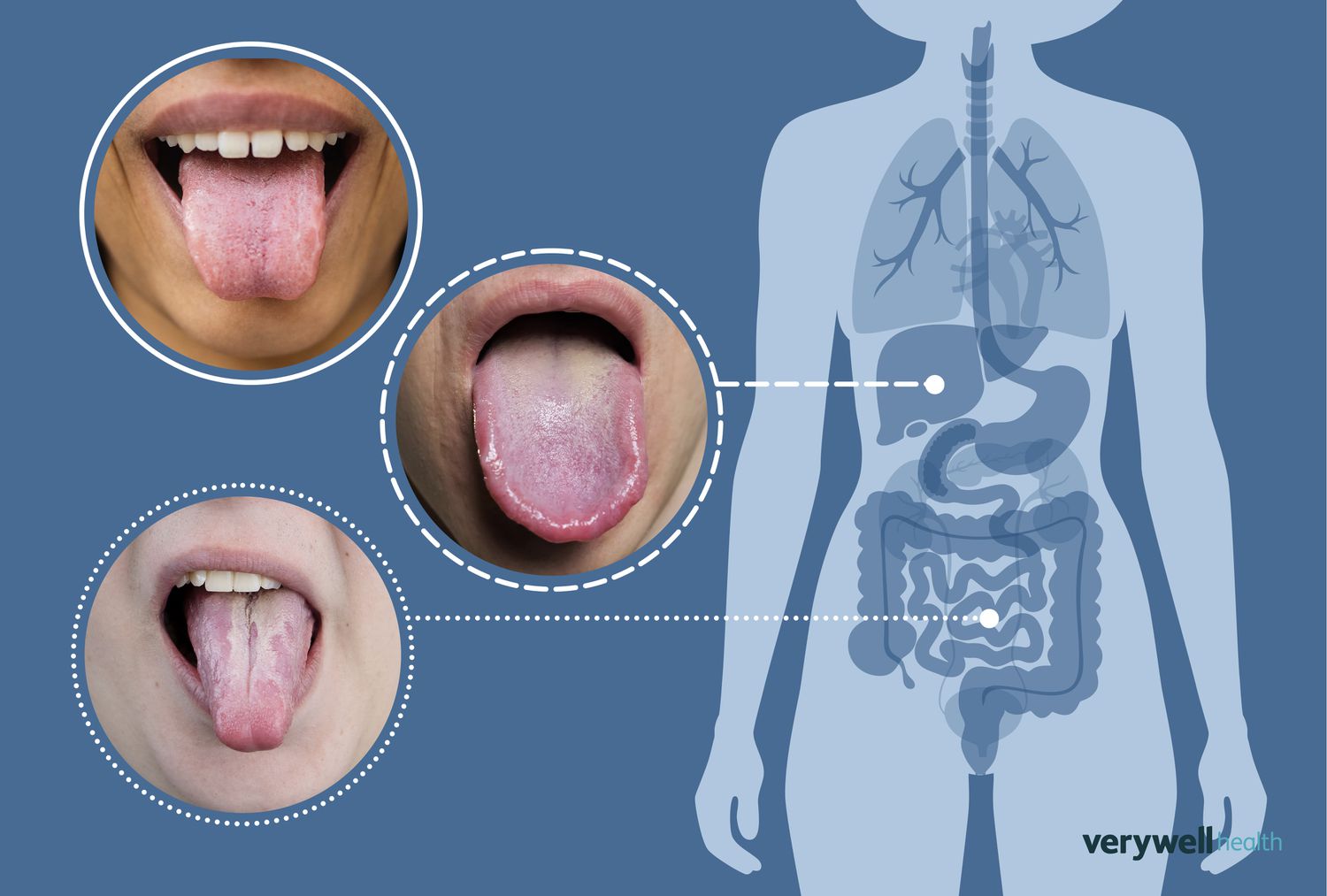
The color and texture of your tongue can provide valuable insights into your health. Traditional Chinese medicine practitioners have long used tongue examination as part of their diagnostic approach, and a recent study found that tongue images were 95% accurate in diagnosing conditions like diabetes and anemia. Changes in tongue color, such as yellowish hue indicating liver problems or a whitish coating suggesting digestive issues, can be significant indicators. Tongue examination could also aid in early disease detection and facilitate telemedicine, allowing patients to capture tongue images at home and transmit them to healthcare professionals for assessment. However, it's important to consult a healthcare provider if you notice any noticeable changes in your tongue.
Scientists have made a breakthrough in detecting early Alzheimer's disease by identifying metabolic changes in the brain's hippocampus, a region involved in memory and learning. The study found that an increase in metabolism in the mitochondria, along with disruptions in cellular recycling systems, could be early indicators of the disease. Detecting Alzheimer's early is crucial as it allows for the possibility of early intervention and treatment. Currently, there is no known cure for Alzheimer's, but new medications may offer relief and slow down symptom development if diagnosed early.
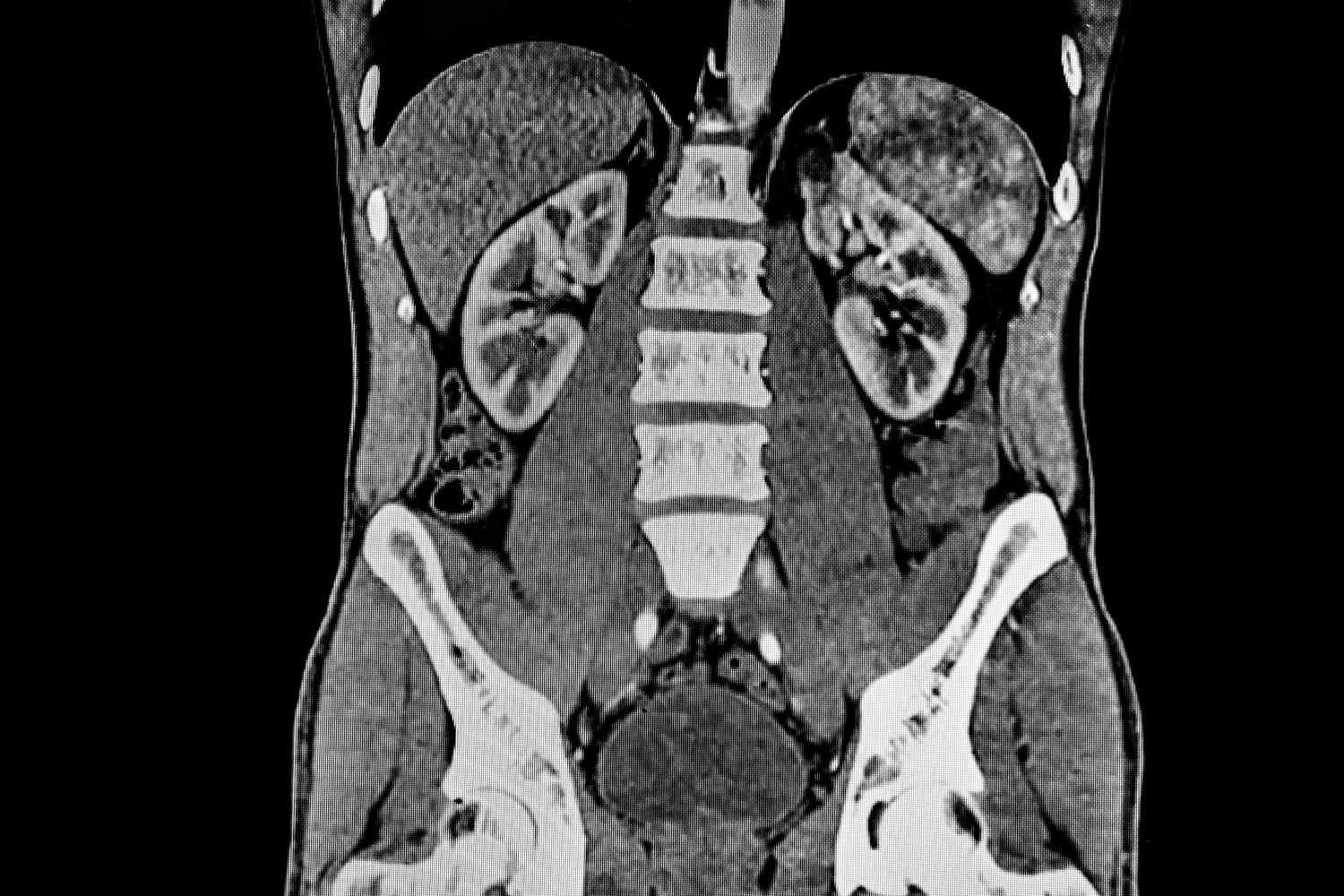
Abdominal CT scans are a diagnostic tool used to identify various diseases and conditions in the abdomen or pelvis, including cancer, blood clots, kidney stones, and infections. They can also be used to visualize abdominal organs after traumatic injuries. The scans can be done with or without contrast dye, depending on the specific purpose. The results are interpreted by a radiologist, who will send a report to the healthcare provider for further evaluation and treatment planning. While there is a small risk of increased cancer risk due to ionizing radiation, the benefits of the scan usually outweigh the risks.
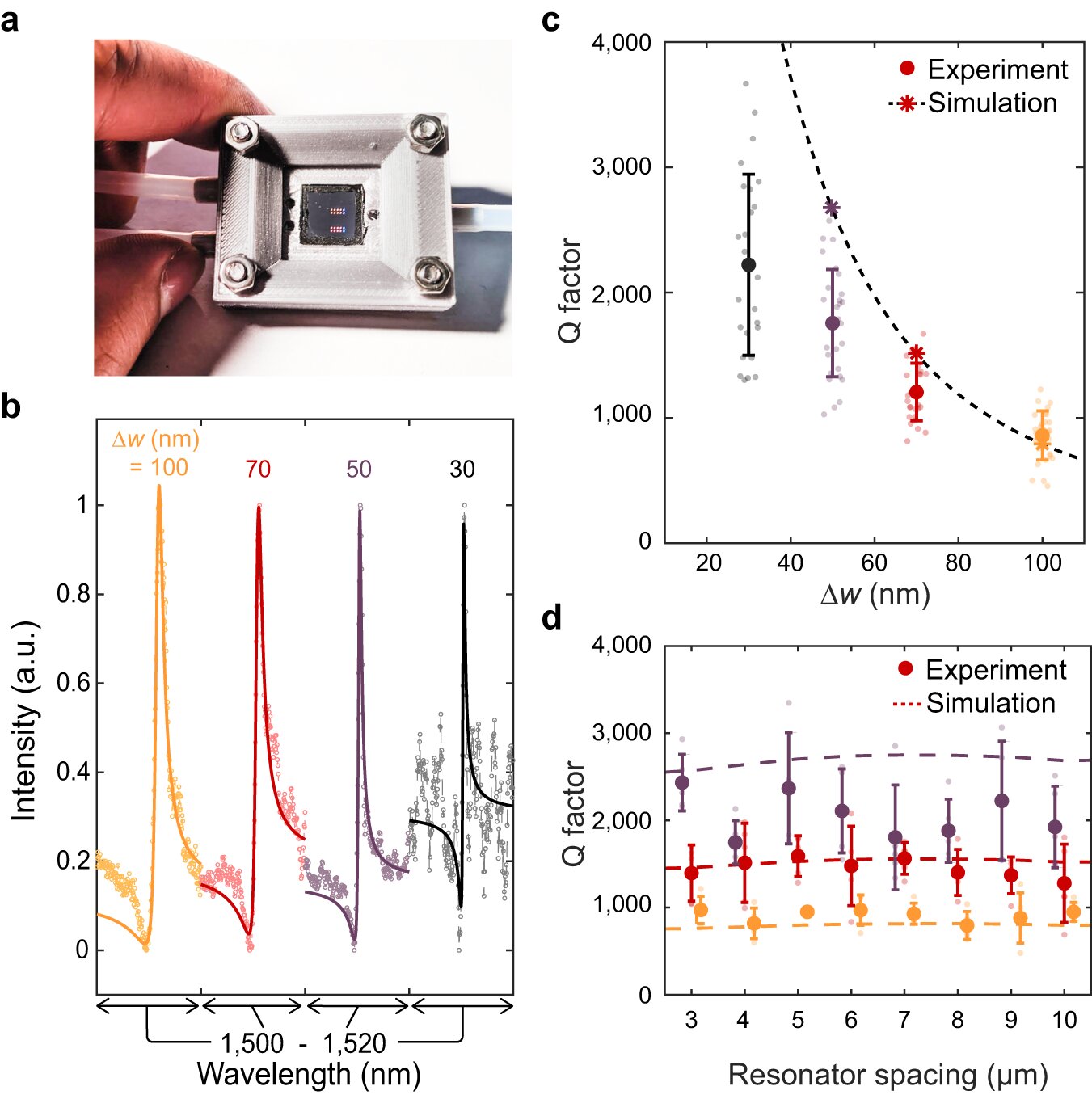
Researchers at Stanford University have developed a biochip that can rapidly screen thousands of molecules, including live viruses. The biochip consists of tiny silicon boxes with nanoantennas that focus near-infrared light on their top surfaces, allowing for the measurement of shifts in wavelengths of light as they emerge from each box. The chip was able to identify 4,000 copies of target genes per microliter of buffer solution and has potential applications in diagnostics and research.
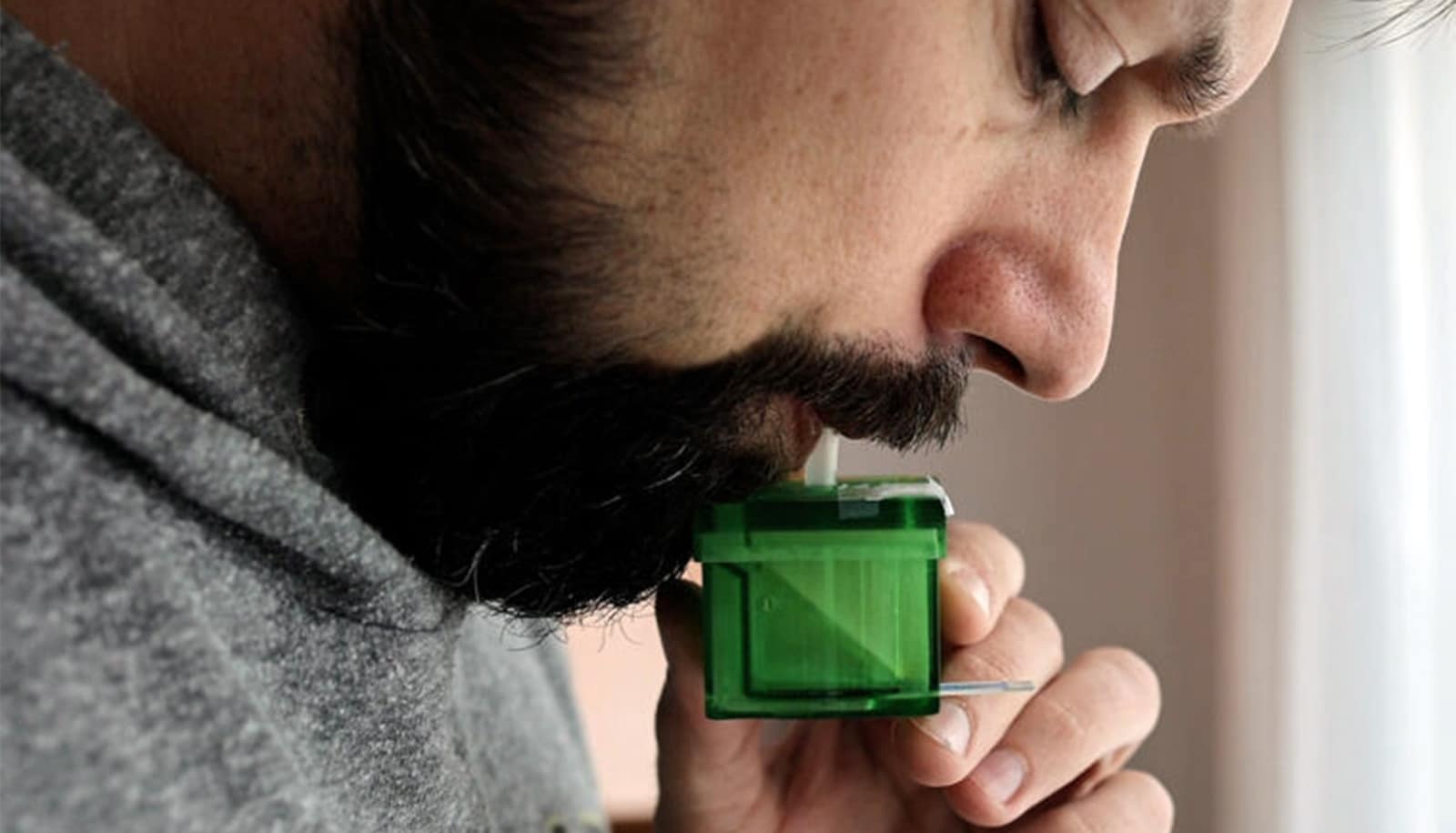
Researchers have developed a new breath test that can quickly identify individuals infected with the virus that causes COVID-19. The device requires only one or two breaths and provides results in less than a minute. The test could be used in doctors' offices for rapid diagnosis and has the potential to prevent outbreaks in settings such as nursing homes and military bases. The researchers also believe the test can be modified to detect other viruses and emerging pathogens. Clinical studies are ongoing to further optimize the device, and a New York-based company has an exclusive option to license the technology for possible commercialization in the future.
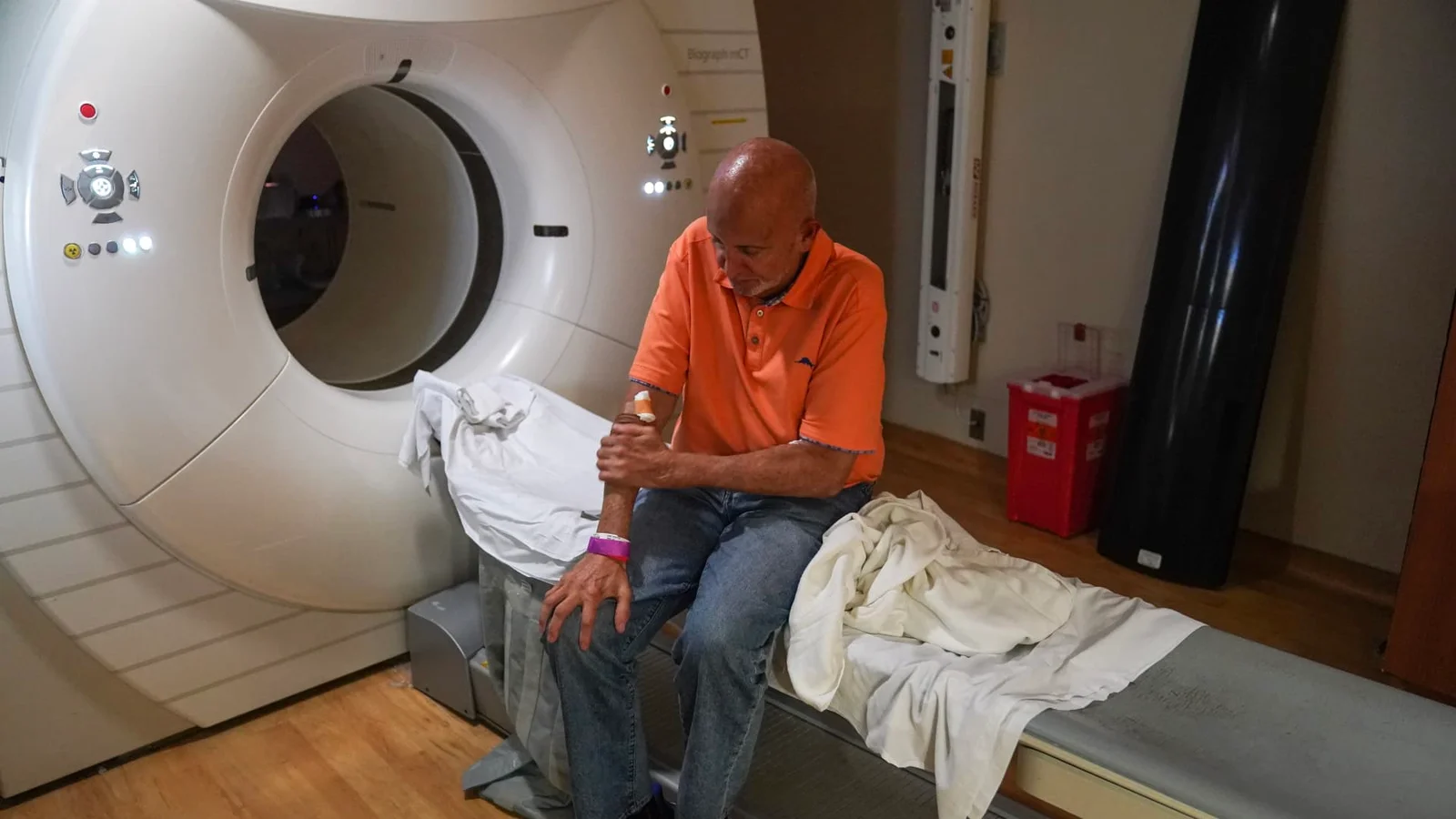
Medicare is proposing to expand its coverage of PET scans, a diagnostic tool used to help diagnose Alzheimer's disease. The current policy of only covering one PET scan per lifetime for patients participating in clinical trials would be abolished. Regional organizations called Medicare Administrative Contractors would have the authority to decide whether to cover the scans based on their "reasonableness and necessity" for diagnosis. This change could make it easier for patients to access new treatments for Alzheimer's. Medicare has already agreed to cover the Alzheimer's treatment Leqembi, and will also cover other antibody treatments for Alzheimer's if they receive FDA approval. The proposed policy has been welcomed by the Alzheimer's Association as a "major step forward" in removing barriers for patients.
Loss of smell, known as hyposmia, has emerged as an early indicator of neurodegenerative disorders such as Parkinson's disease and Alzheimer's disease. Researchers are exploring the use of smell tests as a diagnostic tool for these diseases, as well as Huntington's disease, multiple sclerosis, and mild cognitive impairment. The sense of smell is closely connected to brain health, as the olfactory bulb at the base of the brain is the first sensory structure that comes into contact with sensory stimuli and environmental pathogens. Smell dysfunction is also associated with certain psychiatric diseases. Additionally, smell is a marker of overall health and mortality risk.