
The Lasting Impact of Substance Use on Cognitive Abilities
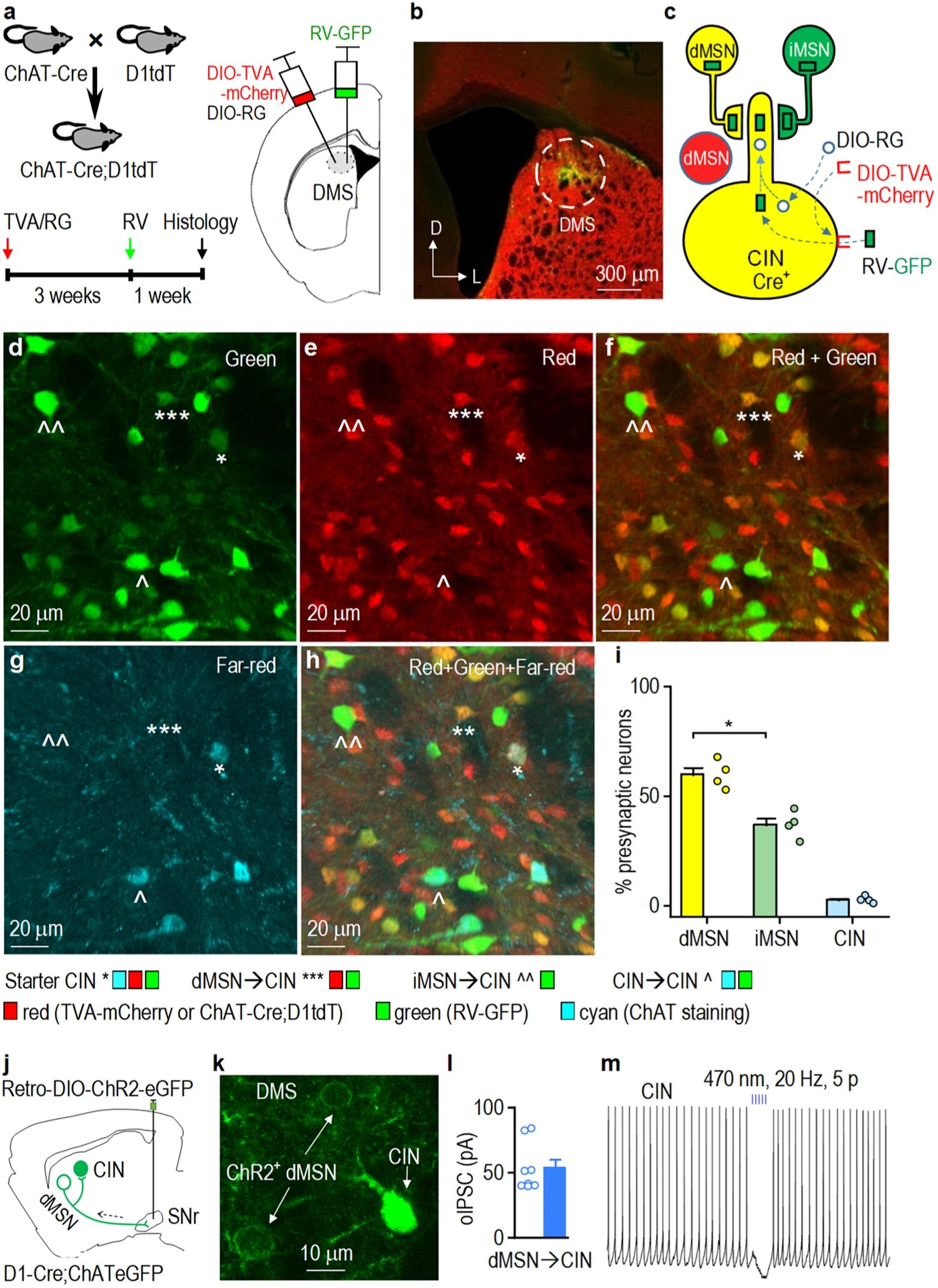
Chronic cocaine or alcohol use can lead to long-lasting changes in the brain, specifically in the inhibitory communication between striatal direct-pathway medium spiny neurons (dMSNs) and striatal cholinergic interneurons (CINs). This impairment of the brain circuitry hinders cognitive flexibility, which is crucial for academic achievement, employment success, and mitigating cognitive decline. The study provides new insights into the damaging impact of substance use on cognitive flexibility and highlights the role of the local inhibitory brain circuit in mediating these effects.