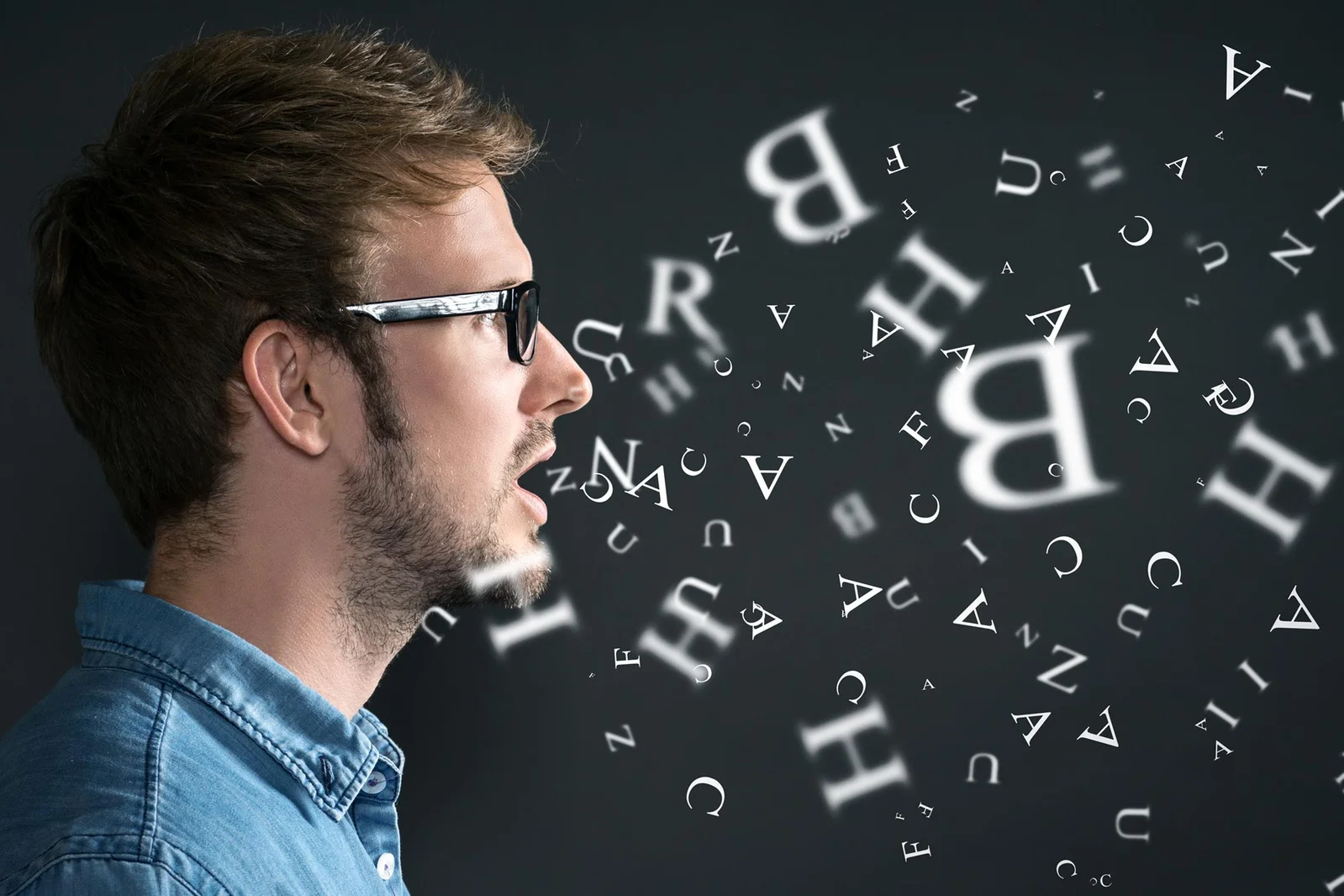
Research shows that speech disfluencies like 'ums' and corrections significantly reduce perceived speaker knowledge, while hand gestures, whether iconic or beat, do not influence this perception, which is primarily driven by verbal fluency.
A study using fMRI scans of people watching an Alfred Hitchcock show suggests that as we age, our brains experience fewer and longer-lasting neural states, which may contribute to the perception that time passes more quickly in older adults. This neural dedifferentiation could make it harder to distinguish between events, influencing our subjective experience of time.
A rare case study of a 17-year-old girl with hyperthymesia reveals her exceptional ability to vividly recall and organize personal memories with control, using mental 'rooms' for different themes and emotions, and highlights the overlap between remembering and imagining future events, offering insights into cognition and potential therapeutic approaches.
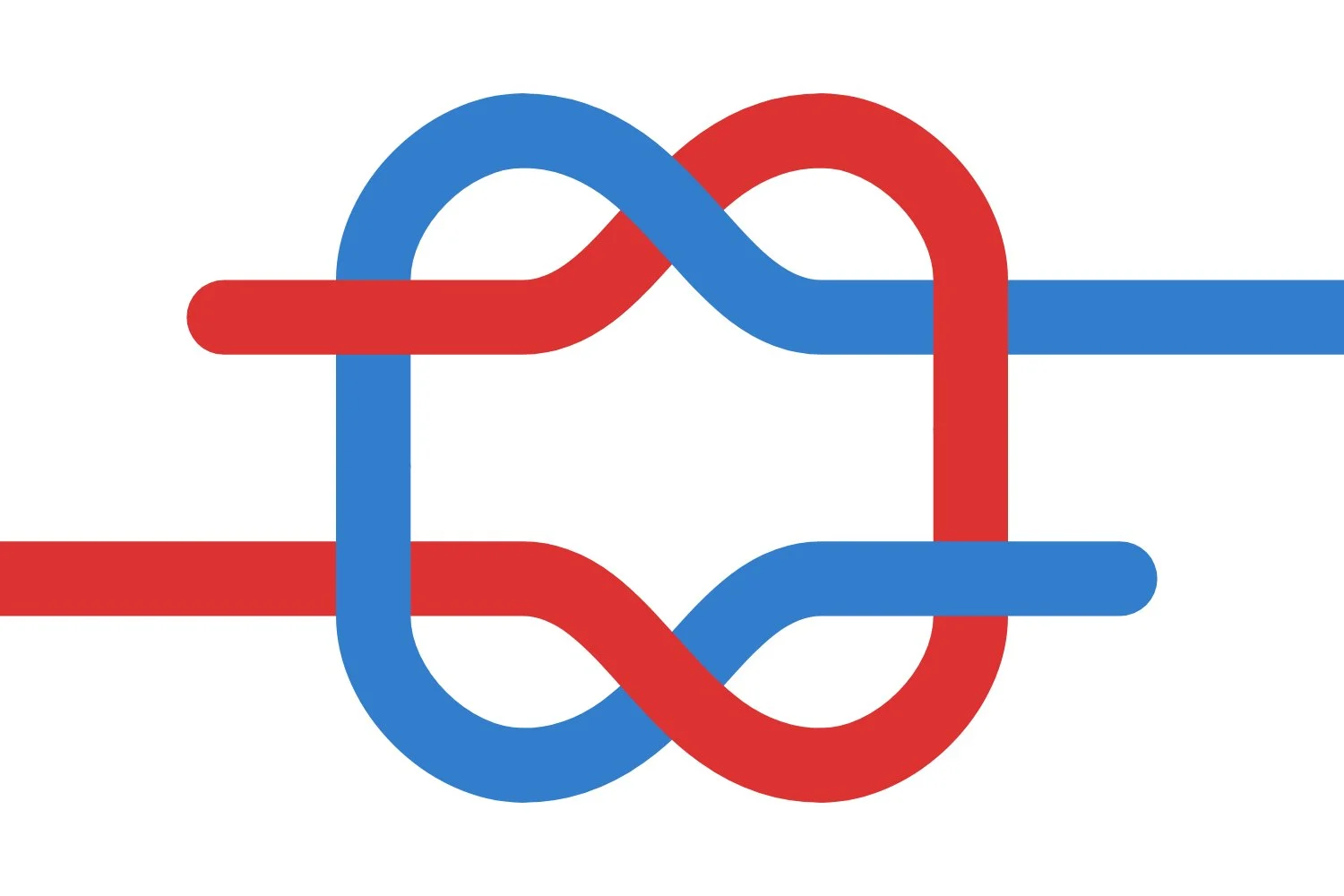
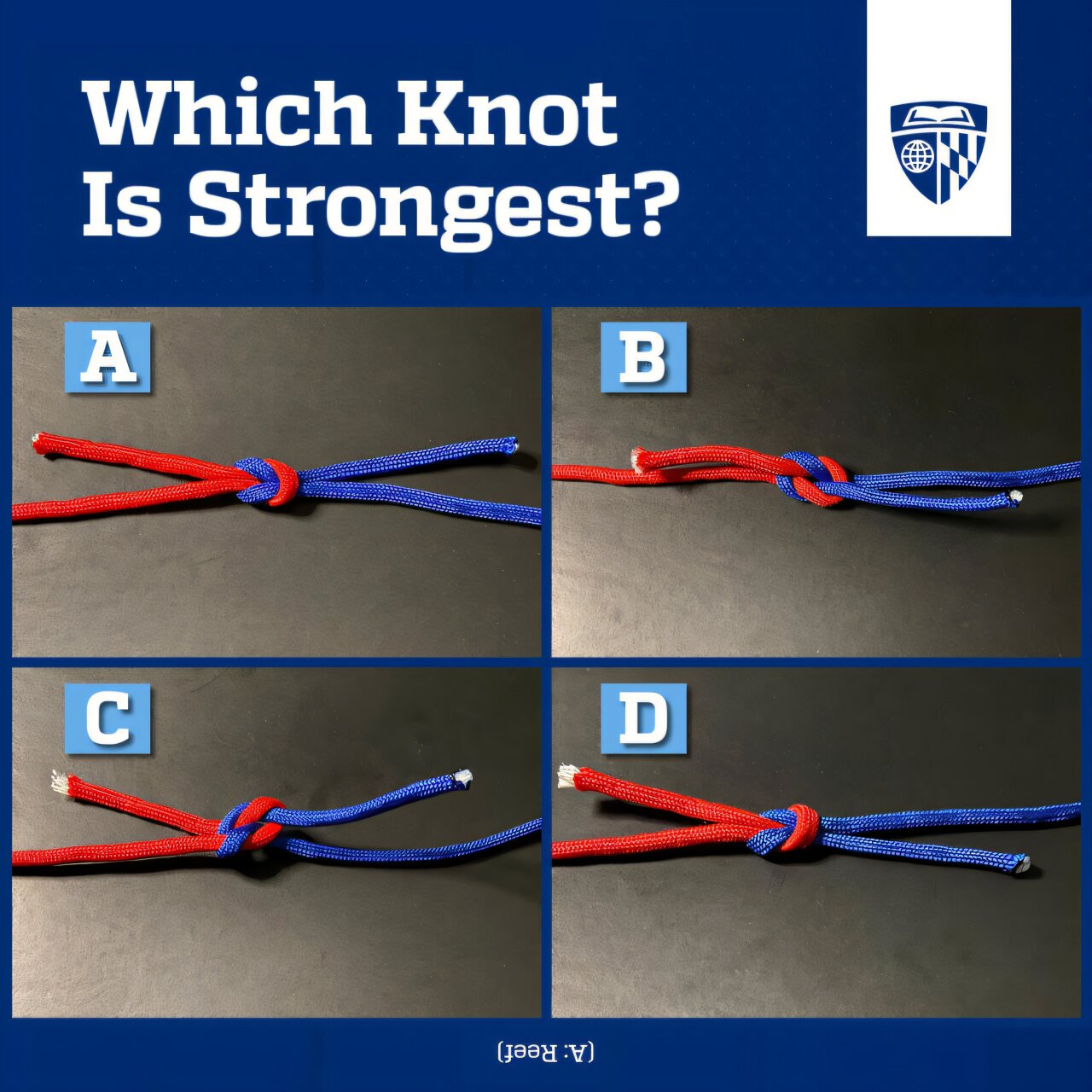
A study by Johns Hopkins University researchers reveals that people struggle to judge the strength of knots, highlighting a potential "blind spot" in our physical reasoning. Despite knots being a common part of daily life, participants in the study failed to accurately assess knot strength, even with visual aids. The research suggests that understanding soft objects like string or rope may be more challenging than solid ones, and that expertise in knot-tying, such as that of sailors or mountaineers, might improve judgment.
A study by Johns Hopkins University reveals that people struggle to visually assess the strength of knots, despite their familiarity with them. Participants consistently failed to identify the strongest knot among similar ones, even when shown videos or diagrams. This suggests a blind spot in our intuitive physical reasoning, as we cannot easily discern the internal structure of non-rigid objects like knots. The research highlights the complexity of understanding knot strength and suggests that expertise, such as that of sailors, might improve performance.
A study by Johns Hopkins University reveals that despite our familiarity with knots, most people struggle to visually determine the strength of different knots. Participants consistently failed to identify the strongest knot, even when shown videos or diagrams. This suggests a blind spot in our physical reasoning, as we cannot intuitively assess the internal structure of non-rigid objects like knots. The research highlights the complexity of intuitive physics and our limitations in understanding the physical properties of certain objects.
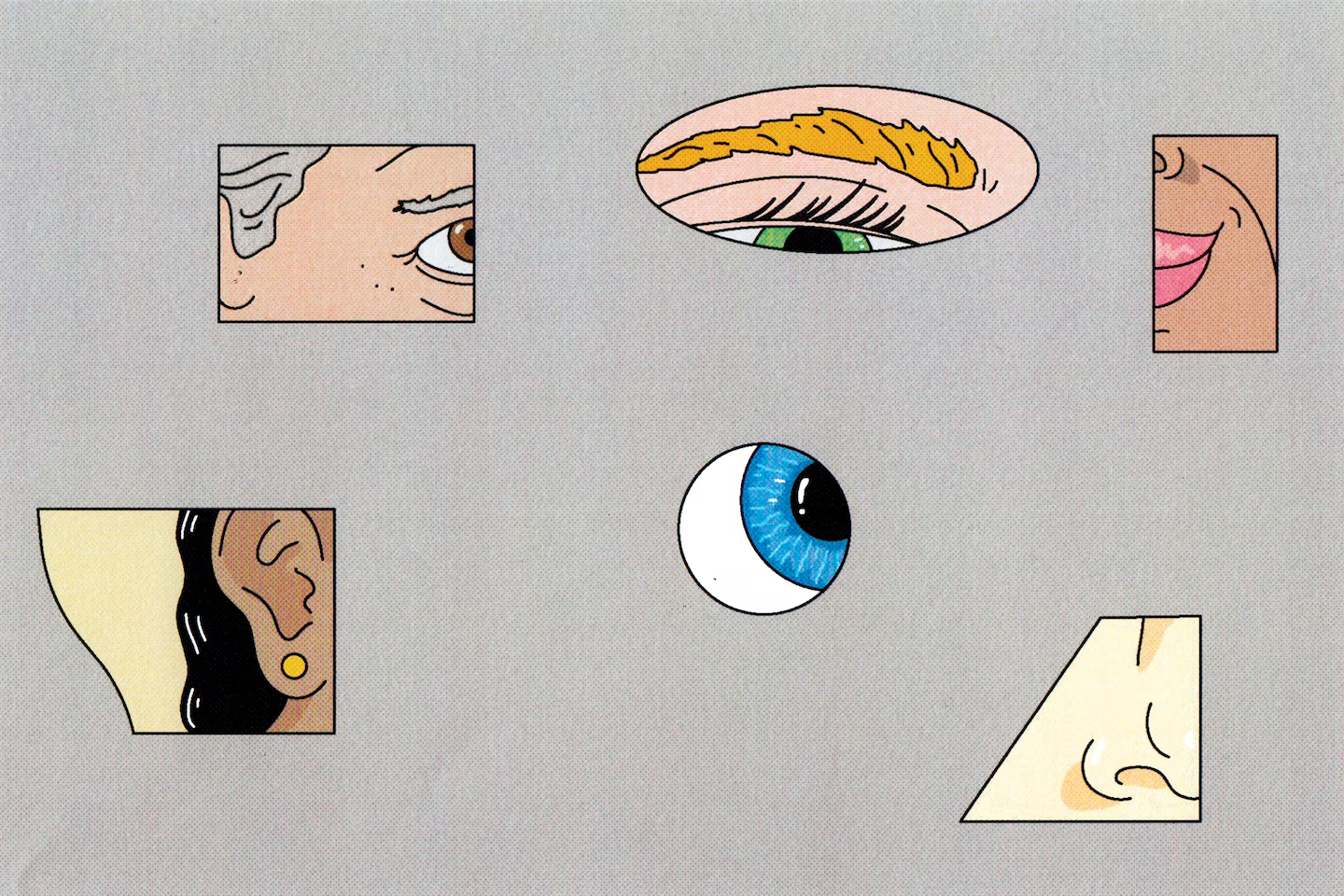
Super-recognizers are individuals with an exceptional ability to remember and identify unfamiliar faces after brief encounters. This rare skill is at the opposite end of the spectrum from face blindness and is being studied by researchers to better understand facial recognition processes, which are crucial for social interaction.
The article explores how delusions can provide insights into the cognitive nature of belief, drawing on expertise from various fields such as history, politics, and ethics. It emphasizes the importance of understanding these psychological phenomena to gain a deeper comprehension of belief systems.
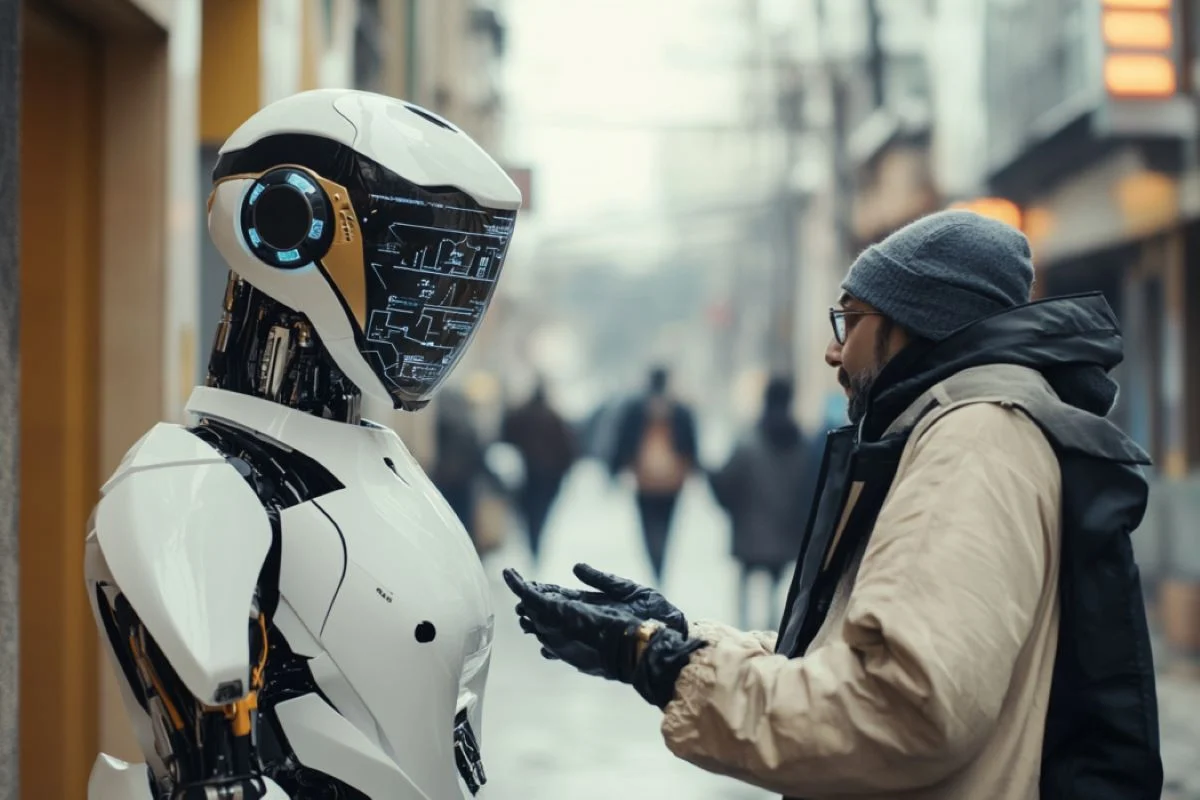
A recent study highlights how robots can model and test aspects of the human sense of self, providing insights into this complex phenomenon. By simulating processes like body ownership and agency, robots can help researchers understand the development and disruption of the sense of self, such as in schizophrenia or autism. This interdisciplinary approach combines cognitive robotics, psychology, and psychiatry to explore human identity, suggesting that robots could serve as both models and experimental tools in this research.
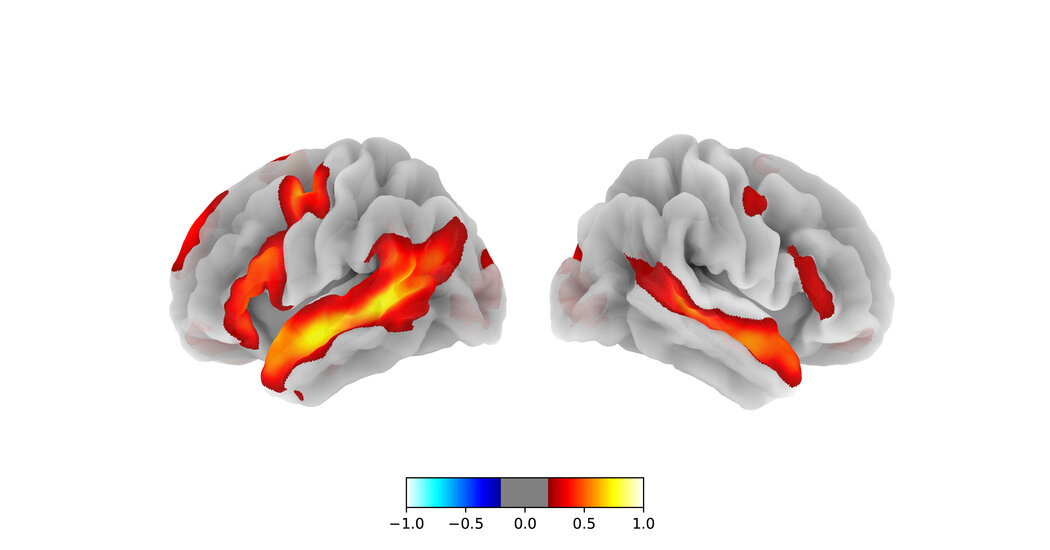
Neuroscientist Evelina Fedorenko's research challenges the long-held belief that language is essential for thought, suggesting that while language is crucial for communication, it is not necessary for reasoning or other cognitive processes.
A recent study has explored the experiences of people who cannot imagine hearing their own internal monologue, a condition suggested to be called "anendophasia." Researchers found that these individuals may struggle with certain word processing tasks but perform similarly to others when allowed to speak words aloud. The study validates the experiences of those with aphantasia and highlights the importance of consistent terminology in scientific research.
A new study reveals that not everyone has an inner voice, a condition now termed anendophasia. Researchers found that people with inner speech performed better in language-related tasks, suggesting inner voices aid in word processing. However, performance differences vanished when tasks were spoken aloud, indicating alternative strategies might be used by those without inner speech. Further research is needed to understand the broader implications of anendophasia and related conditions like anauralia.
A study published in PLOS One suggests that Eurasian jays may possess episodic memory, a cognitive ability previously thought to be unique to humans. Researchers found that these birds could recall incidental details, such as cup decorations, to locate hidden food, indicating a form of "mental time travel." This discovery could have implications for understanding human memory and developing treatments for memory-related diseases like Alzheimer's.
Research indicates that the majority of people experience an "inner reading voice" (IRV) when they read, with around 82.5% hearing a voice that has qualities like identity, gender, and emotional tone. Studies show that while some people can control aspects of their IRV, such as volume and whose voice they hear, about 20% of people read without hearing any internal voice. The phenomenon of internal monologues and IRVs remains under-studied, despite its prevalence.
Researchers are exploring why some people have a better sense of direction than others. Studies suggest that navigational ability is influenced by upbringing and experiences rather than genetics, with cultural factors such as participation in orienteering and living in areas with complex street networks playing a role. New technologies like virtual reality and GPS tracking are helping scientists observe and measure how people navigate through spaces, shedding light on the development of navigation skills.