Indian farmers are increasingly cultivating butterfly pea flowers, which are gaining global demand as natural colorants and health supplements, transforming local livelihoods and creating new business opportunities despite regulatory and quality challenges.
Nathan Wangliao, a former McKinsey consultant, left his corporate job to start an AI startup in Singapore, learning to unlearn consulting habits like overanalyzing and embracing risk-taking and quick decision-making to succeed in the startup world.
Sweden has become a global leader in AI and tech startups due to a combination of historical government initiatives, a digitally literate population, strong investment, and a culture of innovation and humility, serving as a model for integrating technology into everyday life to sustain growth and resilience.
Jenelle Manzi, a seasoned ballerina with nearly two decades at New York City Ballet, balances her performance in 'The Nutcracker' with entrepreneurship, running a nutrition startup, and managing her busy schedule through multitasking like doing makeup in cabs and taking Zoom meetings.
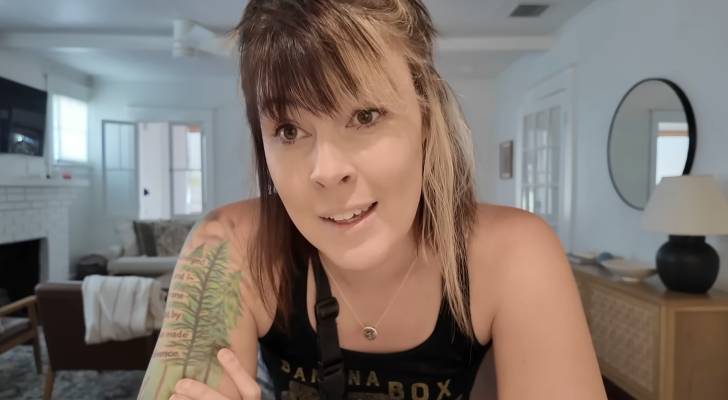
Jocelyn Elizabeth turned a thrift store flip into a seven-figure business with her YouTube channel and online marketplace, demonstrating that with effort and smart planning, anyone can succeed in entrepreneurship, though understanding the financial risks and starting small are crucial. The article highlights the rise of small business ventures and the importance of realistic expectations and preparation.
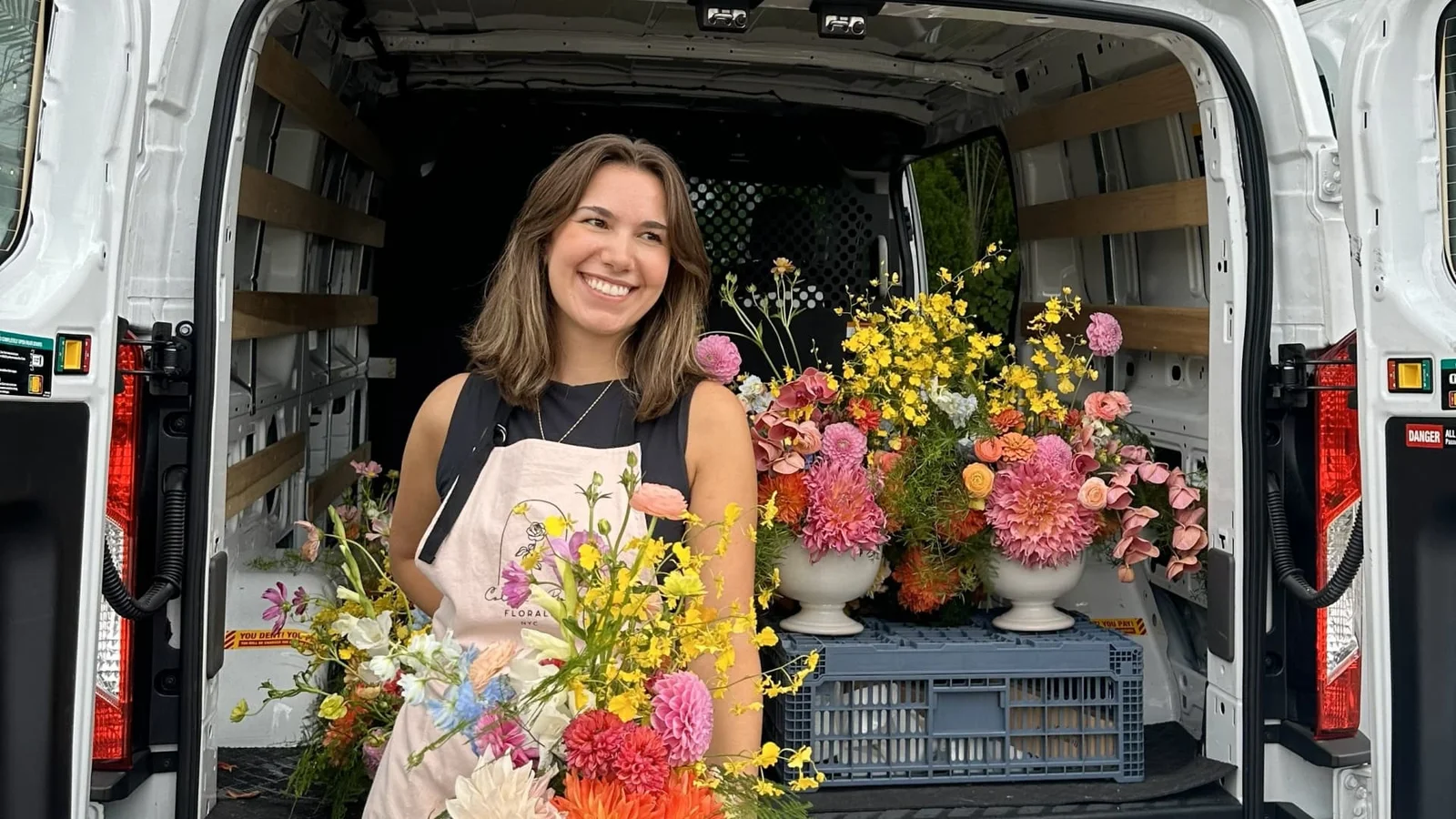
A 27-year-old woman left her corporate job to pursue floral design full-time, building a successful business that earned over $175,000 in its first year, with clients including celebrities like Sabrina Carpenter and Katy Perry, largely thanks to social media promotion and her passion for flowers.
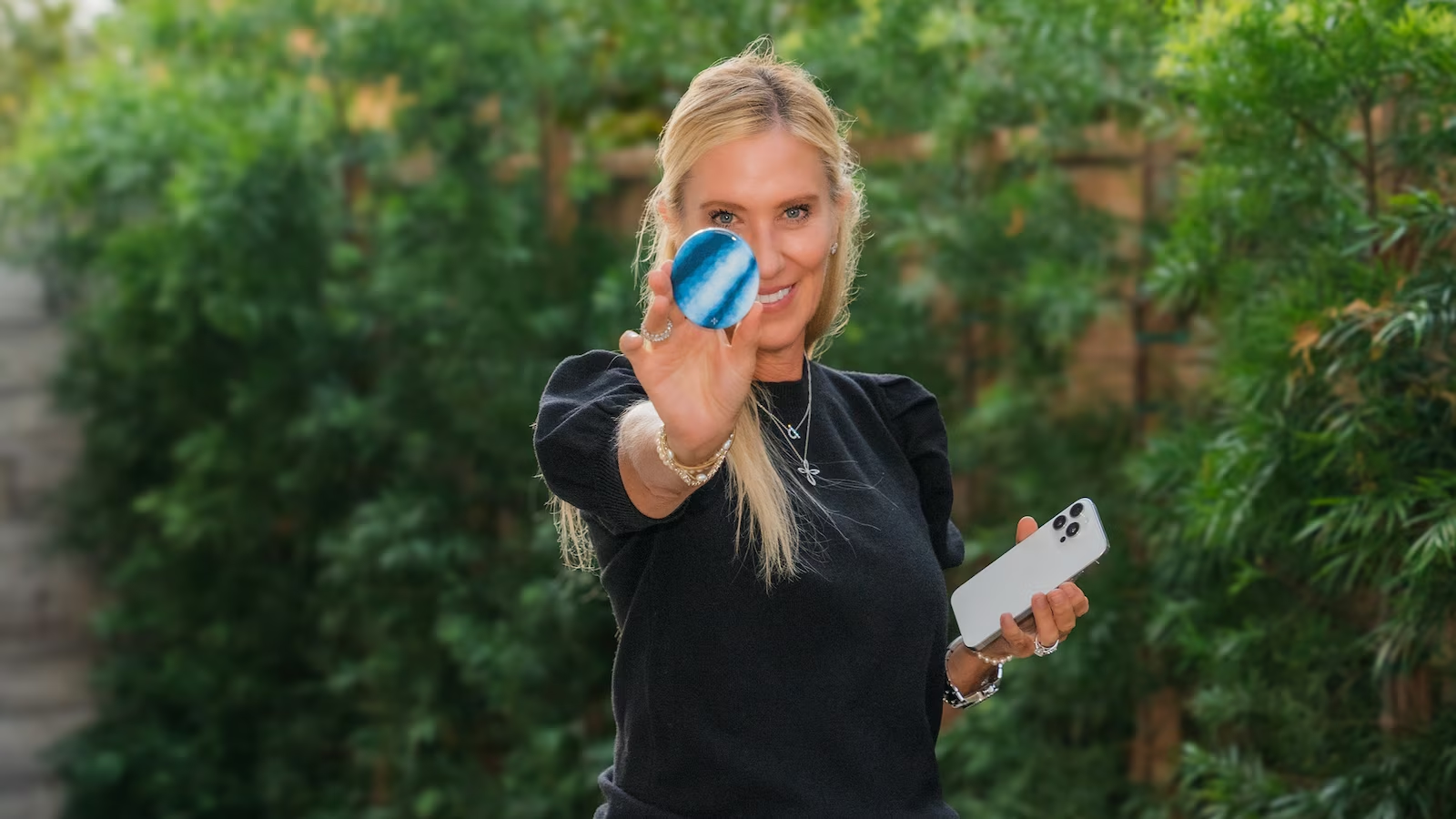
Laura Schwab, a former automotive executive, founded Addition, a luxury design house, after 22 years in the auto industry. Her first product, Alma, is a sleek, customizable wireless charger inspired by her automotive design experience, aiming to make tech feel cool and emotional. She emphasizes the importance of design, purpose, and personal passion in her entrepreneurial journey, with plans to expand her product line and manufacturing in the U.S.
Mike Repole, a billionaire who sold two beverage companies to Coca-Cola, warns aspiring entrepreneurs about the high risks and survival challenges in the first years, emphasizing that most startups face bankruptcy and success is not guaranteed.
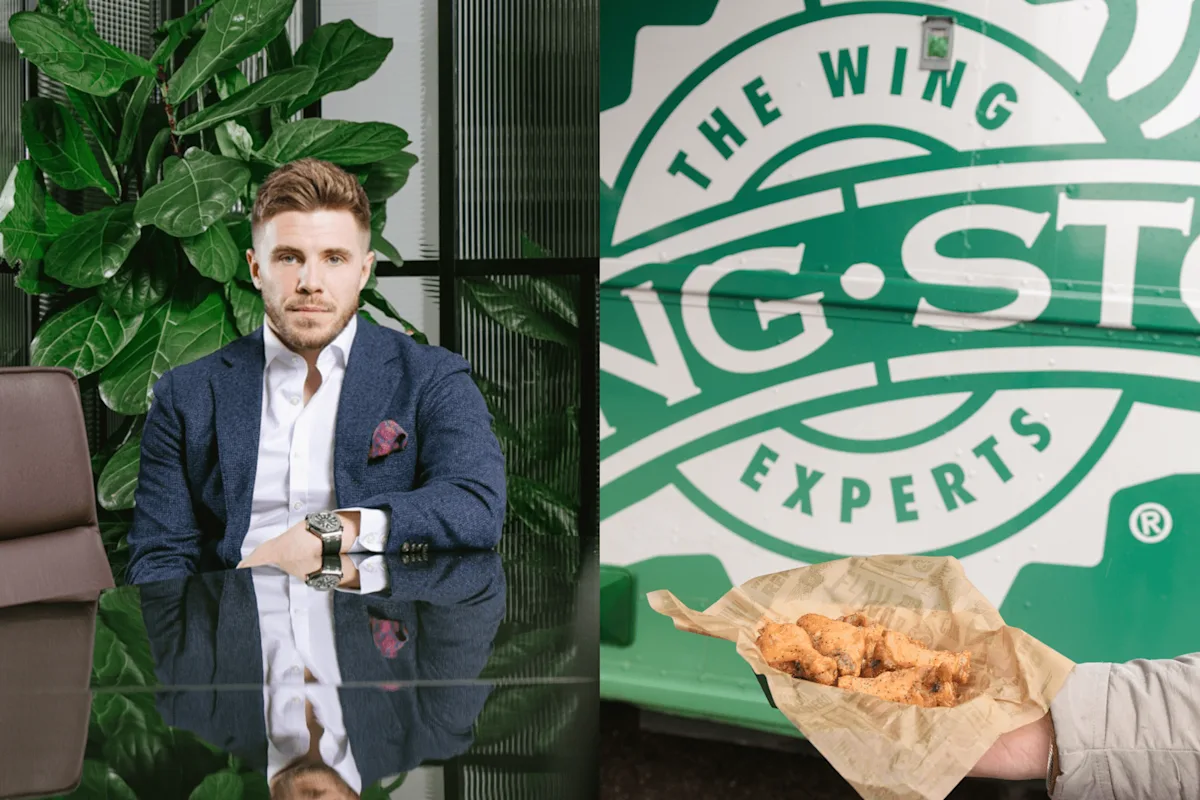
After selling his business for $532 million, millennial Tom Grogan found life after the sale surprisingly boring and is now seeking new challenges, highlighting that wealth and success do not necessarily bring fulfillment or purpose.
A millennial who sold his business for $532 million finds that wealth and success don't necessarily bring happiness or purpose, leading him to seek new challenges, as he describes life after the sale as surprisingly boring. This sentiment echoes other successful entrepreneurs like Brian Chesky, who also experienced loneliness and a lack of fulfillment despite their achievements.
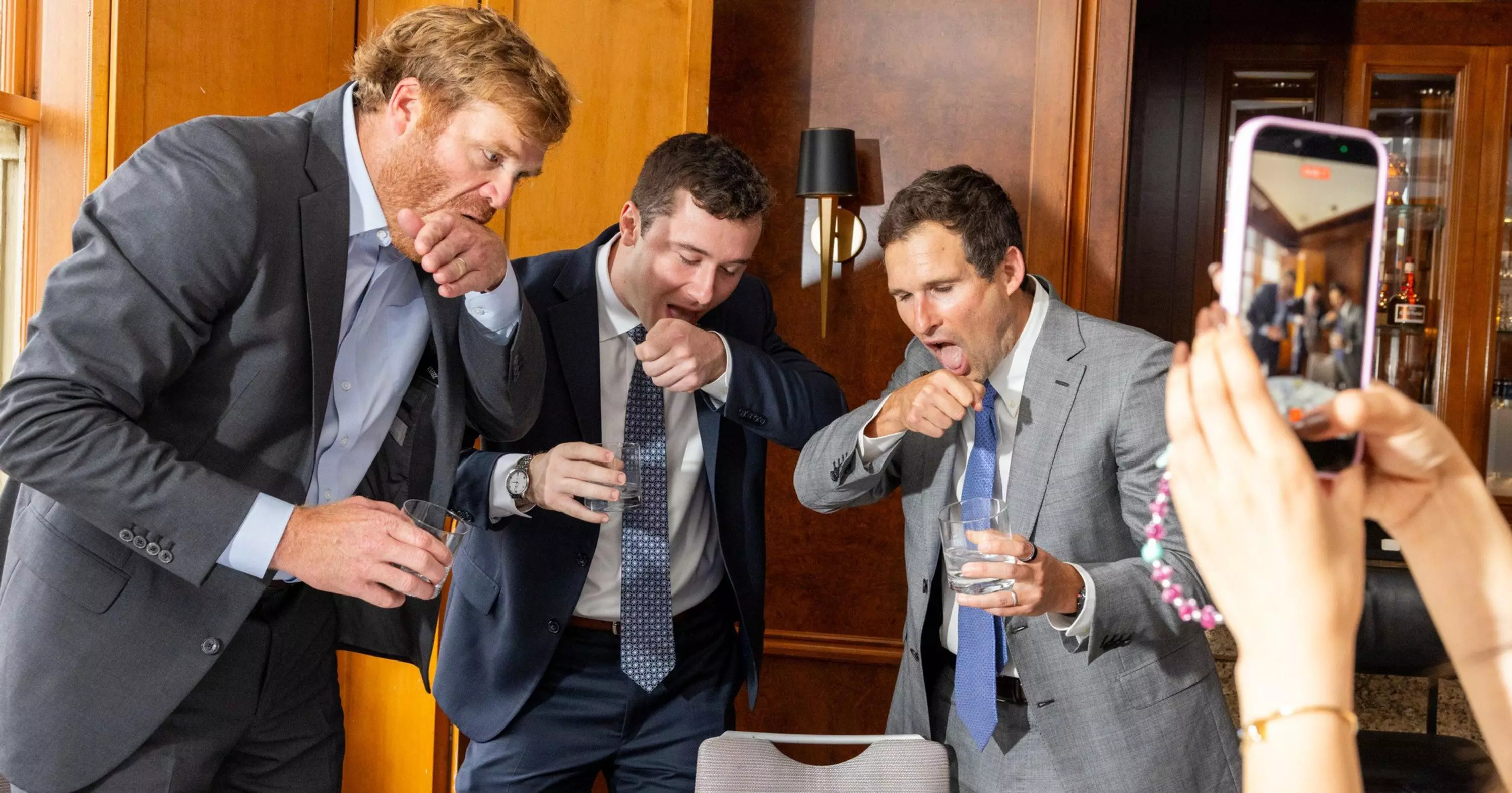
The article discusses a trend where Silicon Valley tech founders are attending finishing schools, a move that Garry Tan criticizes, highlighting differing opinions on the value of such programs for entrepreneurs.
The article explains how entrepreneurs can leverage AI technology to build a successful $1M business by identifying niche markets, utilizing AI tools for automation and content creation, developing AI-driven applications, and validating ideas early to reduce risks, emphasizing the vast opportunities AI offers for scalable and innovative ventures.
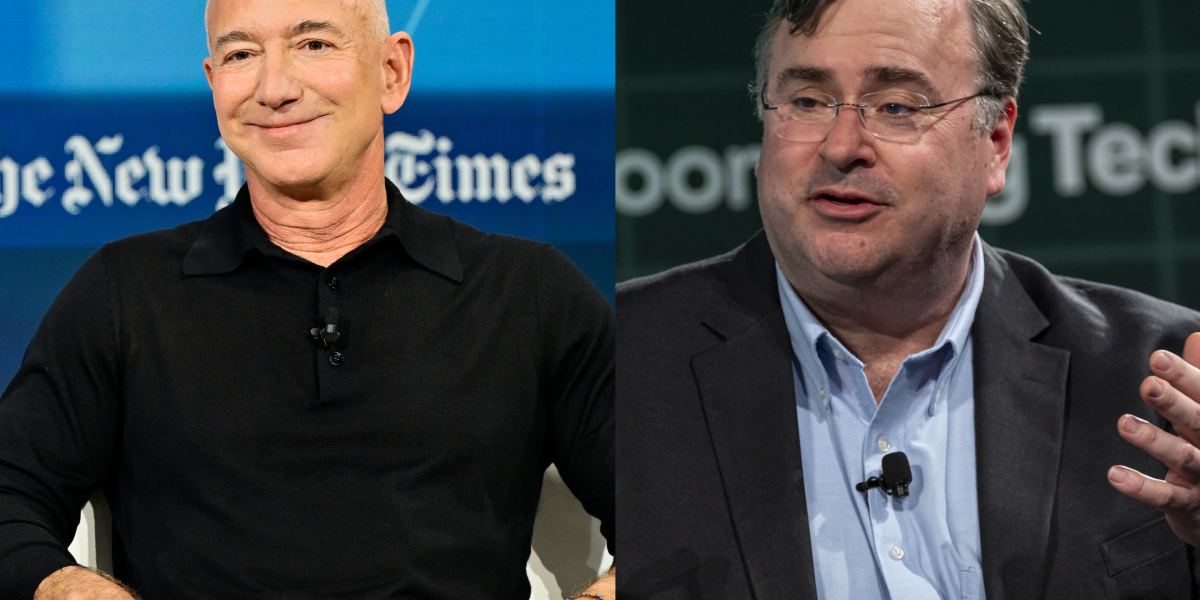
Many billionaire CEOs and entrepreneurs, including Jeff Bezos and Reid Hoffman, challenge traditional notions of work-life balance, emphasizing instead concepts like work harmony and relentless dedication, with some arguing that achieving success requires working long hours and full commitment.
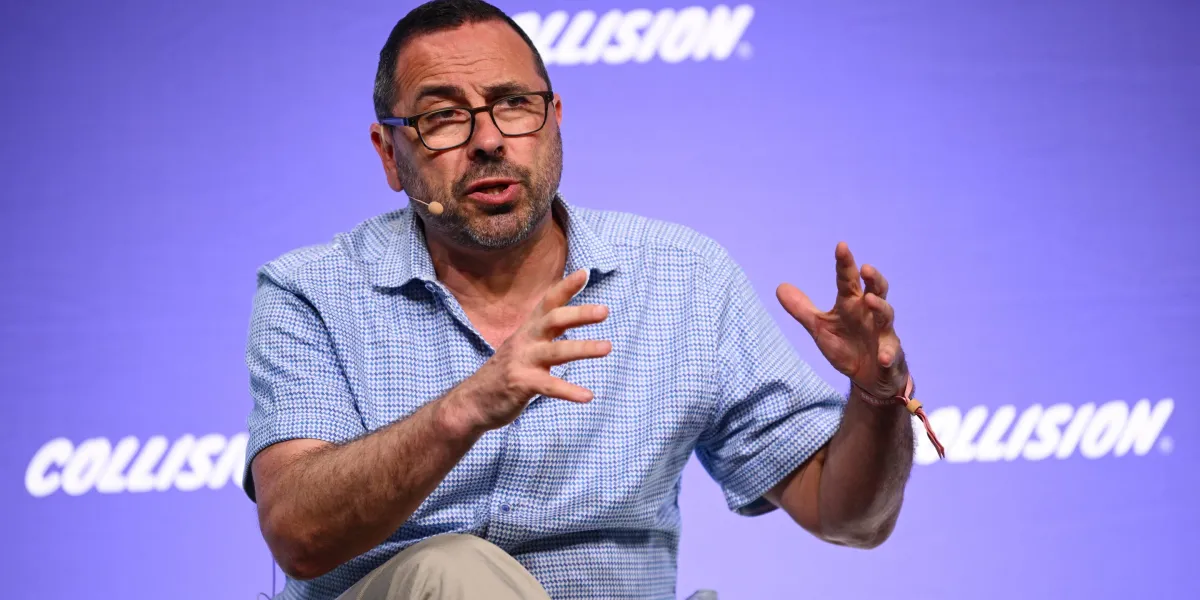
The CEO of Cerebras argues that achieving greatness in business requires working beyond the traditional 38-hour workweek, emphasizing dedication and passion over work-life balance, and highlighting that top entrepreneurs often work 60 hours or more to succeed.
Dawon Matthews, who faced employment barriers due to a criminal record, became a successful entrepreneur with a food truck business in Houston that generates over $1 million annually, demonstrating resilience and innovative business strategies.