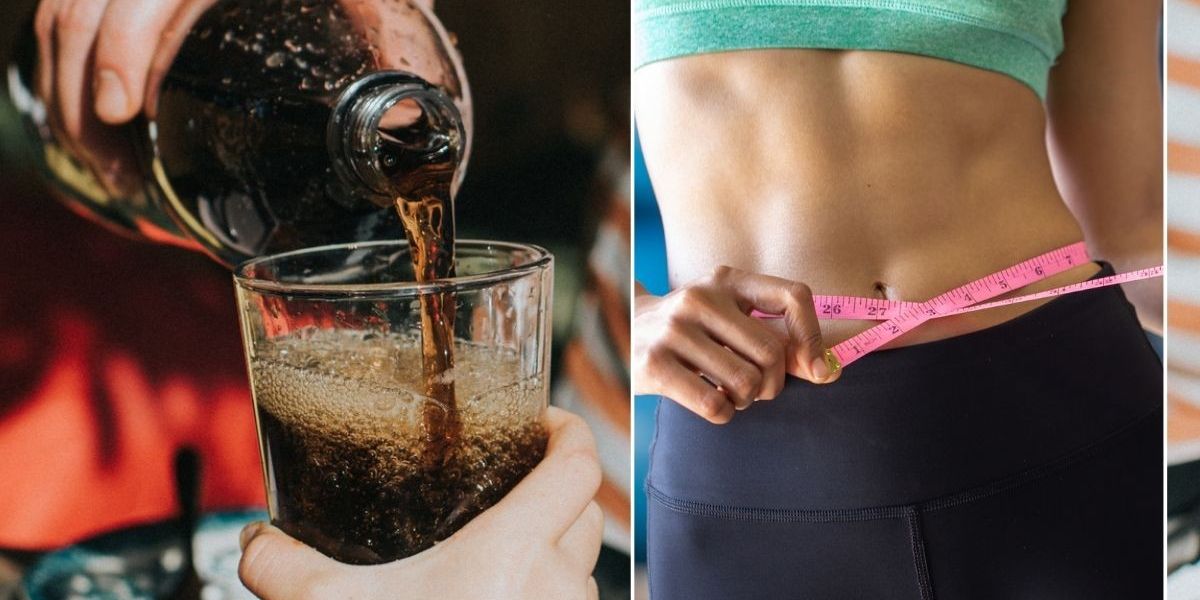
Tag

Calorie Deficit

All articles tagged with #calorie deficit

health11 days ago

Rethinking Weight Loss: Why Exercise Alone Isn’t Enough

Experts argue that the common advice of 'eat less, move more' is ineffective for long-term weight loss due to biological mechanisms like genetic predisposition and an 'obesity memory' that promote weight regain. They emphasize the importance of a holistic approach including diet, exercise, environmental changes, and possibly pharmacological interventions to address obesity more effectively.


health-and-wellness6 months ago

Comparing Intermittent Fasting and Portion Control for Sustainable Weight Loss

Both intermittent fasting and portion control are effective strategies for sustainable weight loss, with their success depending on personal preferences and lifestyle. Intermittent fasting involves cycling between fasting and eating periods, potentially improving metabolic markers, while portion control focuses on managing food intake size to create a calorie deficit. Combining these methods with exercise can enhance results, and choosing the right approach depends on individual habits and health needs.

health-and-wellness1 year ago

"Trim Down: Ditch Sugary Beverages for Lasting Weight Loss"

Dr. Brandon Fadner advises individuals looking to lose weight to avoid "drinking their calories" by swapping high-calorie beverages for water, unsweetened iced tea, and black coffee, as these drinks are often "full of sugar" and unnecessary for the body. He recommends being mindful of calorie intake from both food and drinks and opting for minimally processed foods found on the periphery of supermarkets.

health-and-nutrition1 year ago

"Opt for a Healthier Smoothie to Avoid Weight Gain"

Registered nutritionist Angela Clucas warns that while smoothies can be calorie-dense and hinder weight loss efforts, they can still be a good way to consume fruits and veggies if you struggle to eat them whole. To ensure a healthier smoothie, she suggests assessing the ingredients on a plate before blending to gauge if you would eat them all in one sitting, and emphasizes the importance of including adequate protein, fiber, and healthy fats to prevent hunger shortly after consumption.

health-and-fitness2 years ago

"Sandwich-Only Diet Sheds 10 Pounds in 30 Days, Debunks Bread Fears"

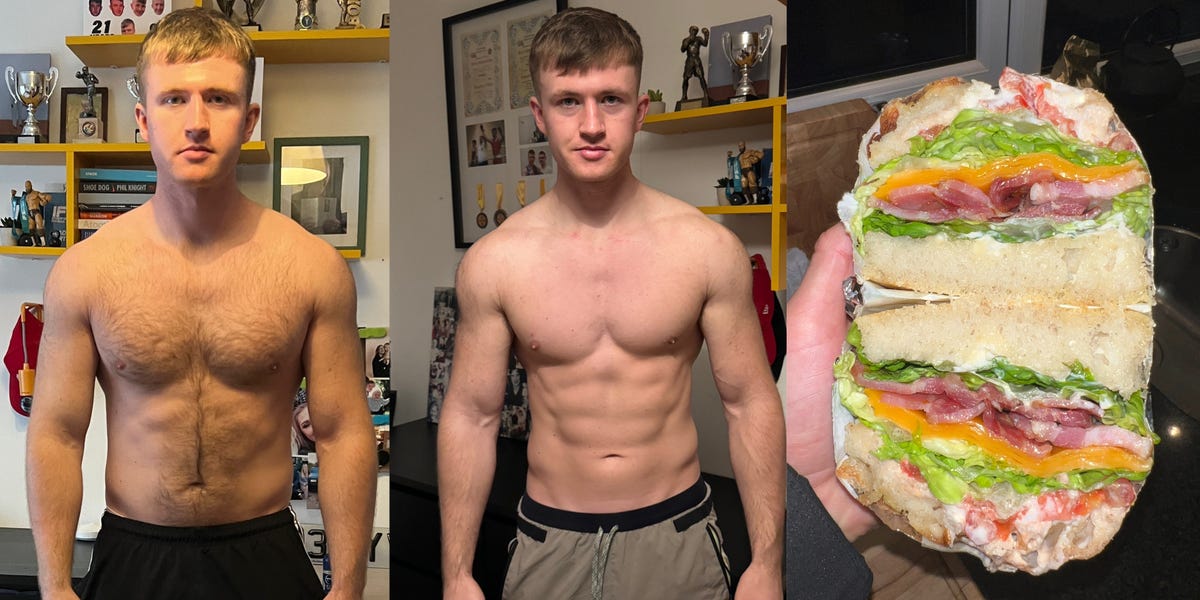
Personal trainer Sean Casey ate only sandwiches for 30 days while in a calorie deficit and lost 10 pounds, aiming to debunk the myth that cutting carbs is necessary for weight loss. Casey wanted to remove the fear and anxiety around certain foods, particularly bread, and emphasize that no food should be feared. While acknowledging that his sandwich-only diet lacked nutritional balance, Casey demonstrated that a sandwich can be a nutritionally balanced meal depending on the ingredients used. He stressed that his weight loss was due to being in a calorie deficit, not solely because of sandwiches, and encouraged people to incorporate all foods they enjoy into their diet in moderation.

health-and-wellness2 years ago

"Top 5 High-Volume Foods for Fat Loss and Muscle Maintenance"

The author shares their experience of losing weight and maintaining muscle mass by incorporating high-volume foods into their diet. They emphasize the importance of being in a calorie deficit and consuming a high-protein diet to feel full and satisfied. The author's favorite high-volume foods include potatoes, broccoli, fat-free Greek yogurt, popcorn, and strawberries, which are low in calories but provide a sense of satiety.

health-and-wellness2 years ago

Mastering Gradual Weight Loss: Overcoming Age-Related Challenges

Losing one pound can be achieved by establishing a calorie deficit of approximately 500 calories per day, which can lead to a weekly weight loss of half to one pound. It is important to control portion sizes, keep a food journal, try meal prepping, incorporate regular exercise, and maintain a balanced diet with a variety of nutrients. Gradual weight loss of one to two pounds per week is considered safe and sustainable.

food-and-health2 years ago

"Delicious Chipotle Pasta Recipe: A Weight-Loss Success Story with Shrimp or Chicken Options"

A TikTok user named Raquel (@jaifit8) has gained popularity for sharing her weight loss journey while still enjoying traditional Mexican dishes. She recently revealed her healthy twist on her abuela's chipotle pasta recipe, which can be made with either shrimp or chicken. Raquel's recipe includes protein pasta, seasoned shrimp, a homemade sauce made with low-fat cottage cheese and chipotle peppers, and a variety of vegetables. The dish is portioned into containers for meal prep, with each serving containing 420 calories, 46g protein, 41g carbs, 8g fat, and 6g fiber. The post has gone viral, with many viewers expressing interest in trying the recipe themselves.

health-and-wellness2 years ago

"Nutritionist's Guide: Eat Smart, Shed Fat"

A nutritionist reviewed the eating routine of a 32-year-old woman who wants to lose fat. The nutritionist advised incorporating carbs, protein, fat, and fiber into larger meals to ensure overall health and energy. It was recommended to track food intake to understand calorie consumption and needs better. Eating a little more at each meal can help establish a sustainable calorie deficit for fat loss. Adding healthy fats like olive oil can make meals more enjoyable and provide heart-healthy unsaturated fats. Bulking up meals with more calories, fiber, and food volume can help with satiety and long-term sustainability.

health-and-fitness2 years ago

"Common Sense Diet: How I Banished Visceral Belly Fat"

The author shares his journey of losing visceral belly fat through a calorie-deficit diet and exercise. After being diagnosed with sinus tachycardia, he focused on preparing comforting feasts and gained weight. With the help of a personal trainer, he followed a calorie-deficit diet and underwent a DEXA scan to assess his body composition. The scan revealed high levels of visceral adipose tissue (VAT), which increased his risk of various health issues. He adopted a calorie-deficit diet, majoring on protein and incorporating brisk walking. Despite some setbacks, he managed to lose weight and improve his body composition.

health-and-wellness2 years ago

The Timeframe for Weight Loss: Insights from Dietitians

Weight loss occurs when there is a sustained calorie deficit, achieved through reduced calorie intake and increased physical activity. Factors such as genetics, starting weight, hormones, age, overall health, and lifestyle can influence the rate of weight loss. Losing weight too quickly can lead to health issues, including nutrient deficiencies and muscle loss. Aiming for a gradual weight loss of 0.5 to 1 lb per week is considered safe and sustainable. Weight fluctuations are normal, and consulting a registered dietitian can help develop an individualized weight loss plan.

health-and-wellness2 years ago

The Realistic Timeline for Weight Loss, as Advised by Dietitians

Weight loss occurs when there is a sustained calorie deficit, achieved through reduced calorie intake and increased physical activity. Factors such as genetics, starting weight, hormones, age, overall health, and lifestyle can influence weight loss progress. Losing weight too quickly can lead to health issues such as nutrient deficiencies, muscle loss, gallstones, electrolyte imbalances, and psychological impacts. Generally, initial weight loss can be seen within a few weeks of following a calorie deficit, with a safe and sustainable goal of losing 0.5 to 1 lb per week. Weight fluctuations are normal, and long-term success requires adherence to healthy habits. Consulting a registered dietitian is recommended for an individualized weight loss plan.

health-and-fitness2 years ago

"Home Workouts for a Flat Stomach: 10 Belly Fat Burning Exercises"

Maintaining a lower body fat percentage can offer several benefits for physical and mental well-being. Here are 10 exercises that can be performed at home to burn belly fat. Exercise plays a significant role in fat loss by contributing to calorie expenditure, promoting metabolic changes, and supporting overall weight management. Macronutrients are the three major types of nutrients that provide energy and are required in large quantities in the human diet. A calorie deficit refers to a state in which you consume fewer calories than your body needs to maintain its current weight, which is a key concept in weight loss and body fat reduction.

health-and-fitness2 years ago

"The Effects of Intermittent Fasting on the Body and Autoimmune Flare Ups"

Intermittent fasting, including the one meal a day (OMAD) diet, can help with weight loss by reducing calorie intake. Contrary to popular belief, eating one meal a day does not slow down metabolism. Eating one meal a day may help maintain a calorie deficit, which is necessary for weight loss. However, it's important to speak with a healthcare professional before starting any new diet or eating pattern. Sustainable fat loss takes time and effort, and incorporating exercise, a balanced diet, and adequate sleep is crucial.