The article highlights the importance of a nutritious breakfast and provides a curated list of healthy breakfast recipes that are under 500 calories, low in saturated fat, sodium, and cholesterol, to help start the year with health-conscious choices.
The article debunks common weight loss myths, emphasizing that metabolism doesn't slow with age, exercise can't compensate for a poor diet, not all calories are equal, low-fat diets are not necessarily healthy, and that science-backed nutrition and products like HLTH Code can support sustainable weight loss and health.
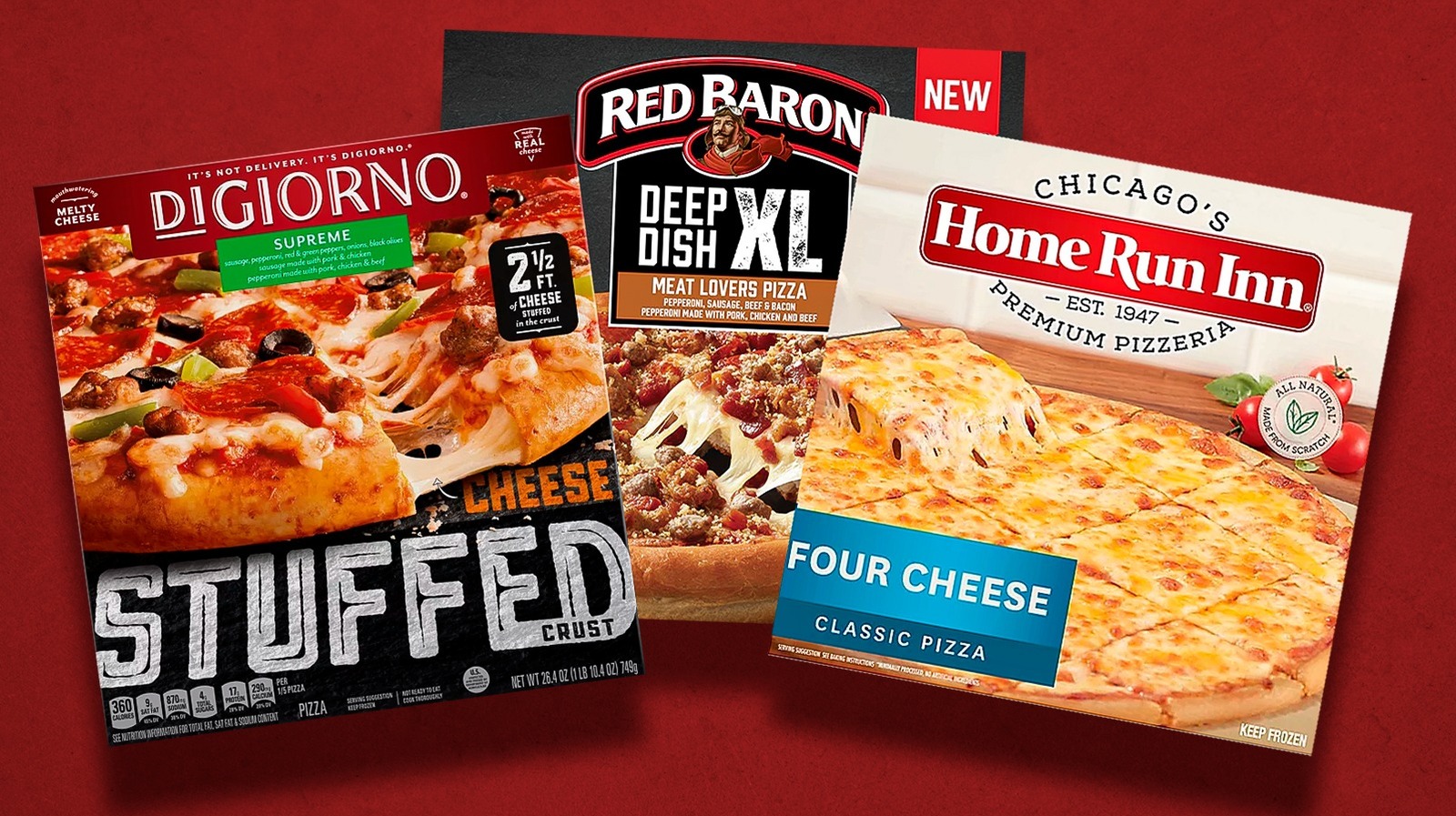
The article lists some of the most unhealthy frozen pizzas, highlighting their high levels of sodium, saturated fats, calories, and questionable additives, which can negatively impact health if consumed frequently or in large quantities.
Eating most of your calories earlier in the day, especially at breakfast, may be better for health by aligning with your circadian rhythm, improving energy, metabolism, blood sugar control, and sleep, while also helping to curb hunger and prevent overeating later.
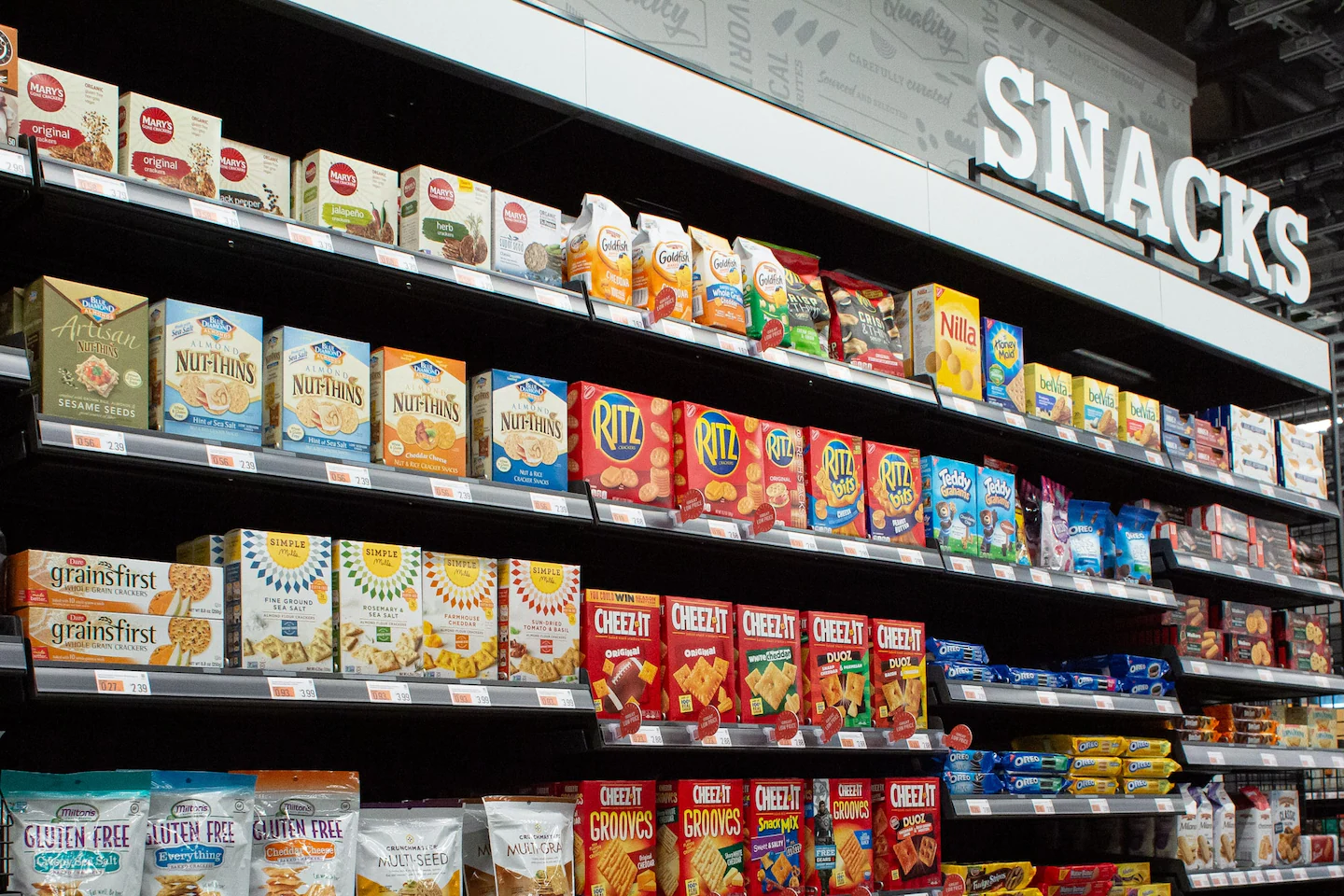
More than half of the calories Americans consume come from ultra-processed foods, which are linked to health issues, according to CDC data, as officials plan to regulate these inexpensive and tasty products.
Tour de France riders consume massive, calorie-dense breakfasts, often up to 2,000 calories, consisting of carbs like pasta, rice, and bread, along with eggs and smoothies, prepared by team chefs. These meals are designed to fuel intense stages and are tailored to meet precise nutritional needs, focusing heavily on carbohydrates while limiting fats and proteins to optimize performance and weight management.
Cycling for 30 minutes at a brisk pace can provide a similar caloric expenditure to the popular goal of walking 10,000 steps a day, according to physical therapist Scott Williams. This suggests that biking could be a faster alternative to achieve daily activity needs for a healthy lifestyle.
A study on the Hadza tribe, known for their active lifestyle, revealed that their daily energy expenditure is similar to that of sedentary office workers in the U.S., suggesting that exercise alone may not be effective for weight loss.
To lose weight, it's essential to understand the concept of a calorie deficit, which involves burning more calories than consumed. Factors like age, weight, gender, and lifestyle influence individual calorie needs. The Mifflin-St Jeor equation can help calculate daily calorie requirements. A common guideline is to reduce daily intake by 500 calories to achieve a sustainable weight loss of 2-5 pounds per week. It's crucial to focus on nutrient-rich foods and consult a health professional before making dietary changes. Consistency and realistic goals are key to successful weight loss.
A study from the University of Milan suggests that "micro-walks," or short walking bursts of 10 to 30 seconds with breaks, can burn more calories and boost metabolism more effectively than longer continuous walks. These brief walks help counteract the negative effects of prolonged sitting, such as slowed metabolism and increased health risks, while also benefiting mental health by reducing stress and boosting creativity. Although the study is small, it highlights the importance of regular movement throughout the day for maintaining health.
Salads are often considered a healthy meal option, but certain ingredients can add unexpected calories. Registered dietitians highlight seven common culprits: salad dressings, cheese toppings, croutons and other crunchy add-ins, certain protein choices, pasta and grains, dried fruit, and nuts and seeds. They recommend opting for homemade dressings, using small amounts of strong-flavored cheese, choosing healthier protein sources like grilled chicken or tofu, and being mindful of portion sizes for high-calorie add-ins. Incorporating a variety of colorful vegetables and lean proteins can help keep salads nutritious and satisfying.
A new study from Johns Hopkins University suggests that the effectiveness of time-restricted eating for weight loss may be due to reduced calorie intake rather than the timing itself. The small trial, which provided prepared meals to participants, found similar weight loss results for both time-restricted and regular eating schedules when calorie intake was controlled. While some experts believe meal timing matters for weight loss, others argue that time-restricted eating may offer benefits beyond weight loss, such as improving cholesterol, blood pressure, and blood sugar levels. However, conflicting research suggests potential long-term risks, and the study's controlled environment may not fully reflect real-life scenarios.
Walking is an effective way to burn calories and can be incorporated into a weight loss plan by tracking distance, time, and pace. Factors such as weight and walking speed determine the calories burned per mile. To lose weight, it's important to burn more calories than consumed, with recommendations from the CDC and NIH for daily calorie intake. Increasing walking intensity, distance, or pace can boost calorie burn, but it's essential to maintain a healthy and sustainable approach to weight loss. Tracking devices and apps can help monitor walking and calorie consumption, and walking is known to have various health benefits beyond weight management.
Running is the exercise that burns the most calories, with a 130-pound person burning 206 calories in 30 minutes. Factors like heart rate, weight, and muscle mass affect calorie burn, but running tops the list due to its high intensity and engagement of multiple muscles. Running also offers benefits for weight loss, bone strength, muscle building, and heart health. Beginners should consult a doctor, wear appropriate gear, start slowly, and gradually increase intensity to avoid injury and enjoy the benefits of this popular exercise.
A new review of intermittent fasting concludes that while it offers various health benefits beyond weight loss, shedding body fat requires managing calorie intake in addition to fasting. The study emphasizes that the fundamental rule of consuming fewer calories than burned still applies, and intermittent fasting doesn't permit unlimited food consumption. The review also explores the molecular effects of fasting, including the release of fatty acids for energy and the potential link between ketones and feelings of euphoria. While intermittent fasting has been associated with lower blood pressure and other health benefits, individual responses to fasting vary, and consulting a doctor before reducing food intake is important.