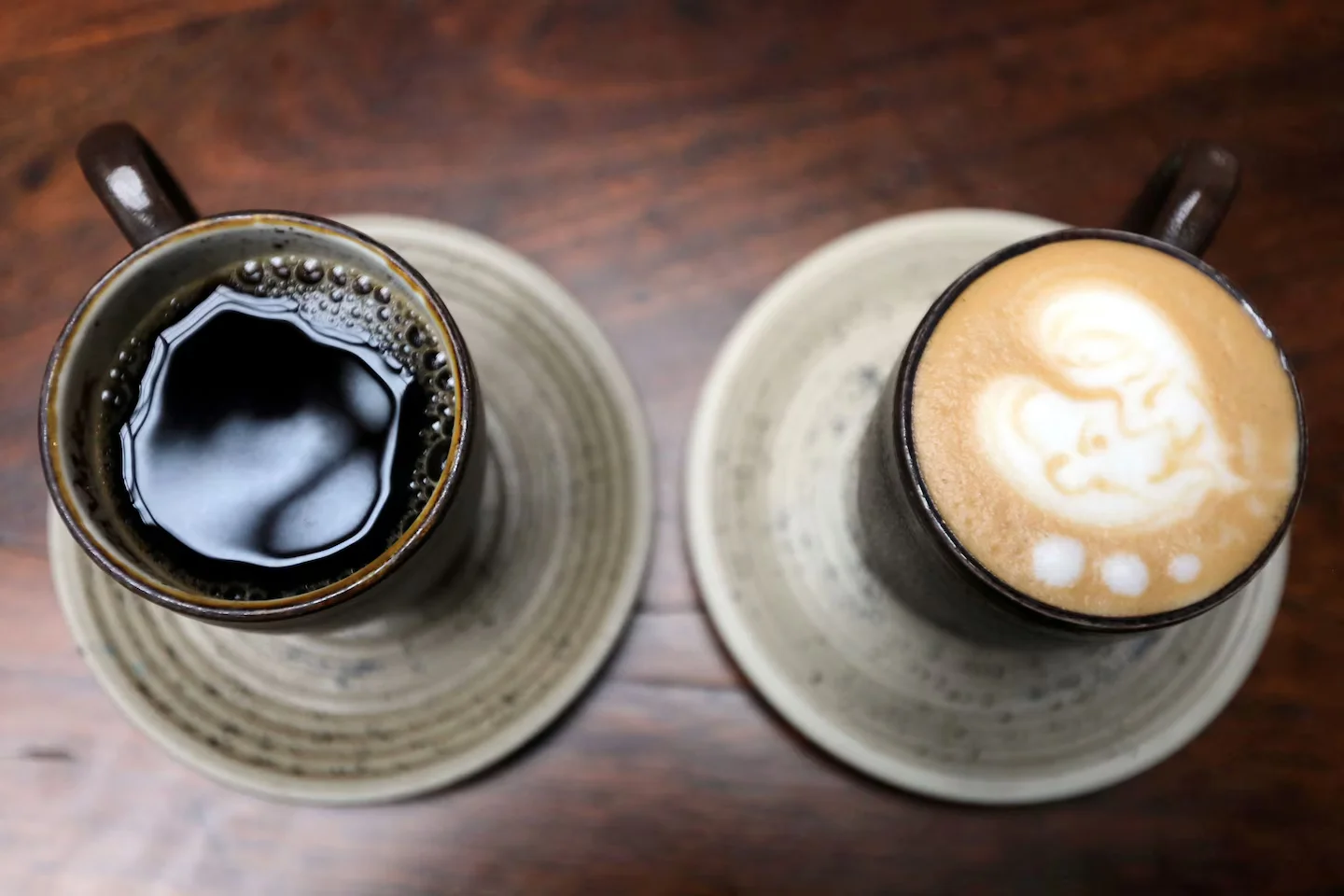
A Washington Post column argues that investing in buy-it-for-life coffee makers can save money and cut waste by avoiding frequent replacements, while still delivering quality brews and supporting a more sustainable kitchen habit.
Starbucks is rolling out a broad, multinational menu refresh—including its biggest bakery overhaul to date, a new permanent coffee (1971 Roast), and new permanent matcha drinks—as part of CEO Brian Niccol’s growth-focused turnaround. The update follows a year of simplifying the menu and operations and expands offerings across food, brewed coffee, and drinks. It’s launched alongside a one-day free tall brewed coffee promotion for Starbucks Rewards members on Feb. 9 to preview a revamped loyalty program launching in March.
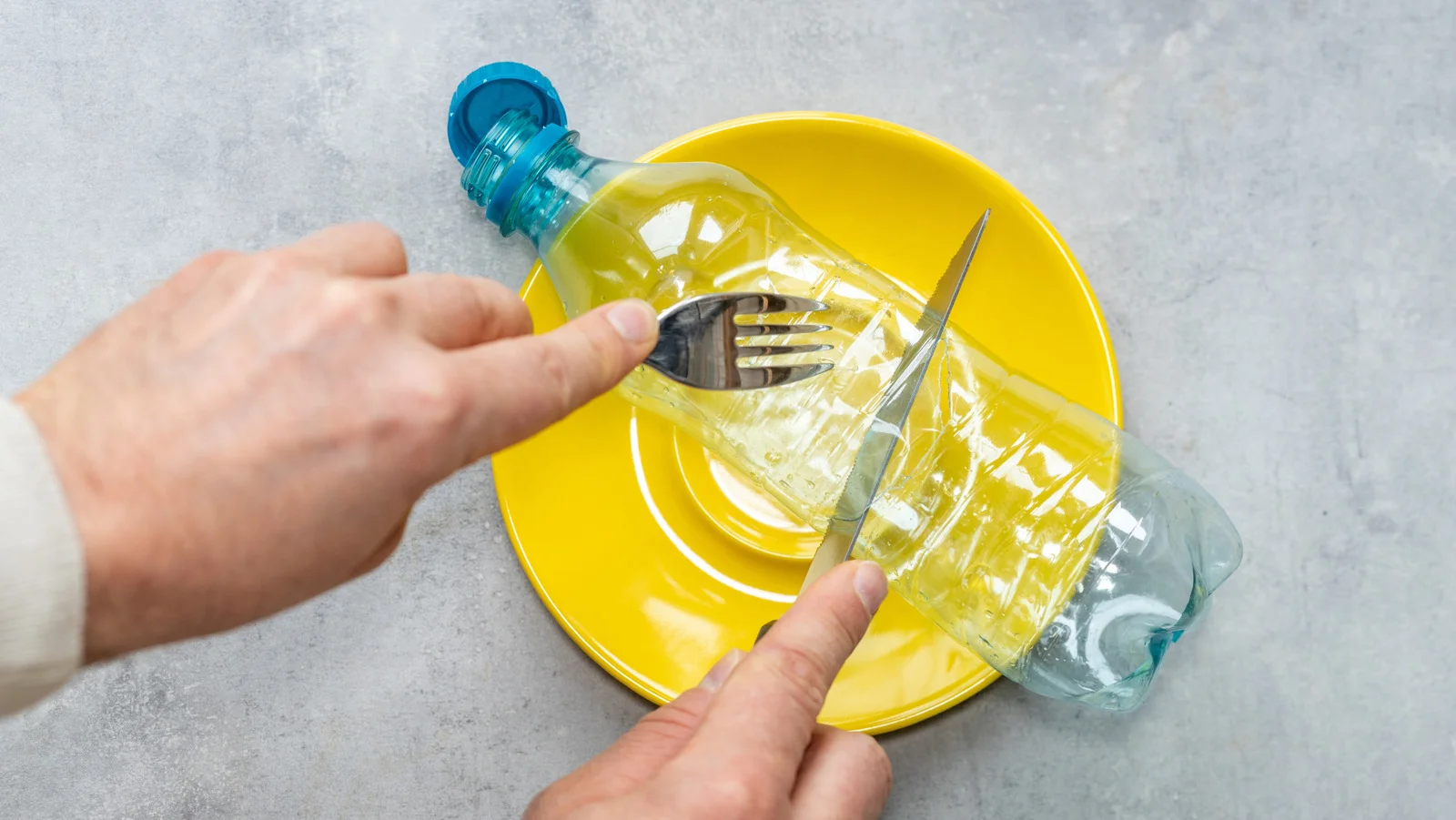
This article surveys multiple studies showing microplastics contaminating 14 common foods and drinks—salt, seafood, sugar, beer, bottled water, honey, milk, cheese, tea, chewing gum, produce, coffee, rice, and meat—with contamination arising from packaging, farming and processing. It notes widespread exposure (e.g., 100% sugar contamination in recent studies; thousands of plastic particles per year from beverages and salt) and health concerns, while stressing complete avoidance is unlikely; practical steps to reduce exposure include choosing plastic-free packaging, washing produce and seafood, avoiding plastic tea bags and cups, and selecting alternative storage or packaging.
The Motley Fool highlights Coca-Cola and Dutch Bros as two contrasting beverage bets for 2026: Coca-Cola is making all-time price highs on steady volumes and pricing power despite a CEO transition, trading around 24x trailing earnings with a solid ~2.7% dividend; Dutch Bros has doubled its store count in five years, expanded nationwide with strong revenue and net income growth, but trades at a premium for its growth story after pulling back from recent highs. Together they offer diversified exposure within the beverage space and different risk/reward profiles for investors.
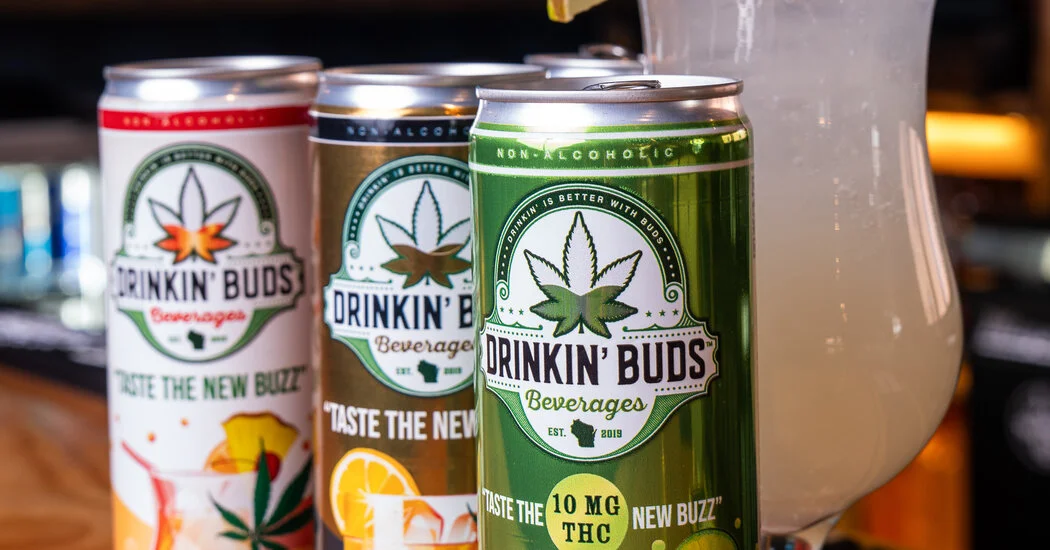
As Dry January boosts demand for nonalcoholic hemp-derived THC drinks, retailers are expanding shelves and sales are rising, but a new federal law could push these products off shelves, creating regulatory risk amid growing consumer interest.
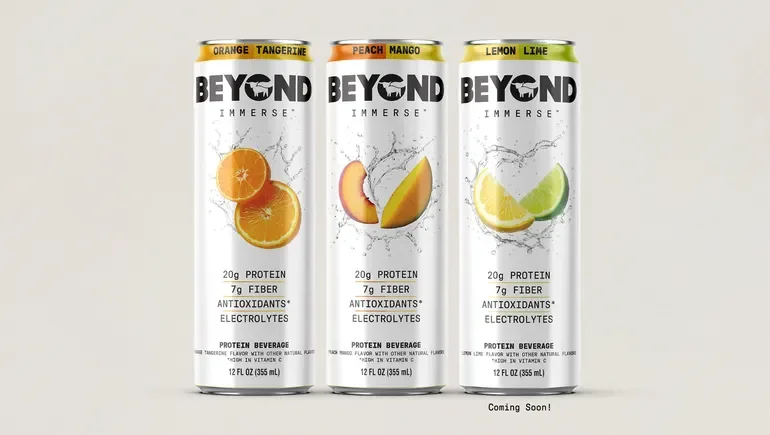
Beyond Meat is expanding into beverages with Beyond Immerse, a limited-time sparkling drink line featuring plant-based protein (10g or 20g per can), 7g fiber, antioxidants and electrolytes, available Jan. 15 on Beyond Test Kitchen in peach mango, lemon lime and orange tangerine. The launch aims to capitalize on protein-beverage demand as the plant-based meat category cools, with the company signaling broader diversification ahead.
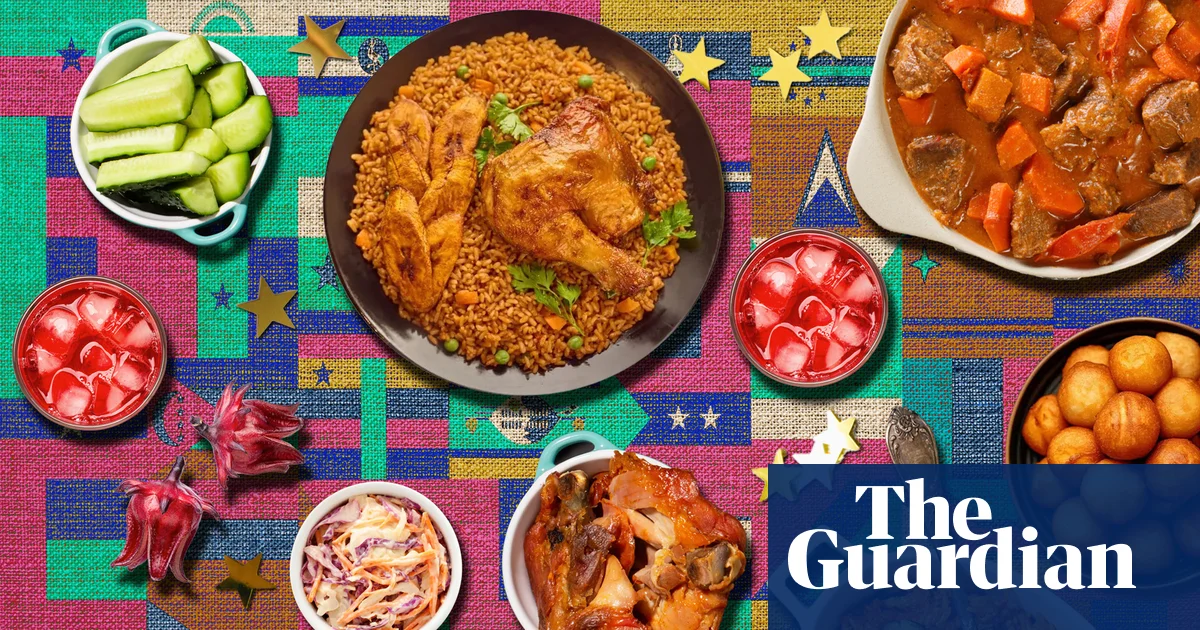
The article explores how Christmas food and drink traditions across the African diaspora reflect familial and communal identities, highlighting diverse dishes like jollof rice, plantains, and hibiscus drinks, and emphasizing the cultural significance of gathering and shared history during the holiday season.
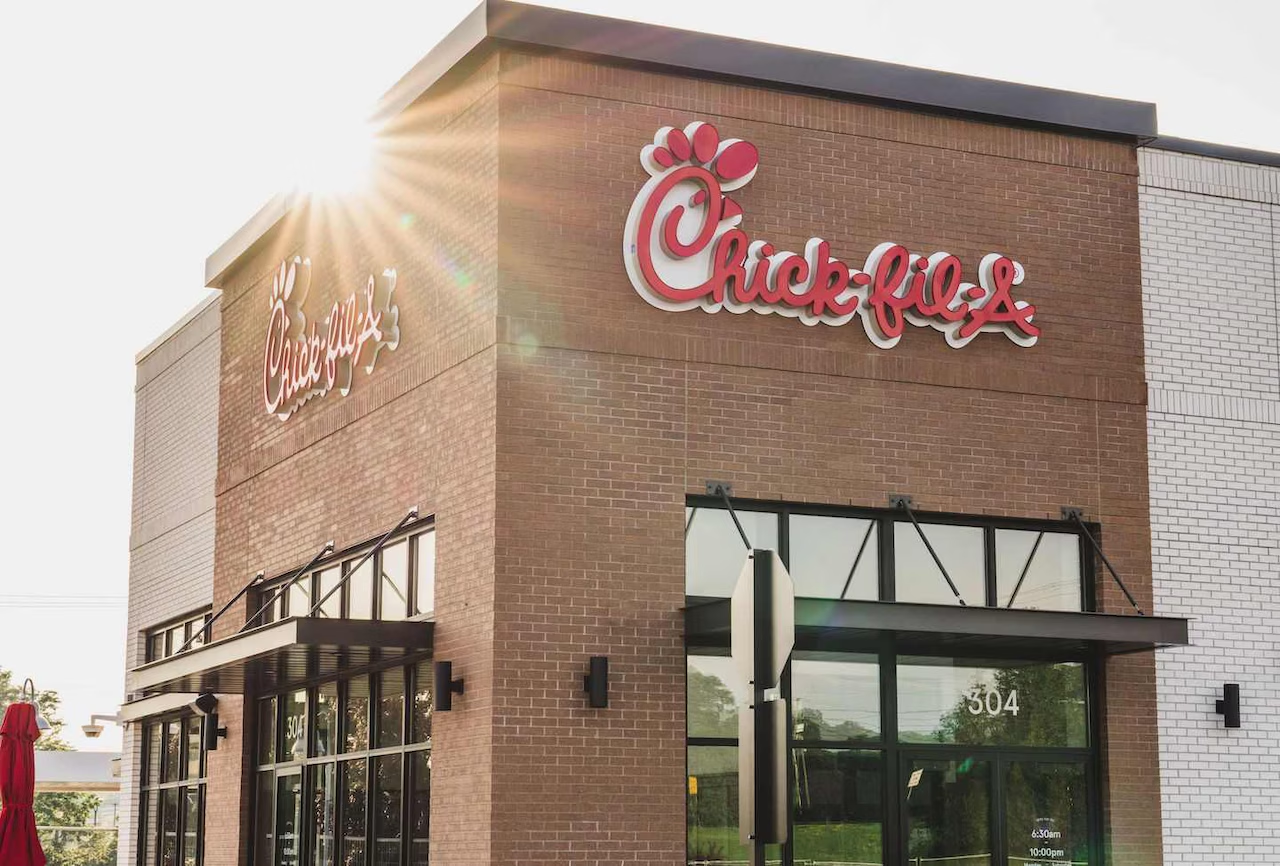
Chick-fil-A has expanded into the coffee and beverage industry with the opening of Daybright Coffee and Refreshment in Hiram, Georgia, offering specialty coffees, fruit juice fizzes, baked goods, and more, while remaining closed on Sundays.
This article explores five beverages beyond green tea—coffee, coconut water, pomegranate juice, black tea, and kefir—that support brain health by providing key nutrients like antioxidants, magnesium, and probiotics, which enhance cognitive function, protect neurons, and regulate mood.
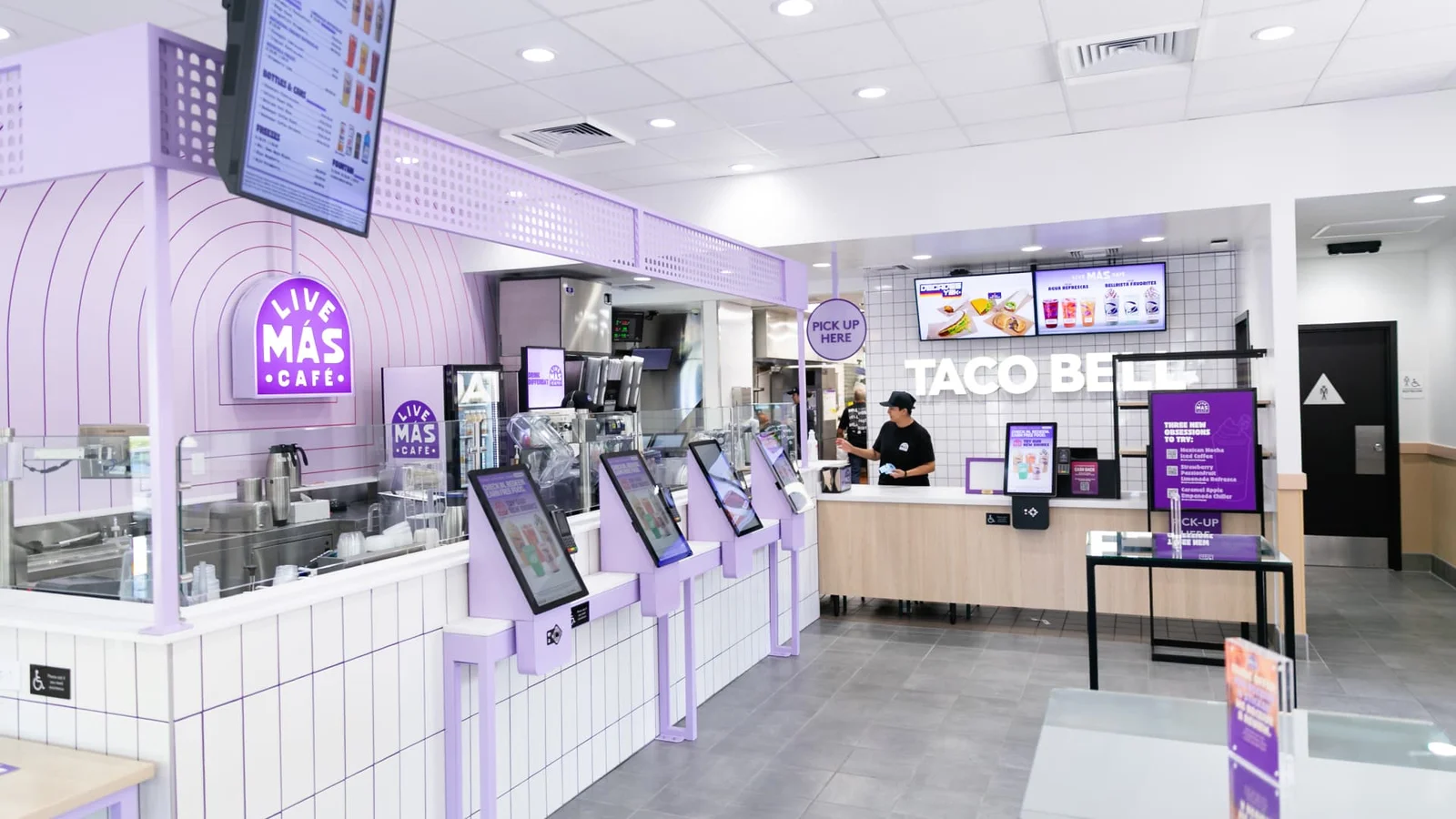
Taco Bell is expanding its focus on beverages with the new Live Más Café concept, aiming to attract younger customers and grow its drink sales to $5 billion by 2030. The concept features a variety of innovative drinks inside existing restaurants, with strong sales performance in its initial locations indicating a successful strategy to capitalize on the growing trend of beverage innovation among Gen Z and millennials.
Keurig Dr Pepper plans to unwind its 2018 merger by acquiring Peet's Coffee for $18 billion and then splitting into two separate companies focused on coffee and cold beverages, aiming to enhance agility and growth in their respective markets.
Keurig Dr Pepper plans to unwind its 2018 merger by acquiring Peet's Coffee for $18 billion and then splitting into two separate companies focused on coffee and cold beverages, aiming to enhance growth and market focus amid changing consumer preferences.
Keurig Dr Pepper is close to an $18 billion deal to acquire European coffee company JDE Peet’s, which could lead to a breakup of the current merger between Keurig and Dr Pepper, focusing on separating their coffee and soft drinks units to unlock value, amid challenges in the coffee segment and strategic shifts in their portfolio.
Contrary to popular belief, several drinks often considered 'bad' can actually fit into a weight loss plan, including dairy milk, soy milk, 100% pomegranate juice, naturally sweetened coffee, and low-calorie sodas, when consumed mindfully. The key is to monitor calorie and sugar content, and choose nutrient-rich options that promote satiety and hydration, making it possible to enjoy a variety of beverages while working towards weight loss goals.
A large study found that consuming sugar through drinks like soda and fruit juice significantly increases the risk of developing type 2 diabetes, whereas sugar in whole foods does not pose the same risk, highlighting the importance of how sugar is consumed.