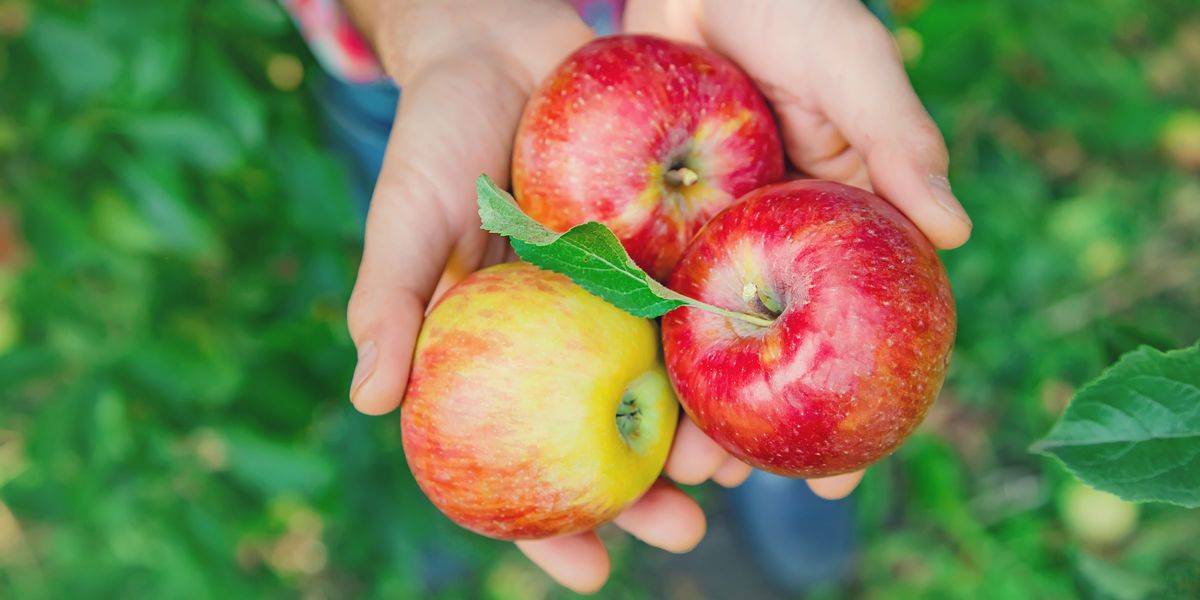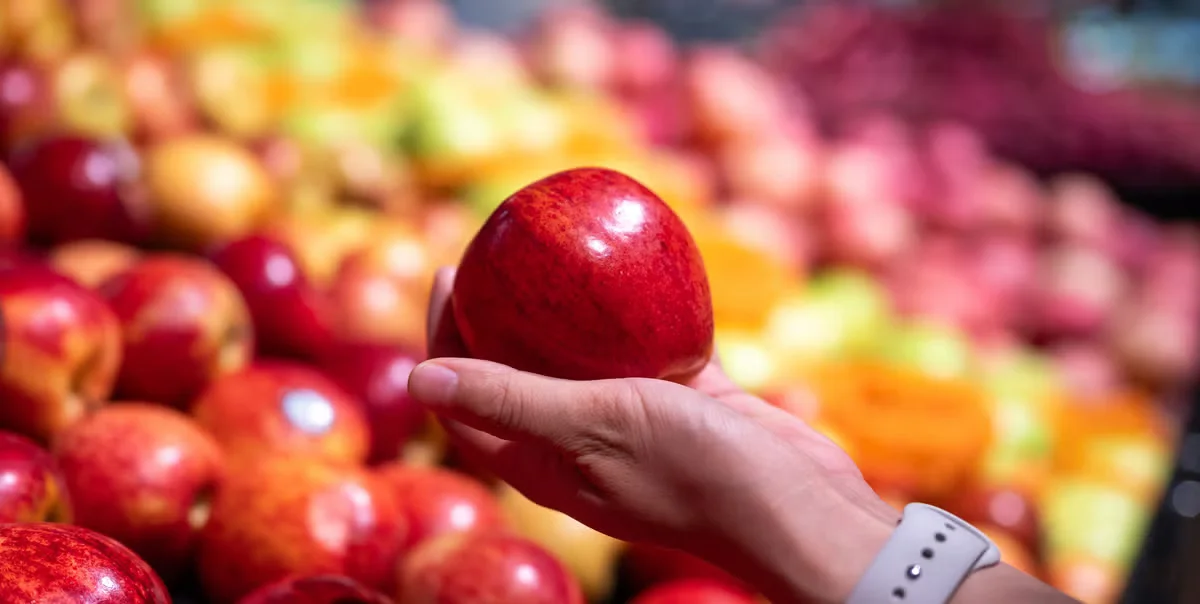
Eating a Honeycrisp apple daily for a week improved the author's digestion, stabilized energy levels, and boosted mood, highlighting the health benefits of regular fruit consumption, especially fiber and antioxidants, while noting some individuals should be cautious due to digestive sensitivities.
Certain fruits like blueberries, cranberries, apples, red grapes, and pomegranates can naturally support kidney health by reducing inflammation, oxidative stress, and preventing kidney stones, thereby helping to protect and boost kidney function.
Eating apples regularly is associated with various health benefits, such as reducing the risk of type 2 diabetes and lowering cholesterol, largely due to their rich phytochemicals and antioxidants. However, the idea that an apple a day alone can prevent doctor visits is oversimplified; overall healthy eating habits are more impactful. Consuming the peel and choosing ancient varieties may maximize benefits, but apples should be part of a balanced, plant-rich diet for optimal health.
Health experts highlight the benefits of flavonoid-rich foods, particularly apples, in managing blood pressure and promoting gut health. Flavonoids, found abundantly in apple skins, help relax blood vessel walls and enhance gut bacteria diversity, which can improve cardiovascular health. Additionally, these compounds may reduce inflammation and lower the risk of type 2 diabetes. Experts recommend consuming a variety of flavonoid-rich foods, such as apples, berries, and dark chocolate, to maximize health benefits.
A UK study published in Nutrition & Diabetes found that consuming flavonoid-rich foods and drinks like green tea, berries, and apples can significantly lower the risk of Type 2 diabetes. Participants who consumed six servings of these foods daily had a 28% reduced risk compared to those who ate just one serving. The study highlights the benefits of specific flavonoids on sugar metabolism, inflammation, and organ function, supporting increased fruit consumption to mitigate diabetes risk.
Dr. Emily Leeming, a scientist and dietitian, suggests that affordable apples can have a significant impact on gut health, containing probiotic fiber and polyphenols that feed and support the gut microbiome. She emphasizes that consuming probiotic foods like apples can be just as effective as pricey probiotic products, and warns against the unregulated marketplace for probiotic supplements. Additionally, she highlights the benefits of a plant-rich diet for gut health and suggests that further research is needed to understand the impact of soil health on the microbe content of fruits and vegetables.
Dr. Emily Leeming, a scientist and dietitian, suggests that affordable apples can have a significant impact on gut health due to their probiotic fiber and polyphenols, making them just as effective as pricey probiotic products. She advises that consuming probiotic foods and supplements can improve various aspects of health, but emphasizes the importance of a diet rich in plants for gut health. Leeming also warns about the unregulated probiotic supplement market and the need for further research on the microbial content of organic versus non-organic fruits and vegetables.
Nutrition experts discuss the health benefits of apples and oranges, highlighting their distinct nutritional profiles and potential contributions to heart health and overall well-being. Both fruits offer immune-boosting nutrients, with apples containing quercetin and oranges providing abundant vitamin C. Research suggests that incorporating both fruits into your diet may lower the risk of cancer, diabetes, and heart disease. Ultimately, incorporating a variety of fruits, including both apples and oranges, into your diet is the best approach to reap the diverse array of nutrients and heart health benefits they offer.
A gut health expert on Instagram highlighted the numerous health benefits of apples, including their fiber content, phytochemicals, and probiotics. While apples can be a beneficial component of a preventive health care regimen, they are just one part of a balanced diet that should include a variety of nutrient-dense foods. Moderation and overall dietary choices play a crucial role in maintaining overall health, and consuming the recommended servings of fruits and vegetables is important for a well-rounded diet.
Health experts weigh in on the age-old saying "an apple a day keeps the doctor away," highlighting the benefits of incorporating apples into a balanced diet for overall well-being. Apples are rich in immune-boosting vitamins, antioxidants, gut-healthy nutrients, and are beneficial for heart health. However, while apples can contribute to a healthier diet, they are not a cure-all and should be part of a diverse fruit and vegetable intake. Whole apples are recommended over processed forms like juice or applesauce, and consuming two to three servings of fruit per day is advised for maximum benefits.
Apples are a nutritious and versatile fruit, with various types offering unique health benefits. While all apples are beneficial, those with darker colors like Red Delicious are rich in antioxidants, while Pink Lady and McIntosh apples are high in vitamin C, and Honeycrisp and Granny Smith are good sources of fiber. Eating apples raw and unpeeled maximizes their nutritional benefits. They are high in fiber, vitamin C, and quercetin, which may reduce the risk of cardiovascular disease. Granny Smith apples have the least sugar, making them a good choice for those managing blood sugar levels. Incorporating apples into various dishes and snacks can help increase their consumption and provide a range of health benefits.
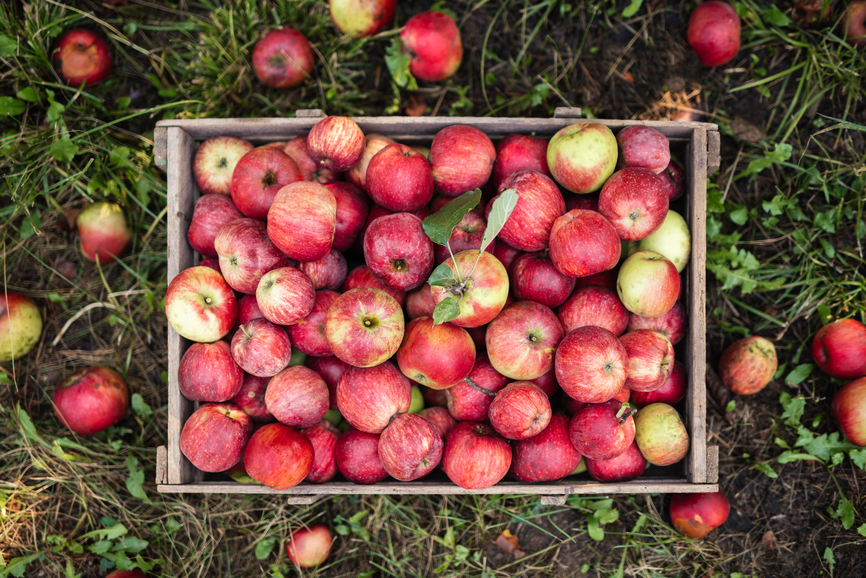
Due to an oversupply of apples caused by bumper crops, export declines, and weather-related issues, many apple growers in the United States were left without a market for their harvest. However, a relief program in West Virginia purchased $10 million worth of apples from local growers and donated them to hunger-fighting charities across the country. The Farmlink Project, a nonprofit, played a significant role in distributing the surplus apples. Following West Virginia's program, the USDA announced an additional $100 million purchase to alleviate the apple surplus in other states. Despite these efforts, many growers have already left their apples to rot as the harvest season comes to an end.
This sharp cheddar apple quick bread recipe combines the tangy flavor of cheddar cheese with the sweetness of apples, creating a perfectly balanced and satisfying treat. The recipe includes common ingredients like all-purpose flour, baking powder, butter, sugar, mayonnaise, shredded apples, and shredded sharp cheddar cheese. The bread is moist thanks to the addition of mayonnaise, which can be substituted with eggs if desired. The bread can be enjoyed on its own as a breakfast or snack, or served as a side dish with brunch. Leftovers can be stored in an airtight container for up to three days or frozen for up to three months. It can be served with butter, apple butter, or other jams, and pairs well with charcuterie boards. The choice of apple and whether to peel them is up to personal preference.
Recipe developer Tanika Douglas shares her irresistible Salted Caramel and Toasted White Chocolate Apple Bark recipe. The dessert features caramelized white chocolate as the base, with the addition of crunchy pretzels, tart green apples, and a sprinkle of flaky sea salt. The bark is set in the refrigerator to intensify the flavors, resulting in a decadent and delicious treat. Optional toppings include chopped nuts, shredded coconut, dried cranberries, and citrus zest.
As apples reach their peak in the fall, explore new varieties and try out delicious apple recipes. From buttermilk-almond pancakes with maple-glazed apple slices to apple, cabbage, and maple-glazed walnut slaw with apple cider dressing, and apple sour cream coffee cake with gingersnap topping, these recipes showcase the versatility and flavors of apples. Don't miss out on the opportunity to enjoy the crispness, juiciness, and unique flavors of different apple varieties this season.