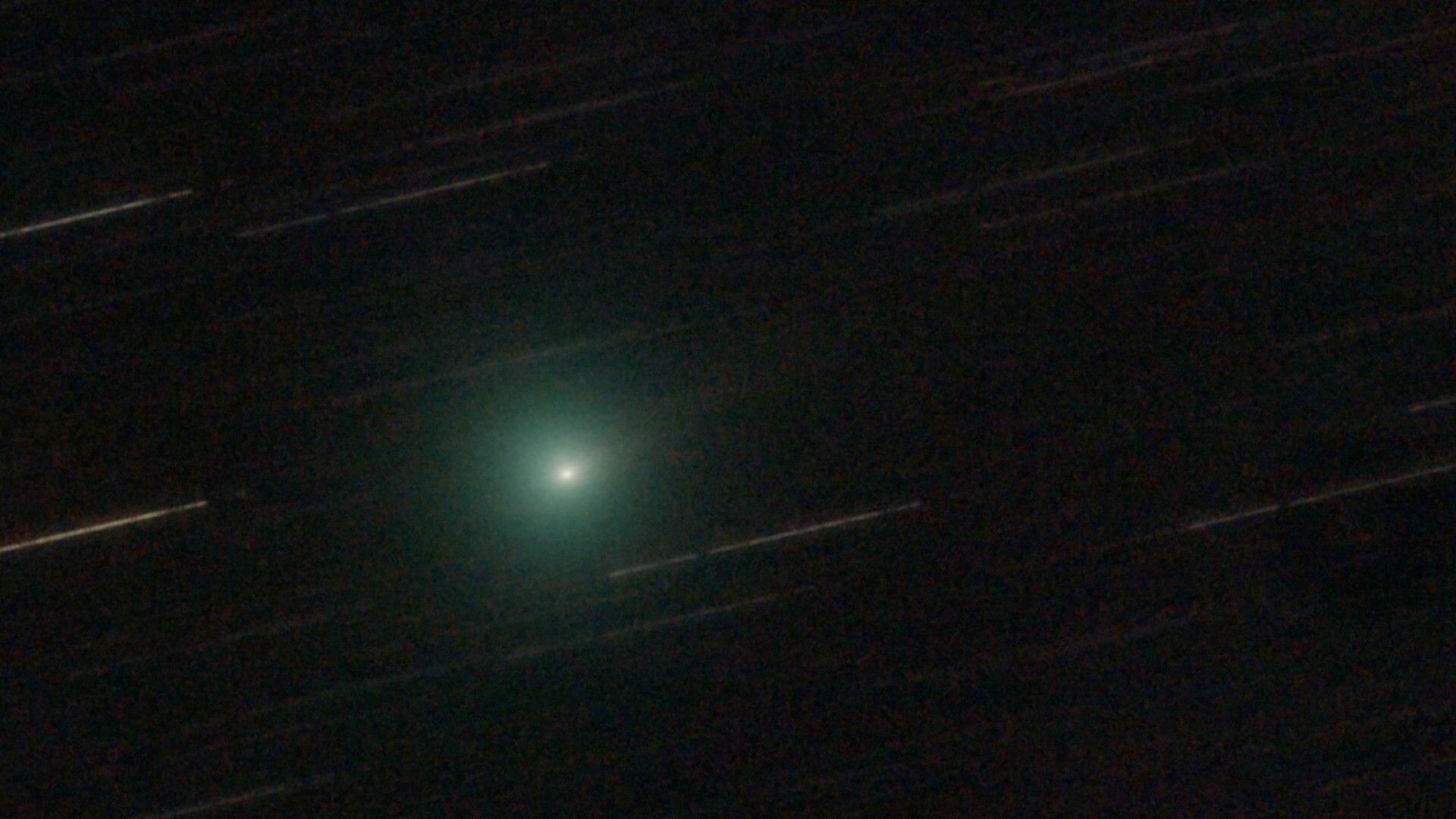
Comet 24P/Schaumasse will reach its closest approach to the sun on January 8, but its current brightness level makes it invisible to the naked eye, requiring a telescope for observation, especially under dark sky conditions.
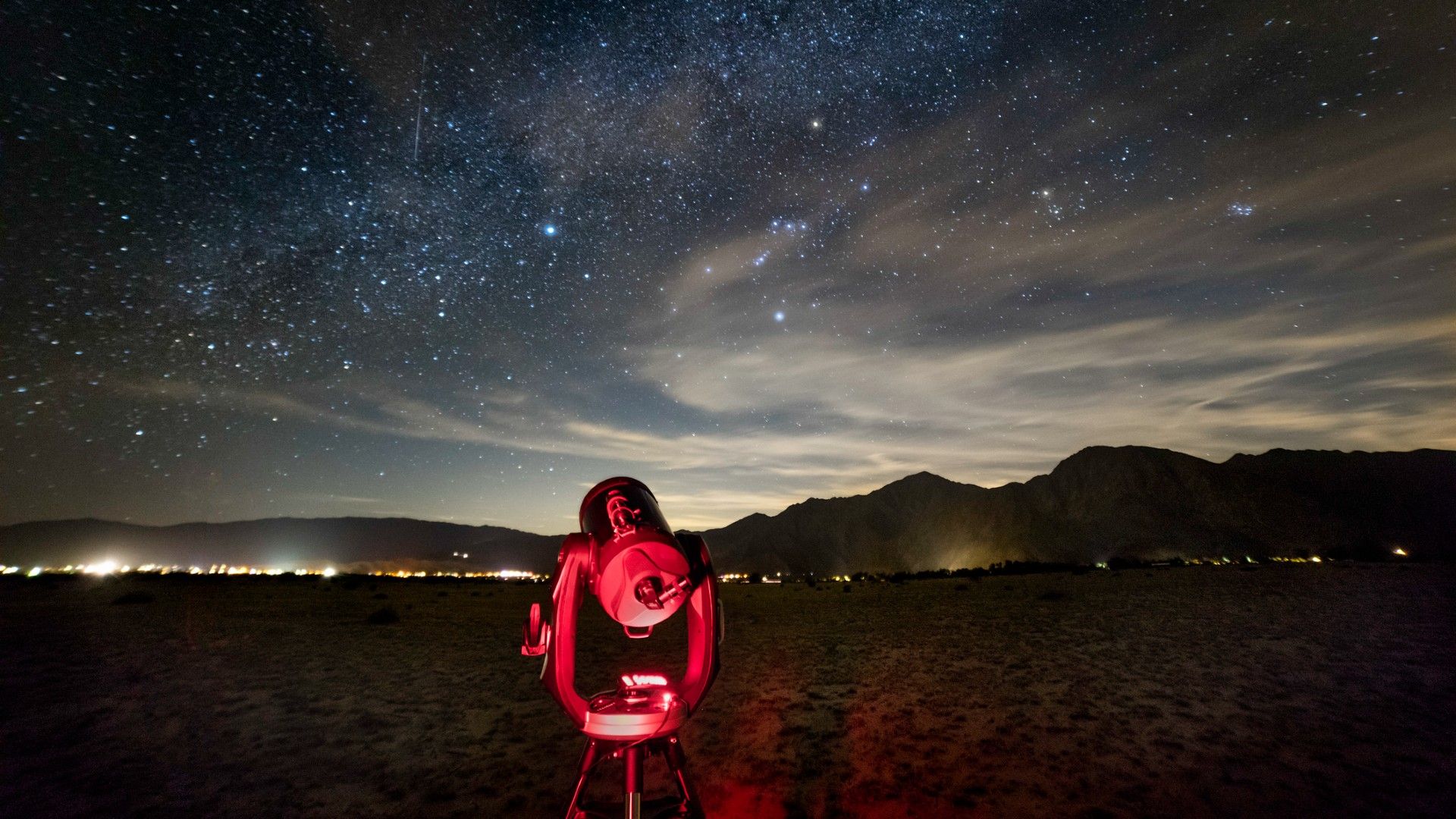
In January, only Jupiter and Saturn are visible to the naked eye, with Jupiter reaching opposition on Jan. 10 and shining brightly, while Venus, Mercury, and Mars are hidden behind the sun for most of the month. The best viewing times are around these events, with Jupiter being the highlight of the month.
For those laid off, updating your LinkedIn profile with strategic tweaks can increase your chances of catching the attention of recruiters and landing your next job faster.
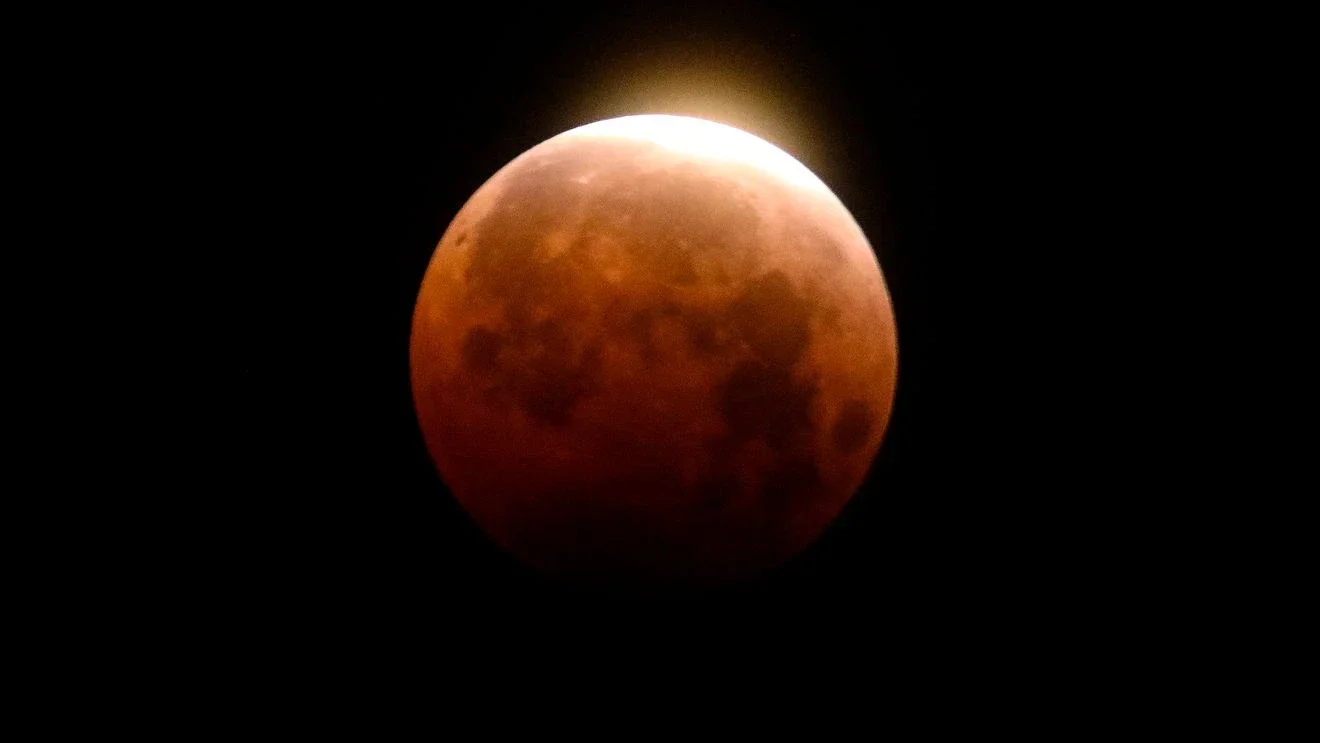
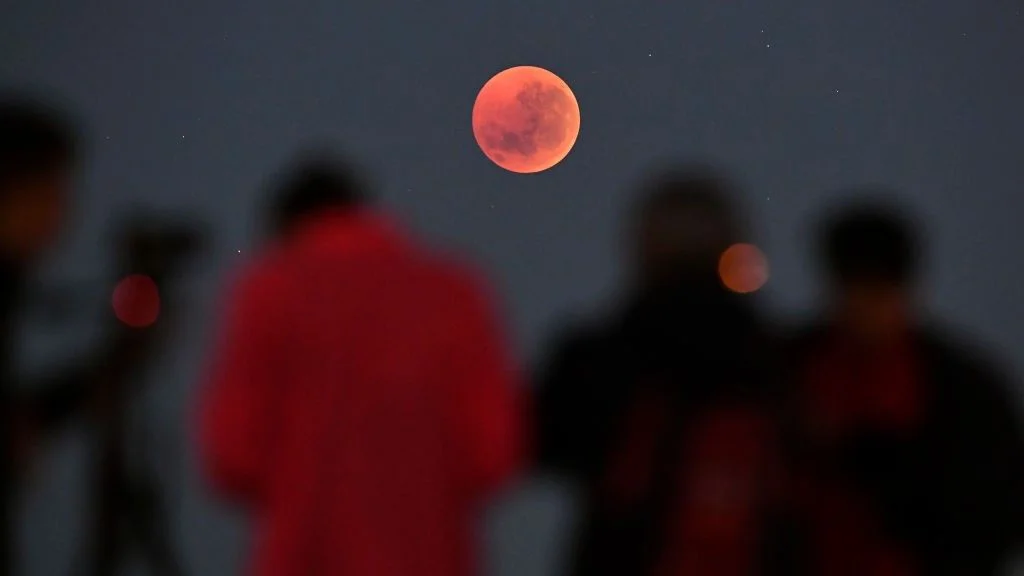
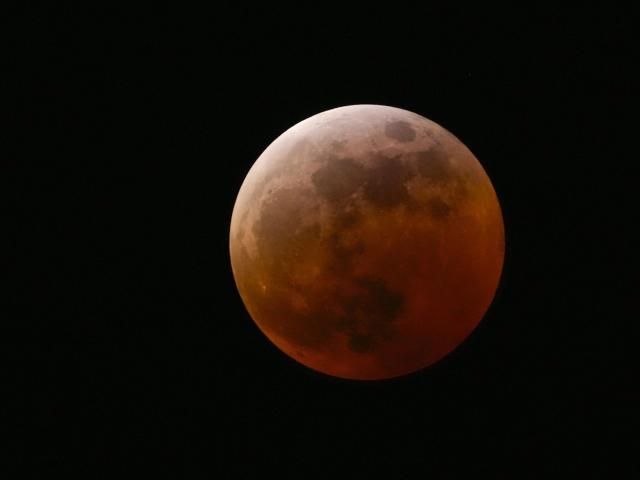
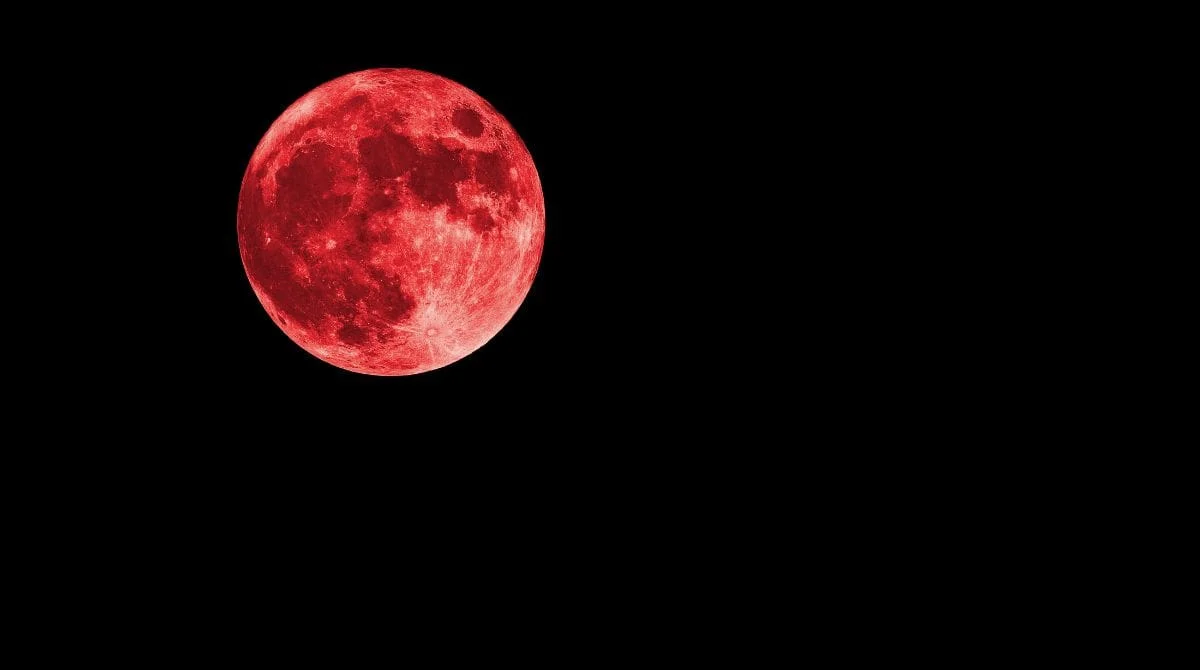
There will be no lunar eclipse visible from Raleigh or most of North America tonight due to the Moon's position below the horizon, with the event only observable in Asia. The next lunar eclipse visible from Raleigh will occur on March 3, 2026, and a total solar eclipse will pass through Raleigh on May 11, 2078.
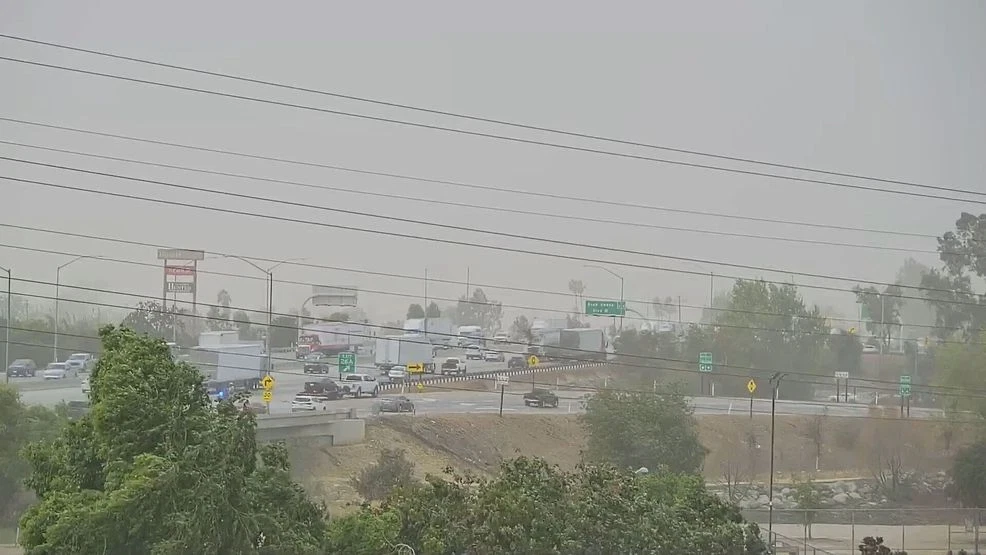
A dust and wind storm swept through Bakersfield, causing low visibility on highways and damaging trees, with authorities reporting blocked lanes and ongoing weather concerns.
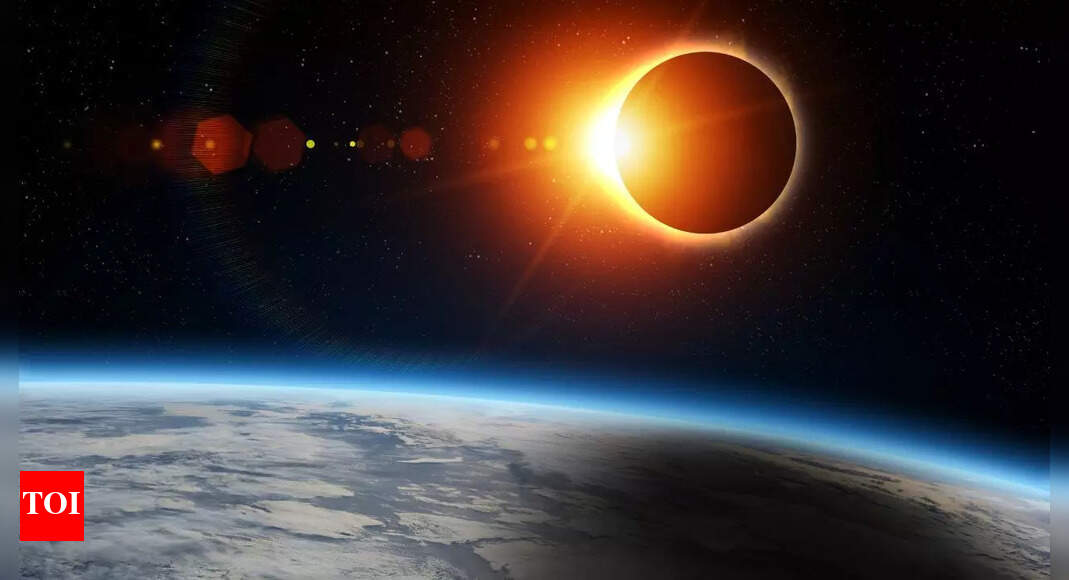
The last solar eclipse of 2025 will occur on September 21, primarily visible from eastern Australia, New Zealand, Antarctica, and parts of the South Pacific, and will be a partial eclipse lasting from late night to early morning in those regions, highlighting a significant celestial event for skywatchers and scientists alike.
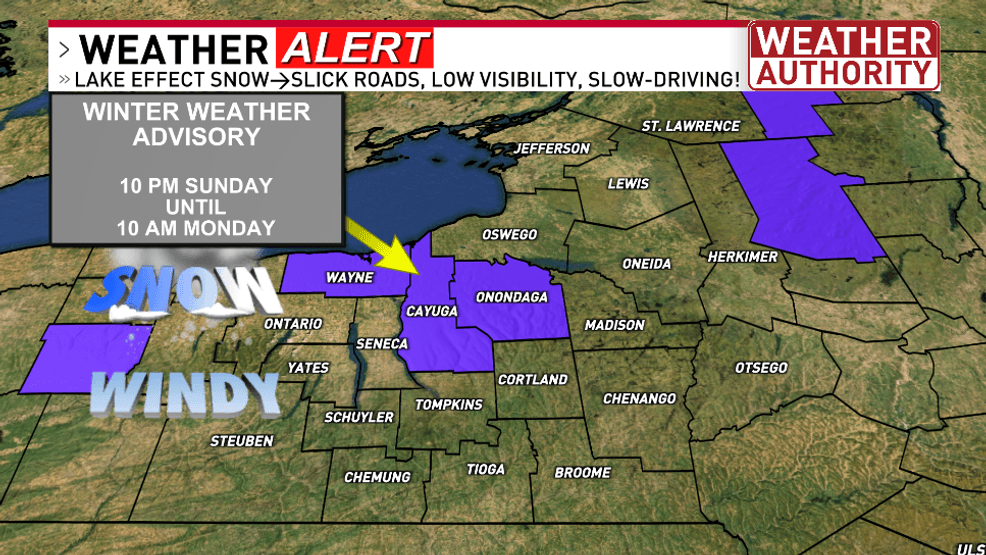
Lake effect snow is expected to impact Central New York, including Syracuse, from now until Tuesday, causing snow-covered and slippery roads, particularly in Wayne, Cayuga, and Onondaga counties. The cold air crossing the Great Lakes is contributing to the snowfall, with significant accumulations expected overnight and throughout Monday. The weather will remain cold and windy, with additional light snowfall possible later in the week.
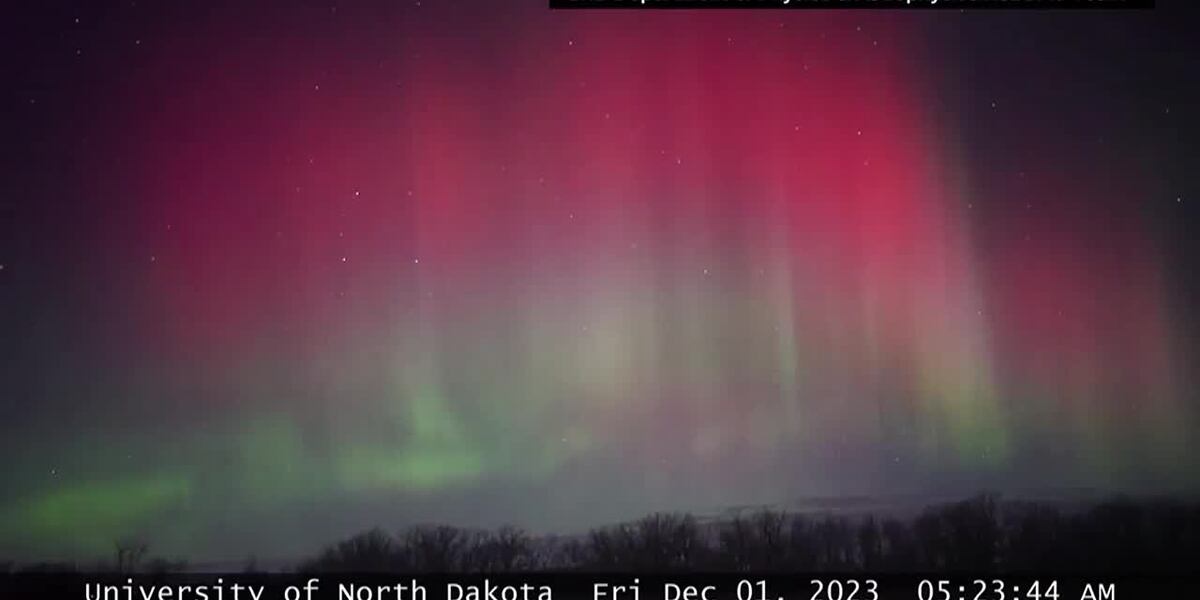
The National Oceanic and Atmospheric Administration (NOAA) forecasts that the northern lights will be visible from November 19 to 21 in Alaska, northern Montana, North Dakota, and Minnesota, with potential sightings in parts of Washington, Idaho, Wisconsin, and Michigan. This occurrence is not due to a geomagnetic storm.
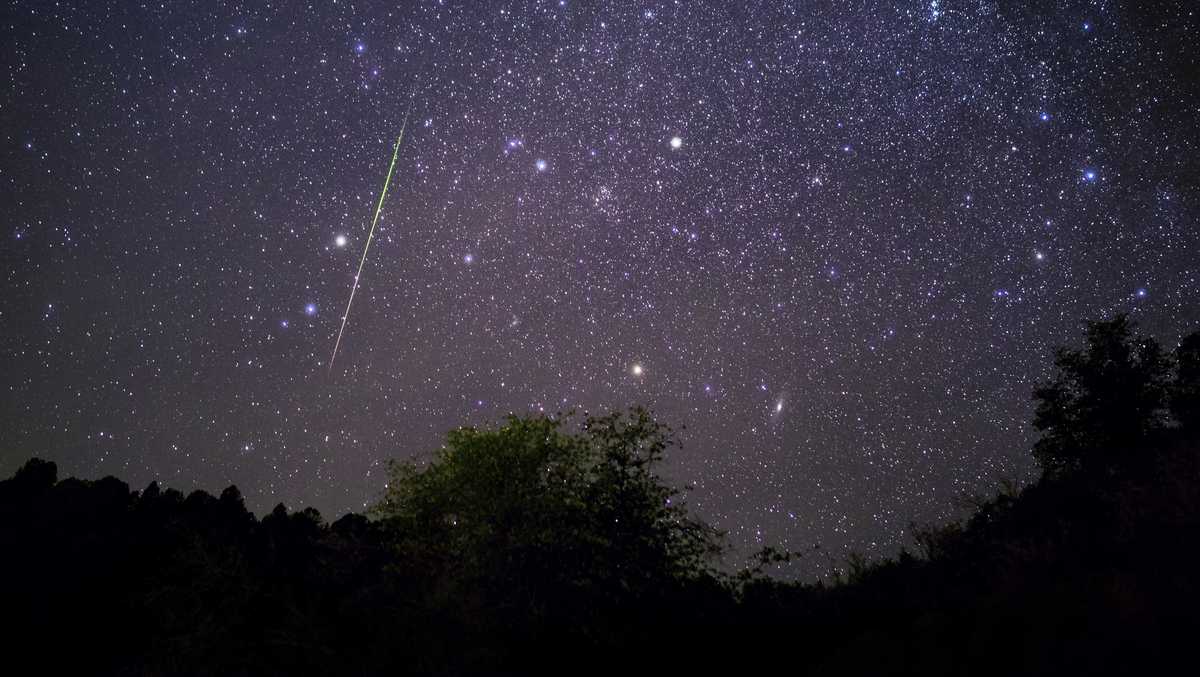
The Leonid Meteor Shower peaked on Monday morning, offering 10-15 meteors per hour, but can still be viewed in the coming nights. However, visibility may be affected by a bright waning gibbous moon and occasional cloud cover. Optimal viewing times are from midnight to dawn, and viewers should allow 20 minutes for their eyes to adjust to the darkness.
Many NCAA women's basketball stars, including Notre Dame's Hannah Hidalgo and South Carolina's MiLaysia Fulwiley, didn't grow up watching the game due to lack of visibility and promotion. However, with increased spotlight and accessibility, more fans are joining the bandwagon, and the talent level's ascension has garnered more excitement and recognition for the women's game, leading to generational fandom and increased fan engagement.
The "Devil Comet," officially known as 12/P Pons-Brooks, will be visible in Wisconsin for the first time in 71 years from mid-March to mid-April, with the best viewing time on April 21. This 10-mile-wide comet, known for its unique appearance resembling devil horns, is a Halley-type comet that flares up as it approaches the sun. It can be seen with binoculars or a telescope just after sunset, located south and to the left of Jupiter. Although not visible during the upcoming partial solar eclipse on April 8, the comet's visibility will diminish as the sun sets later, making early April the best time for viewing in Milwaukee.
A massive comet, 12P/Pons-Brooks, the size of Mount Everest and visible in the early evening sky until the end of March, is making a close approach to Earth. It is a cryovolcanic comet, erupting with dust, gases, and ice, and will reach perihelion on April 21 before fading rapidly. Astronomers recommend using basic instruments like small telescopes or binoculars to increase visibility, as it will be decades before the comet makes another appearance.
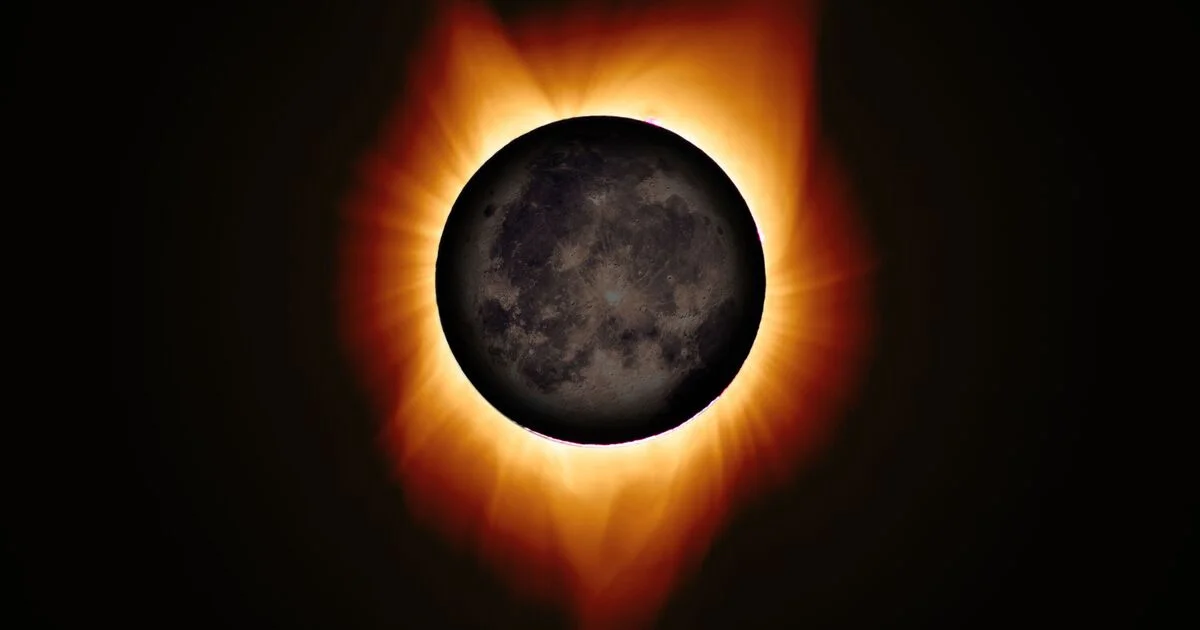
A total solar eclipse will be visible in various parts of Indiana on April 8, with the duration of darkness depending on the location. The eclipse path runs through cities like Bloomington and Indianapolis, and the duration of totality ranges from three to four minutes. The eclipse will occur around 1:45 p.m. in Mount Vernon and 1:52 p.m. in Connersville. Safety precautions for viewers include obtaining eclipse-viewing glasses, planning ahead for traffic and accommodations, and staying alert while driving. The next total solar eclipse visible in the U.S. after this event won't be until August 23, 2044.
A record stretch of thick fog has blanketed the Lower 48 states, causing disruptions in flights, vehicle accidents, and school delays. This advection fog, caused by warm, moist air from the Gulf of Mexico being transported over a layer of cold air near the ground, has led to dense fog advisories affecting nearly a third of the U.S. population and parts of 27 states. The fog outbreak is expected to diminish as a storm system sweeps from the Mississippi Valley to the East Coast by the weekend, increasing winds to mix out the soupy air.
A Dense Fog Advisory is in effect for Southeast Michigan until Thursday morning, with thick fog reducing visibility to a quarter mile or less. Another round of rain is expected to move into Metro Detroit on Thursday, with temperatures reaching the upper 30s. The weekend will be mostly cloudy with a chance of a wintry mix on Sunday, and temperatures are forecasted to climb into the mid to upper 40s by the end of next week.