Tag

Blood Moon

All articles tagged with #blood moon

March 3 blood moon eclipse goes online with free livestreams
astronomy3 hours ago

March 3 blood moon eclipse goes online with free livestreams

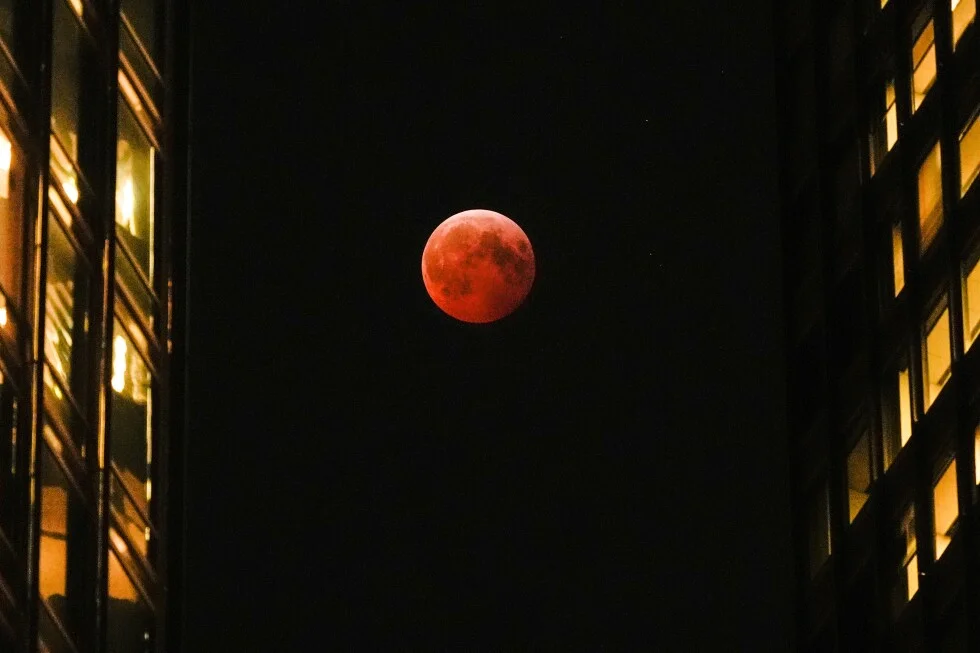
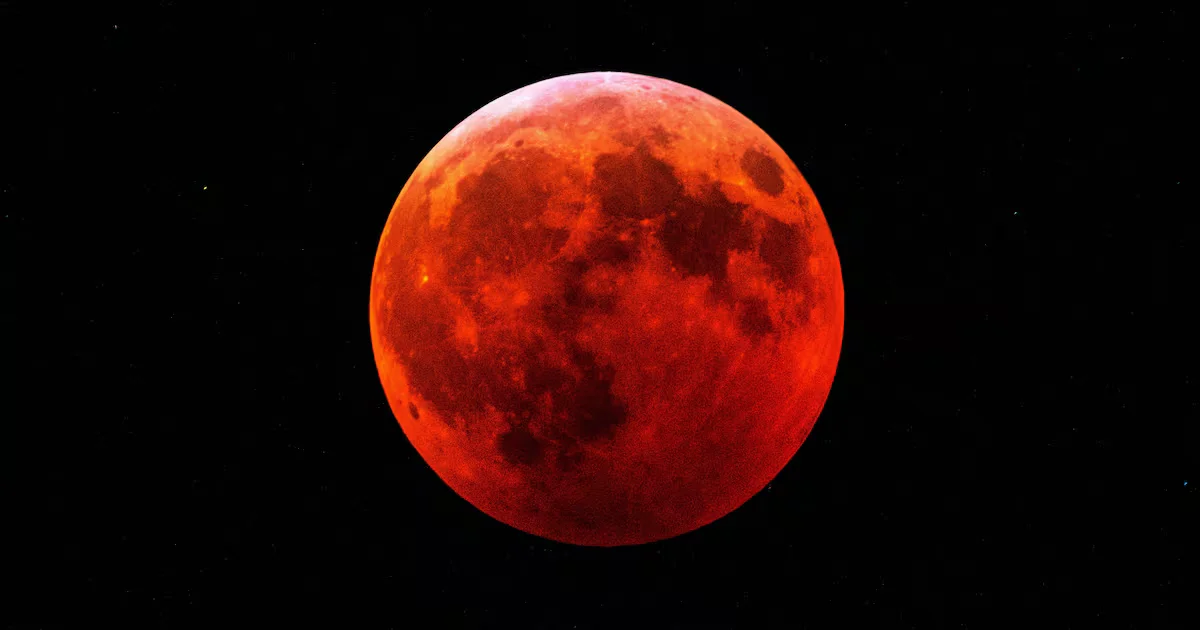
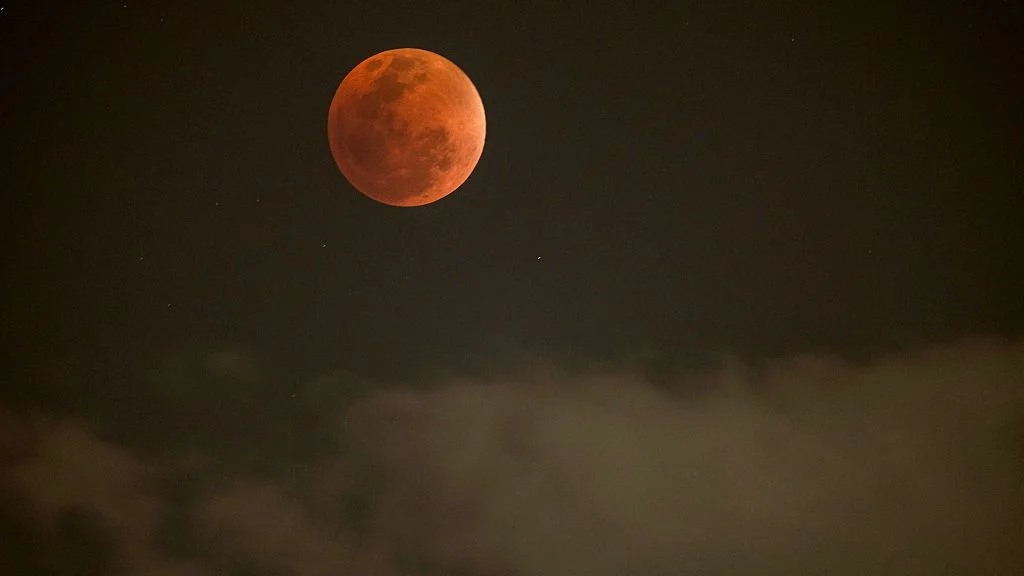
Space.com reports that the March 3 total lunar eclipse—the blood moon—will be visible across the Americas, Asia and Oceania and can be watched for free via three YouTube livestreams: Time and Date LIVE (about 4:30 a.m. EST), the Virtual Telescope Project (about 3:30 a.m. EST), and Griffith Observatory (about 3:37 a.m. EST); if viewing is hindered by weather or location, a live blog offers updates. This will be the last blood moon until New Year’s Eve 2028.
Copper-Hued Blood Moon to Grace Skies Across Three Continents
science9 hours ago

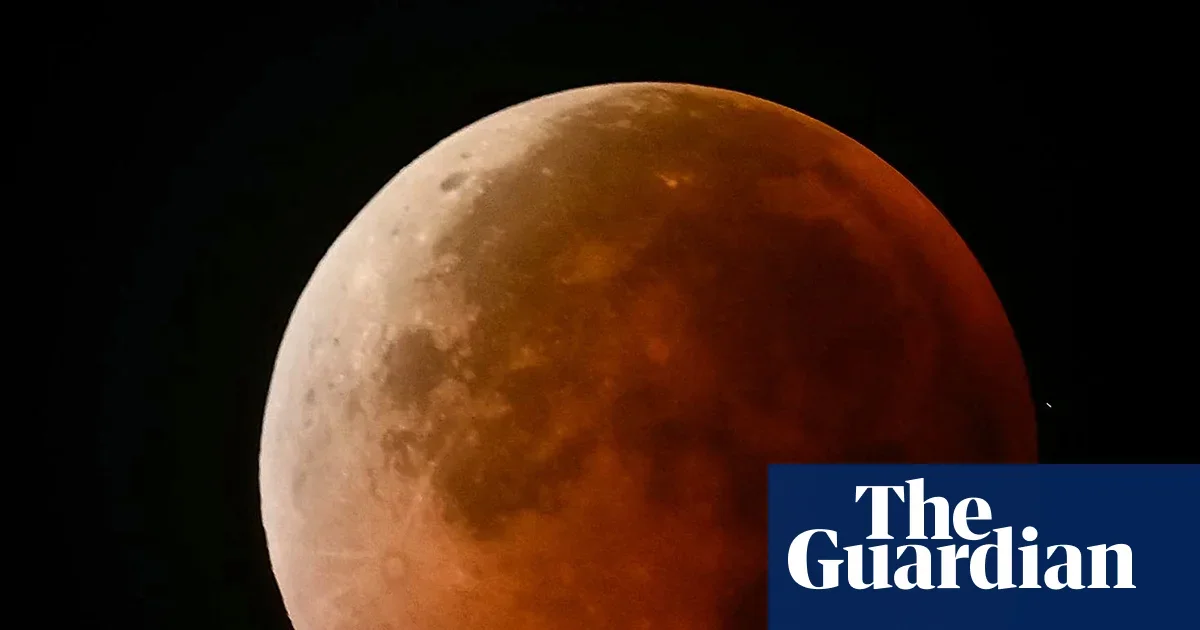
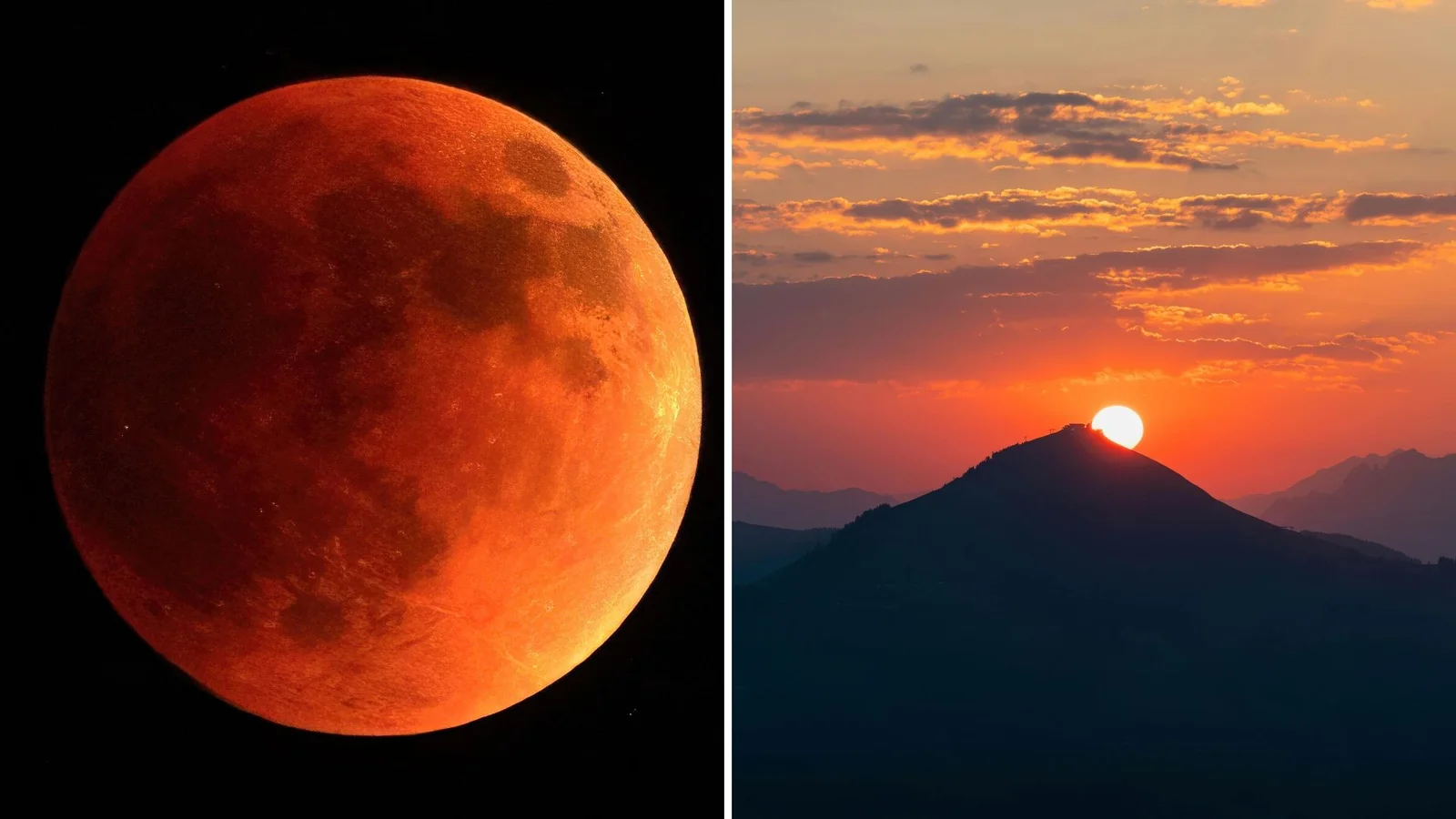
Copper-Hued Blood Moon to Grace Skies Across Three Continents

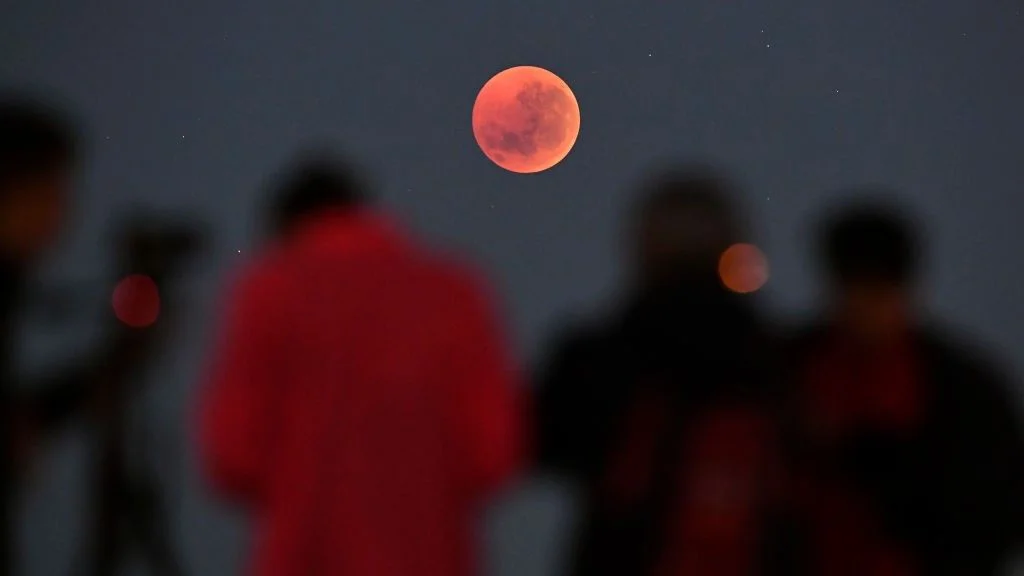
A total lunar eclipse, known as a blood moon, will light up the skies over North America, Australia and New Zealand on Tuesday as Earth's shadow reddens the Moon; viewing times vary by city with dark-sky locations offering the best view, and Jupiter will also be visible nearby. The next total lunar eclipse isn’t until late 2028/2029, and while ancient cultures once read the red Moon as an omen, today it’s celebrated as a striking astronomical event.

Dawn and the Blood Moon: A rare selenelion sight during March 3 lunar eclipse
space1 day ago

Dawn and the Blood Moon: A rare selenelion sight during March 3 lunar eclipse

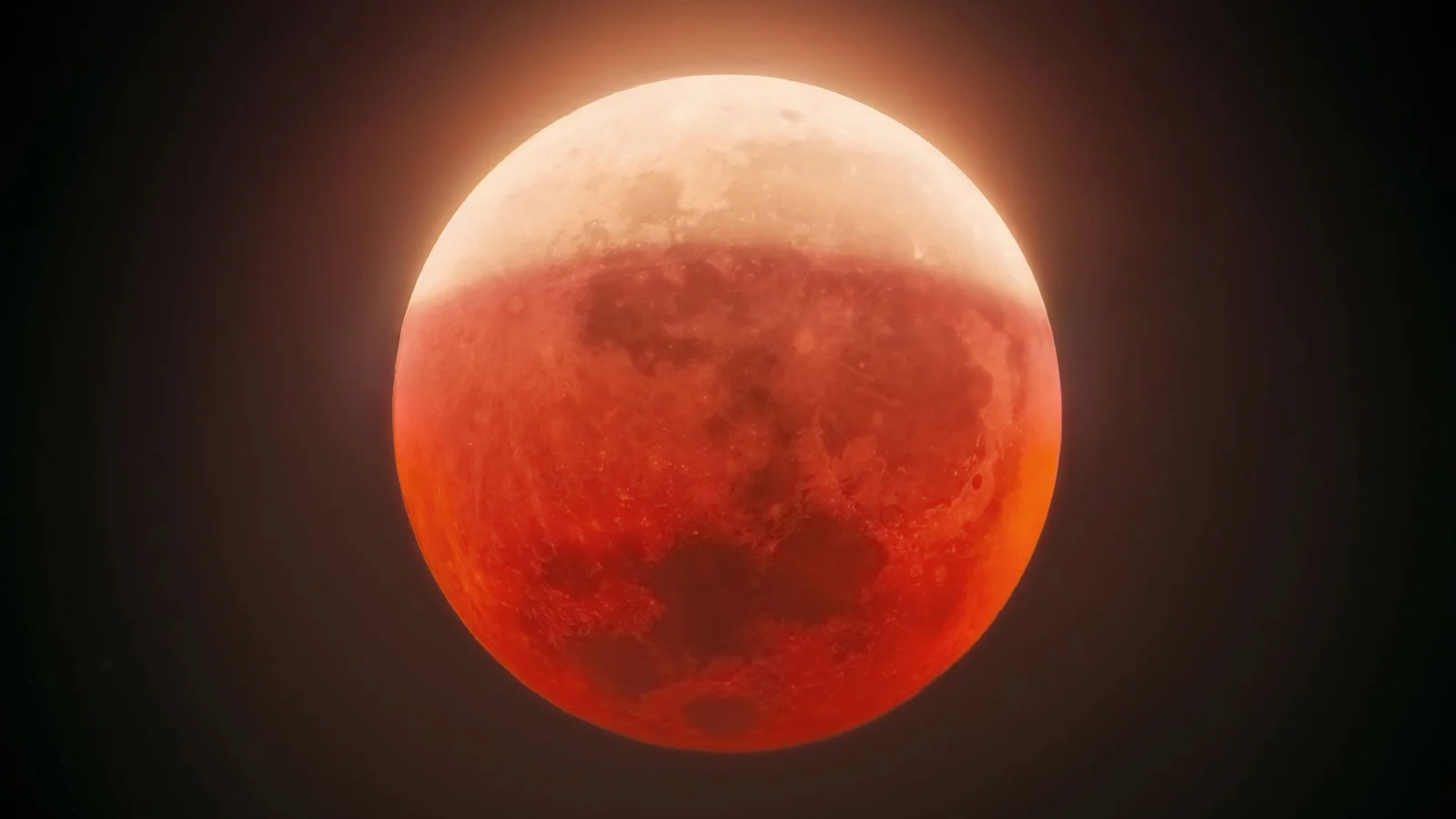
Space.com explains a rare phenomenon called selenelion, where the Sun rises as the Earth’s shadow falls on the Moon, making both visible at the same time due to atmospheric refraction during the March 3 total lunar eclipse (the last until 2028). The total phase lasts about 59 minutes starting at 3:03 a.m. PST. Visibility varies by location: western regions may witness the Moon near or in totality as it sets, while eastern areas can see dawn with the Moon still visible, and a brief 1–3 minute window may occur when both horizons show the Sun and the eclipsed Moon simultaneously. Observers should have clear eastern and western horizons and be mindful that daylight can wash out the Moon depending on conditions.

Skywatchers Brace for March 3 Blood Moon, Last Eclipse Until 2028
science3 days ago

Skywatchers Brace for March 3 Blood Moon, Last Eclipse Until 2028

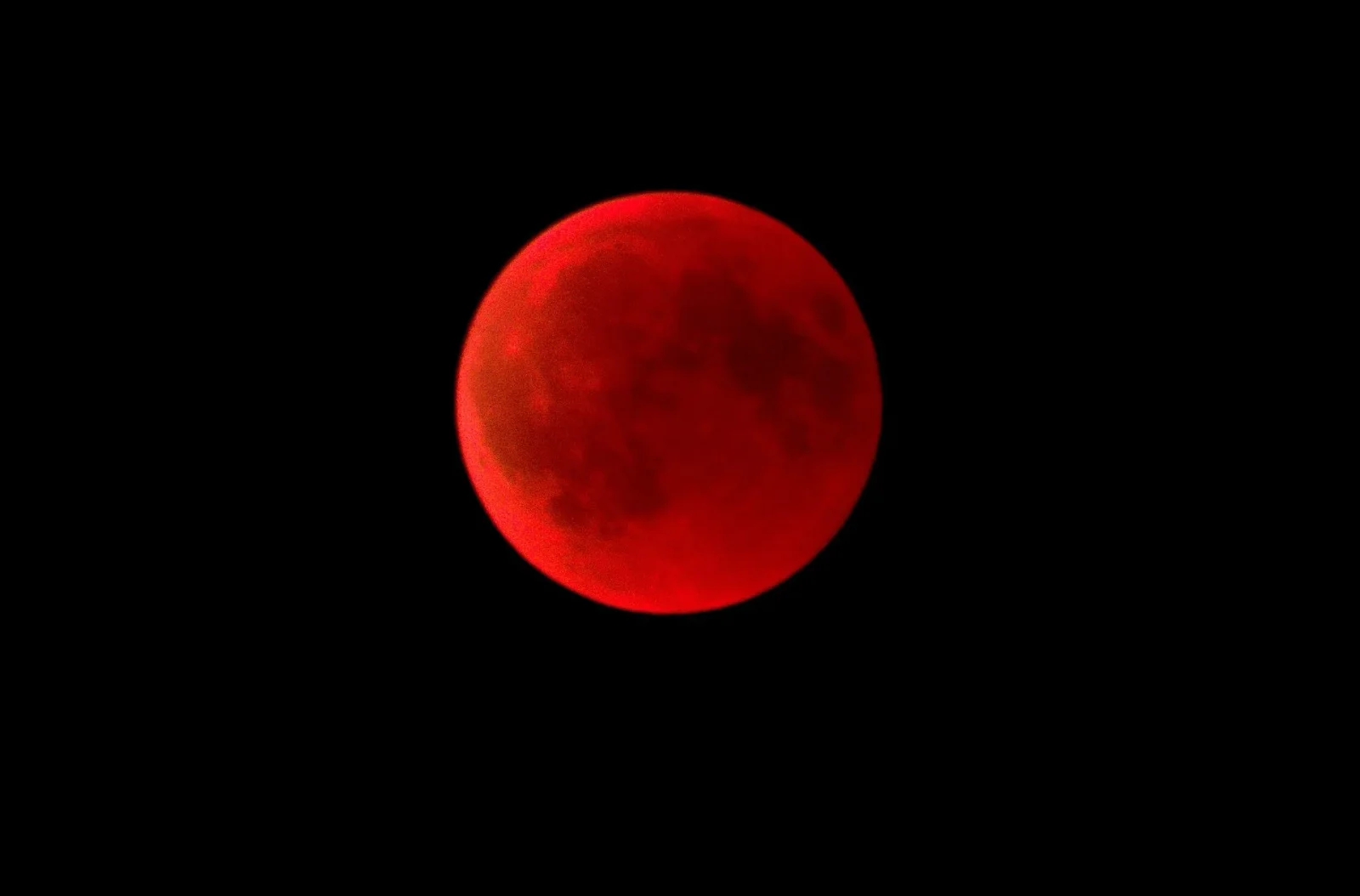
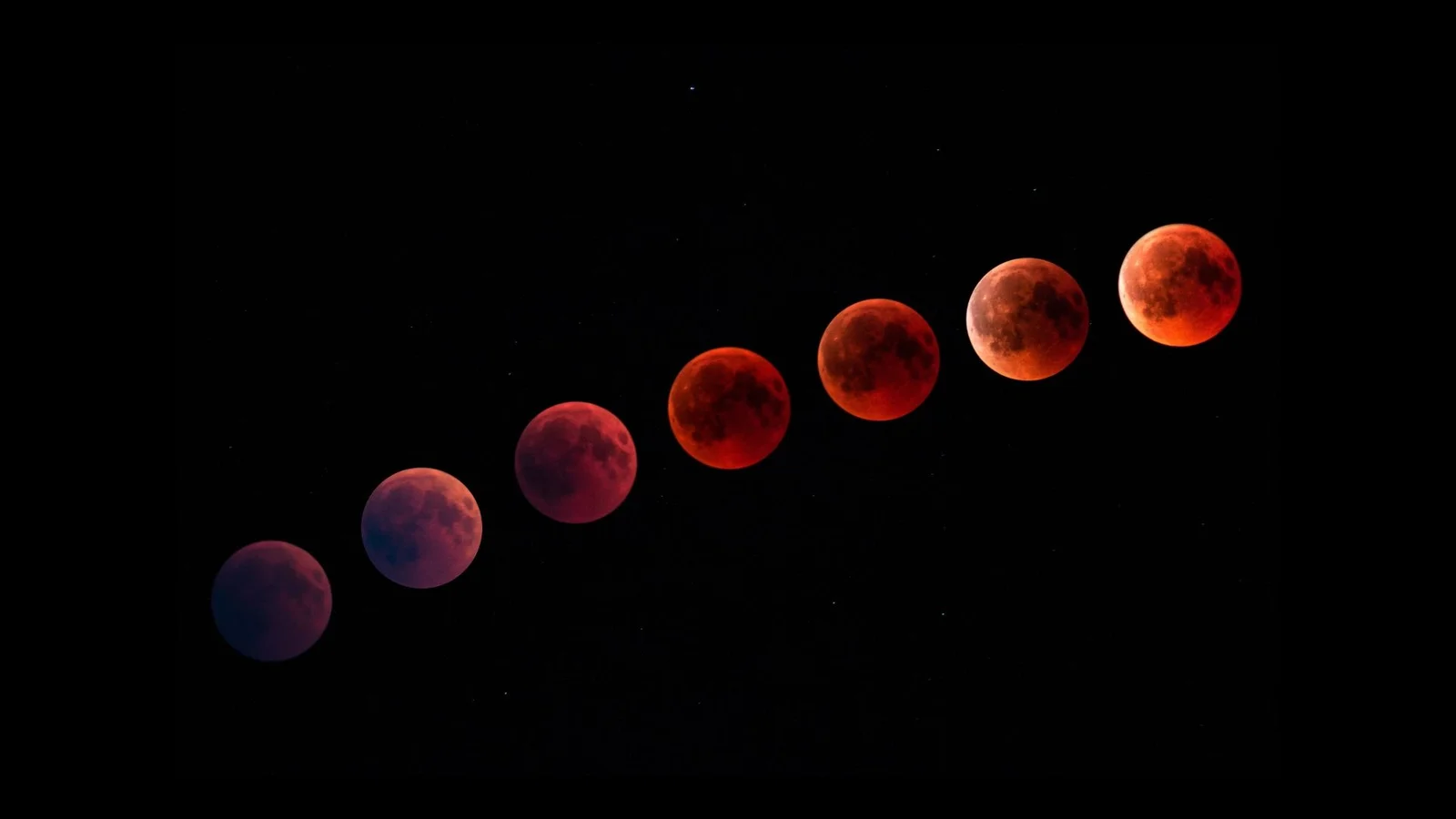
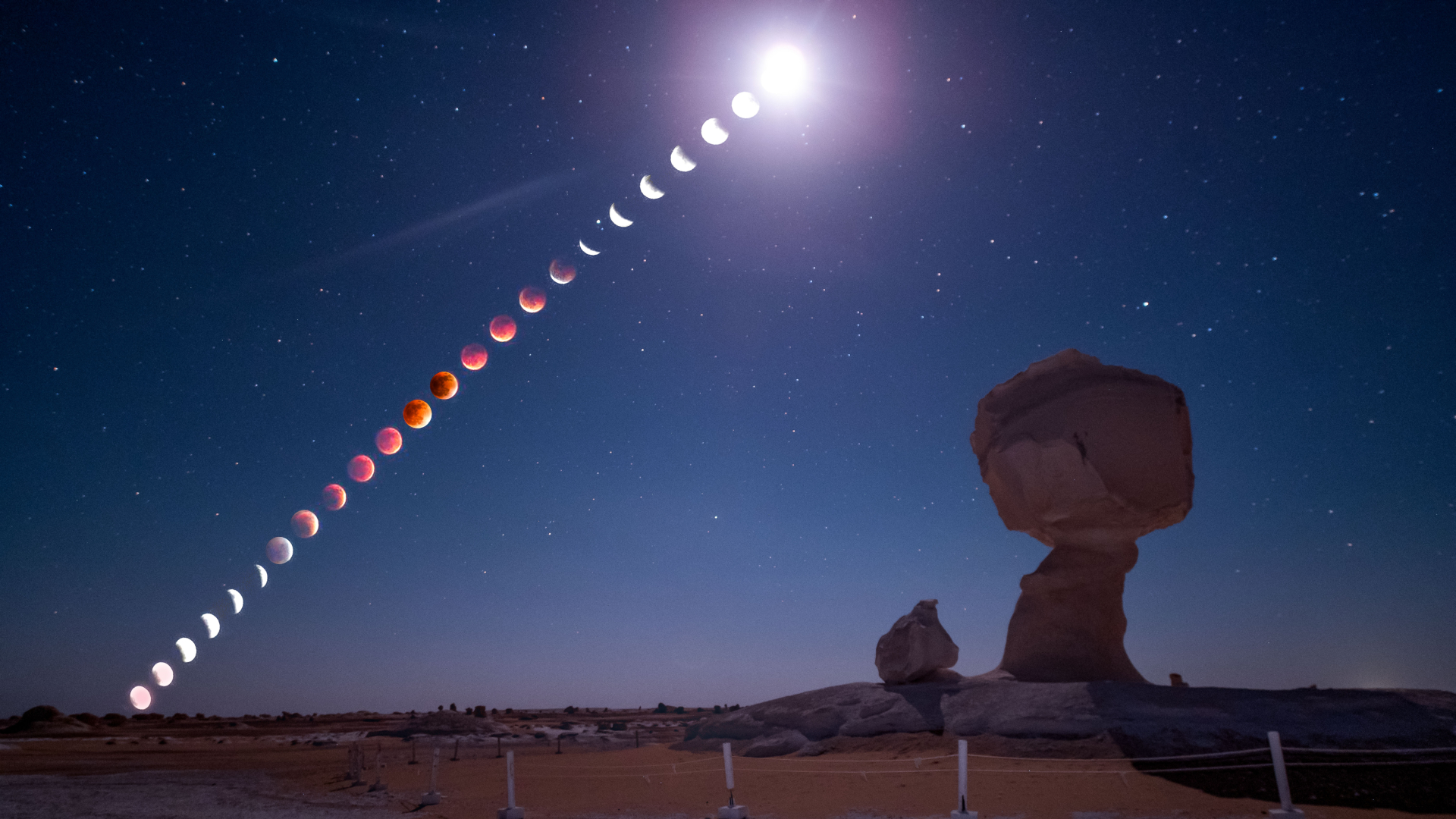
On March 3, 2026, a total lunar eclipse will turn the Moon a deep red—the so-called Blood Moon—and will be visible across the Americas, Australia, and East Asia. It will be the last total lunar eclipse until late 2028. The event occurs when Earth blocks the Sun and scatters sunlight through its atmosphere, with the Moon’s color depending on atmospheric conditions. No special eyewear is needed to view a lunar eclipse. In Pacific Time, the Moon begins entering Earth's shadow around 12:44 am, totality lasts about 58 minutes around 3:04 am, and the whole sequence ends by about 6:23 am.

Copper Moon on March 3: North America Watches the Blood Moon Eclipse
astronomy3 days ago

Copper Moon on March 3: North America Watches the Blood Moon Eclipse

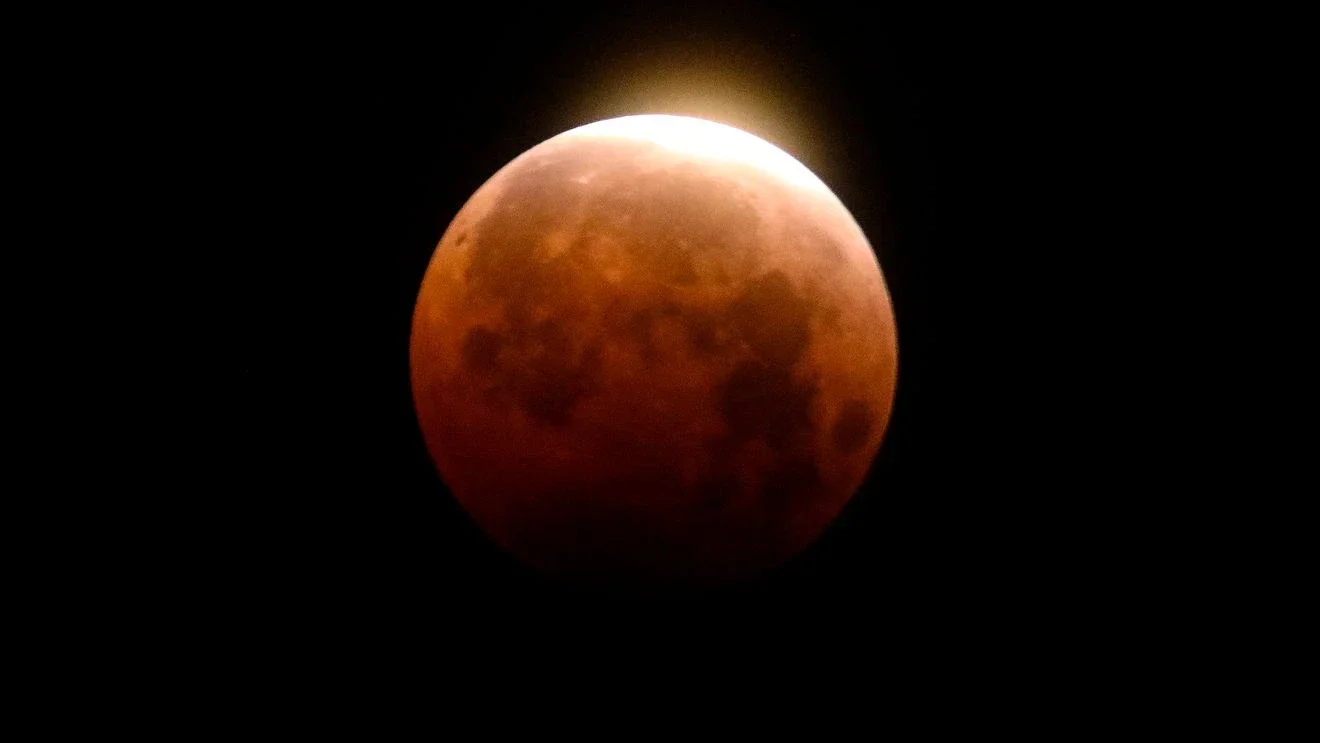
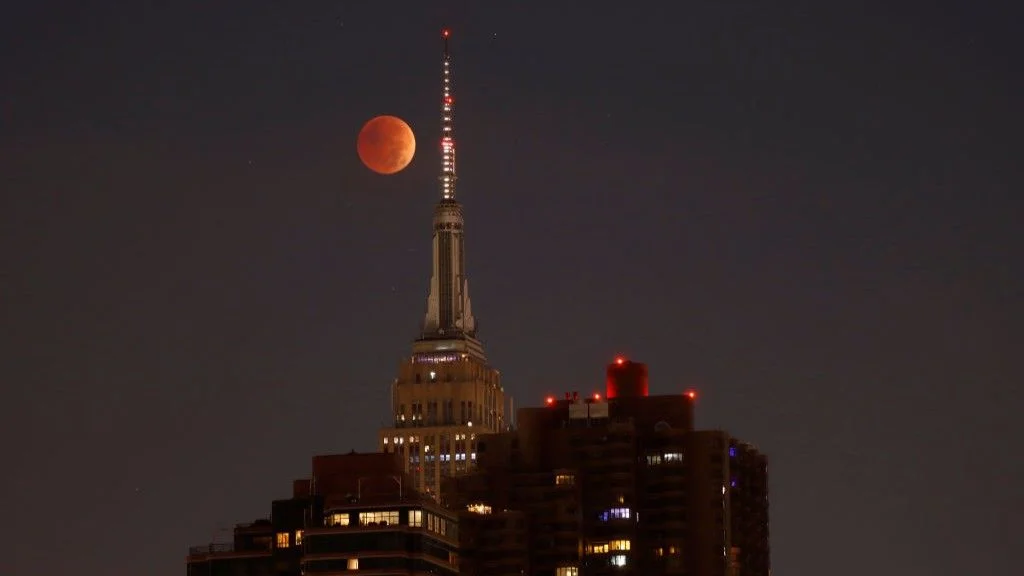
A total lunar eclipse, known as a Blood Moon, will be visible across North America on March 3, 2026, with about 58 minutes of totality as Earth’s shadow reddens the Moon. The penumbral phase starts 12:44 a.m. PST and the event ends around 6:23 a.m. PST; visibility across California depends on weather. The viewing is safe with the naked eye. Griffith Observatory will livestream from 12:37 a.m.–6:25 a.m. PST, and timeanddate.com will offer a YouTube livestream starting at 12:44 a.m. PST. NASA notes this is the first total lunar eclipse visible in the Americas since March 2025, and the next North American total lunar eclipse won’t occur until June 26, 2029.

March 3 Blood Moon: Total Lunar Eclipse Graces U.S. Skies at Dawn
science4 days ago

March 3 Blood Moon: Total Lunar Eclipse Graces U.S. Skies at Dawn

On March 3, a total lunar eclipse—often called a Blood Moon—will be visible across the United States in the early morning, with totality peaking between 6:04 and 7:03 a.m. ET. The eclipse runs from 3:44 a.m. to 9:23 a.m. ET, and the Moon will appear copper-red during totality. The event is viewable with the naked eye, with binoculars or a telescope enhancing detail; best viewing is where the Moon is higher in the sky, particularly in the western U.S.

Blood Moon 2026: how to livestream the March 3 total lunar eclipse
space5 days ago

Blood Moon 2026: how to livestream the March 3 total lunar eclipse

The March 3, 2026 total lunar eclipse—the last “blood moon” visible from North America until 2029—will be livestreamed worldwide. Timeanddate will provide global feeds, while Griffith Observatory in Los Angeles will stream from about 12:47 a.m.–6:25 a.m. PT, with the 58-minute totality occurring roughly 6:04–7:02 a.m. EST (times vary by time zone: CST 5:04–6:02, MST 4:04–5:02, PST 3:04–4:02). The Virtual Telescope Project will curate live broadcasts from multiple sites (Hawaii, LA, Perth, etc.). Viewers outside visible regions can watch online, and the event lasts about 5.5 hours (3:44 a.m.–9:23 a.m. EST).

March 3, 2026 blood moon: prime spots to catch the total lunar eclipse
space5 days ago

March 3, 2026 blood moon: prime spots to catch the total lunar eclipse

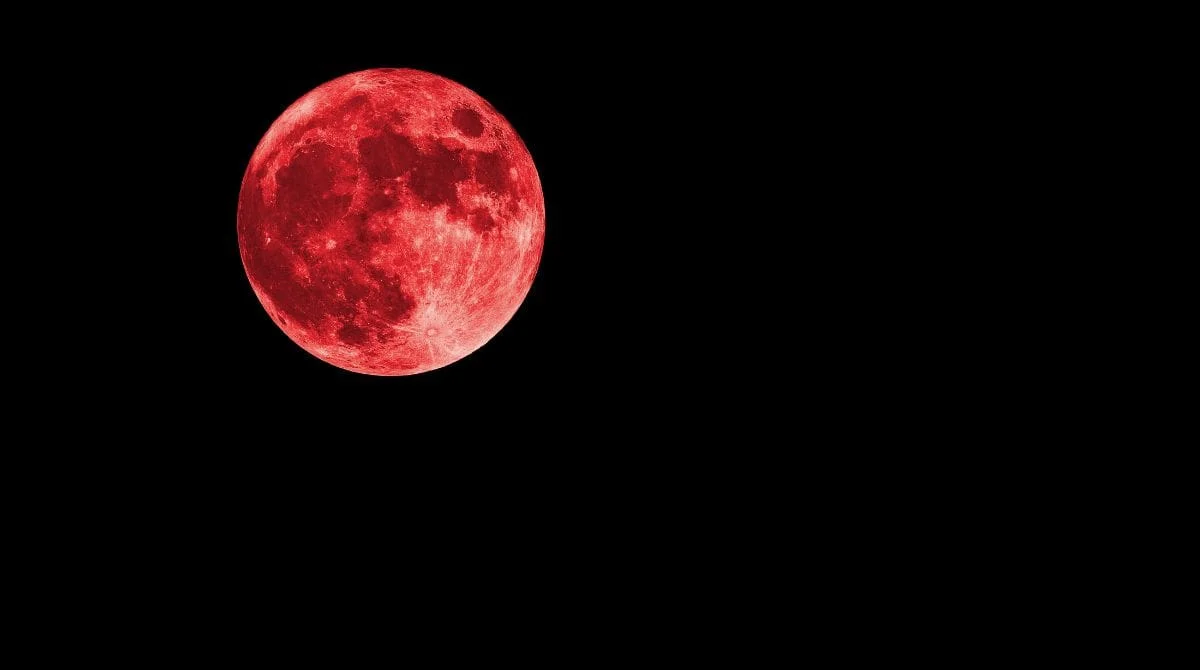
Space.com reports that the March 3, 2026 total lunar eclipse will turn the Moon copper-red (the “blood moon”) and be visible across the night side of Earth, with the best views from western North America, Australia and the Pacific. Totality lasts 58 minutes, from 6:04 to 7:02 a.m. EST, with local times varying by zone; check TimeandDate for your location. Watching is safe with the naked eye.

All eyes on March 3: billions to witness 2026 blood moon during total lunar eclipse
space6 days ago

All eyes on March 3: billions to witness 2026 blood moon during total lunar eclipse

Space.com reports that in about a week a total lunar eclipse will turn the Moon a vivid blood red, visible to billions across the Americas, Europe, Asia and Oceania (weather permitting). Totality lasts about 58 minutes, with penumbra beginning around 3:33 a.m. EST on March 3, umbra entering at 4:50 a.m. EST and totality starting at 6:04 a.m. EST; timings vary by location. The reddish hue comes from Rayleigh scattering in Earth’s atmosphere. Viewers in the US may see different phases depending on where they are, and can check local timings on TimeandDate. Telescopes can enhance the view (e.g., Celestron Inspire 100AZ). The eclipse coincides with March’s full Moon, known as the Worm Moon.

March 3 Blood Moon: How to Catch the Dawn-Visible Total Lunar Eclipse
science7 days ago

March 3 Blood Moon: How to Catch the Dawn-Visible Total Lunar Eclipse

The first major 2026 astronomical event is a total lunar eclipse (the 'blood moon') on March 3. It will be visible in North and Central America, with partial visibility in Central and South Asia, and not visible in Europe or Africa. Totality lasts about 12 minutes near dawn; times vary by location (roughly LA 3:04 am to DC 6:04 am). No special equipment is needed; observe from a high, unobstructed vantage point as the Moon nears the horizon. The red hue comes from sunlight filtered through Earth's atmosphere. Total lunar eclipses occur about every 2.5 years, rarer than solar eclipses.