Tag

Griffith Observatory

All articles tagged with #griffith observatory

Copper Moon on March 3: North America Watches the Blood Moon Eclipse
astronomy2 days ago

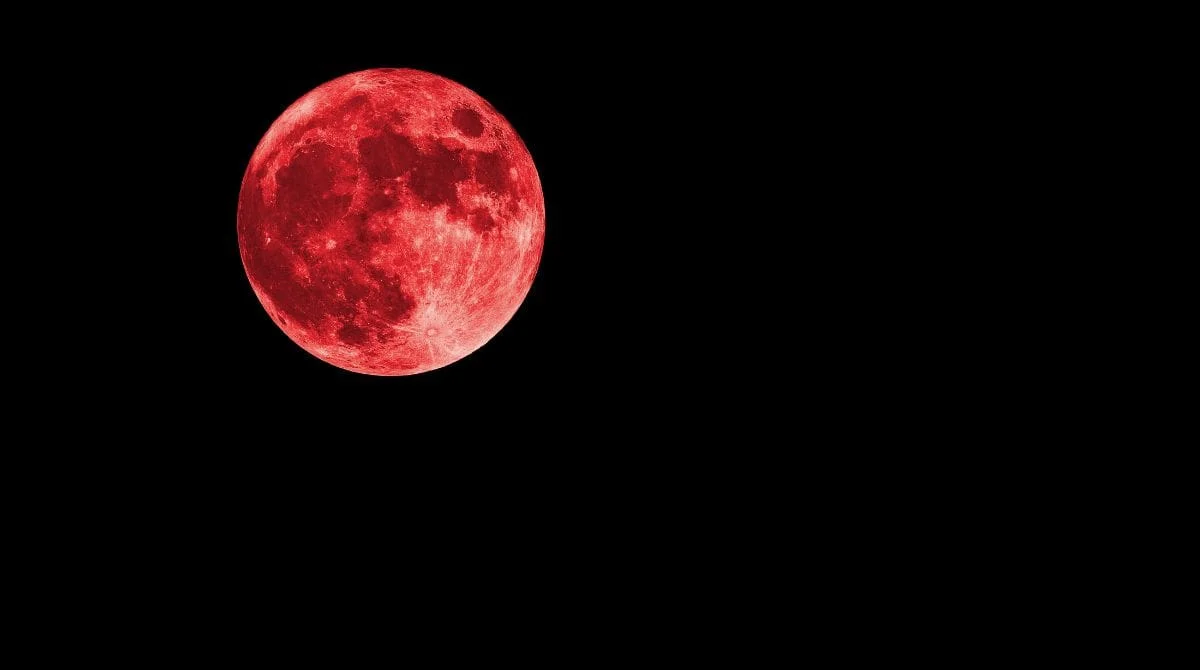
Copper Moon on March 3: North America Watches the Blood Moon Eclipse

A total lunar eclipse, known as a Blood Moon, will be visible across North America on March 3, 2026, with about 58 minutes of totality as Earth’s shadow reddens the Moon. The penumbral phase starts 12:44 a.m. PST and the event ends around 6:23 a.m. PST; visibility across California depends on weather. The viewing is safe with the naked eye. Griffith Observatory will livestream from 12:37 a.m.–6:25 a.m. PST, and timeanddate.com will offer a YouTube livestream starting at 12:44 a.m. PST. NASA notes this is the first total lunar eclipse visible in the Americas since March 2025, and the next North American total lunar eclipse won’t occur until June 26, 2029.
Blood Moon 2026: how to livestream the March 3 total lunar eclipse
space4 days ago

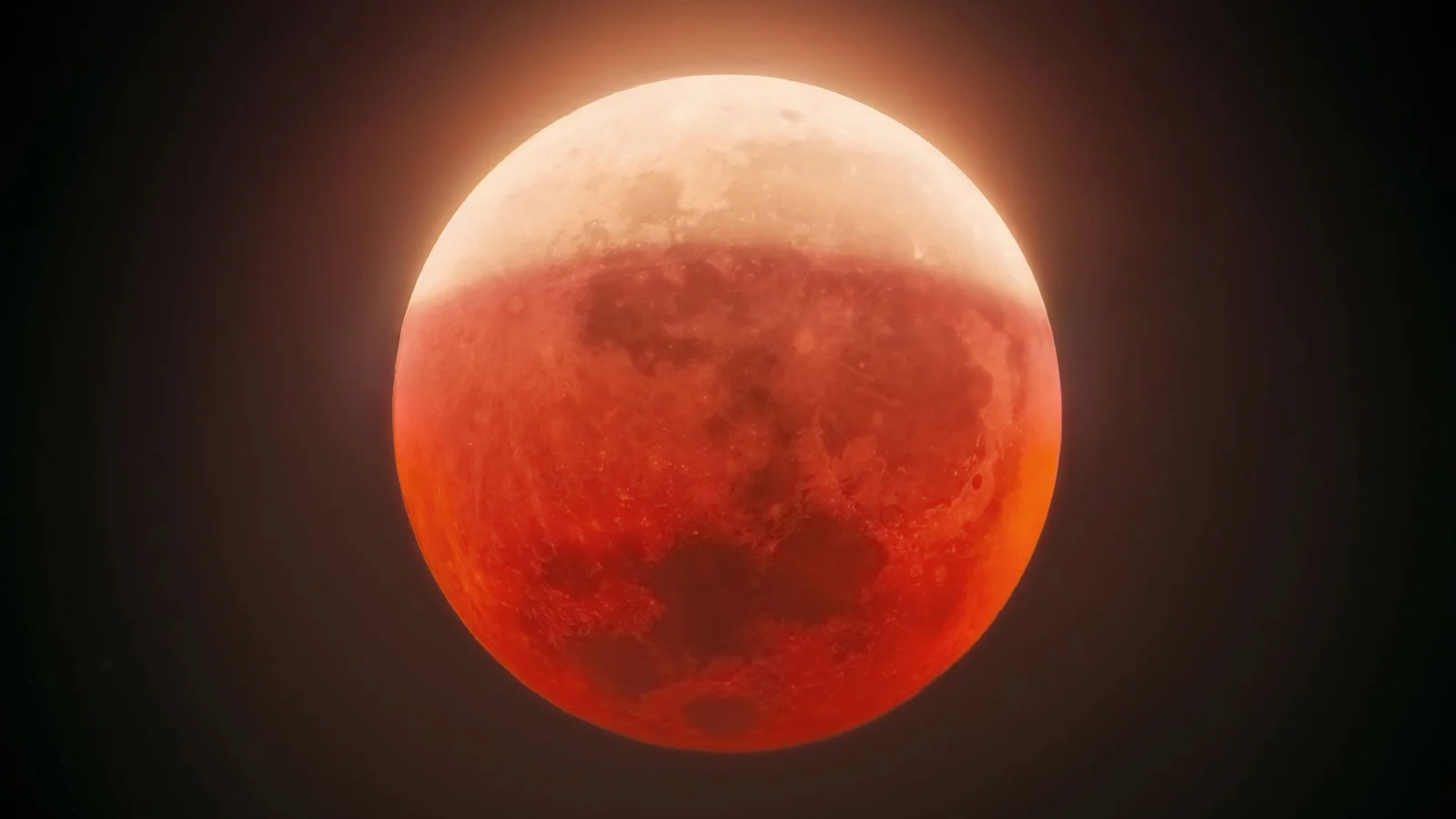
Blood Moon 2026: how to livestream the March 3 total lunar eclipse

The March 3, 2026 total lunar eclipse—the last “blood moon” visible from North America until 2029—will be livestreamed worldwide. Timeanddate will provide global feeds, while Griffith Observatory in Los Angeles will stream from about 12:47 a.m.–6:25 a.m. PT, with the 58-minute totality occurring roughly 6:04–7:02 a.m. EST (times vary by time zone: CST 5:04–6:02, MST 4:04–5:02, PST 3:04–4:02). The Virtual Telescope Project will curate live broadcasts from multiple sites (Hawaii, LA, Perth, etc.). Viewers outside visible regions can watch online, and the event lasts about 5.5 hours (3:44 a.m.–9:23 a.m. EST).

Rare Partial Solar Eclipse Visible from SoCal Skies: Griffith Observatory Offers Free Events
science-and-technology2 years ago

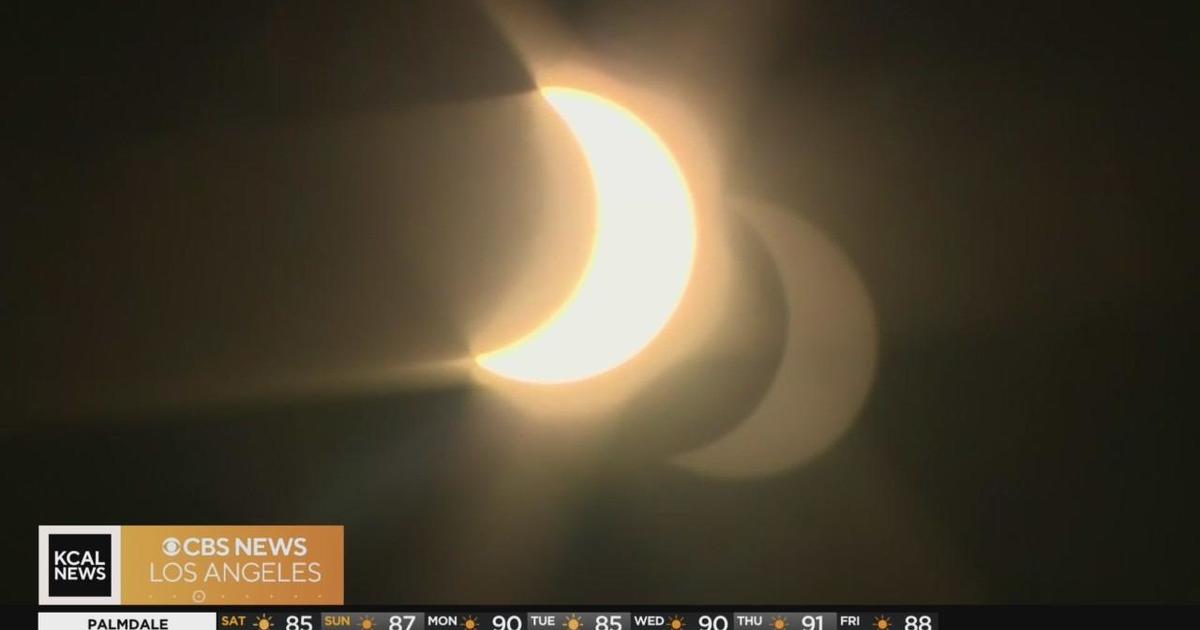
Rare Partial Solar Eclipse Visible from SoCal Skies: Griffith Observatory Offers Free Events

A rare partial solar eclipse is visible in the skies over Southern California this morning, starting at 8 a.m. and lasting until 11 a.m. The best time to see it is around 9:20 a.m., and proper protective eye gear should be worn. This event, which occurs infrequently, offers the opportunity to witness the moon passing in front of the sun, creating a dark patch or arc across the sun. In Los Angeles, it will be a partial eclipse, reaching around 70% coverage.

Rare Green Comet Nishimura Lights Up Skies, Southern California's Best Viewing Time Revealed
astronomy2 years ago

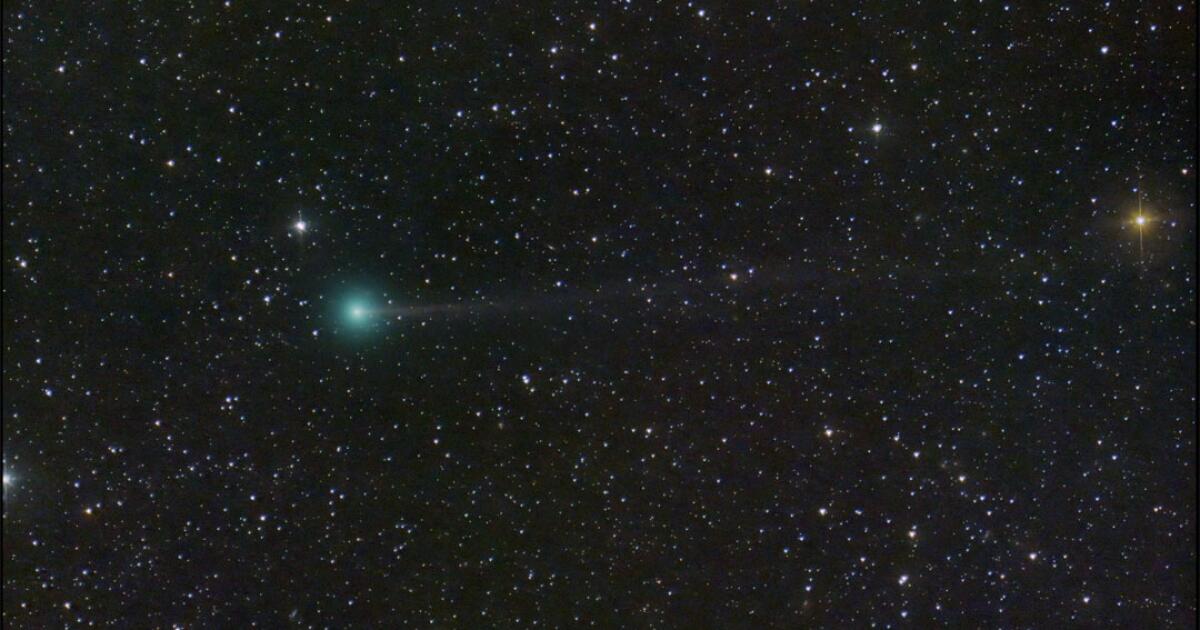
Rare Green Comet Nishimura Lights Up Skies, Southern California's Best Viewing Time Revealed

Comet Nishimura, a newly discovered green comet, is expected to reach peak brightness on Saturday in Southern California. Viewing the comet may be challenging due to its proximity to the sun, but using binoculars and looking to the west at sunset can increase the chances of spotting it. The best viewing window is from 6:58 p.m. to 7:56 p.m., with the comet scheduled to dip below the horizon shortly afterward. The comet is composed of ice and rocks, and its green color is a result of carbon interacting with high temperatures and ions from the sun.