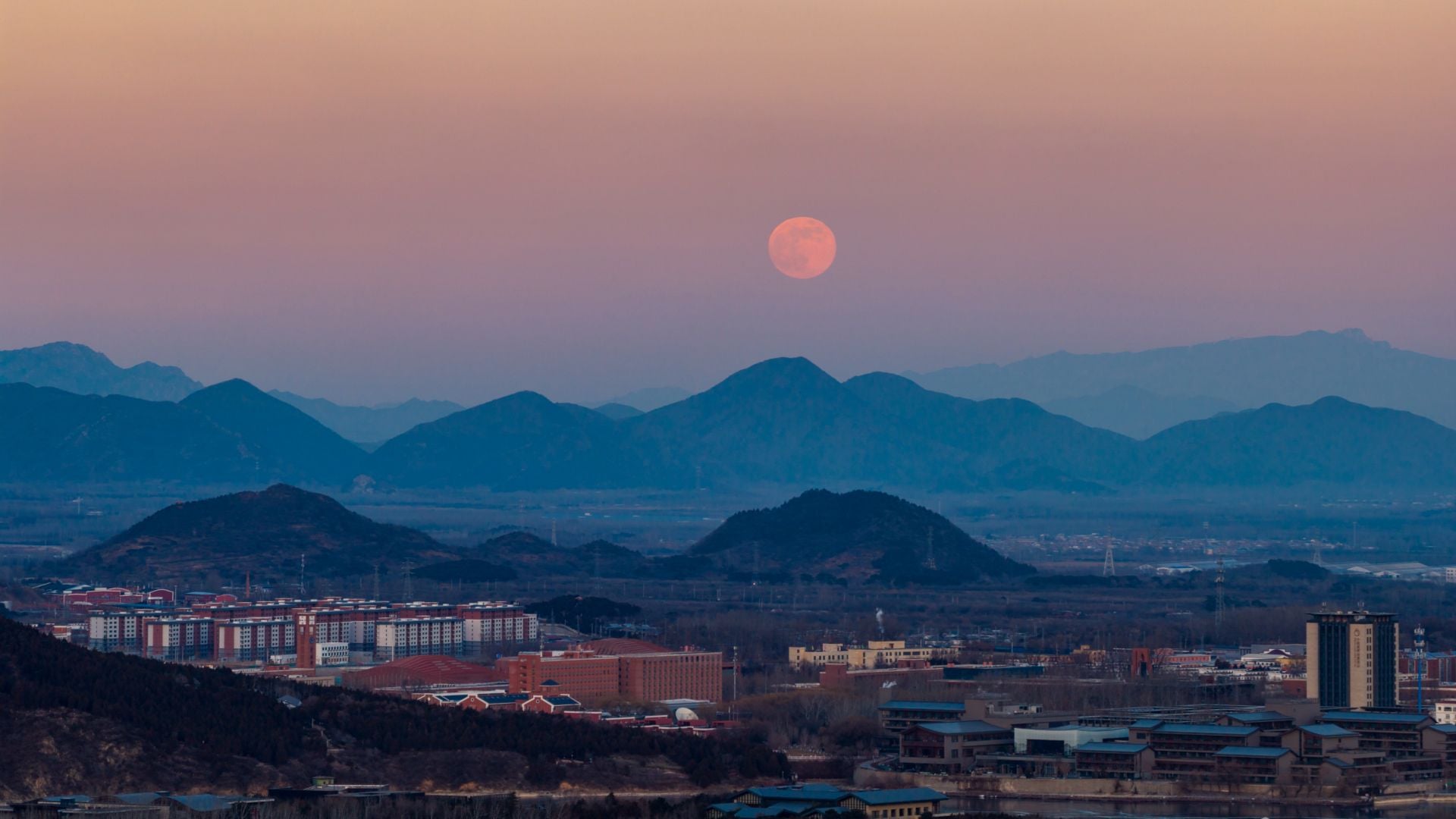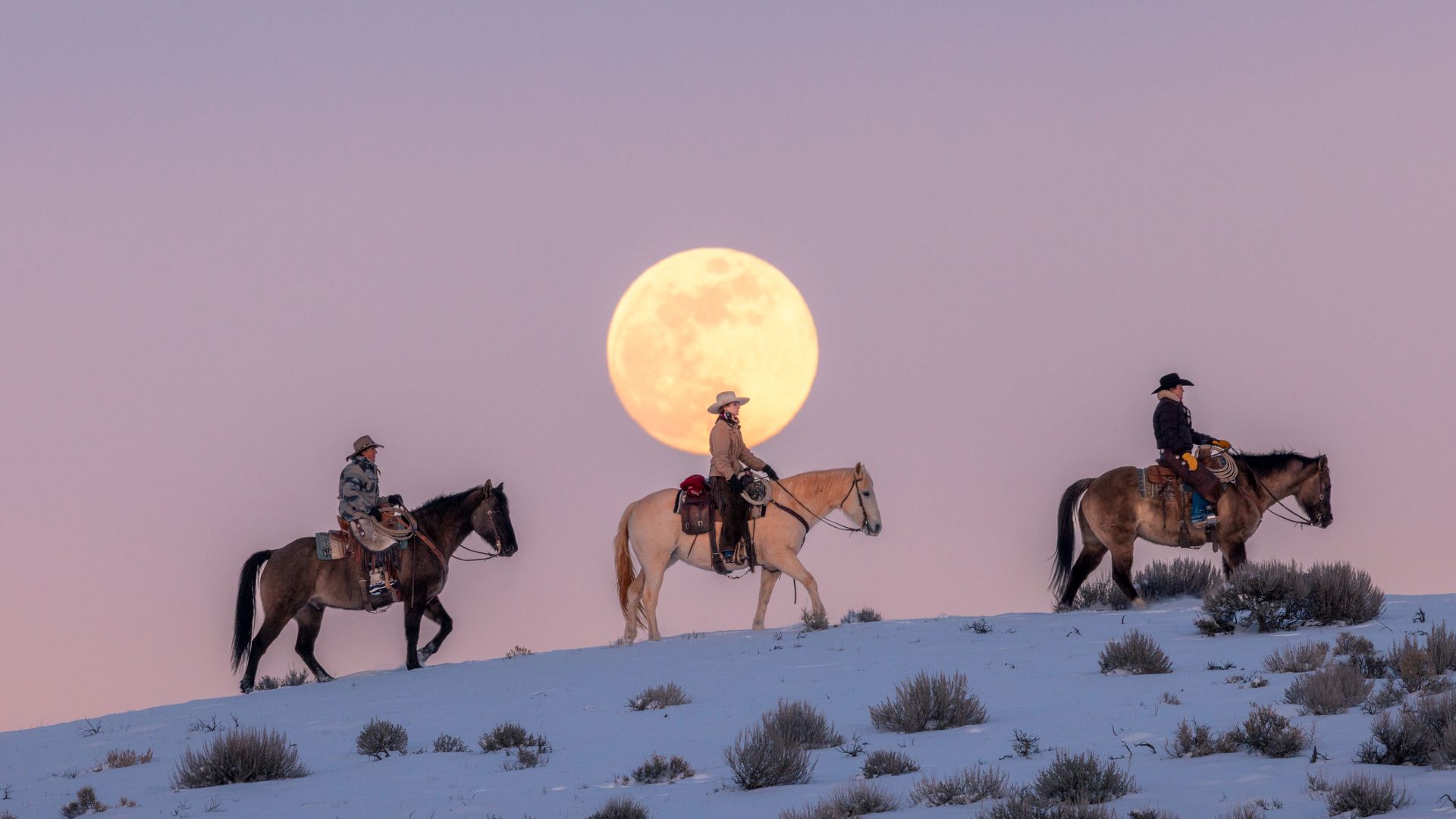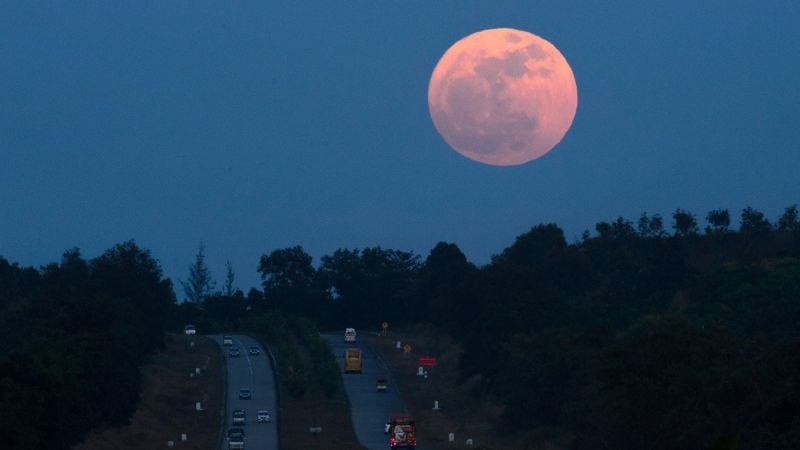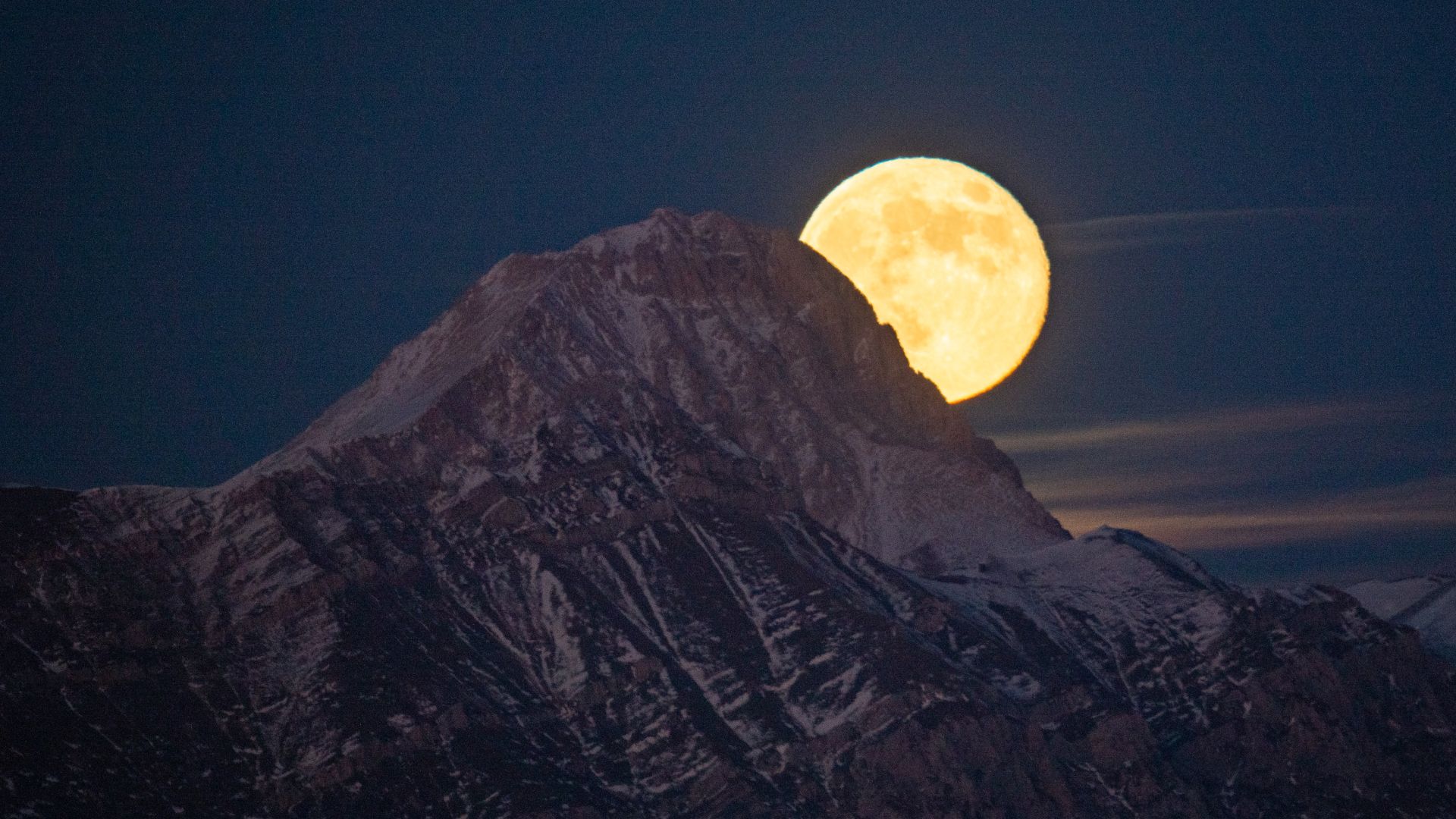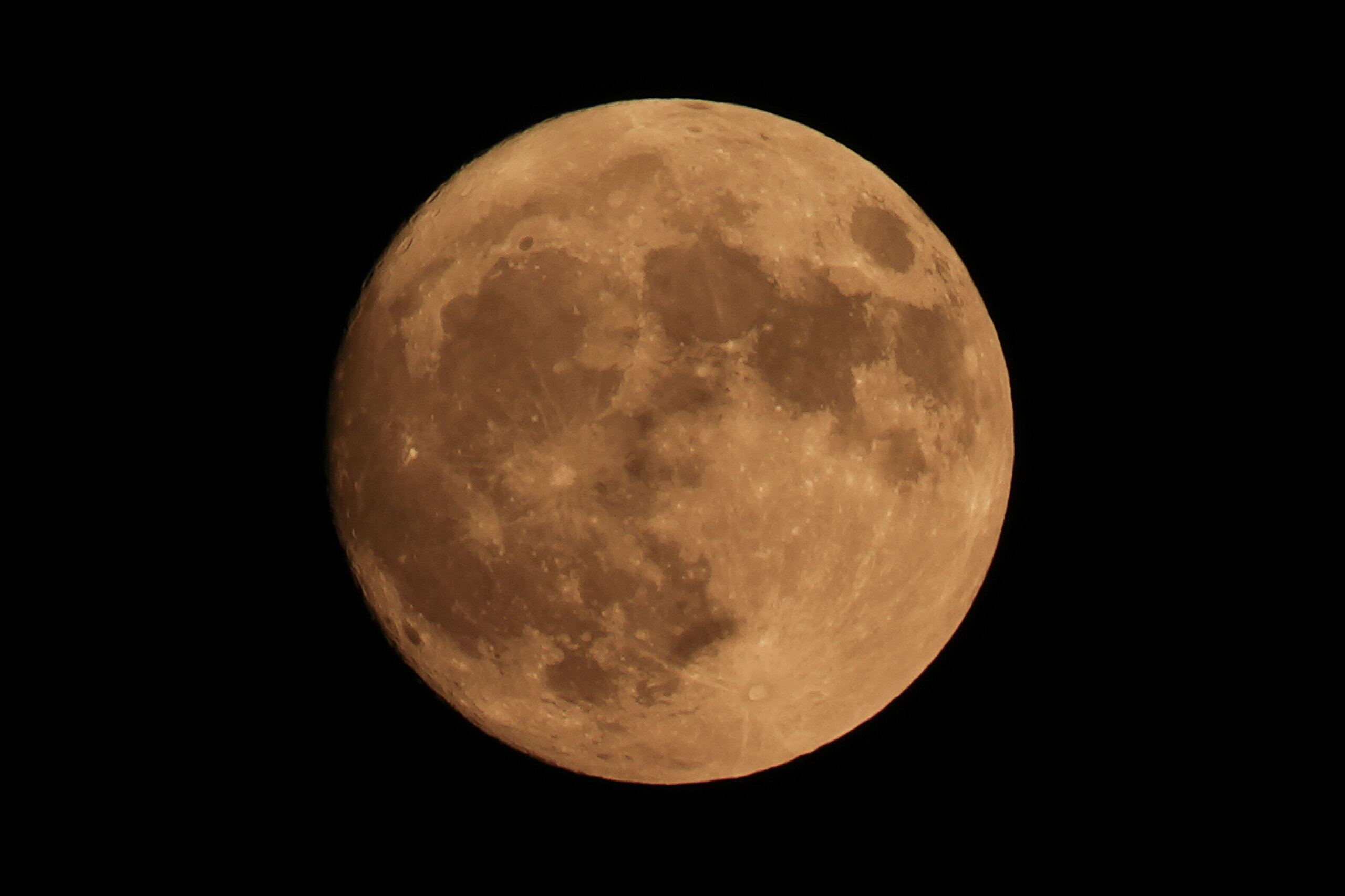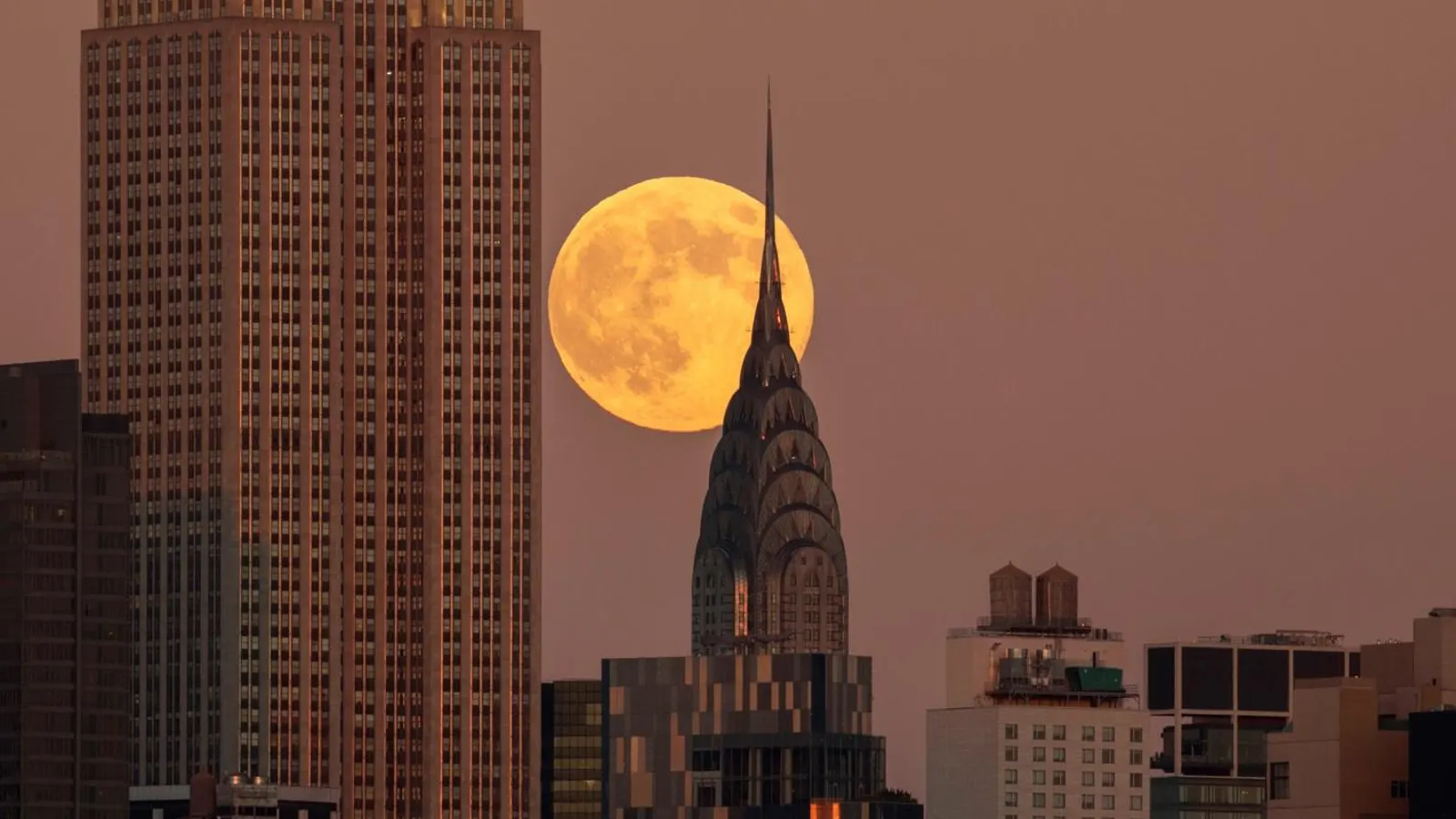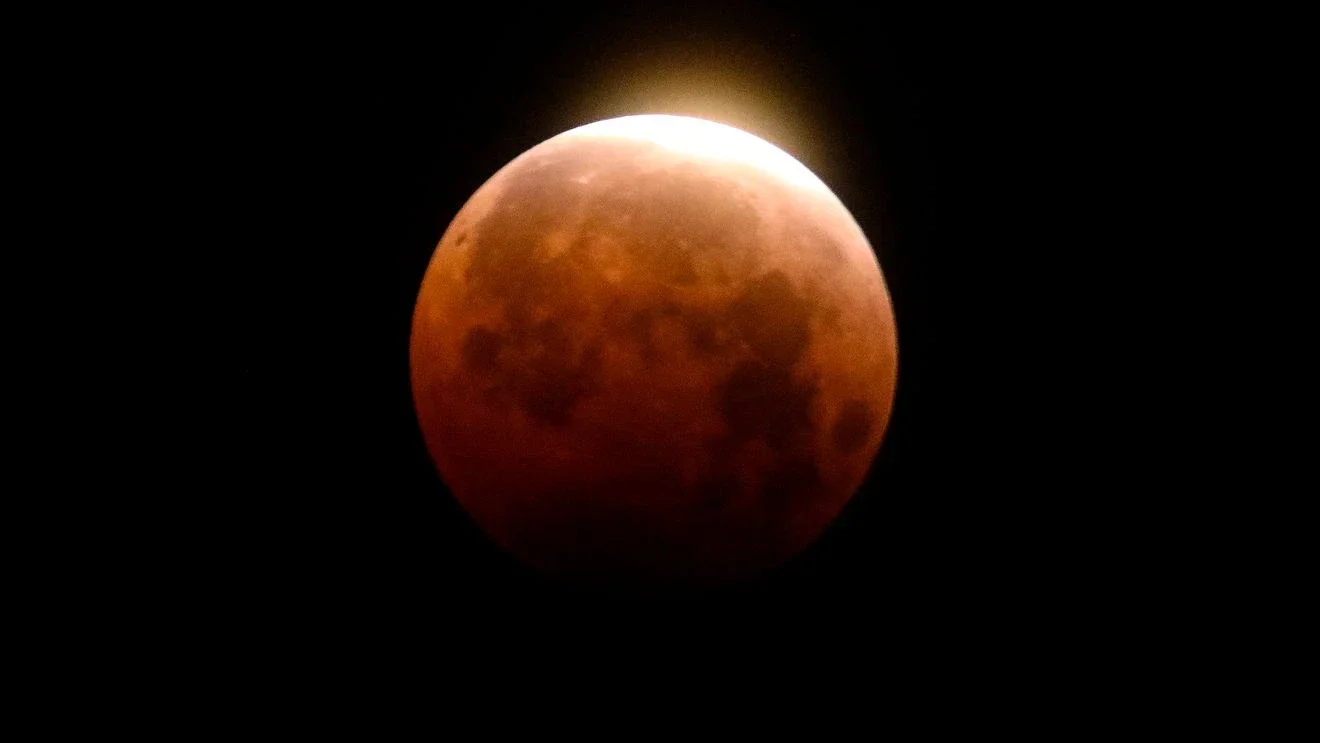
The January 2026 full moon, known as the 'Wolf Supermoon,' was a spectacular astronomical event, with stunning photos captured worldwide showing the moon's proximity to Earth and its striking appearance over various landscapes, inspiring skywatchers and photographers alike.
2026 will feature a variety of notable lunar and solar events including three supermoons, a total solar eclipse, a blood moon lunar eclipse, and close conjunctions of the moon with planets like Mercury, Venus, Saturn, Jupiter, and Mars, offering numerous opportunities for skywatchers to observe spectacular celestial phenomena.
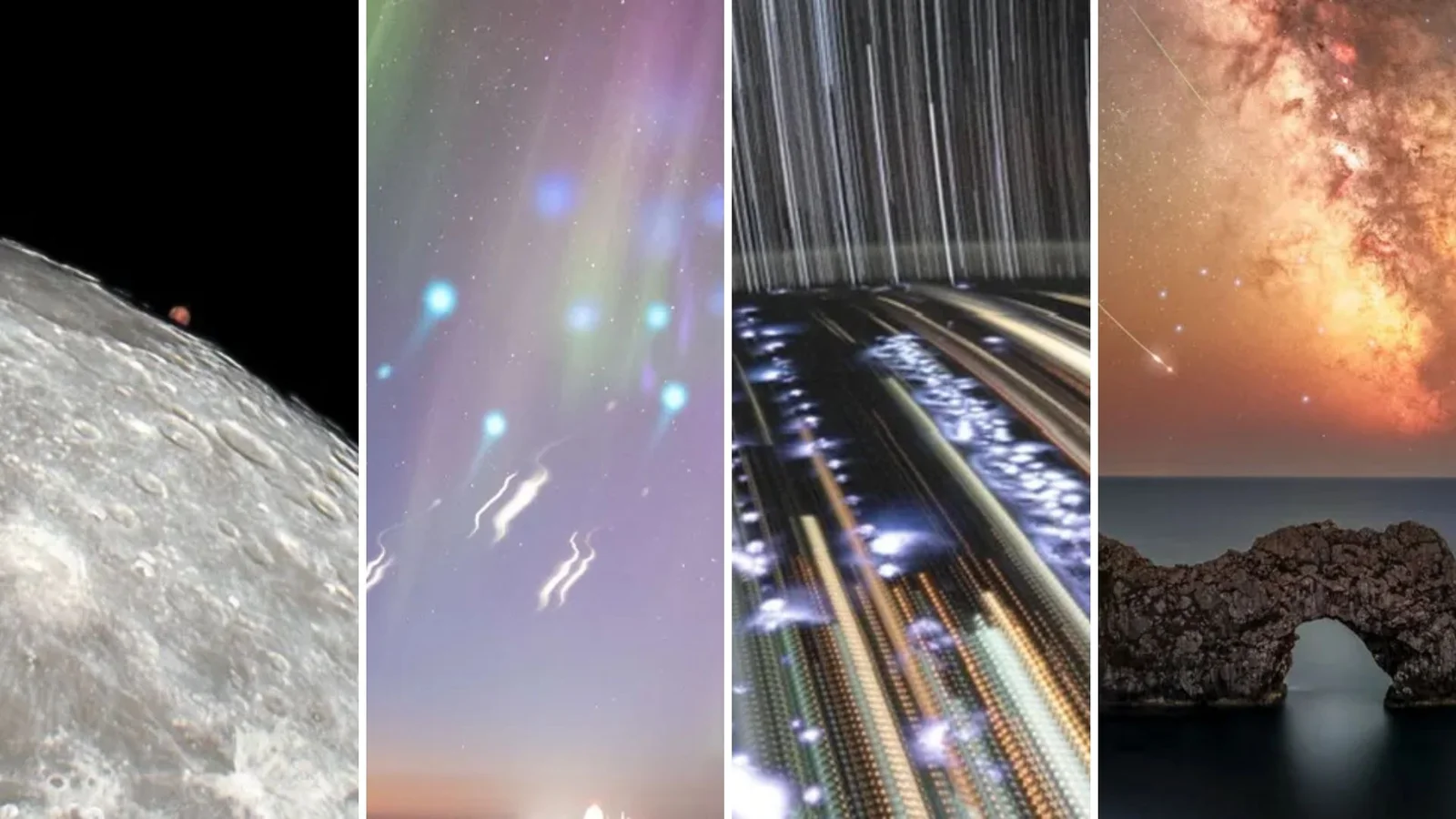
2025 was a spectacular year for skywatchers, featuring notable events such as a rare occultation of Mars by the Wolf Moon, the appearance of a 'great comet' (C/2024 G3 Atlas), the successful landing of Firefly's Blue Ghost on the moon, stunning auroras and vapor tracers, and the discovery of an interstellar comet (3I/ATLAS). These events, along with lunar eclipses and meteor showers, provided breathtaking celestial displays throughout the year.
December's full supermoon, also called the cold moon, is the last supermoon of the year, occurring around 6:14 p.m. ET Thursday, and is notable for its proximity to the winter solstice and historic Apollo missions, with upcoming lunar exploration planned for Artemis II.
The November 2024 full moon, known as the Beaver Moon, will be the largest supermoon of 2025, reaching its full phase on November 5th and coinciding with the closest approach to Earth in its orbit, offering a spectacular sky view and a chance to observe the Southern Taurid meteor shower.
The article discusses the upcoming full hunter’s supermoon on Wednesday, which will be the closest and brightest moon of 2025, offering a spectacular viewing opportunity if the skies are clear, and provides tips for observing and photographing the event.
The beaver moon, the second and biggest supermoon of 2025, will be full on November 5, 2025, and best viewed from North America on November 6 at dusk, appearing about 10% larger and brighter due to its proximity to Earth during perigee, making it the largest since 2019.
The Harvest supermoon, the first of three in 2025, was visible and photographed worldwide, appearing larger and brighter due to its proximity to Earth, with notable images from Italy, Tibet, Indonesia, Spain, China, and the UK. The next supermoon will occur on November 5, 2025.
The first supermoon of 2025, also known as the Harvest Moon, is visible tonight and can be watched live online via a free livestream from the Virtual Telescope Project, offering a spectacular view of this bright, large moon event.
October's supermoon, the first of three in 2025, will appear larger and brighter as it passes closer to Earth, visible to everyone with clear skies, with the next supermoon in November and additional lunar events in 2026.
On October 6, 2025, a rare supermoon called the Harvest Moon will rise, coinciding with the peak of the Draconid meteor shower and the moon's closest approach to Earth, offering a spectacular celestial display.
A 'super harvest moon' will be visible on October 6, 2025, appearing larger and brighter as it marks the beginning of the darker season, offering a great stargazing opportunity if the skies are clear.
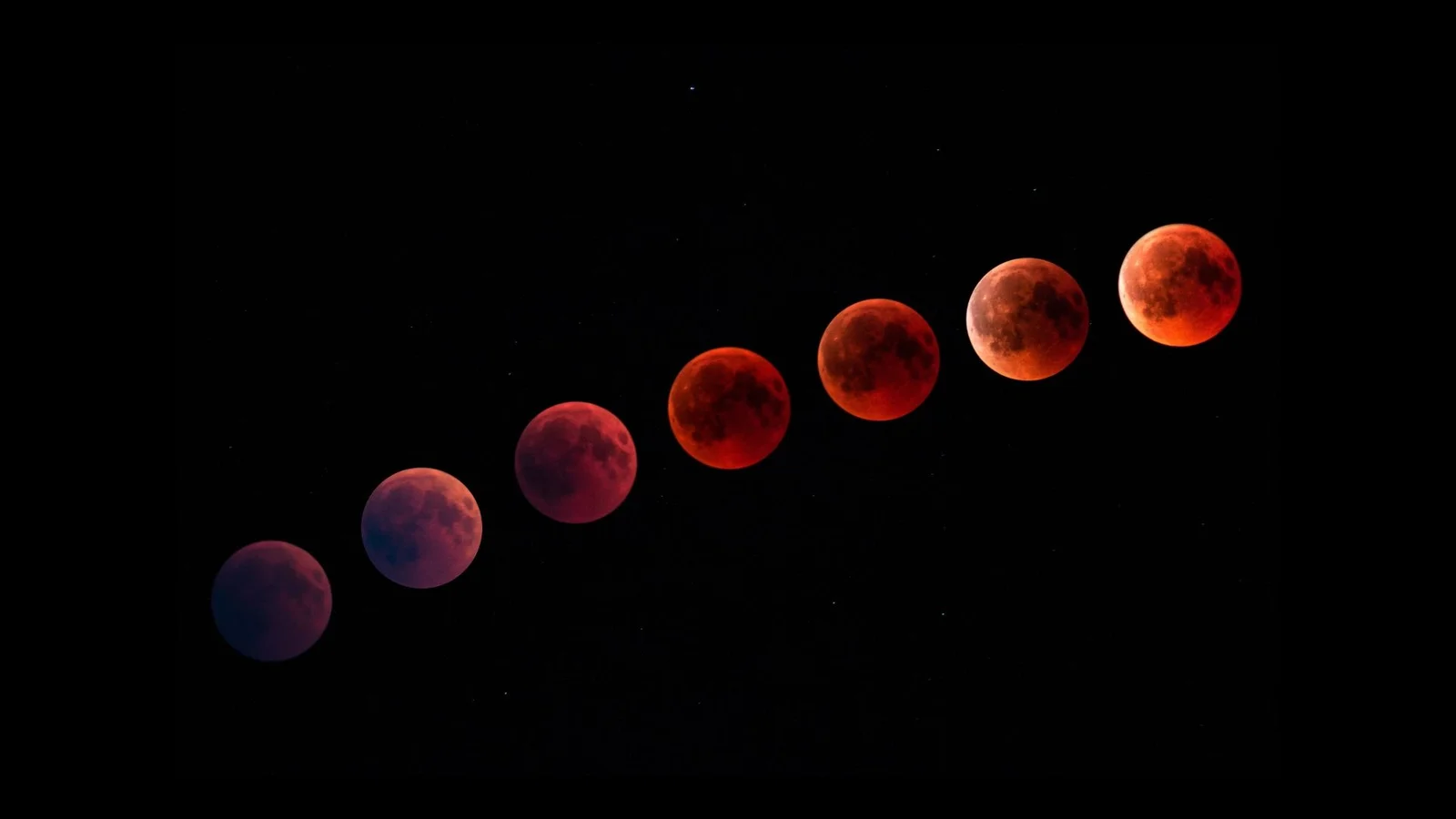
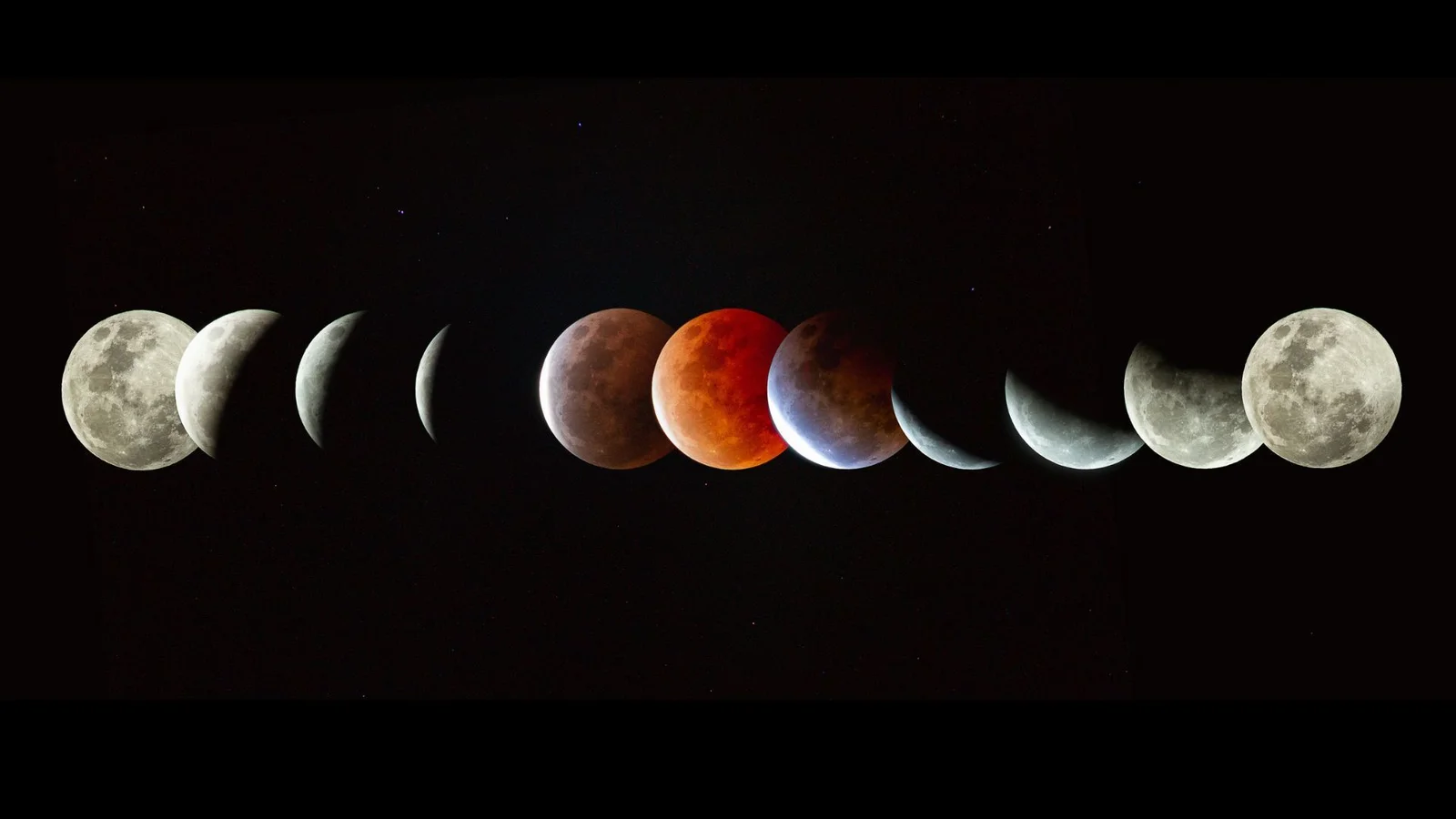
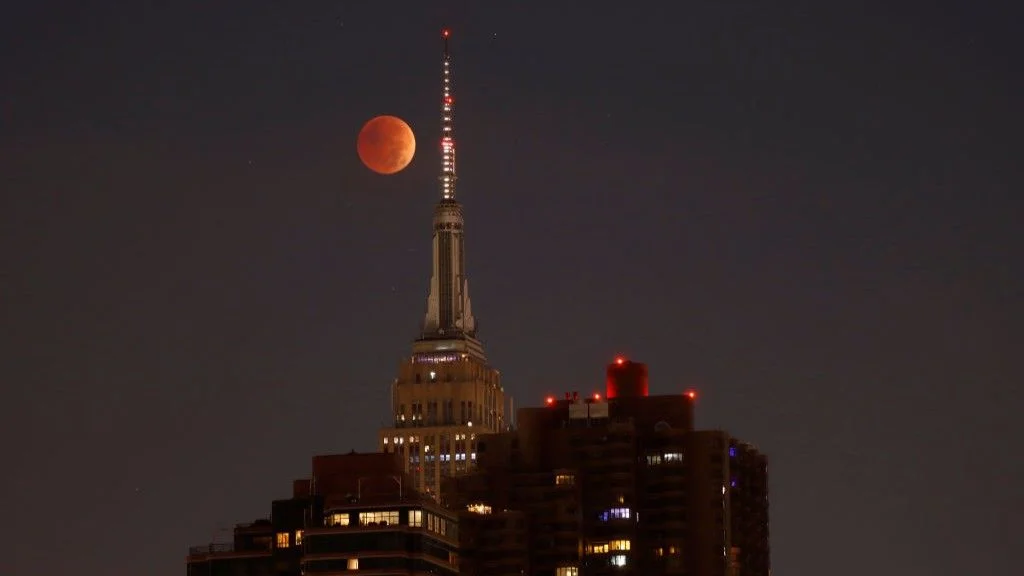
Photographer Osama Fathi captured stunning timelapse images of the September 7 blood moon lunar eclipse over Egypt's White Desert, showcasing the moon's transformation during the event with detailed shots using various lenses, highlighting both its beauty and scientific significance.
During the September 2025 lunar eclipse, amateur astronomers captured images of interstellar comet 3I/ATLAS revealing a surprising green glow, possibly caused by diatomic carbon or other molecules, highlighting its unique chemistry and mysterious origins.
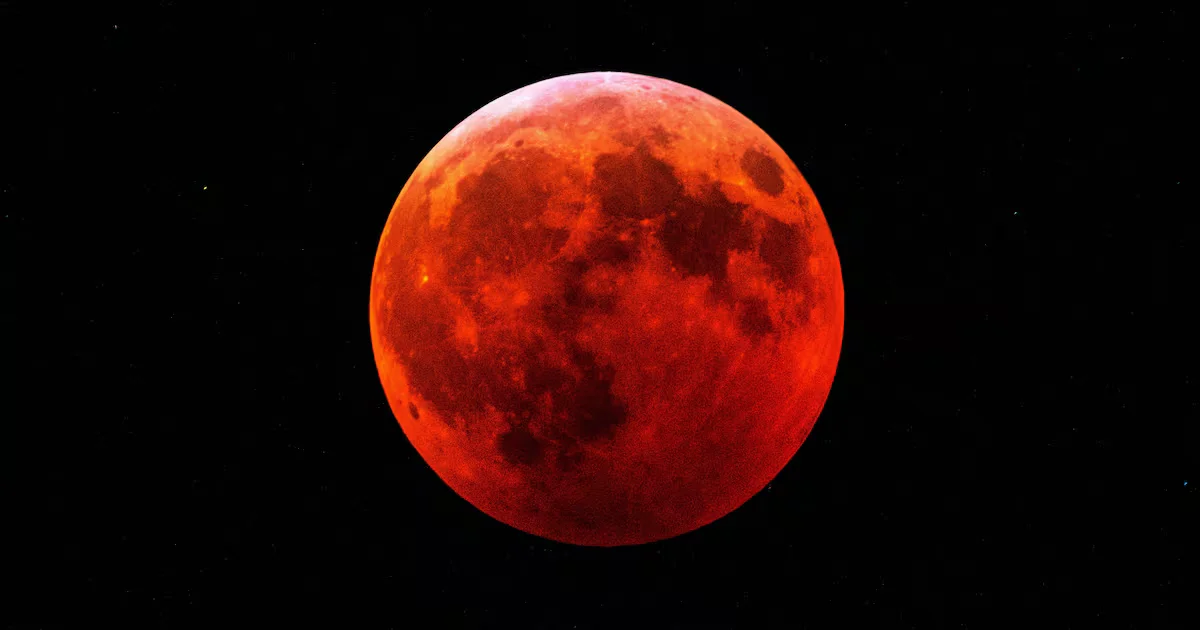
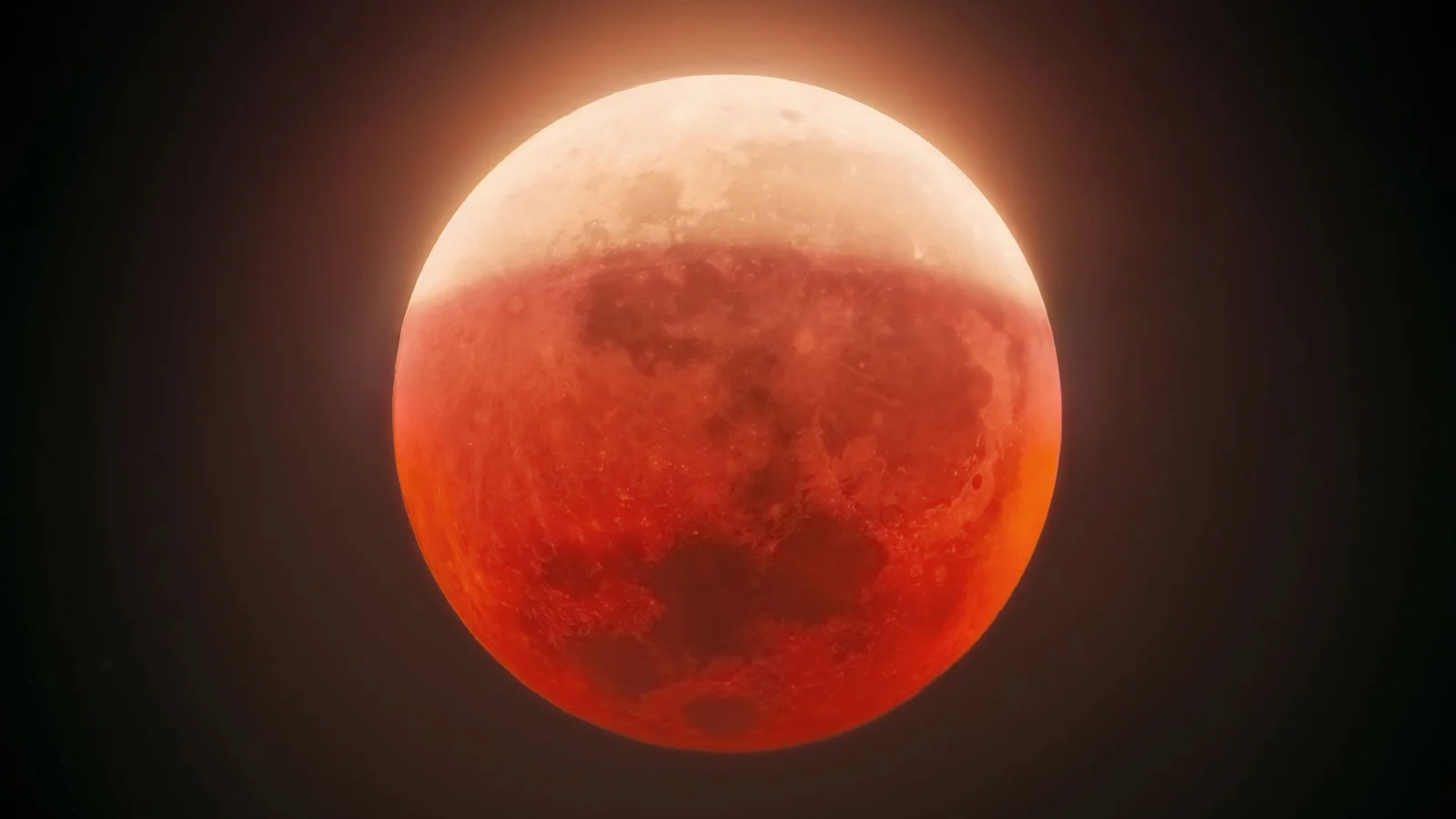
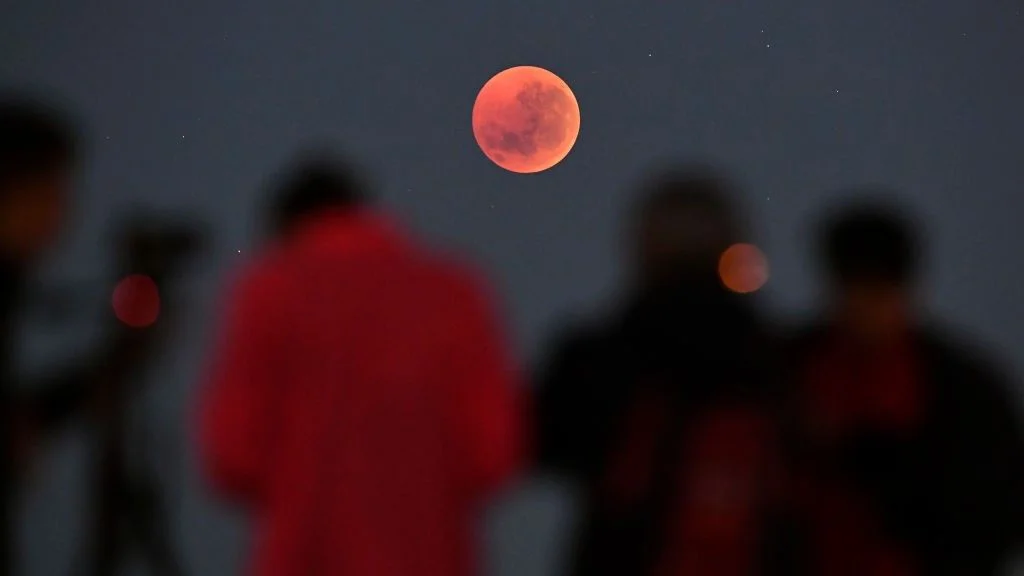
A recent total lunar eclipse was visible in parts of the world, with upcoming eclipses including a lunar eclipse on March 2, 2026, visible from the Americas, Asia, and Australia, and a total solar eclipse on August 12, 2026, visible from Greenland, Iceland, and Spain. Other eclipses are scheduled through 2027, offering multiple opportunities for skywatchers to observe these celestial events.