Tag

Partial Eclipse

All articles tagged with #partial eclipse

science3 months ago

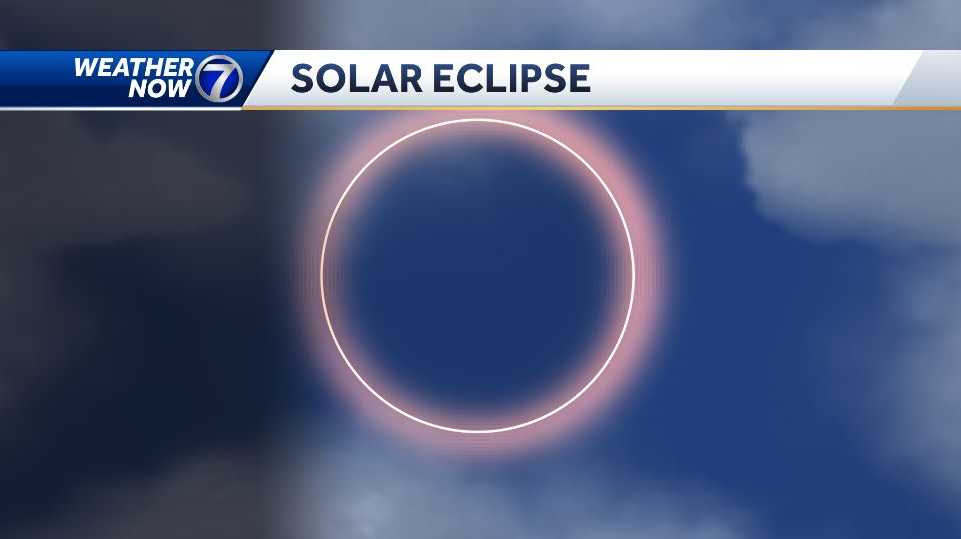
2026 Annular Solar Eclipse: Your Guide to the 'Ring of Fire'

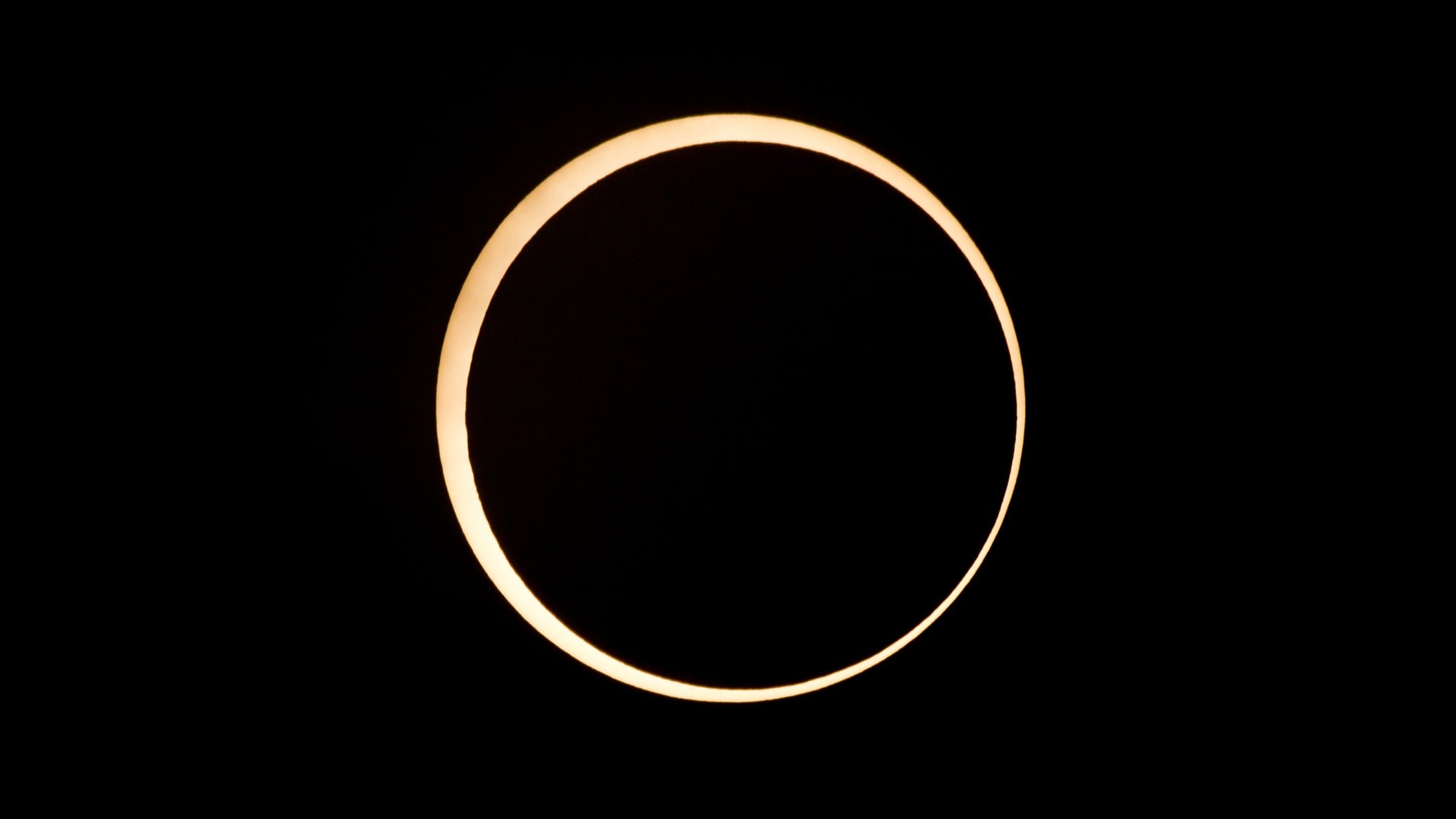
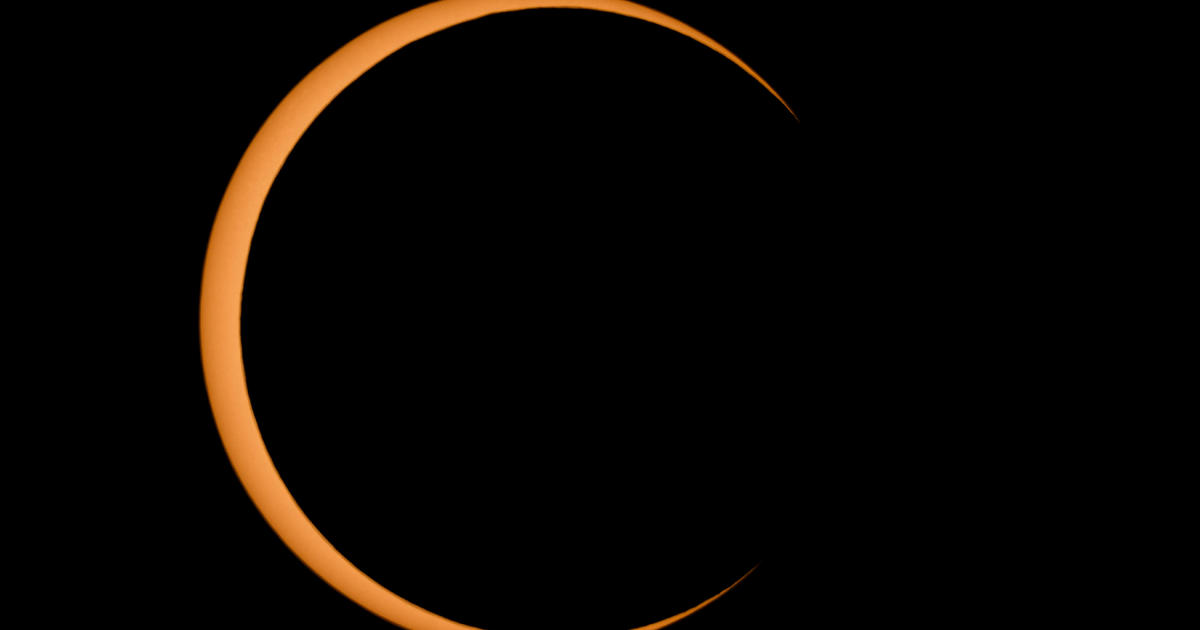
The annular solar eclipse on February 17, 2026, will create a 'ring of fire' visible only from a remote part of Antarctica, with limited opportunities for observation due to weather and accessibility. Partial views will be available in parts of Antarctica, southern Africa, and South America. The event's rarity and location make it a unique but challenging spectacle to witness.

travel1 year ago

"Disappointment on Delta's Eclipse Flight: Passengers Miss Cosmic Event Despite Pilots' Efforts"

Passengers on a special Delta Airlines flight for the solar eclipse didn't get to see the total eclipse, but the pilot maneuvered the aircraft so both sides could see at least a partial eclipse. Despite not getting the full experience, passengers remained in good spirits and enjoyed the unique view of the eclipse's shadow moving across the cities below. The flight included special announcements, goodie bags, and a celebratory atmosphere, with passengers expressing overall positivity about the experience.

astronomy1 year ago

"Upcoming Solar Eclipses Across the United States"

Nebraska was not in the path of totality for the recent solar eclipse, but there are upcoming opportunities to witness partial solar eclipses in the state. The next solar eclipse visible in Nebraska will be an annular eclipse on Jan. 26, 2028, followed by a hybrid eclipse on Nov. 14, 2031, and a total eclipse on March 30, 2033. Solar eclipses occur when the moon is positioned between the Earth and the sun, casting a shadow over the Earth, and typically happen twice a year during a new moon phase.

astronomy1 year ago

"2024 Solar Eclipse: Viewing Guide for San Francisco, DC, and Beyond"

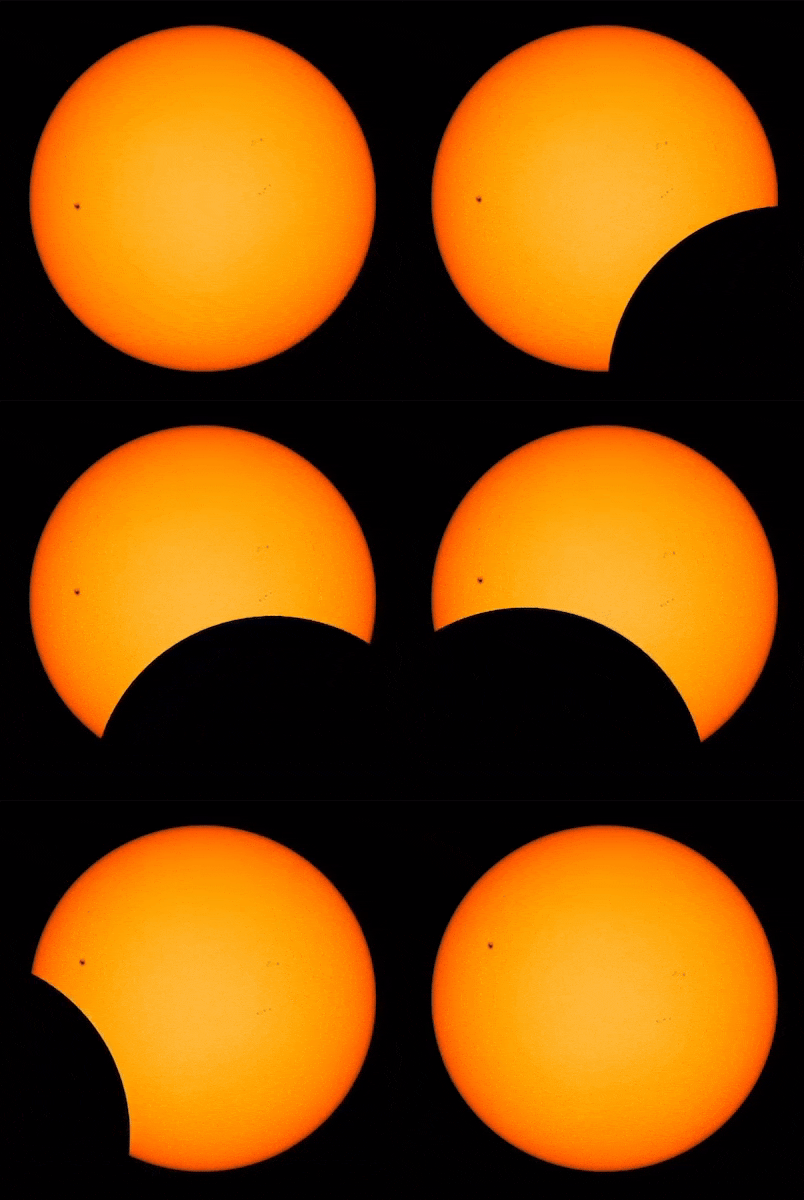
On April 8, 2024, the San Francisco Bay Area will experience a partial solar eclipse, with 31% to 35% of the sun being blocked by the moon. The eclipse will begin at different times across the Bay Area, with the peak expected about an hour after it starts, and the entire event lasting approximately two hours. Eclipse watchers are advised to use certified solar viewing glasses or a pinhole camera to protect their eyes from permanent damage.

astronomy1 year ago

"2024 Solar Eclipse: Viewing Opportunities in Oklahoma"

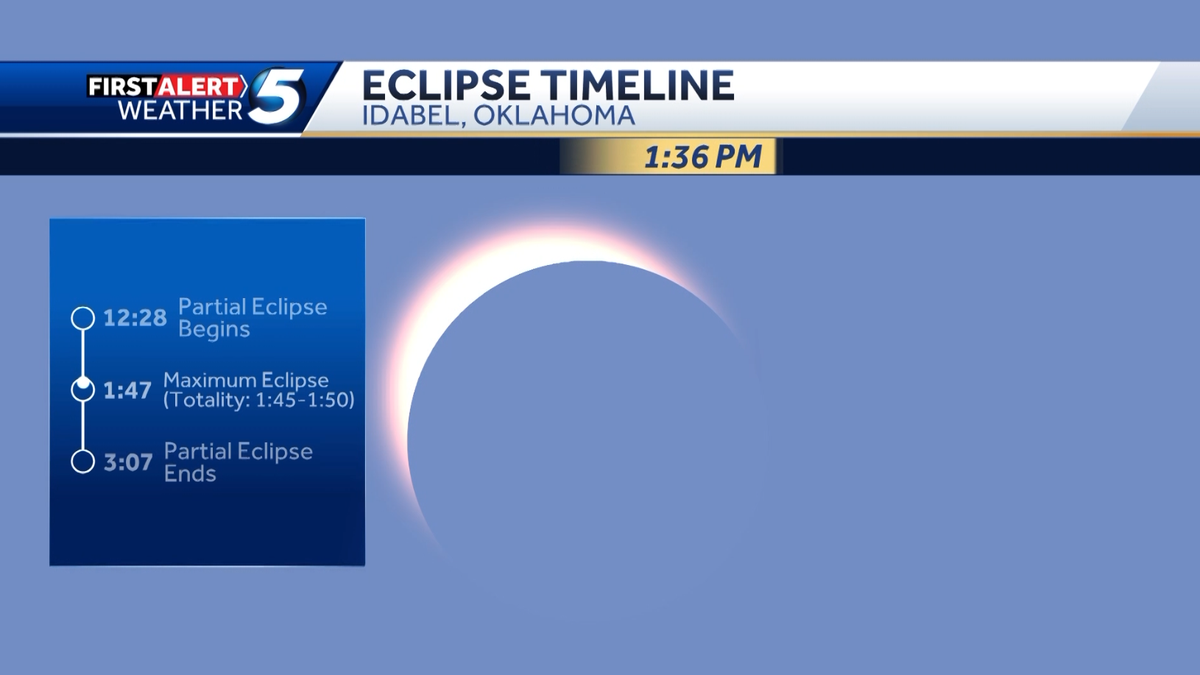
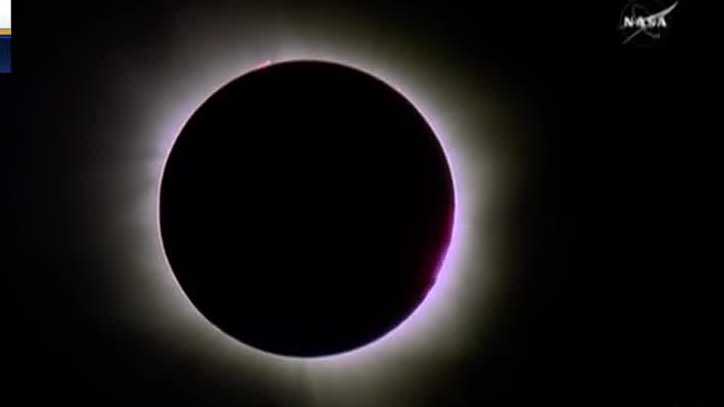
Oklahoma is in the path of totality for the solar eclipse, with the partial eclipse starting at 12:28 p.m. and reaching maximum totality at 1:47 p.m. The total eclipse will last from 1:45 p.m. to 1:50 p.m., turning day into night briefly. Other areas of the state, such as the OKC metro, will see a 90% eclipse. The partial eclipse will end by 3:07 p.m., and the moon's shadow will move at over 1,000 mph.

astronomy1 year ago

"New Mexico to Experience Partial Eclipse"

New Mexico will experience a partial solar eclipse, with opportunities to view it in various locations. The New Mexico Museum of Natural History and Science in Albuquerque will host a viewing event with a presentation included in regular museum admission, starting at 10 am. Additionally, the Downtown Library and the Alamosa Library will have viewing parties at 11 am, providing solar glasses for attendees.

astronomy1 year ago

"2024 Solar Eclipse: Viewing Timeline and Forecast for New York and Minnesota"

The 2024 solar eclipse will peak in New York on April 8, with upstate New York experiencing a total eclipse and New York City seeing a partial eclipse with about 90% coverage. The eclipse is expected to start around 2:07 p.m. EDT along Mexico's Pacific coast and will enter southwestern New York shortly after 3:15 p.m., leaving the northeastern part of the state just before 3:30 p.m. The entire event will last approximately two and a half hours, but the total solar eclipse will only be visible for about two to four minutes, depending on location. In New York City, the partial eclipse will peak at 3:25 p.m., with Staten Island getting the first glimpse and the peak wrapping up in northeastern Queens.

astronomy1 year ago

"North Georgia's Guide to the 2024 Partial Solar Eclipse"

On Monday, a partial solar eclipse will be visible in north Georgia, starting at 1:45 p.m. and reaching its maximum at 3:04 p.m. Some schools have adjusted schedules, and safety glasses compliant with ISO 12312-2 are recommended for viewing. The next total solar eclipse visible in Georgia will occur on August 12, 2045 over southwest Georgia, with subsequent opportunities in 2052 and 2078.