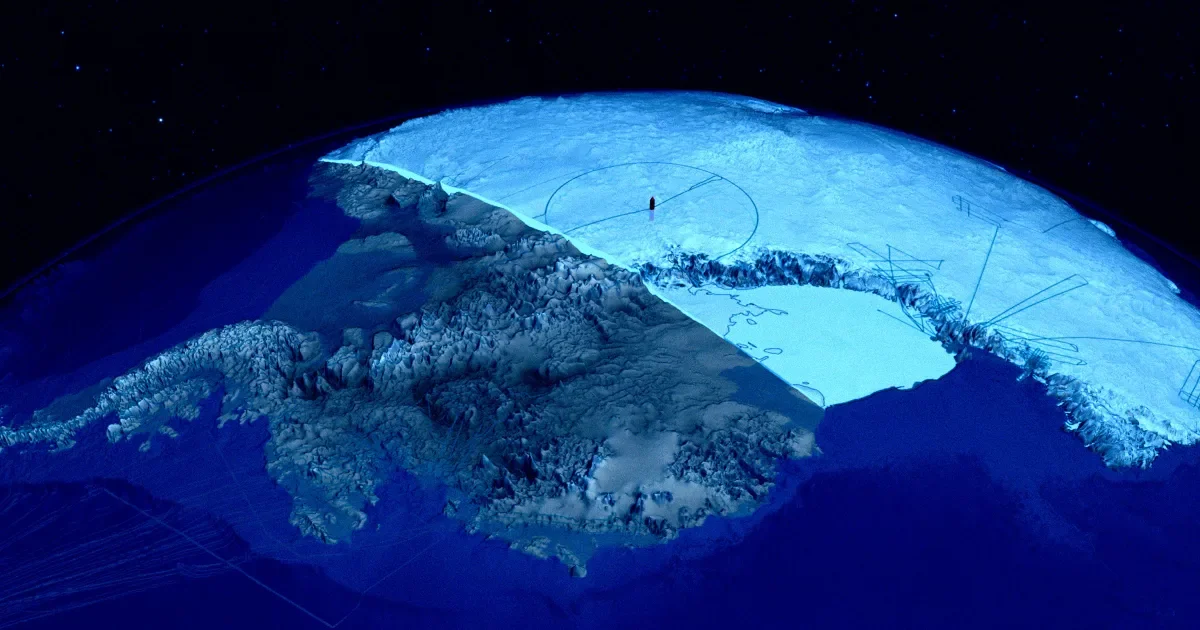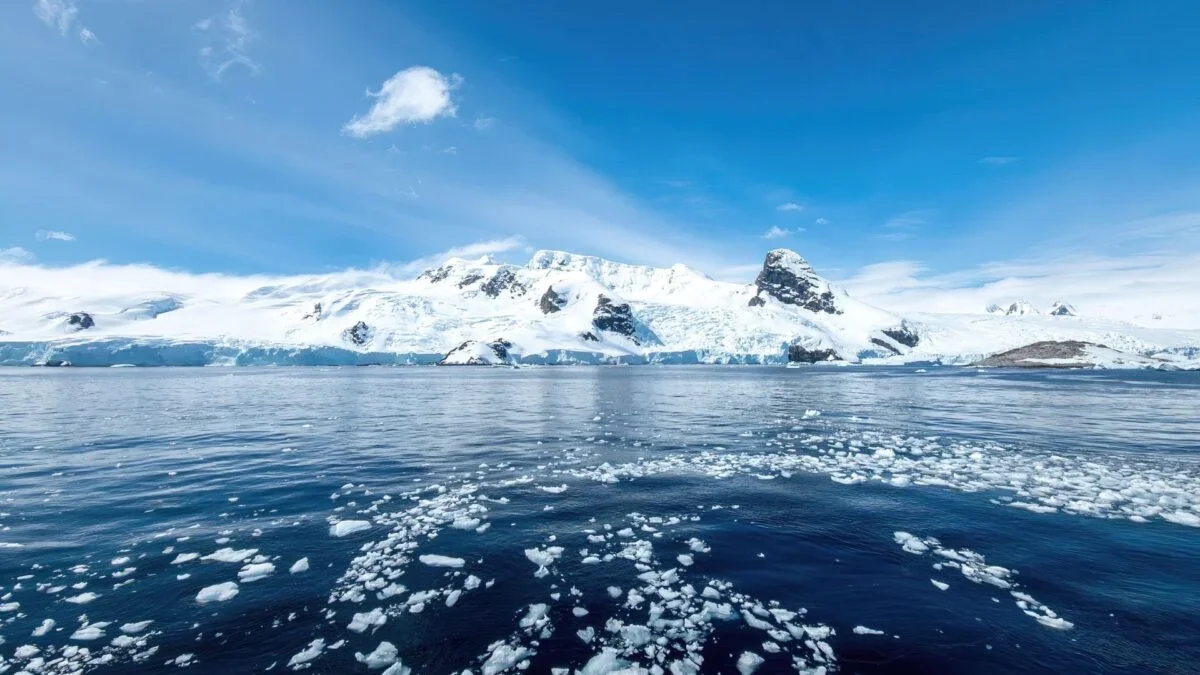
Scientists warn that the 'Doomsday Glacier' in Antarctica is nearing a critical breaking point, which could significantly raise sea levels by about 65 centimeters if it collapses. The glacier's structural integrity has been compromised due to ongoing fracturing, and its potential collapse could accelerate sea level rise, impacting global communities and ecosystems. Arctic ice is melting at an alarming rate, driven by human activities and climate change, with efforts underway to monitor and mitigate these effects through satellite data and behavioral changes.
NASA reports that the massive iceberg A-23A, one of the largest and oldest tracked, is on the verge of complete disintegration after losing significant mass, and could break apart within days or weeks as it drifts in the South Atlantic.
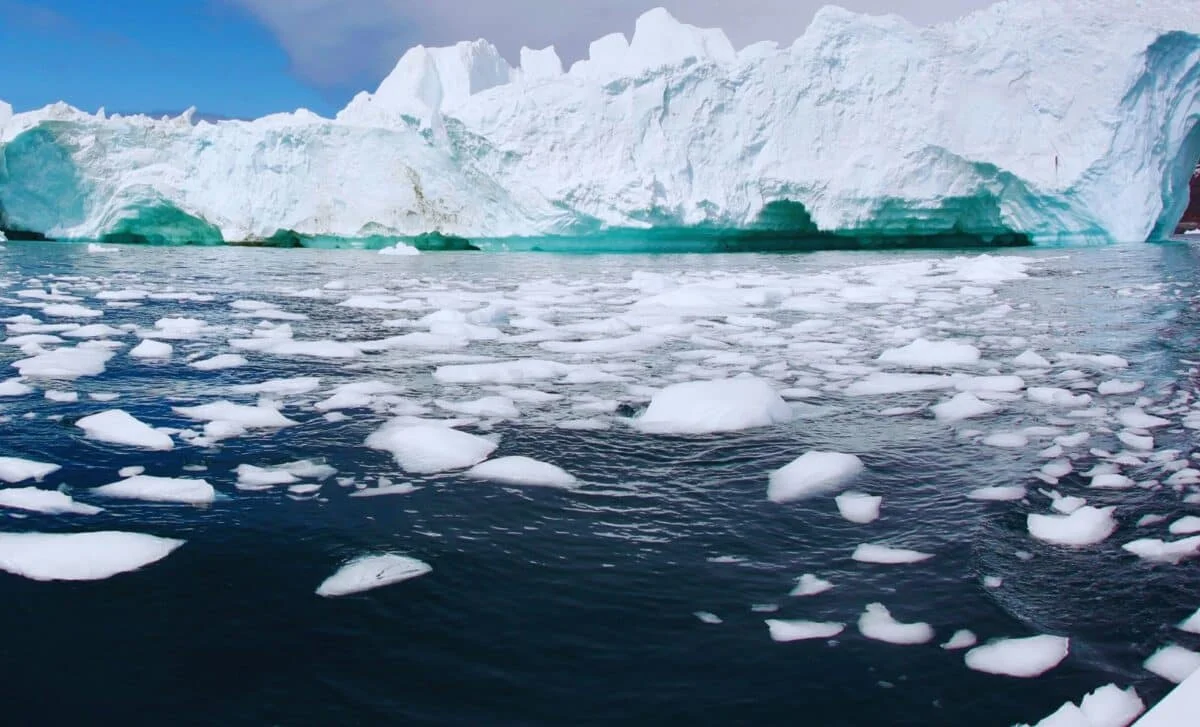
NASA images reveal that iceberg A-23A, which has been floating since 1986 and was once over 4,000 square kilometers, is now bright blue and showing signs of imminent disintegration, likely within weeks, due to melting and structural failure.
Scientists used autonomous underwater vehicles to map the underside of Antarctica's Dotson Ice Shelf, revealing complex terrain and uneven melting patterns driven by warm ocean currents. During a follow-up mission in 2024, the vehicle disappeared, raising concerns about the stability of ice shelves and their role in sea level rise, as melting accelerates in specific areas.
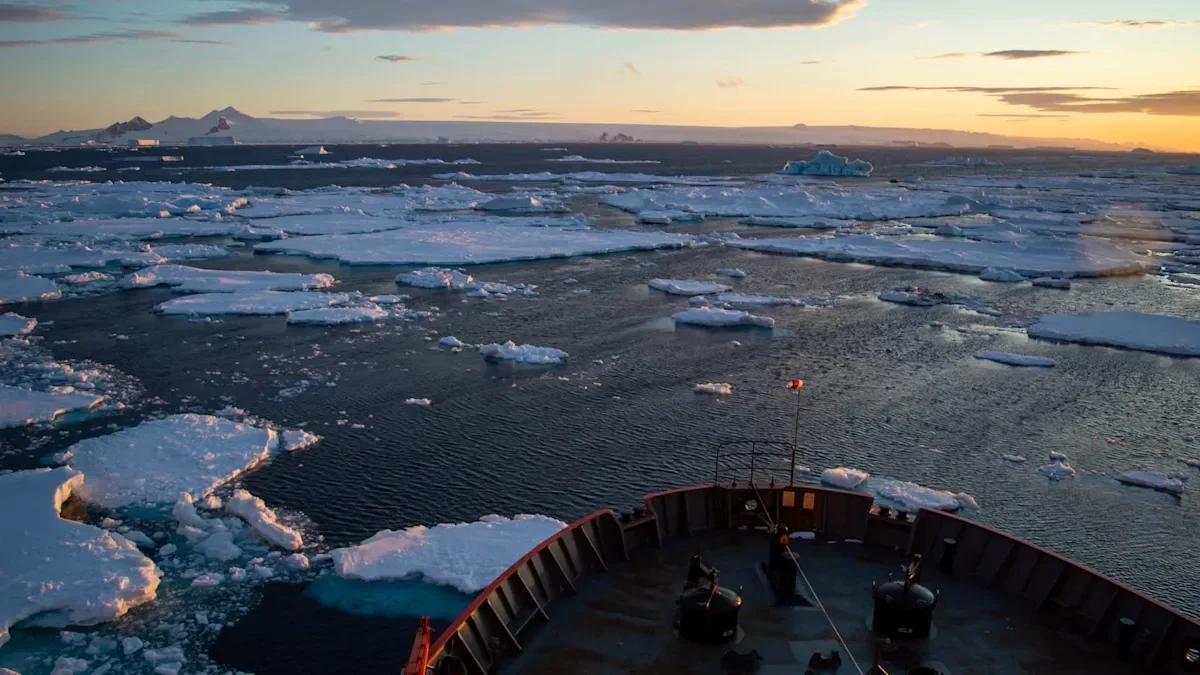
The icebreaker Araon has arrived at the Thwaites Glacier in Antarctica, where it is now surrounded by the rapidly melting glacier, highlighting concerns about climate change and ice loss in the region.
Hundreds of low-frequency glacial earthquakes have been detected in Antarctica, especially near the unstable Thwaites Glacier, indicating increased ice flow and potential risks of collapse that could significantly raise global sea levels, prompting calls for further research into their causes and implications.
A new study reveals hundreds of glacial earthquakes in Antarctica, mainly near the Thwaites Glacier, caused by iceberg calving and possibly influenced by ocean conditions, highlighting potential risks for future sea level rise.
A rare underwater photograph of a Ross seal, one of the least studied Antarctic marine mammals, was captured by Justin Hofman during an expedition, providing new insights into the species' behavior and anatomy in its natural habitat for the first time.
Scientists aboard the South Korean icebreaker Araon celebrated New Year 2026 while en route to Antarctica, enjoying smooth sailing and engaging in activities like Icebreaker Bingo, as they prepare for their research at Thwaites Glacier.
Recent research on Antarctica's Thwaites Glacier reveals new insights, suggesting it may not be as doomed as its nickname 'Doomsday Glacier' implies, and emphasizing the importance of reducing carbon emissions to potentially prevent its collapse and mitigate sea level rise.
A team of nearly 40 scientists is heading to Antarctica to study the rapidly melting Thwaites Glacier, which poses a significant threat of causing global sea levels to rise by over two feet if it collapses, potentially triggering a catastrophic collapse of the West Antarctic ice sheet. The research involves innovative methods, including attaching sensors to seals to gather ocean data, to better understand the glacier's melting processes and future risks.
The Thwaites Glacier in Antarctica, known as the 'Doomsday Glacier,' is experiencing accelerated retreat and structural weakening due to cracks and warming ocean waters, which could lead to a potential collapse and up to 11 feet of global sea level rise, posing a significant threat to coastal communities. Scientists warn that climate change is intensifying these processes, and urgent mitigation efforts are needed to delay or prevent catastrophic outcomes.
The Thwaites Glacier in Antarctica, known as the 'Doomsday Glacier,' is experiencing accelerated retreat and structural weakening due to cracks and warming ocean waters, raising concerns that its collapse could trigger up to 11 feet of global sea level rise, with scientists emphasizing the urgent need for climate change mitigation to delay this potential catastrophe.
About 9,000 years ago, a rapid collapse of part of Antarctica's East Antarctic Ice Sheet occurred due to warm ocean currents, leading to significant ice loss and potential implications for future sea level rise as modern warming may trigger similar feedback mechanisms. The study highlights the role of warm deep water and meltwater feedbacks in accelerating ice sheet disintegration, emphasizing the importance of understanding ocean-ice interactions in predicting future sea level changes.
An autonomous submarine exploring Antarctica's Dotson Ice Shelf discovered complex under-ice structures and warm water channels that influence melting patterns, but the mission ended with the submarine's disappearance, highlighting the challenges and importance of understanding ice-ocean interactions for predicting sea level rise.