Tag

Earths Shadow

All articles tagged with #earths shadow

science4 months ago

No Lunar Eclipse Tonight

There will be no lunar eclipse visible from Raleigh or most of North America tonight due to the Moon's position below the horizon, with the event only observable in Asia. The next lunar eclipse visible from Raleigh will occur on March 3, 2026, and a total solar eclipse will pass through Raleigh on May 11, 2078.
astronomy1 year ago

"Full Worm Moon: Witness the Spectacular Partial Eclipse!"

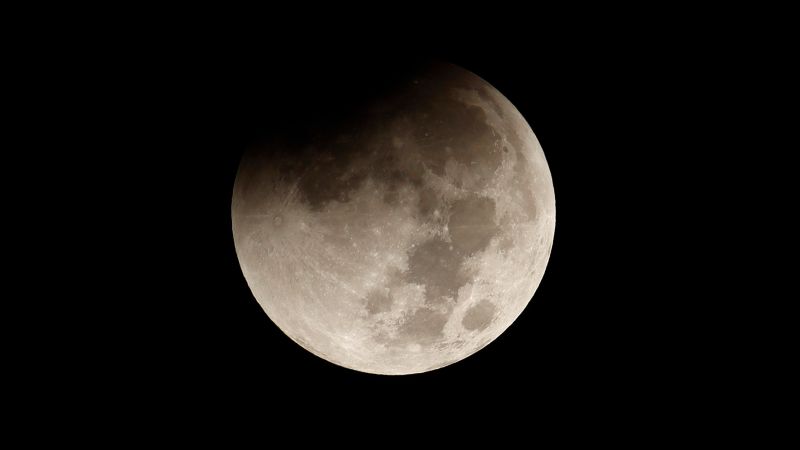
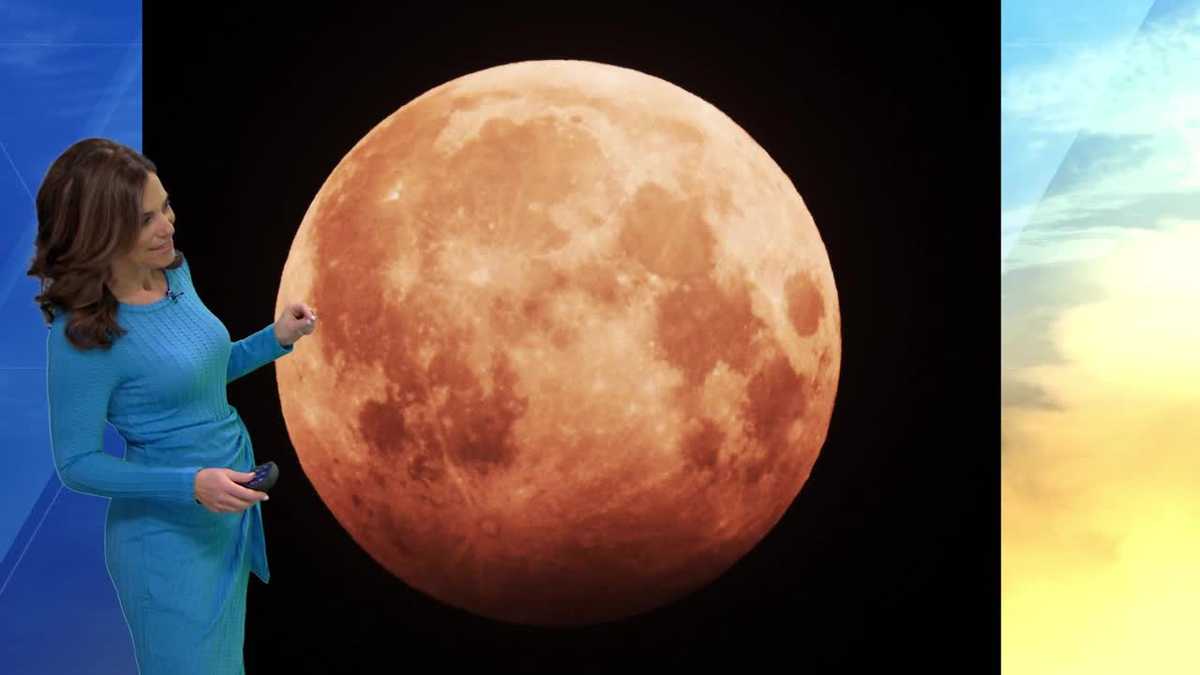
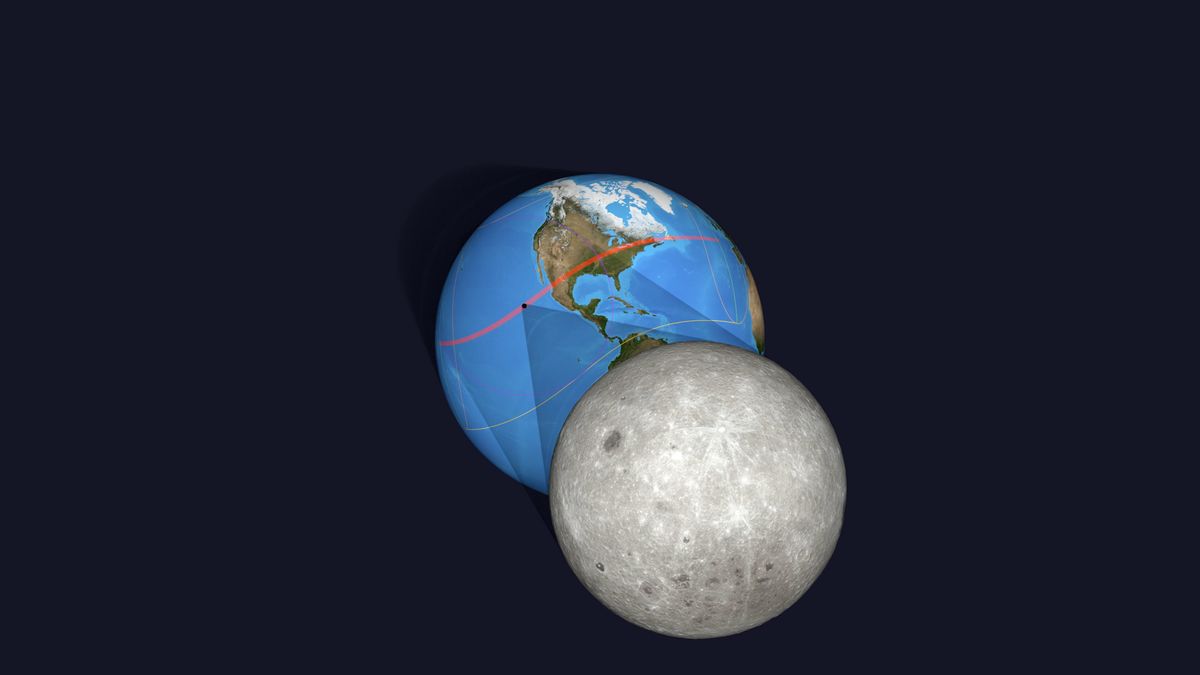
The full Worm Moon experienced a partial lunar eclipse, with the fuzzy edge of Earth’s shadow casting a slight darkening over the southern part of the moon. A lunar eclipse occurs when Earth’s shadow is cast on the moon, and a total solar eclipse is set to take place in far northern New England on April 8, with Boston expecting to see about 94% of the sun blocked by the moon.

astronomy1 year ago

"Understanding the Celestial Show: The Unique Alignment of March's Lunar Eclipse and April's Total Solar Eclipse"

The upcoming penumbral lunar eclipse on March 25 will be followed by a total solar eclipse on April 8, marking the start of 2024's first "eclipse season." This occurs when the moon's orbit intersects the ecliptic, allowing for two weeks between the two types of eclipses. The moon's orbital nodes and the timing of its new or full phase are crucial in causing eclipses, resulting in short seasons during which multiple solar and lunar eclipses can occur. The article also explains the occurrence of partial and penumbral eclipses and emphasizes the importance of proper eye protection when observing solar eclipses.

astronomy1 year ago

"Upcoming Worm Moon: When and Where to See It"

This weekend's "Micro Death Moon" eclipse will occur as March's full moon moves into Earth's shadow, leading to a dramatic total solar eclipse visible in parts of Mexico, the U.S., and Canada on Monday, April 8. The term "Micro Death Moon" refers to the moon being at its farthest point from Earth (apogee) during the full moon phase, and the full moon in March is also known as the "Death Moon" in Old English. The lunar eclipse will be visible from North and South America, Europe, East Asia, Australia, and New Zealand, and there will be three "supermoons" in a row later this year.

astronomy2 years ago

Unveiling the Lunar Eclipse: Myths, Facts, and Spectacular Views

Tonight, a partial lunar eclipse will be visible over the UK, Europe, Africa, the Middle East, and Asia. Only a narrow portion of the Moon will be darkened by Earth's shadow. The eclipse will occur between 20:35-21:53 BST (19:35-20:53 UT). Additionally, Jupiter will be visible near the Moon. Observing the eclipse with kids can be done through sketches or using a DSLR camera. Lunar eclipses occur when the Moon passes into Earth's shadow, causing a darkening effect.

astronomy2 years ago

October's Blood Moon: A Spooky Partial Lunar Eclipse for Halloween Weekend

A partial lunar eclipse will be visible on Saturday across Europe, Africa, most of Asia, and western Australia, with the moon appearing to have a bite taken out of it. The eclipse will be accompanied by a penumbral eclipse, causing the moon to dim slightly. Unlike a total lunar eclipse, the moon will not turn red. The upcoming eclipse coincides with October's full moon, known as the hunter's moon. Lunar eclipses occur when the moon is completely full and aligned with the sun and Earth. This will be the last eclipse of 2023, but there are other celestial events to look forward to, including meteor showers and upcoming full moons.

astronomy2 years ago

What to Expect from the Partial Lunar Eclipse on Saturday

A partial lunar eclipse will occur on October 28, two weeks after the annular solar eclipse. The eclipse will be visible in the Earth's Eastern Hemisphere, with Canada and New England having a brief glimpse. The moon will enter the penumbra, the faint outer part of the Earth's shadow, and then the umbra, the darker inner part. The partial eclipse will last for 77 minutes, with the umbra covering only about 1/20 of the moon's area. The next lunar eclipse will be a penumbral event in March 2023, followed by a total lunar eclipse in March 2025.

science2 years ago

"2023 Lunar Eclipse: A Rare and Significant Celestial Event"

The first lunar eclipse of 2023, a penumbral lunar eclipse, dimmed the full moon slightly as it passed within the outer part of Earth's shadow. The eclipse was visible from Asia, Australia, Africa, Europe, and parts of the Americas. The next lunar eclipse in October will be a partial lunar eclipse visible from Asia, Africa, and Europe, while a total lunar eclipse is not expected until 2025.

science2 years ago

Rare Lunar Eclipse Turns Full Flower Moon Red

Billions of people across five continents are preparing to witness a rare lunar eclipse, also known as a deep penumbral eclipse or a mil moon, which will occur on Friday when the Earth's shadow is cast on the full Flower Moon. Unfortunately, people in the UK may not be able to see it due to the timing. The May moon marks a time of increasing fertility when temperatures are warm enough for plants to bloom while signalling an end to late frosts.

astronomy2 years ago

"Mark Your Calendars: When and How to See the Flower Moon and Eclipses in May"

This weekend, the full 'Flower Moon' will be visible all over the world, and parts of the world will be able to view a penumbral lunar eclipse, where the moon drifts into Earth's lighter, outer shadow. The eclipse will take place between 15:14 UTC and 19:31 UTC on May 5, with maximum eclipse at 17:22 UTC. The event will take a total of 4 hours and 18 minutes. The next total lunar eclipse won't happen until March 13 to March 14, 2025.

astronomy2 years ago

"May 5th Lunar Eclipse: Where, When, and How to Watch"

On May 5, 2023, a penumbral lunar eclipse will occur, visible in Africa, Asia, Australia, and large portions of Europe. The eclipse occurs when the Earth gets between the Sun and the Moon and casts part of its shadow on the Moon. The Moon will dim slightly as it passes through the lighter part of the Earth's shadow, known as the penumbra. Lunar eclipses occur when the Moon passes through the Earth's shadow, which is not always uniform. The upcoming event is the first of a number of eclipses occurring over the next year.

astronomy2 years ago

"Mark Your Calendars: May 5, 2023 Lunar Eclipse Viewing Guide"

On May 5, 2023, a penumbral lunar eclipse will occur, visible in Africa, Asia, Australia, and large portions of Europe. The eclipse occurs when the Earth gets between the Sun and the Moon and casts part of its shadow on the Moon. The Moon will dim slightly as it passes through a lighter part of the Earth’s shadow, called the penumbra. Lunar eclipses occur when the Moon passes through the Earth’s shadow, which can only happen during a full moon when the Moon is opposite the Sun. The next total lunar eclipse will be visible from the Americas, western Europe, and western Africa on March 14, 2025.

skywatching2 years ago

Mark Your Calendars: May 5, 2023 Lunar Eclipse Will Be a Subtle Show of Wonder

A penumbral lunar eclipse will occur on May 5, 2023, starting at 11:13 a.m. EDT and peaking at 1:24 p.m. EDT. This eclipse will be visible in eastern Africa, western Asia, eastern Asia, Indonesia, Australia, and southern New Zealand. The eclipse will not be visible in the Americas as it will occur during the daytime when the moon is below the horizon. This is a weak eclipse that will do little to moderate or diminish the moon's light.

astronomy2 years ago

Mark Your Calendars: Lunar Eclipse to Grace the Skies on May 5, 2023

A penumbral lunar eclipse will occur on May 5, visible from anywhere on the globe where the moon is over the horizon, except for North America, South America, and most of Europe. During the eclipse, the moon will darken but not completely disappear as it passes into the lighter outer region of the Earth's shadow. This can lead to subtle and difficult-to-observe events, but sometimes the entire lunar face moves into the penumbra, causing a more extreme dimming that can be seen more easily by the unaided eye. The last time a penumbral eclipse was visible from the contiguous U.S. was on Nov. 30, 2020, and the next time such an event will be visible from this region of the globe will be on March 25, 2024.