Tag

Leonid Meteor Shower

All articles tagged with #leonid meteor shower

science1 year ago

Catch the Leonid Meteor Shower at Its Peak This Weekend

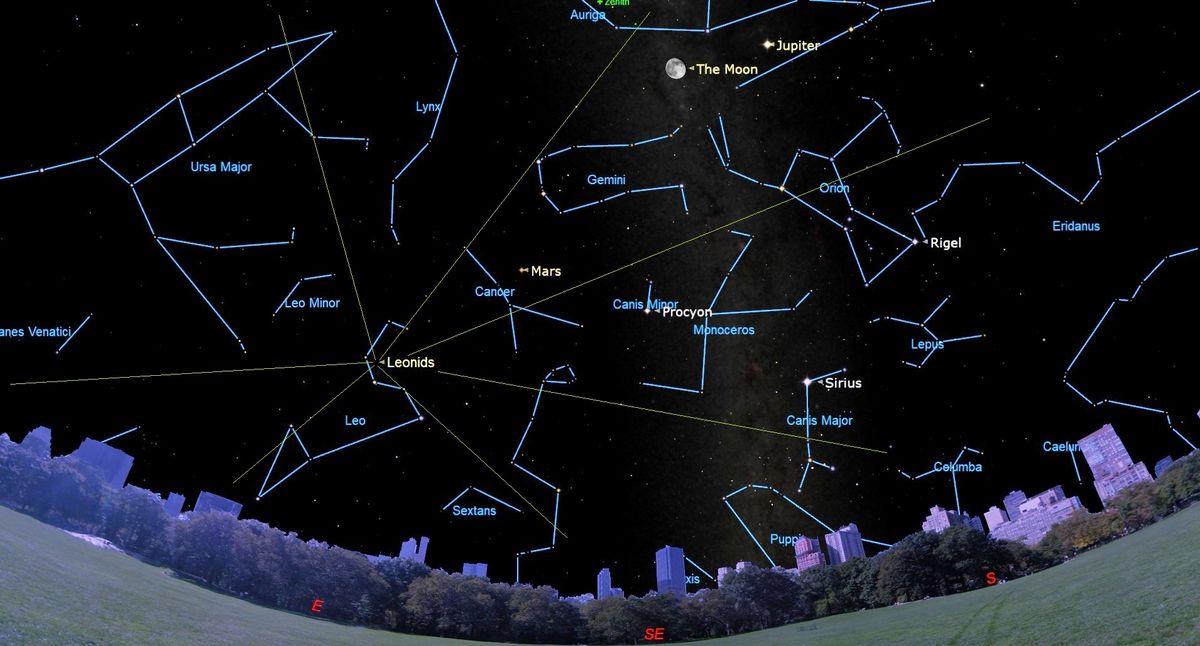
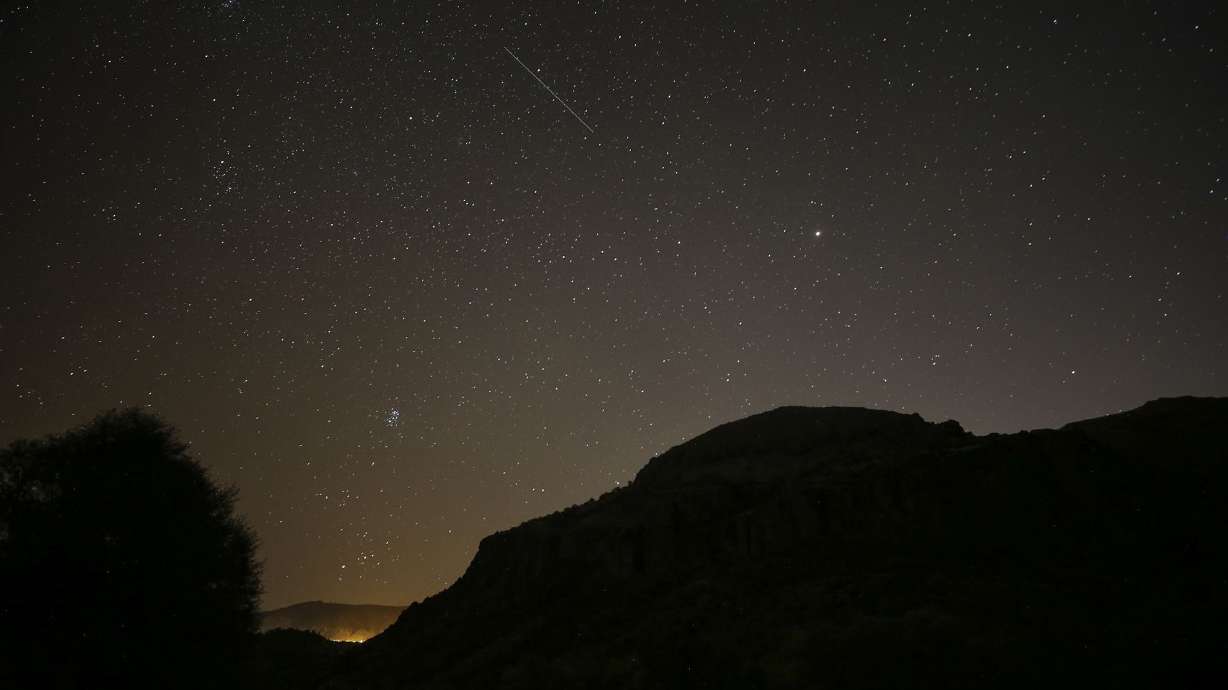
The Leonid Meteor Shower peaked on Monday morning, offering 10-15 meteors per hour, but can still be viewed in the coming nights. However, visibility may be affected by a bright waning gibbous moon and occasional cloud cover. Optimal viewing times are from midnight to dawn, and viewers should allow 20 minutes for their eyes to adjust to the darkness.
science1 year ago

Catch the Leonid Meteor Shower Despite the Supermoon

The Leonid meteor shower, peaking on November 17, 2024, is expected to be underwhelming due to the bright moonlight from a nearly full moon, which will obscure the view of the meteors. Typically producing 10 to 20 meteors per hour, this year's display is unlikely to be spectacular. The Leonids originate from the debris of the Tempel-Tuttle comet, and while historically capable of producing meteor storms, no unusual activity is forecasted for 2024. Observers are advised to watch in the pre-dawn hours when Leo is visible, despite the challenging conditions.

science-and-nature1 year ago

Celestial Show: Full Moon and Leonids Meteor Shower This Weekend

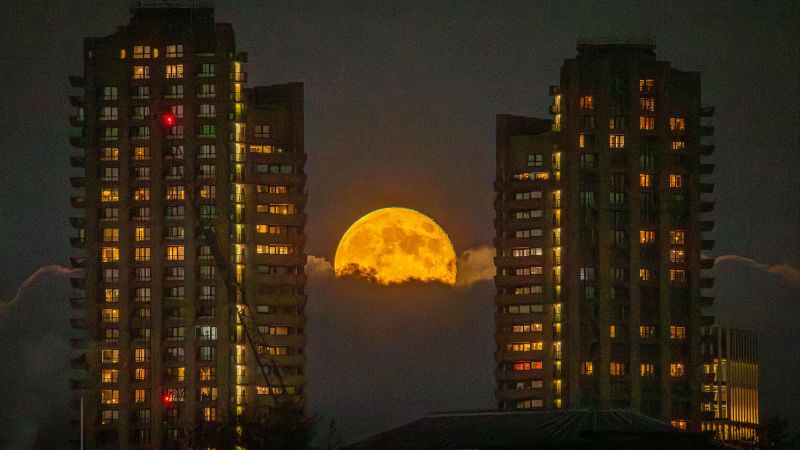
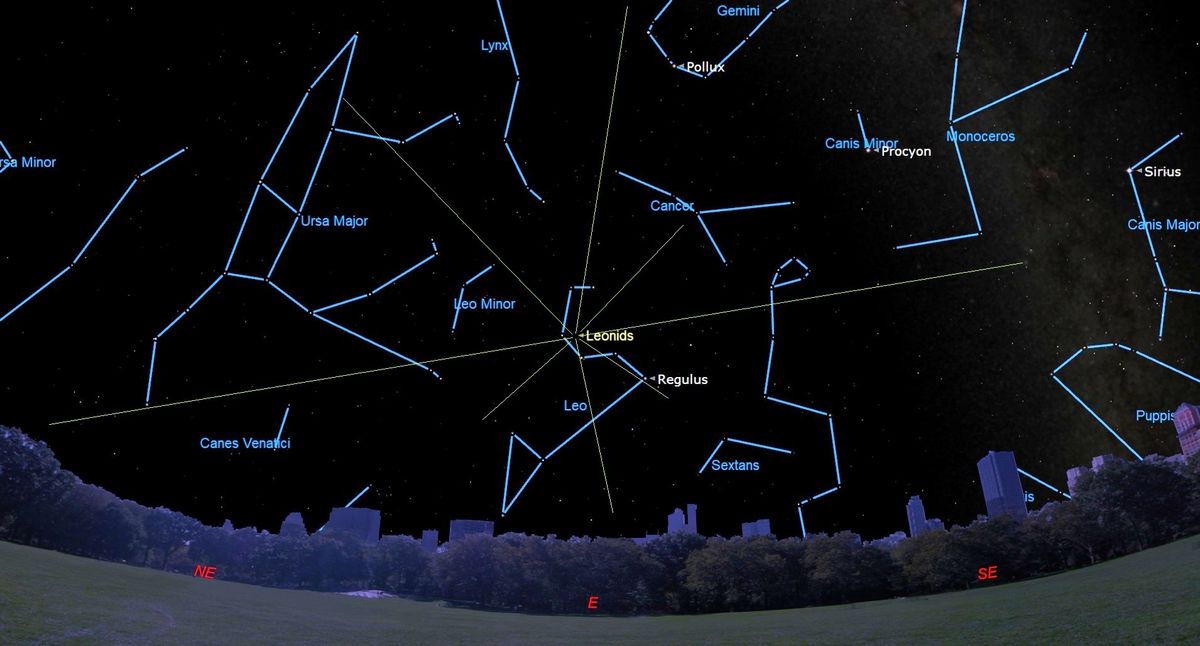
This weekend offers a celestial double feature with November's Beaver Moon, the last supermoon of the year, and the Leonid meteor shower peaking on Saturday night into early Sunday. The Beaver Moon, named for the time when beavers prepare for winter, is slightly farther than October's supermoon but still offers a striking view, especially when rising. The Leonid meteor shower, typically producing 15 meteors per hour, may be less visible due to the moon's brightness, with around five meteors per hour expected. Observers are advised to face east and look halfway up the sky for the best chance to see meteors.

science1 year ago

Catch the Year's Final Supermoon and Meteor Shower This Weekend

The last supermoon of the year, known as the beaver moon, will peak on Friday, coinciding with the Leonid meteor shower, which reaches its peak on Saturday night. The beaver moon, named for the time when beavers prepare for winter, will appear full to the naked eye for about three days. This supermoon is the fourth consecutive one this year, appearing slightly larger and brighter due to its proximity to Earth. However, the full moon's brightness may reduce visibility of the Leonid meteors, which typically produce 15 meteors per hour but may only show around five per hour this weekend.

science-and-nature1 year ago

Final Supermoon of 2024: Beaver Moon to Illuminate Skies

The last supermoon of 2024 will be visible in Connecticut on Friday, with moonrise at 4:05 p.m., weather permitting. Known as the beaver moon, this supermoon occurs when the moon is at its closest point to Earth, appearing larger and brighter. Although not the brightest supermoon of the year, it will still be a spectacular sight. The full moon may affect visibility of the Leonid meteor shower, which peaks this weekend and is known for its fireballs and earth-grazers.

science1 year ago

Leonid Meteor Shower: When and Where to Watch This November

The Leonid meteor shower, known for its fast and bright meteors, will be visible from November 6-30, with a peak on the night of November 17-18. Originating from comet 55P/Tempel-Tuttle, these meteors can travel at speeds of up to 70 km/s. While the Leonids can produce meteor storms every 33 years, the next one isn't expected until 2032. For optimal viewing, observers should look east after midnight on November 18.

astronomy2 years ago

"Apocalyptic Meteor Shower: Geminids 2023 Viewing Guide and Forecast"

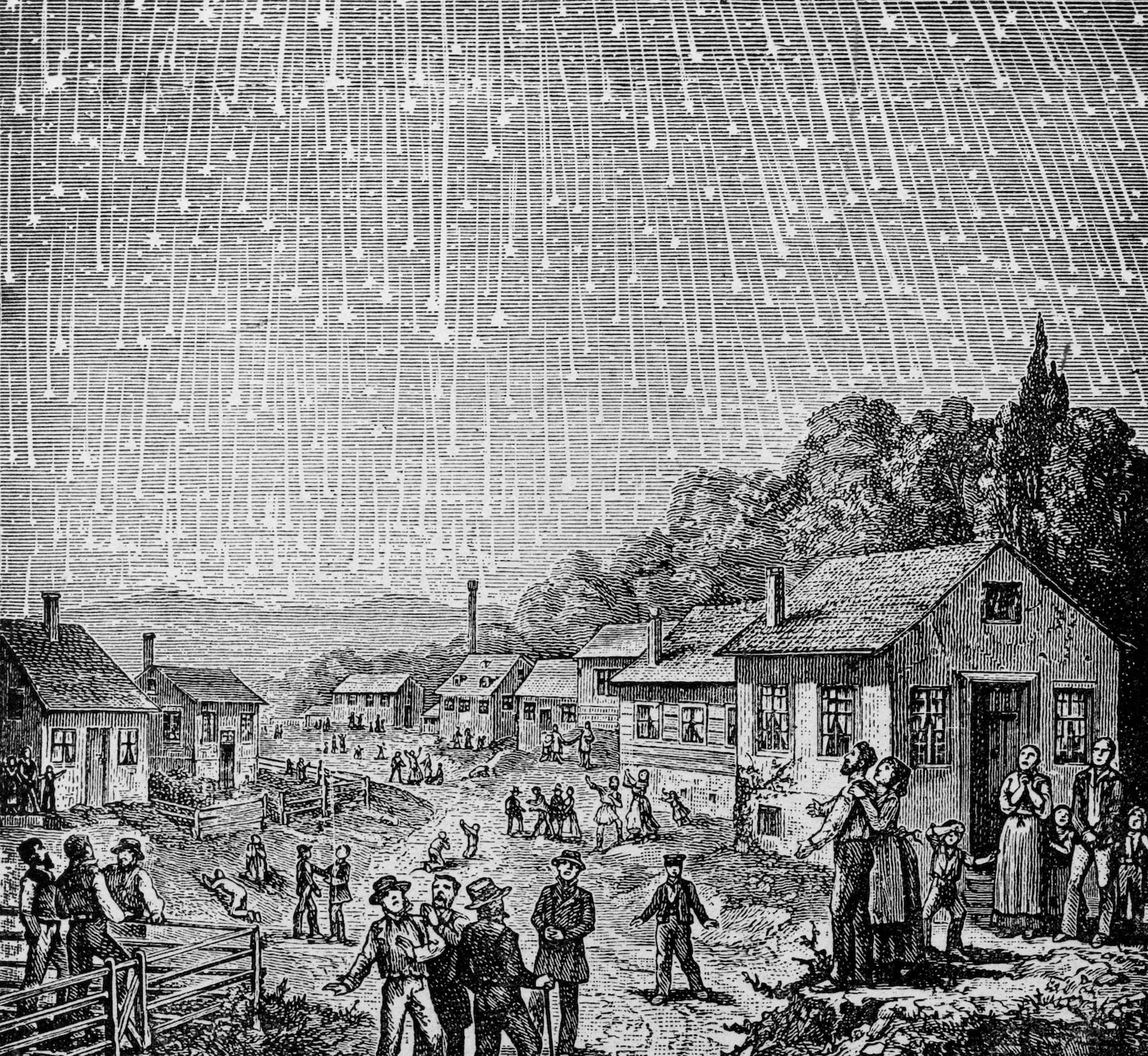
The Leonid Meteor Shower of 1833, with an estimated 240,000 meteors lighting up the sky in a nine-hour period, caused widespread panic and belief in an impending apocalypse. Many people turned to religion for answers, while scientists studied the event to understand its cause. This event marked the birth of modern meteor astronomy, leading to the discovery that meteor showers are often produced by comets. The next major meteor storm of the Leonids is expected in 2033 or 2034.

astronomy2 years ago

"Stargazers Alert: Leonid Meteor Shower to Illuminate Weekend Skies"

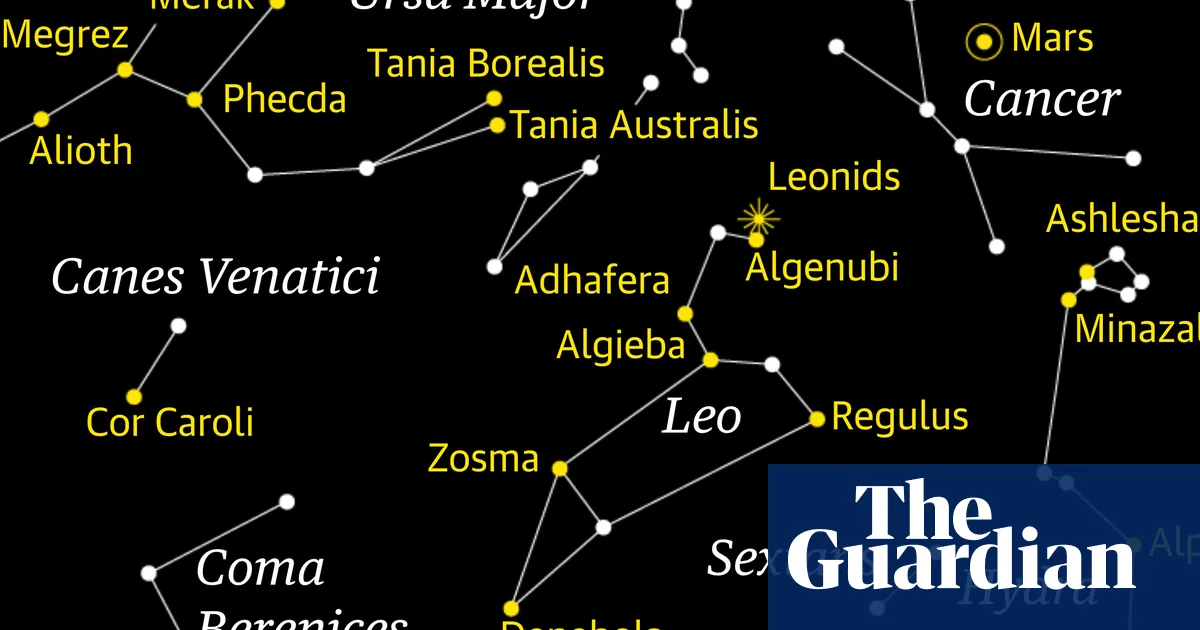
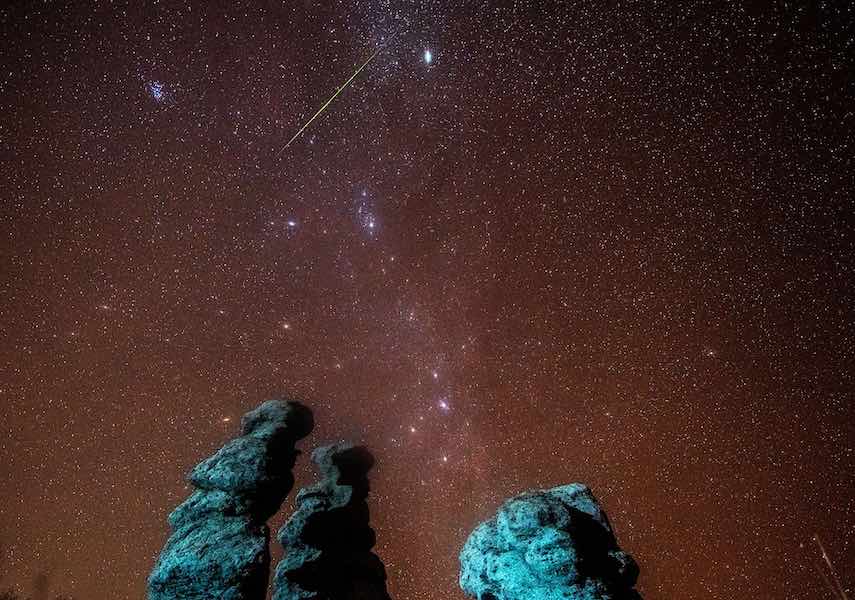
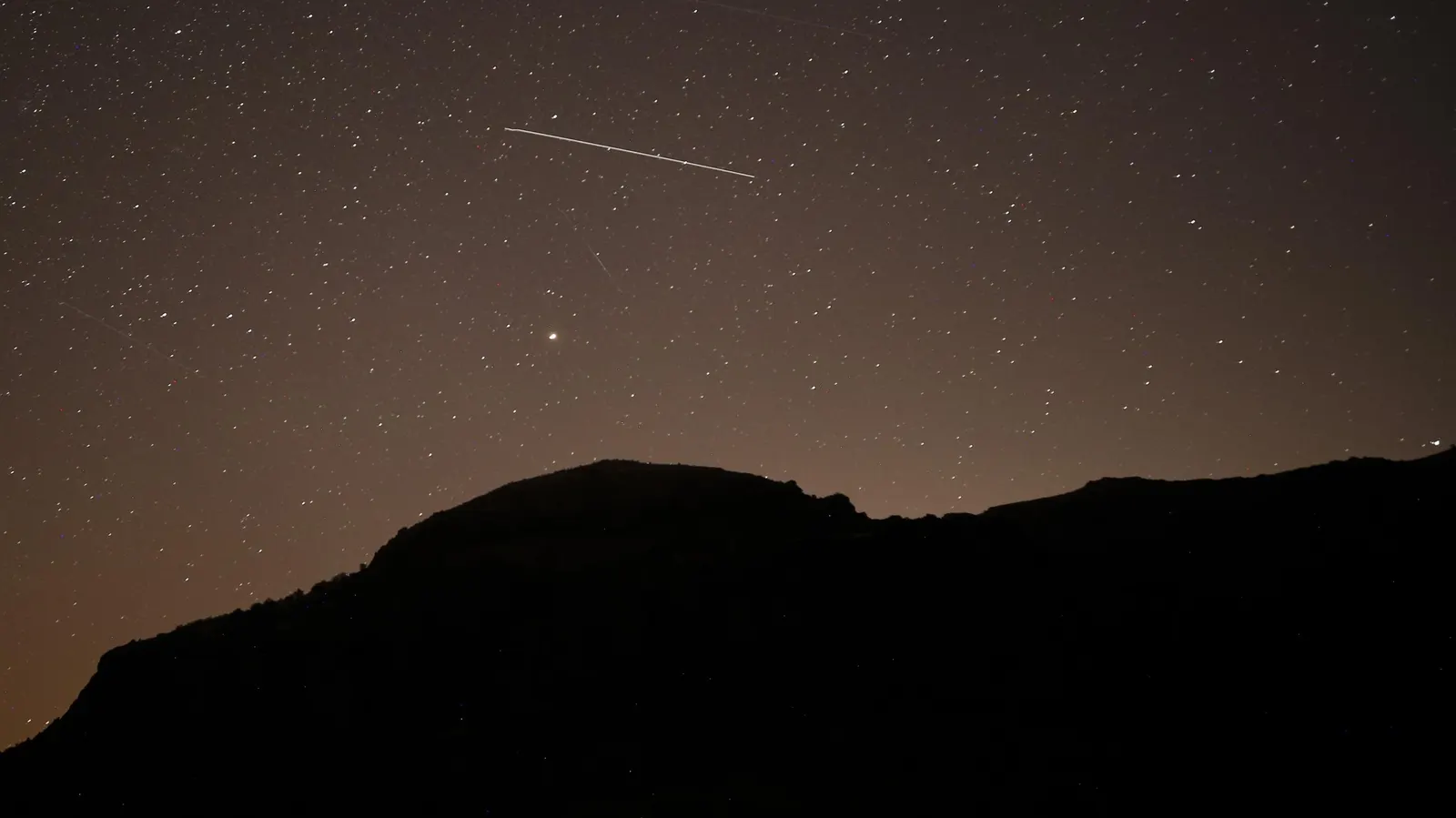
The Leonid meteor shower is set to peak this weekend, producing bright meteors with persistent trains streaking across the night sky. Sky-gazers can expect to see 10 to 15 meteors per hour in a dazzling display. The best time to view the shower is after midnight when the constellation Leo is highest in the sky. While meteor storms are not predicted for this year, there is always a chance to see more meteors than the predicted rate. To fully enjoy the meteor shower, it is recommended to get away from light pollution.

astronomy2 years ago

"Get Ready for the Spectacular Leonid Meteor Shower this Weekend"

The Leonid meteor shower, known for its spectacular displays in the past, is expected to reach its peak on Saturday morning. However, this year's shower is predicted to be weak, with only 10 to 15 meteors per hour. To maximize your chances of seeing the meteors, find a dark, non-light polluted area and look towards the Leo constellation after midnight. The Leonids are caused by the periodic Comet Tempel-Tuttle, which leaves a trail of debris in its wake. While this year's shower may be underwhelming, future years are expected to bring more impressive displays.

astronomy2 years ago

"Stargazers Alert: Catch the Spectacular Leonid Meteor Shower Tonight!"

The Leonid meteor shower is set to peak early Saturday morning, offering a dazzling display of bright and colorful meteors. The shower will be visible in both the Northern and Southern Hemispheres, with the best visibility after midnight local time. The moon's waxing crescent phase will provide a dark sky for viewing, and NASA suggests finding a dark area away from light pollution. While some regions may experience rain and cloud cover, parts of the Midwest, Great Plains, and Rocky Mountains are expected to have clear skies. The meteors can reach speeds of 44 miles per second, and the shower will continue until sunrise.

astronomy2 years ago

Don't Miss the Spectacular Leonid Meteor Shower This Weekend!

The Leonid meteor shower, one of the fastest meteor showers, is set to peak on November 18. Viewers can expect to see around 10-15 meteors per hour in the early hours of Saturday morning. The shower occurs when Earth passes through the debris left behind by the comet Tempel-Tuttle. While not as impressive as the Taurid meteor shower, the Leonids still offer a beautiful show. Meteor storms, with an unprecedented number of comets, have been observed in the past, but they only occur roughly every 33 years. To get the best view, viewers should find a dark location away from city lights and give their eyes time to adjust.

astronomy2 years ago

Celestial Spectacle: Moon's Growth and Shooting Stars Illuminate Night Sky

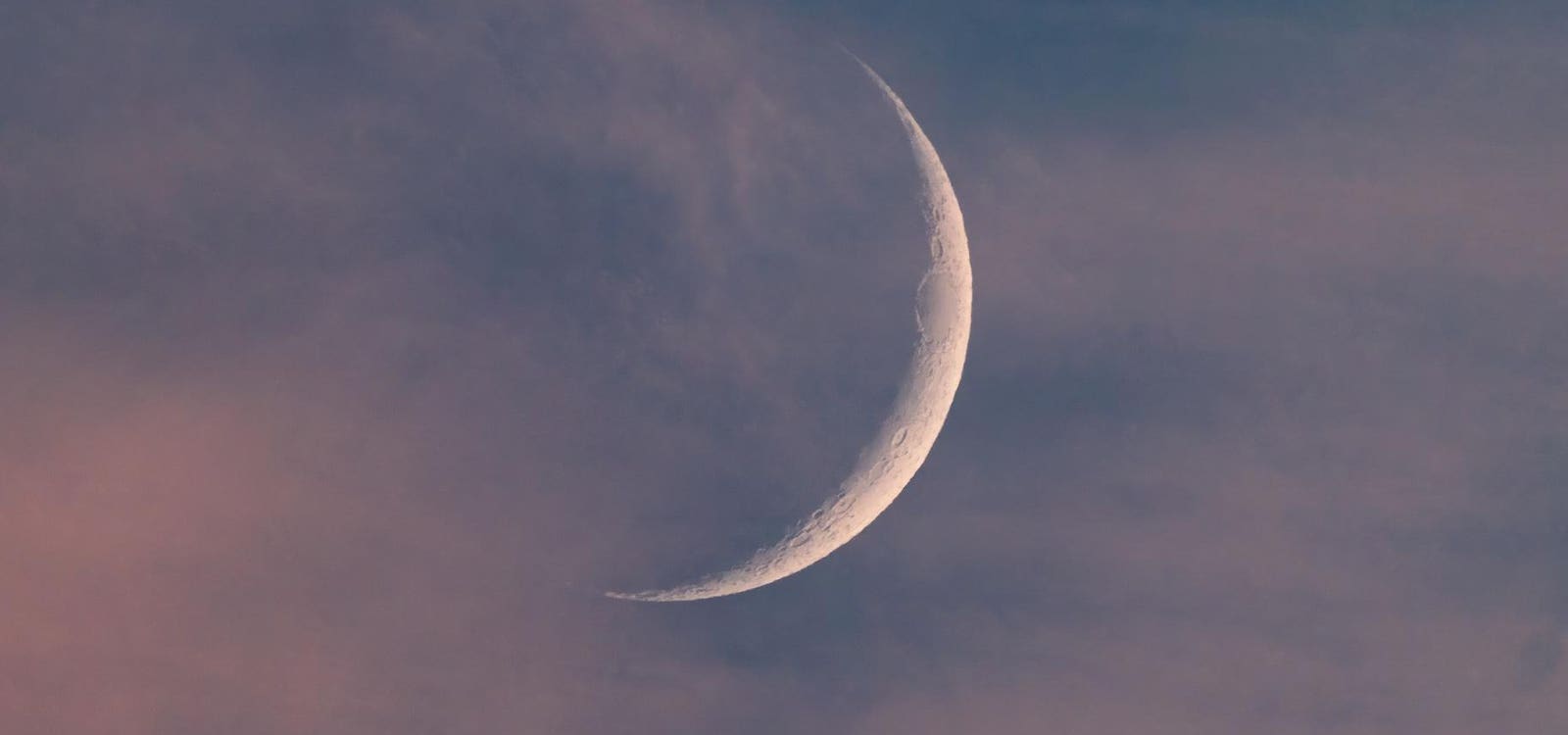
This week offers great opportunities for stargazing with moon-free nights. The crescent moon will gradually brighten each evening, providing a chance to observe "Earthshine" reflected from our planet's oceans and ice-caps. Additionally, the Leonid meteor shower will peak on Friday/Saturday, offering a display of about 15 shooting stars per hour. To enhance your stargazing experience, consider joining an astronomy club to learn from others and explore the night sky together.

astronomy2 years ago

2023 Leonid Meteor Shower: Your Guide to Watching in the UAE

The annual Leonid meteor shower will reach its peak on the night of November 17 until dawn on November 18. Although typically producing about 15 shooting stars per hour, the Leonids have the potential to create meteor storms, with up to thousands of meteors seen per hour. This year, the shower is not expected to produce a storm, but it is still a good year to view the celestial show due to minimal interference from moonlight. To optimize viewing, find a dark location away from city lights and allow your eyes to adjust to the darkness for 30 minutes.

astronomy2 years ago

"Mark Your Calendars: Leonid Meteor Shower 2023 - A Spectacular Celestial Show!"

The annual Leonid meteor shower will peak on the night of November 17-18, 2023. This year, viewers can expect to see 10 to 15 meteors per hour under a dark sky after the moon has set. The meteors are debris from the comet 55P/Tempel-Tuttle and appear to come from the constellation Leo the Lion. To view the peak, watch late on the night of November 17 until dawn on November 18. The Leonids have produced meteor storms in the past, with rates as high as 100,000 meteors per hour.

astronomy2 years ago

"November's Celestial Giant: Exploring the Solar System's Behemoth"

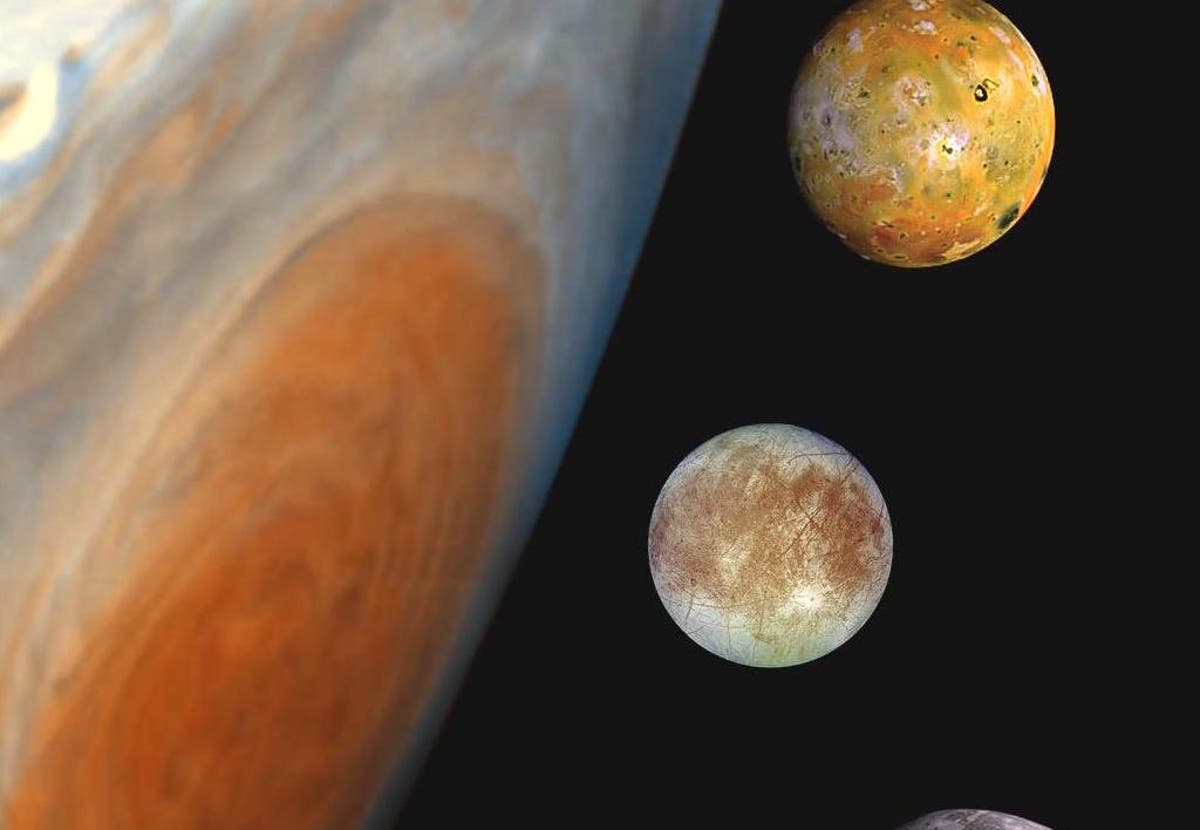
Jupiter, the largest planet in the solar system, is at its closest this month, making it a magnificent sight for stargazers. With its steady yellow-white light, Jupiter outshines all the stars and is accompanied by its largest moons, including Ganymede, which is visible with the naked eye. Jupiter's immense size, fast rotation, and unique atmospheric features, such as the Great Red Spot and powerful storms, make it a fascinating celestial object. Robotic missions like Juno and upcoming missions like JUICE and Europa Clipper are exploring Jupiter and its moons to uncover more secrets of this behemoth planet. Additionally, stargazers can also look forward to the Leonid meteor shower and the sight of Venus as the brilliant Morning Star.