Tag

Skywatching

All articles tagged with #skywatching

Six-planet sky parade lights up twilight this weekend
space18 hours ago

Six-planet sky parade lights up twilight this weekend

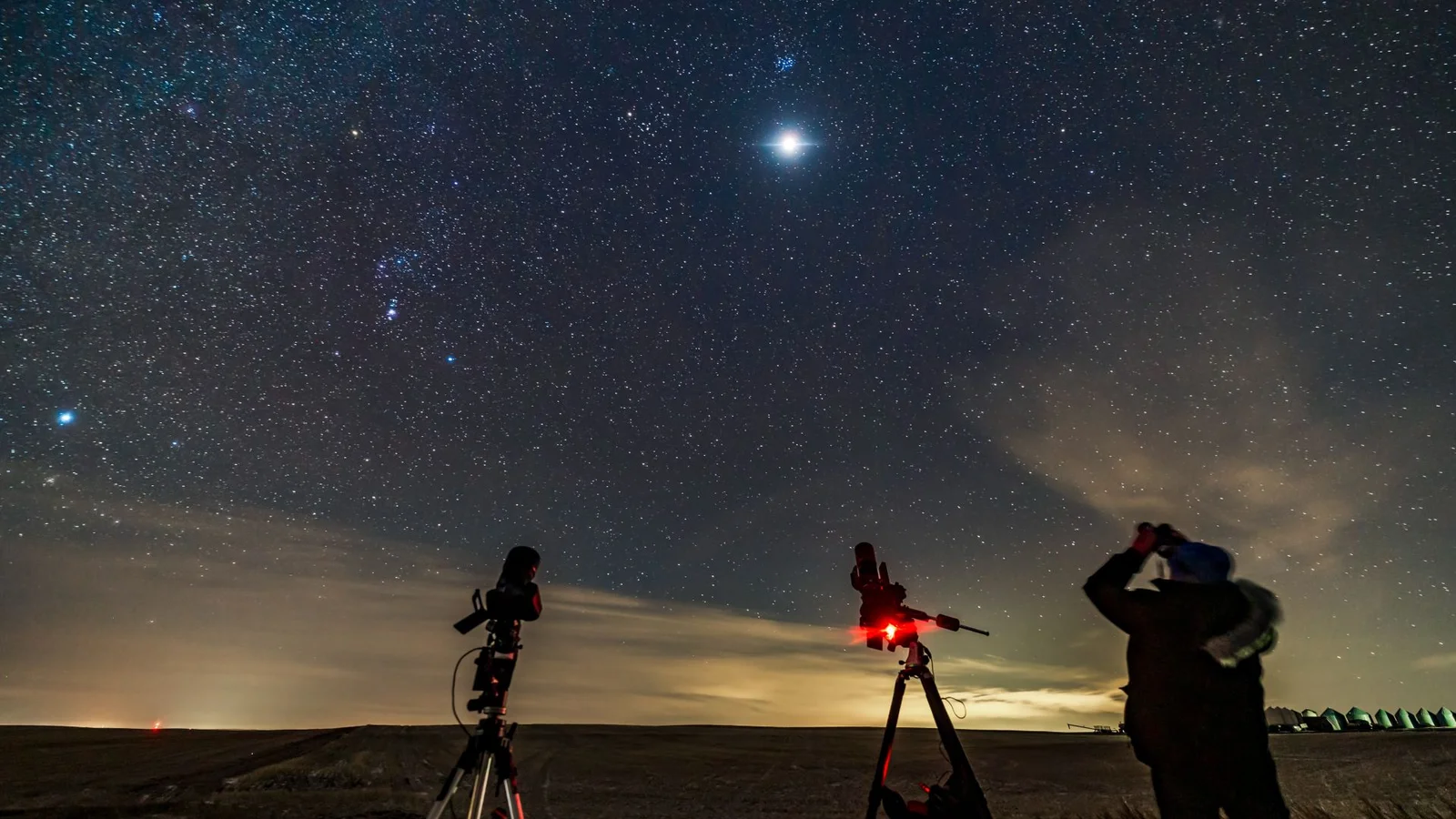
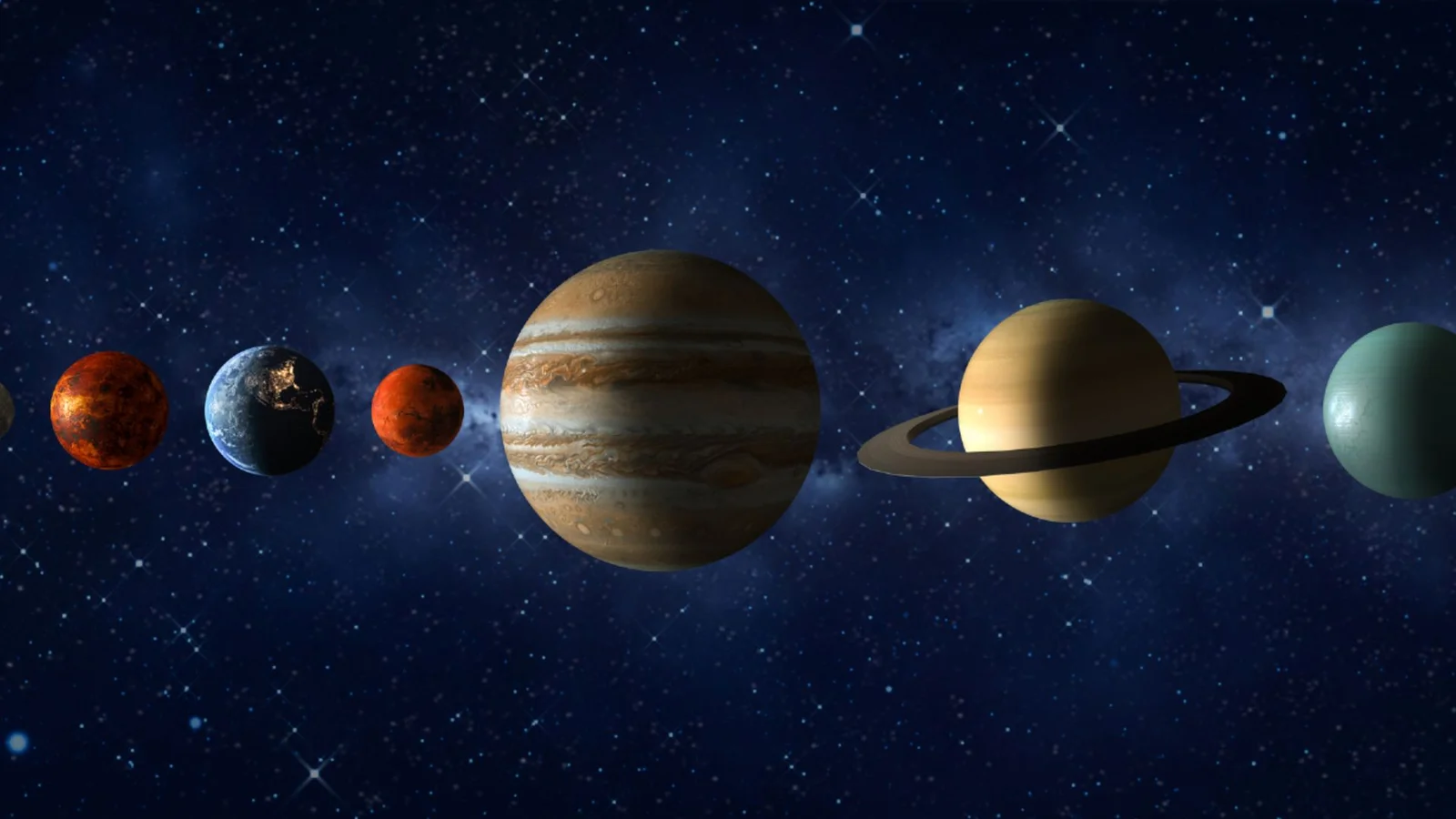
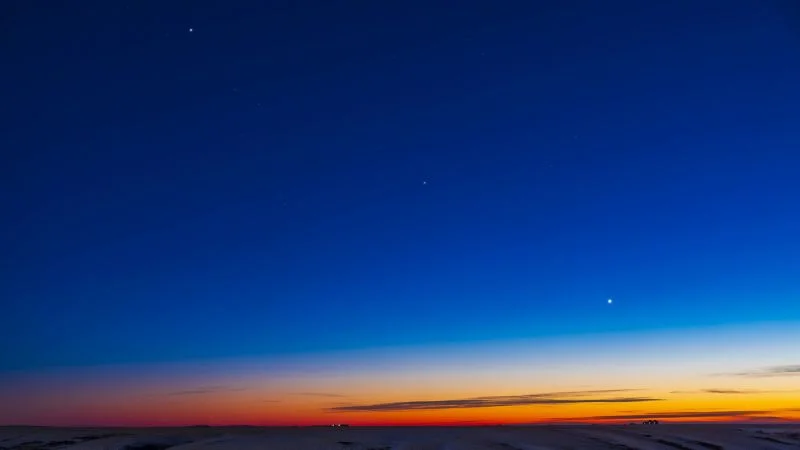
NASA says a six-planet alignment will brighten the night sky this Saturday (weather permitting): Mercury, Venus, Saturn and Jupiter should be visible to the naked eye, while Uranus and Neptune will require binoculars or a telescope. The display is best at twilight and visible worldwide, with viewing times varying by location and planets roughly 10 degrees above the horizon. Venus will be the brightest after the Sun and Moon; Mars will appear as a red dot; Saturn will have a yellowish hue; Jupiter will be high overhead; Mercury will be the hardest to spot, best about 30–60 minutes after local sunset. The event illustrates how planetary orbits shift relative to Earth and even informs mission planning; keep an eye out for related celestial events later this year, like a total lunar eclipse and a Venus–Jupiter pairing on June 8–9.
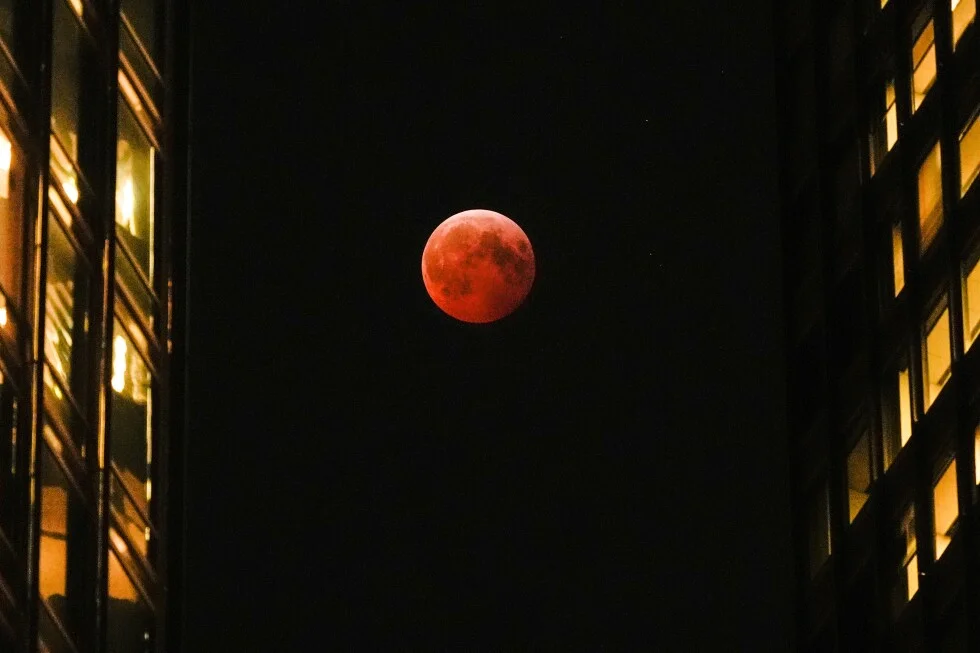
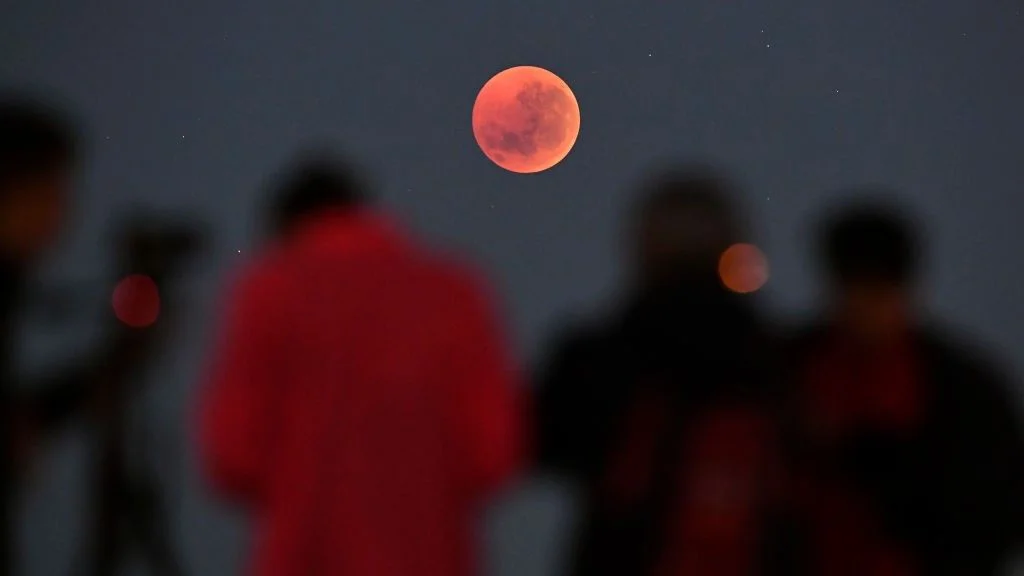
March 3, 2026 blood moon: prime spots to catch the total lunar eclipse
space3 days ago

March 3, 2026 blood moon: prime spots to catch the total lunar eclipse

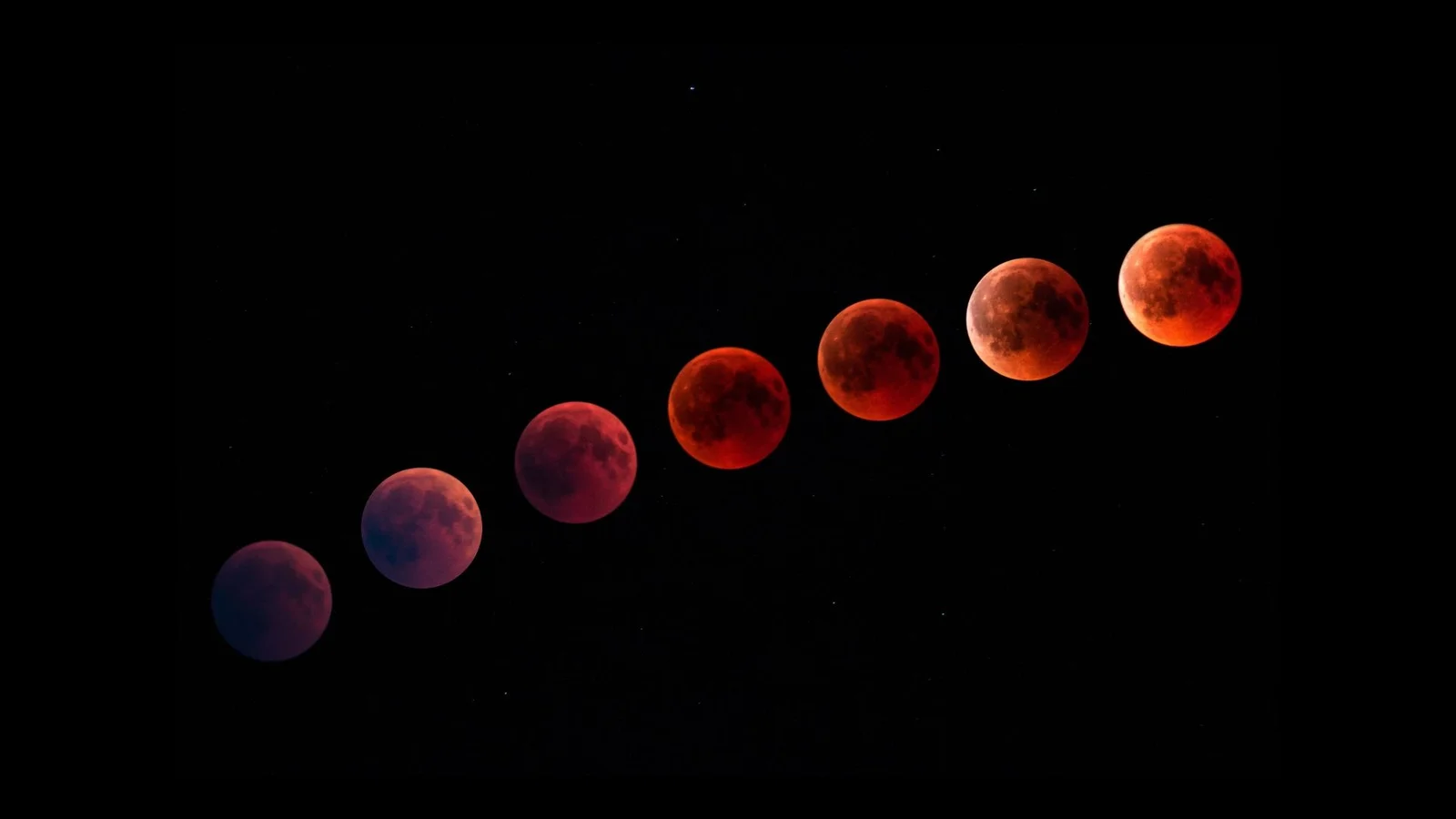
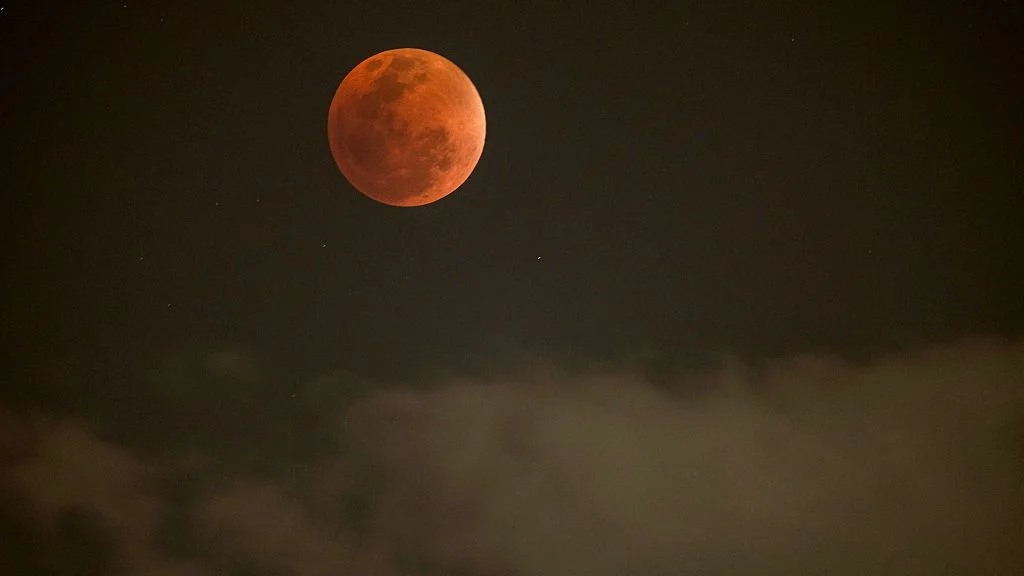
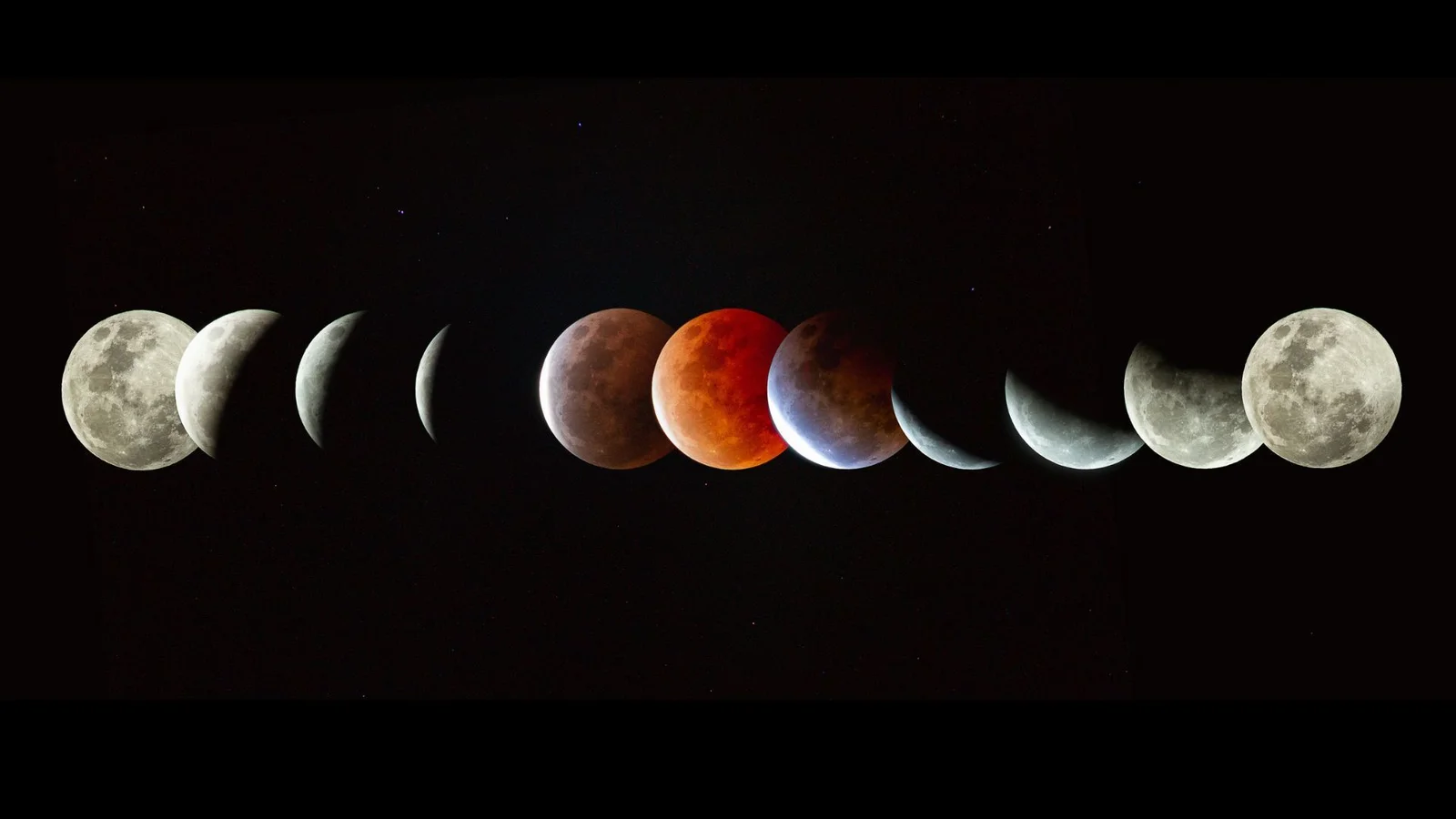
Space.com reports that the March 3, 2026 total lunar eclipse will turn the Moon copper-red (the “blood moon”) and be visible across the night side of Earth, with the best views from western North America, Australia and the Pacific. Totality lasts 58 minutes, from 6:04 to 7:02 a.m. EST, with local times varying by zone; check TimeandDate for your location. Watching is safe with the naked eye.

Moon Dances with the Seven Sisters Tonight: See the Pleiades Pairing on Feb 23
stargazing4 days ago

Moon Dances with the Seven Sisters Tonight: See the Pleiades Pairing on Feb 23

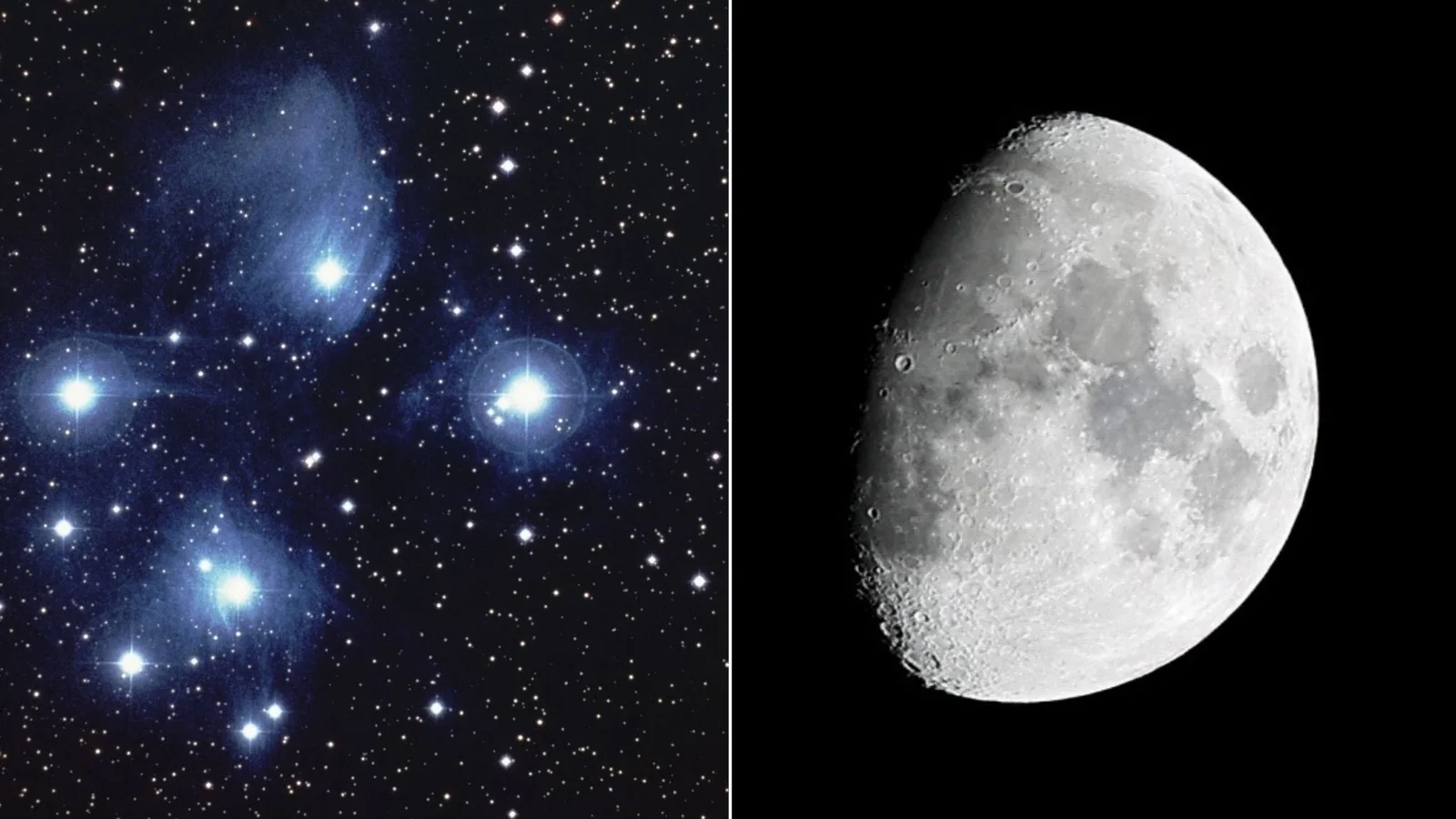
On Feb 23, the waxing gibbous Moon will glow near the Seven Sisters open star cluster (the Pleiades) in Taurus, making a striking pairing in the western sky. The Moon will sit within about 5 degrees of the cluster and can be viewing with binoculars or a small telescope; it will move past the Pleiades through the night and set a few hours after midnight for New York observers, though exact rise/set times vary by location—check Time and Date for precise timings.

All eyes on March 3: billions to witness 2026 blood moon during total lunar eclipse
space4 days ago

All eyes on March 3: billions to witness 2026 blood moon during total lunar eclipse

Space.com reports that in about a week a total lunar eclipse will turn the Moon a vivid blood red, visible to billions across the Americas, Europe, Asia and Oceania (weather permitting). Totality lasts about 58 minutes, with penumbra beginning around 3:33 a.m. EST on March 3, umbra entering at 4:50 a.m. EST and totality starting at 6:04 a.m. EST; timings vary by location. The reddish hue comes from Rayleigh scattering in Earth’s atmosphere. Viewers in the US may see different phases depending on where they are, and can check local timings on TimeandDate. Telescopes can enhance the view (e.g., Celestron Inspire 100AZ). The eclipse coincides with March’s full Moon, known as the Worm Moon.

Six-Planet Parade Lights Up Western Heavens After Sunset
space5 days ago

Six-Planet Parade Lights Up Western Heavens After Sunset

A rare planetary parade will bring Venus, Mercury, Saturn, Neptune, Uranus and Jupiter into the western evening sky after sunset on Feb. 28, with Venus and Mercury near the horizon and Saturn/Neptune nearby; binoculars may help spot Neptune. The Moon will accompany the Beehive Star Cluster that night, and a total lunar eclipse (the “Blood Moon”) is expected on March 3, visible from parts of the western U.S., Pacific, New Zealand, Australia and East Asia. The window to view this alignment is brief and best with a clear, unobstructed western horizon.

Elite skywatching gear for 2026: smart telescopes, stabilized binos, and AI-powered mounts
space9 days ago

Elite skywatching gear for 2026: smart telescopes, stabilized binos, and AI-powered mounts

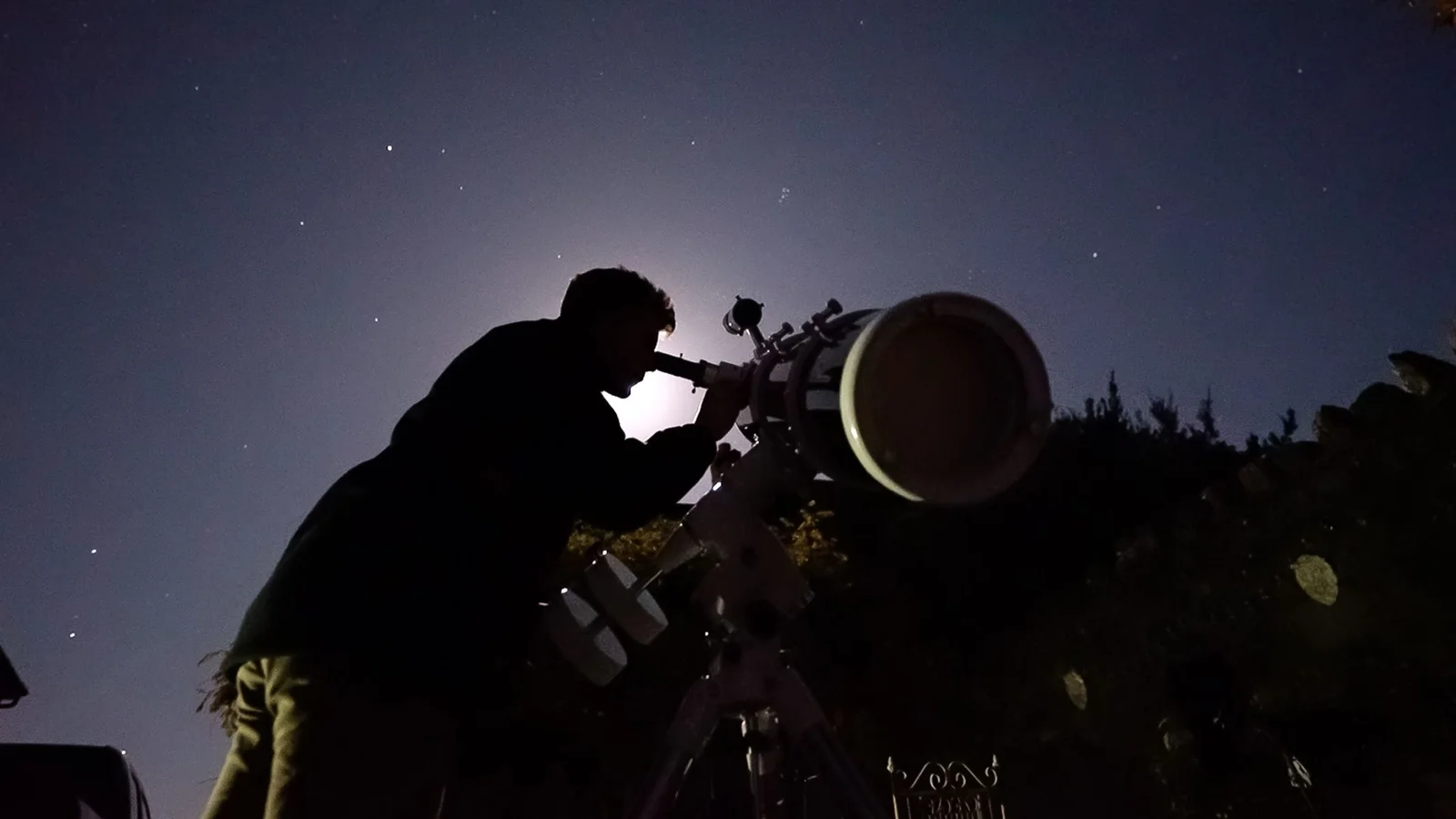
Space.com’s premium skywatching gear guide for 2026 highlights high-end, automation-rich equipment—from image-stabilized binoculars (Canon 18x50 IS UD; Fujifilm TS-L 16x40; Canon 10x42 L IS WP) to smart telescopes (Unistellar Envision, eVscope 2, Odyssey Pro, Vaonis Vespera Pro, Celestron Origin Mark II) and GoTo mounts (Celestron StarSense DX 130AZ, Sky-Watcher Star Adventurer GTi, Benro Polaris Astro)—emphasizing how better optics and software let you find, capture, and share celestial targets, albeit at premium prices.

Antarctica readies for a dramatic ring of fire solar eclipse in 2026
space18 days ago

Antarctica readies for a dramatic ring of fire solar eclipse in 2026

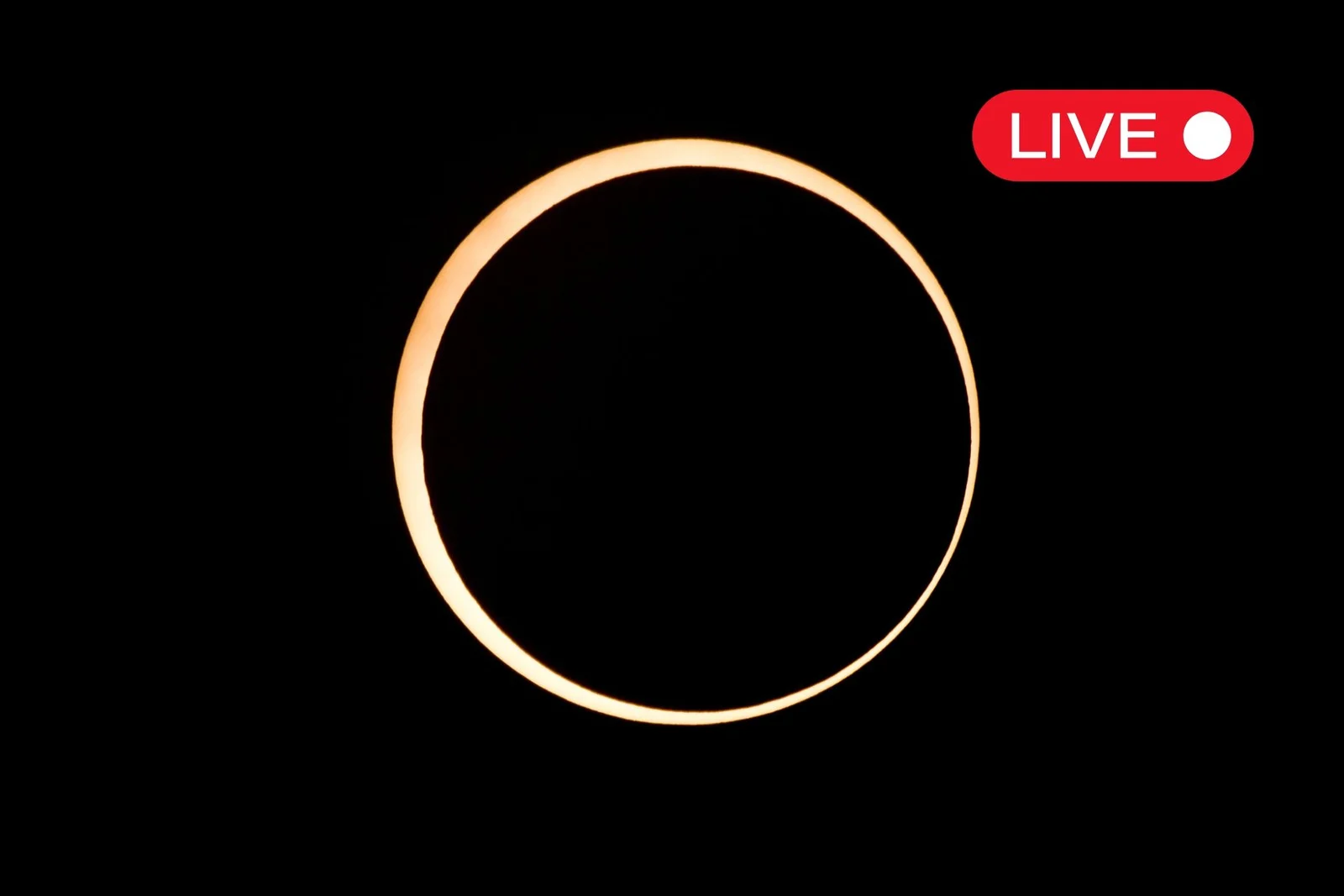
The February 17, 2026 event will be an annular (ring of fire) solar eclipse, visible mainly from Antarctica where up to about 96% of the Sun will be obscured for a little over two minutes; a partial eclipse will also be seen across parts of Antarctica, southern Africa, and the southern tip of South America. The live updates cover viewing tips, safety precautions, and guides for observers looking to catch the spectacle.

Giant Sunspot AR4366 Turns Toward Earth — See It Safely
stargazing23 days ago

Giant Sunspot AR4366 Turns Toward Earth — See It Safely

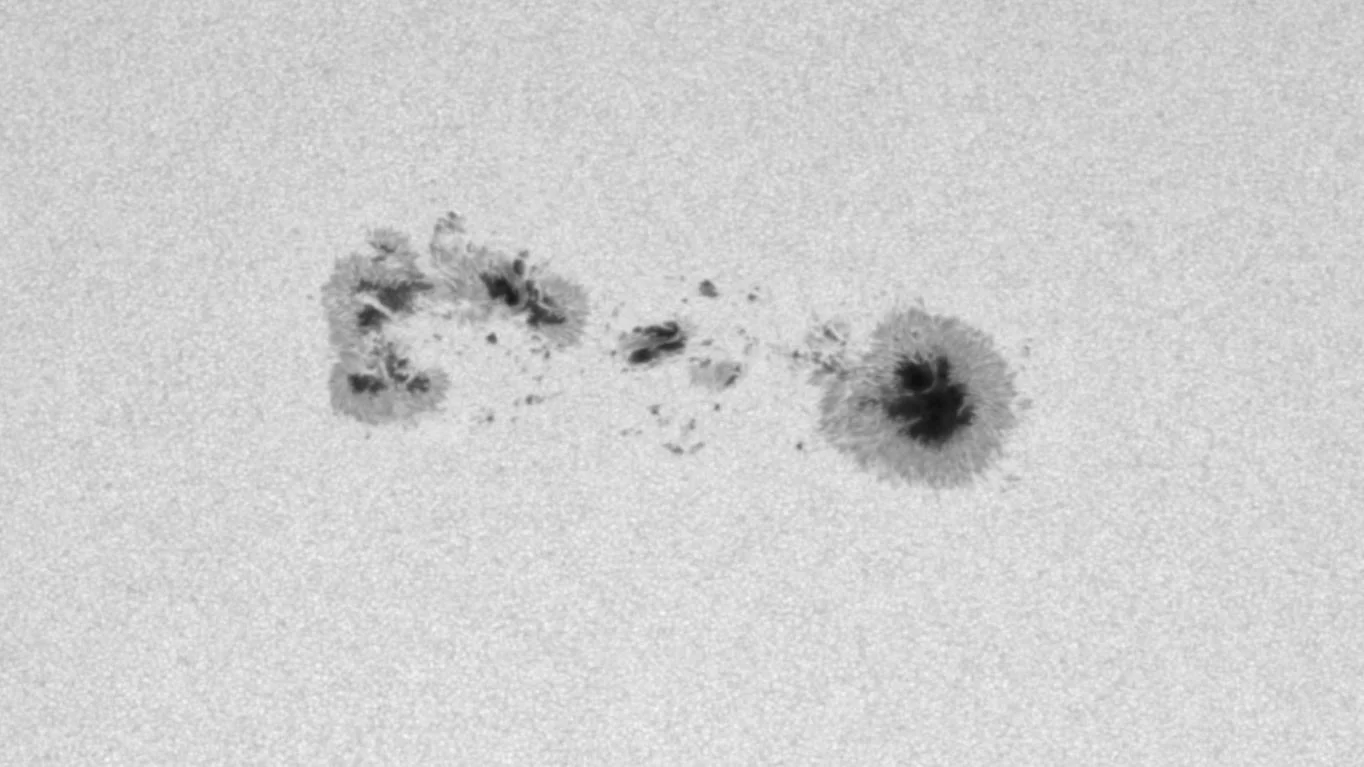
Astronomers report sunspot AR4366, about 15 times the width of Earth, is facing our planet and has already produced multiple strong M- and X-class solar flares that can disrupt radio signals. The piece explains how to view the sunspot safely with proper solar eclipse glasses or filtered optics, noting AR4366 will remain visible for several days and could spawn more flares and geomagnetic activity.

Preview the March total lunar eclipse by tracking the Moon on Feb 4
space24 days ago

Preview the March total lunar eclipse by tracking the Moon on Feb 4

Space.com explains that you can forecast where the Moon will be during the March 3 total lunar eclipse by watching its position on Feb. 4. By noting the Moon’s location two hours and eight minutes later, observers can estimate its position at the start of totality for different U.S. time zones, aided by a time-table showing eclipse phases across EST, CST, MST and PST. The piece also notes checking for local obstructions (trees, buildings) and that Space.com will provide more eclipse details as the event approaches.

Snow Moon Illuminates Winter Skies Worldwide as Artemis 2 Looms
astronomy25 days ago

Snow Moon Illuminates Winter Skies Worldwide as Artemis 2 Looms

February’s full Moon, nicknamed the Snow Moon, lit up winter skies worldwide as it rose opposite the Sun, with photographers in Italy, the United States, Panama, and Canada capturing striking lunar images; the piece also notes NASA’s Artemis 2 readiness at Kennedy Space Center and invites skywatchers to try lunar photography, looking ahead to the Worm Moon in March.

Moon Meets the Seven Sisters: A Sunset Skywatching Show Tonight
stargazing1 month ago

Moon Meets the Seven Sisters: A Sunset Skywatching Show Tonight

After sunset on Jan. 27, the 76% lit Moon will sit about 5 degrees from the Pleiades open star cluster in Taurus, offering a chance to spot the Seven Sisters with binoculars. The Moon will drift away and set around 3 a.m. local time, making the view more challenging by nightfall’s end, so look to the southeastern sky with a clear, dark-site horizon to see Asterope, Alcyone, Celaeno, Electra, Merope, Maia and Taygeta.

Dark-Sky Delights: 2026 Could Deliver the Best Meteor Showers in Years
science1 month ago

Dark-Sky Delights: 2026 Could Deliver the Best Meteor Showers in Years

After a Quadrantids peak hampered by a full Moon, 2026 looks set to offer unusually favorable meteor viewing with several showers aligning with dark skies: Perseids peak Aug 12–13 under a new Moon for exceptionally clear visuals; Geminids peak Dec 13–14 under a waning crescent; earlier showers like Lyrids (Apr 22) and Eta Aquariids (May 5–6) provide viewing opportunities with varying Moon interference; Orionids (Oct 21–22) may still produce bright meteors though Moonlight could obscure fainter ones. For best results, watch from rural or dark sites, especially after midnight for the Perseids.