Alzheimer’s disease is the most common form of dementia, but many individuals with dementia often have multiple neurodegenerative conditions such as vascular dementia, Lewy body dementia, and others, highlighting the complexity of brain health in aging populations.
A large study suggests that the shingles vaccine not only prevents shingles but also significantly reduces the risk of vascular dementia, heart attacks, strokes, blood clots, and death in adults over 50, indicating potential broader health benefits.
A recent review suggests that microplastics may contribute to vascular dementia by damaging brain blood vessels, with new classifications of the disease highlighting overlaps with Alzheimer's and the potential role of plastic particles in brain pathology, prompting a reevaluation of dementia research and treatment approaches.
Scientists at the University of New Mexico have identified hidden brain damage linked to vascular dementia, including the presence of nano- and microplastics, which may also contribute to Alzheimer's disease, highlighting the need for new classification and treatment approaches.
A new study highlights the complex role of small blood vessel damage and the presence of microplastics in the brain as contributors to dementia, suggesting the need for revised diagnostic methods and further research into environmental factors affecting brain health.
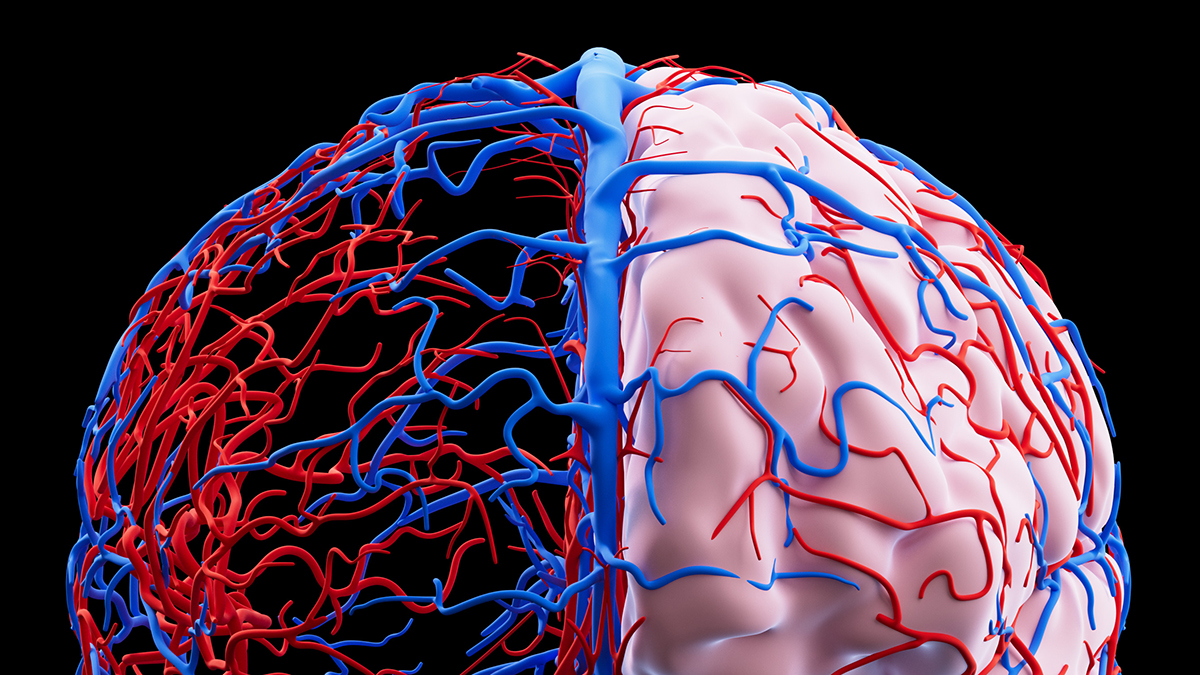
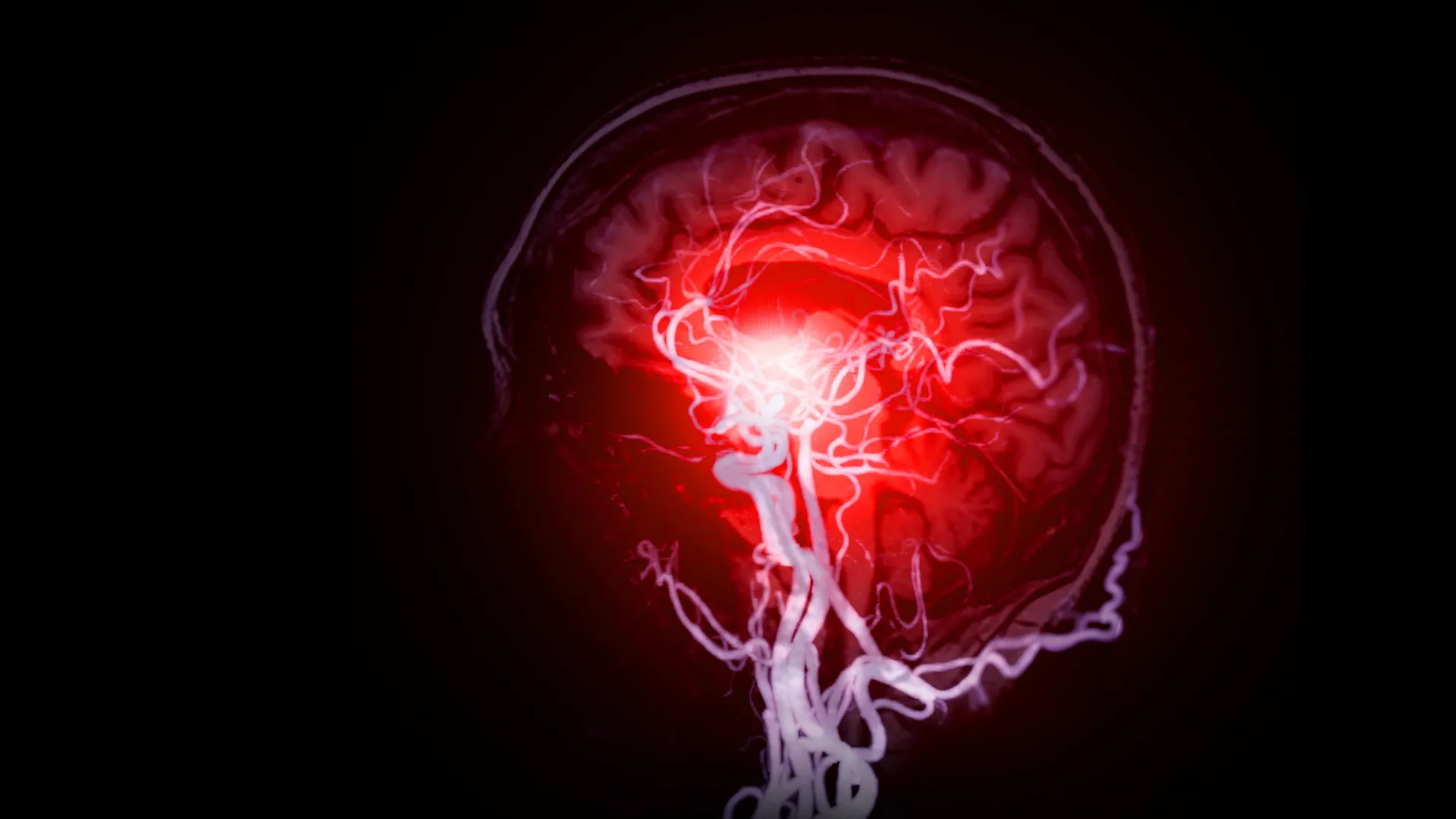
Vascular dementia, the second most common form of dementia, is a progressive disease caused by compromised blood supply to the brain, leading to cognitive impairment. Risk factors include high blood pressure, high cholesterol, diabetes, smoking, and obesity. Symptoms vary but may include difficulties with planning, reduced concentration, and changes in personality. Early diagnosis is crucial, and while there are no specific treatments, managing risk factors can slow progression. Research is focusing on understanding the disease mechanisms and potential treatments, offering hope for the future.
A new research study published in the Journal of the American Heart Association reveals that being diagnosed with coronary heart disease, particularly before the age of 45, increases the risk of developing dementia later in life. The study found that individuals with early-onset heart disease had a 36% higher risk of dementia, a 13% higher risk of Alzheimer's disease, and a 78% greater risk of vascular dementia. The findings highlight the importance of taking care of heart health to promote better brain health in the future. Incorporating heart-healthy and brain-healthy foods into one's diet is recommended.
Researchers have discovered a new form of cell death called ferroptosis, triggered by iron accumulation, which destroys microglia cells in Alzheimer's disease and vascular dementia. The study found that microglia degenerates in the white matter of the brain while attempting to clear iron-rich myelin. This new insight into the role of microglial degeneration in neurodegenerative diseases could lead to the development of novel therapeutic interventions.
Scientists have made progress in finding a potential treatment for vascular dementia, a condition caused by high blood pressure that leads to reduced blood supply to the brain. Researchers from the University of Manchester have discovered that high blood pressure disrupts communication within artery cells in the brain, causing the arteries to remain constricted and limiting blood flow. By identifying drugs that can restore this communication, experts hope to improve blood supply to affected areas of the brain and slow the progression of vascular dementia. The findings may also have implications for treating Alzheimer's disease, which causes similar damage to blood vessels.
A recent study from Columbia University and Brigham and Women’s Hospital/Harvard suggests that taking a daily multivitamin supplement could help older adults stave off memory loss. The study found that daily multivitamin supplementation improved memory in older adults after one year, an effect that was sustained over the three years of follow-up. The study also found that people who had cardiovascular disease experienced a bigger memory boost from the multivitamins. However, the study had some limitations, and older adults who are considering taking a daily multivitamin should talk to their physicians about whether supplementation is appropriate for them.