Tag

Shingles Vaccine

All articles tagged with #shingles vaccine

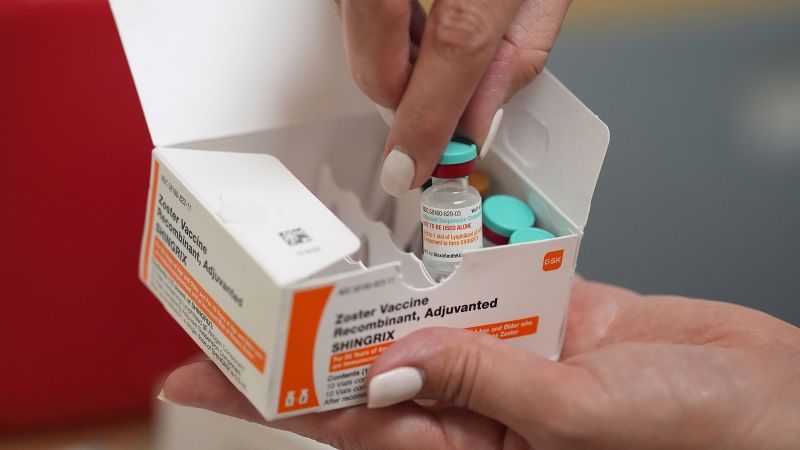
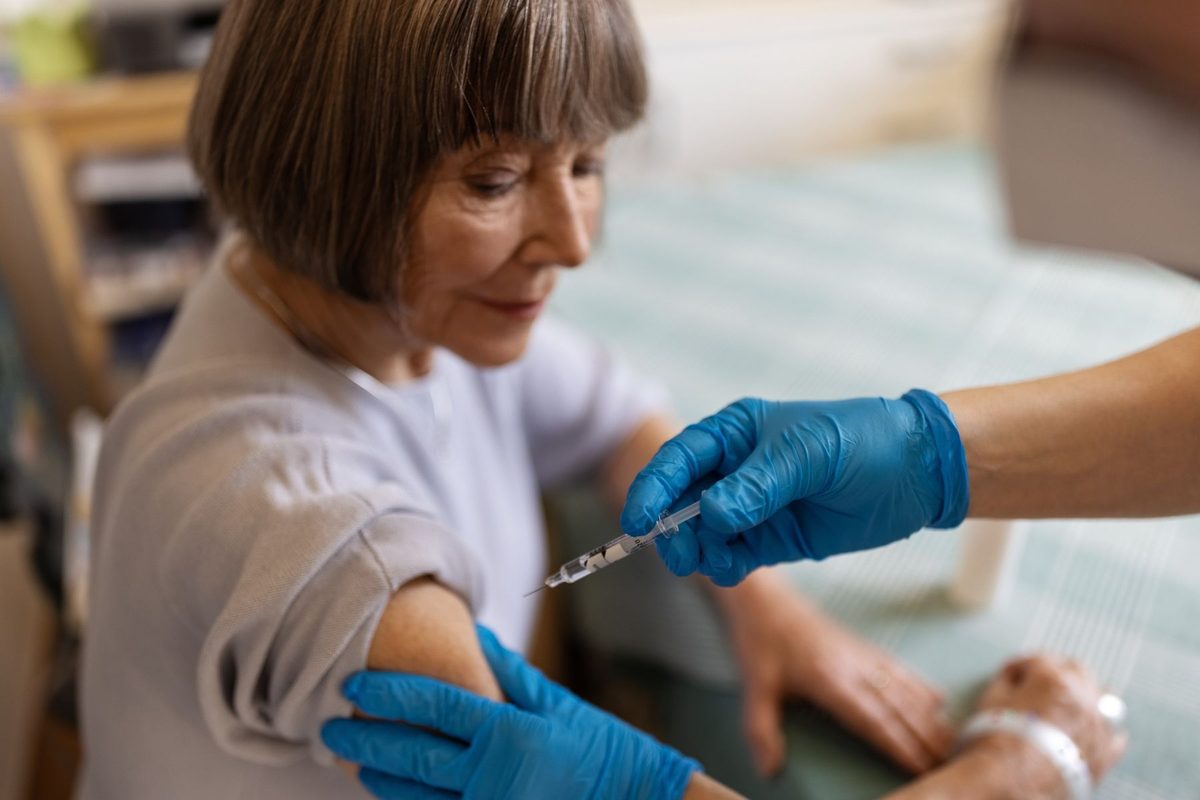
Shingles vaccine linked to fewer heart complications in people with heart disease
health4 hours ago

Shingles vaccine linked to fewer heart complications in people with heart disease

A large observational study of more than 246,000 U.S. adults with established atherosclerotic cardiovascular disease found that receiving at least one shingles vaccine dose (Shingrix or Zostavax) was associated with substantially lower risks of major cardiovascular events within a year, including a 46% drop in major adverse cardiovascular events, 27% fewer heart attacks, 27% fewer strokes, 33% fewer heart failures, and a 61% reduction in death from any cause, compared with unvaccinated peers. The researchers caution that causality cannot be proven from observational data and longer follow-up is needed, but the findings add to evidence that the shingles vaccine may offer broader health benefits and support vaccination guidelines for adults 50 and older, especially those with cardiovascular disease.

Market-Ready Meds Could Slow Dementia, Panel Finds
health18 days ago

Market-Ready Meds Could Slow Dementia, Panel Finds

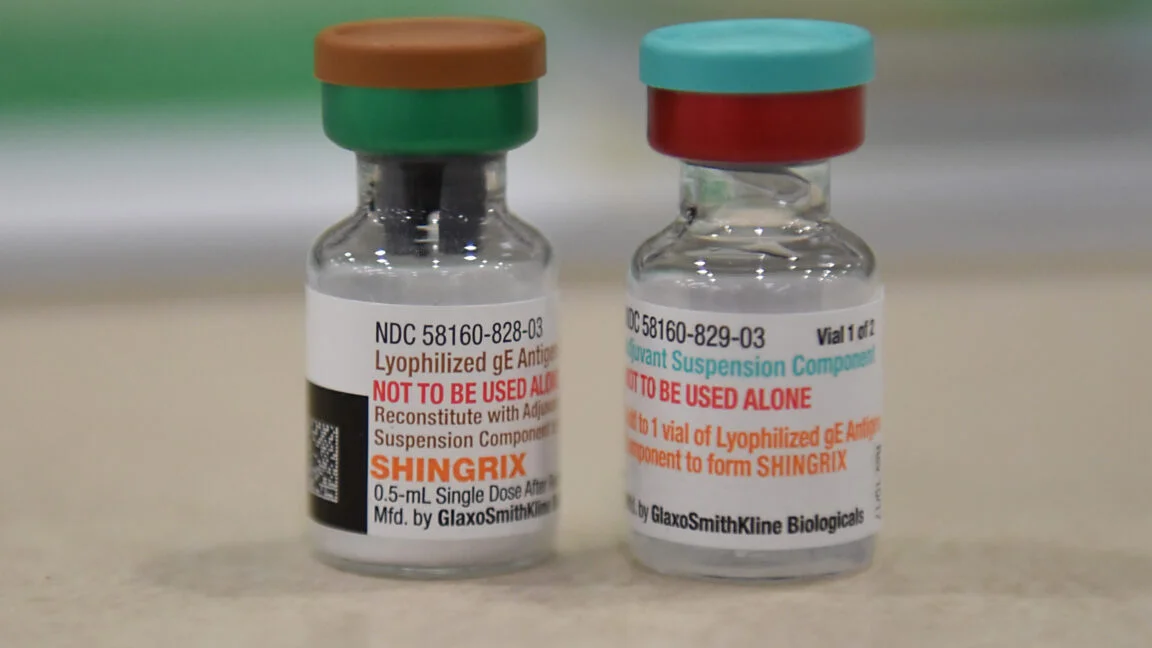
An international expert panel identifies eight drugs already on the market as candidates for further study to prevent or slow dementia. The shingles vaccine shows the strongest real‑world signal, with Welsh data suggesting about a 20% reduction in dementia risk among recipients; the newer Shingrix vaccine is anticipated to be at least as effective. Other drugs cited include Viagra (sildenafil), riluzole, Gilenya (fingolimod), and vortioxetine, though evidence for these is less clear and confounded by factors such as lifestyle and relationships. The panel emphasizes more rigorous research and potential trials to determine true benefits at the population level.

Shingles vaccine tied to lower dementia risk, with newer shots showing stronger signals
health28 days ago

Shingles vaccine tied to lower dementia risk, with newer shots showing stronger signals

Natural-experiment studies across Wales, Australia, Canada, and the US consistently link shingles vaccination with reduced dementia risk, and newer data suggest that Shingrix may offer larger protective benefits than the older Zostavax—potentially by lowering brain inflammation from varicella-zoster reactivation—though causality and gender differences require further study.

Old Drugs, New Hope: 3 Meds May Help Prevent Alzheimer’s
health1 month ago

Old Drugs, New Hope: 3 Meds May Help Prevent Alzheimer’s

A panel of researchers identified three approved medicines with potential to prevent or treat Alzheimer’s disease: the shingles vaccine (Zostavax), sildenafil (Viagra), and riluzole. These drugs target relevant Alzheimer’s mechanisms, have safety profiles suitable for older adults, and show promising results in cell/animal studies, prompting calls for robust clinical trials to determine true benefit and establish whether they can slow or prevent dementia.

Shingles Shot May Slow the Body's Aging Clock, USC Study Finds
health1 month ago

Shingles Shot May Slow the Body's Aging Clock, USC Study Finds

A USC Leonard Davis School of Gerontology study analyzing the Health and Retirement Study (about 3,800 people aged 70+ in 2016) found that those who received the shingles vaccine had slower biological aging on several measures—lower inflammation and slower epigenetic and transcriptomic aging—than unvaccinated peers, suggesting vaccines may influence aging beyond preventing shingles, with effects lasting at least four years after vaccination; the results show an association, not causation.

Shingles vaccine linked to slower aging markers in seniors
health2 months ago

Shingles vaccine linked to slower aging markers in seniors

A USC-led observational study using data from the Health and Retirement Study found that adults aged 70+ who received the shingles vaccine showed signs of slower biological aging, including reduced inflammation, slower epigenetic aging, and stronger immunity, with the strongest effects within three years post-vaccination; however, the cross-sectional design means causality can’t be established and further research is needed.